Setting the Scene for Composting
Composting is more than just a trend; it’s a vital practice for anyone looking to maintain a thriving vegetable garden. Bringing organic waste to life not only helps in reducing landfill waste but also provides a rich and nourishing component to the soil. Many gardeners might not realize how much composting can enhance the health of their plants. Understanding the significance of composting could change the way you approach your garden.
Healthy soil is the foundation of successful gardening. Incorporating compost improves soil structure, allows for better water retention, and introduces beneficial microorganisms. Plants thrive when their roots can access nutrients effectively. Moreover, compost can foster a more sustainable ecosystem in your garden. It encourages biodiversity and helps control pests naturally, creating a harmonious growing environment.
This guide will walk you through the essential steps for setting up the perfect compost heap. You will learn about materials to use, key techniques, and maintenance tips to create your own rich blend of organic matter. Whether you’re a novice or seasoned gardener, these insights will help you transform waste into a powerful tool for growth. By the end, you’ll be equipped to take your gardening to new heights with an effective compost system.
Ready to get started? Keep reading, as we delve deeper into creating an optimal compost pile that works for you and your plants. Folks often find it rewarding to engage with nature, and composting is a fantastic way to contribute positively to your garden’s health. Let’s explore how you can achieve this goal and reap the benefits.
For more information on composting techniques, check out our detailed sections on the best materials to use for your heap and how to maintain it efficiently. It’s time to turn your garden into a lush paradise with the right approach!
Understanding Compost
Compost refers to a mixture of organic materials that break down over time, creating a nutrient-rich additive for gardens. Its primary role in gardening is to enrich soil, providing plants with essential nutrients they need to thrive. This natural process of decomposition transforms food scraps, yard waste, and other organic matter into a valuable resource.
Types of Compost
The world of composting includes various methods, each with its own benefits. Hot composting is a quick method, producing compost in weeks rather than months. This process requires optimal conditions, such as a balanced mix of materials and proper temperature control.
Cold composting, on the other hand, is slower but simpler. This method relies on simply piling up organic waste and allowing it to decompose over time. Patience is a must, as the results may take months to materialize.
Worm composting, often called vermicomposting, uses specific types of worms to break down materials. Red wigglers are the star performers in this process. They efficiently consume kitchen scraps and create a nutrient-dense byproduct known as worm castings, an excellent fertilizer.
Key Components of Compost
To create quality compost, certain essential ingredients must be present. Green materials include nitrogen-rich items like fruit and vegetable scraps, grass clippings, and coffee grounds. These contribute essential nutrients to the mix.
Brown materials, on the other hand, provide carbon and consist of items such as dried leaves, cardboard, and straw. Achieving the right balance between green and brown materials is crucial for successful decomposition.
Moisture levels must also be monitored. Compost should feel damp but not waterlogged. Regularly turning the pile improves aeration, allowing oxygen to circulate throughout the mixture.
By understanding these components, any gardener can create a thriving compost heap. The rewards include improved soil health and increased vegetable yield, making the effort well worth it.
Choosing the Right Location
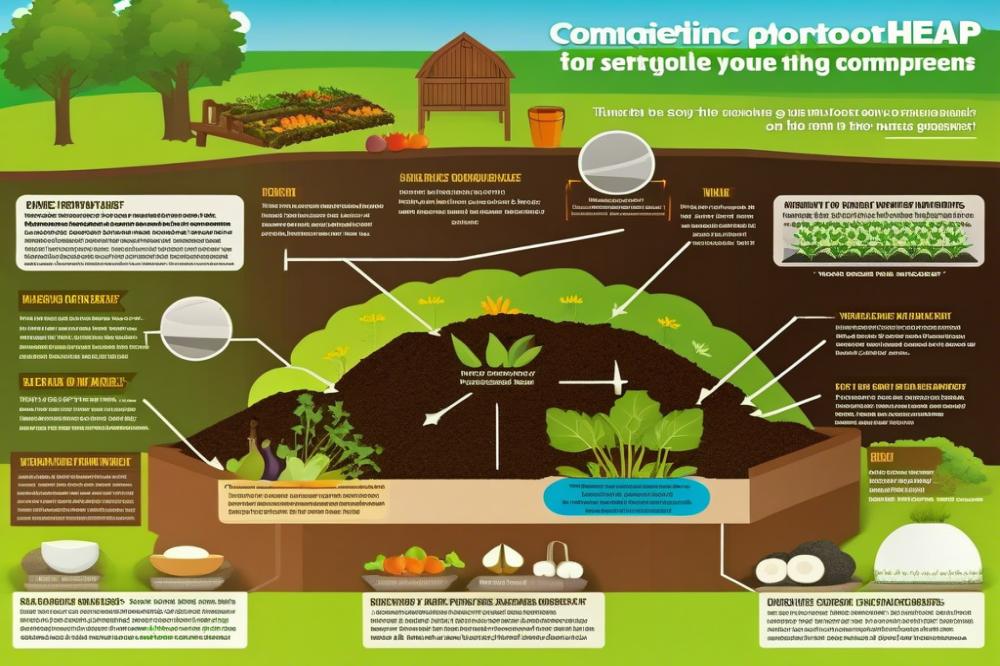
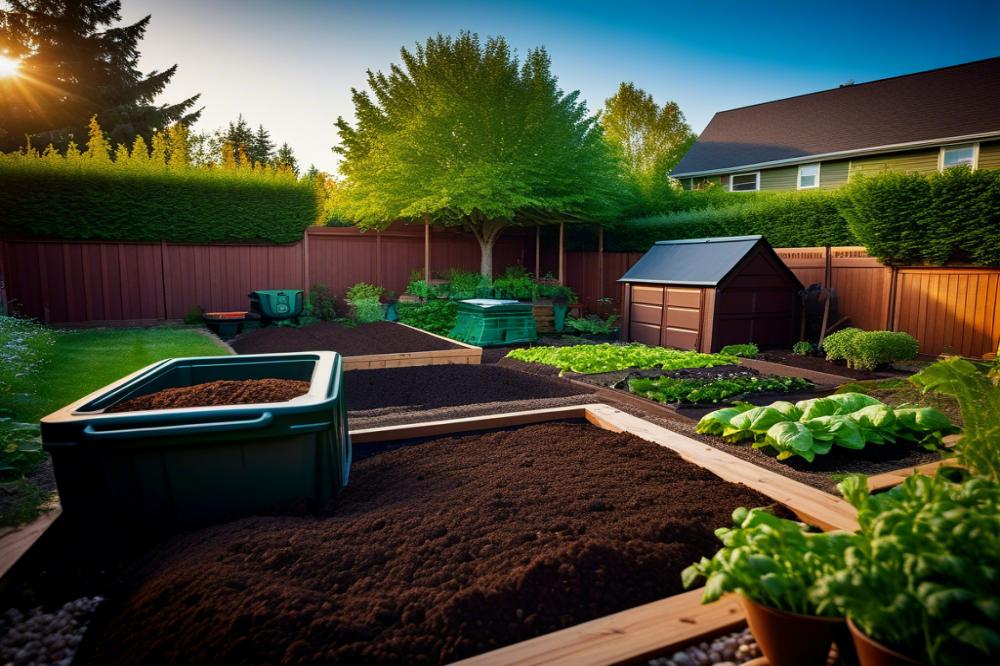
When deciding where to place your compost heap, several factors come into play. First, consider its proximity to your vegetable garden. A location close by makes it easier to transport kitchen scraps and yard waste. This can save both time and effort, especially during busy gardening days.
Sunlight plays a key role in decomposition. A spot that receives partial sun is ideal. Too much sun can dry out the materials, while complete shade can slow down the composting process. Additionally, think about drainage. Avoid areas that retain water. A soggy compost heap won’t break down properly and can produce unpleasant odors.
Accessibility is another essential factor. You want to reach your compost heap with ease, especially when adding materials or turning the pile. If it’s too far away, you might find it difficult to keep up with regular maintenance. Place it in a convenient position, but not in the way of your daily gardening tasks.
Lastly, consider the weather. Sheltering your compost from strong winds and heavy rains is important. Wind can blow materials away, while excess moisture can lead to a dripping, messy heap. A sheltered spot can provide stability and maintain the right conditions for effective composting.
Building Your Compost Heap
Suggested Compost Heap Dimensions and Structure
Creating a compost heap doesn’t have to be complicated. A good size for a backyard compost pile is about 3 feet wide and 3 feet tall. This dimension offers enough space for decomposition while making it manageable. Use wooden pallets, wire mesh, or even old bricks to contain the heap. An open structure promotes airflow, which is vital for the composting process. Shape the pile into a loose mound to facilitate proper ventilation as materials break down.
Layering Techniques: Starting with Browns and Greens
Layering is an essential step in successful composting. Begin by placing a layer of “browns,” which include dry leaves, straw, or cardboard. Add a thick layer of “greens” on top, such as kitchen scraps, grass clippings, or fresh plant materials. This combination kick-starts the decomposition process. Alternate layers as you build the heap. About 2 to 3 inches of each material works well. Remember that balanced layering leads to balanced decomposition.
Balancing Nitrogen and Carbon for Optimal Mix
Every compost heap needs a proper mix of nitrogen and carbon. Nitrogen-rich materials come from greens, while carbon sources are often browns. Aim for a ratio of roughly 30 parts carbon to 1 part nitrogen. Too much carbon can slow down composting, while excess nitrogen can lead to odors and attract pests. Monitor the balance by observing the materials. If the heap heats up too much, it may have too many greens. Conversely, if decomposition stalls, it might need more nitrogen-rich substances.
Tips for Maintaining Moisture and Aeration
Moisture is another vital aspect of maintaining your compost heap. Strive for a damp, sponge-like consistency. If the pile becomes too dry, sprinkle some water on it. Be cautious not to soak it; excess water can lead to compaction and odor. Turning the pile is equally important for aeration. Using a pitchfork or shovel, mix the materials every few weeks. This activity introduces oxygen, speeding up the decomposition process and reducing any unpleasant smells. Regular maintenance can make a significant difference in the success of your compost heap.
Maintaining Your Compost Heap
Turning and aerating the compost is vital for its success. Regularly mixing the materials helps introduce oxygen. This process accelerates decomposition. A pitchfork works great for this task. Aim to turn the pile every few weeks. This can vary based on how quickly it decomposes.
Monitoring Temperature and Moisture Levels
Temperature plays a key role in composting. A well-functioning heap typically reaches 130-160°F. This heat helps kill off pathogens and weed seeds. Use a compost thermometer to check the internal temperature. Additionally, moisture levels need attention. Compost should feel like a damp sponge. If it’s too dry, add water. On the flip side, too much moisture can lead to odors.
Signs of a Healthy Compost versus Problems to Avoid
Healthy compost has a pleasant, earthy smell. It should not have strong, foul odors. Dark, crumbly texture indicates successful breakdown. Furthermore, you should see some worms and other beneficial organisms. Recognizing these signs is essential. Problems can arise if the heap becomes too acidic or too compacted. If you notice a slimy texture, this is a red flag. It suggests over-watering or insufficient aeration.
Troubleshooting Common Compost Issues
Dealing with compost issues is part of the process. If your pile smells bad, check for balance. Too many green materials can cause this. Balance it with more brown ingredients like dry leaves. Another common issue is slow decomposition. If things aren’t breaking down, it could be too dry. Adding water or turning the materials may help. Always look for solutions rather than giving up.
Using Finished Compost in Your Vegetable Garden
Knowing when your compost is ready is crucial. Finished compost has a dark, crumbly texture and an earthy smell. It should no longer have large pieces of organic matter. If you see recognizable food scraps or twigs, give it more time. A good test is the heat. When the pile no longer emits warmth, it is often a sign that the compost is done.
Different Applications
There are various ways to use finished compost. One common application is as a top dressing. This simply means spreading a layer of compost on the soil surface around your plants. It provides nutrients during the growing season while improving soil structure.
Soil amendments are another popular use. Mixing compost directly into the garden soil enriches it, enhancing its ability to retain moisture and nutrients. This practice is particularly beneficial for poor or sandy soils. For those who want to start seeds, compost can make an excellent seed starting mix. Its fine texture helps young plants grow strong and healthy.
Incorporating Compost into Planting Beds
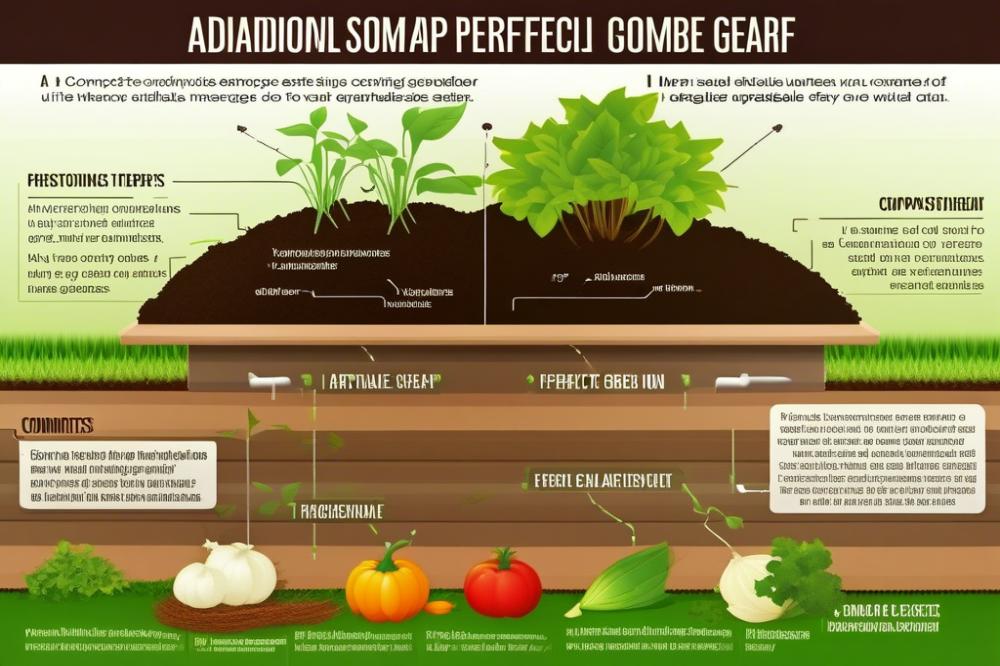
Incorporating compost into planting beds is a straightforward process. Begin by turning the soil with a garden fork or tiller. This aerates the soil and prepares it for mixing. Next, add a generous amount of compost. Aim for about 25% compost mixed with 75% existing soil. This combination enhances soil fertility and promotes robust plant growth.
When working with vegetable rows, apply compost in a similar fashion. Dig a trench or furrow and fill it with compost. Rake the soil back over the compost, ensuring it blends well. This method allows the nutrients to seep down to the roots as plants grow. Additionally, it helps in maintaining moisture levels in the soil.
Bringing It All Together
A compost heap is vital for any vegetable garden. It enriches the soil with nutrients, promotes healthy plant growth, and reduces waste. By recycling kitchen scraps and yard waste, you create a powerhouse of beneficial microorganisms. These organisms help transform organic materials into rich compost that your plants crave.
Starting your composting journey can feel daunting, but you can easily break it down into manageable steps. Begin by gathering materials, whether they are kitchen leftovers or yard debris. With a little effort, you can turn everyday waste into a valuable resource for your garden. Embrace this hands-on approach and watch your garden thrive.
Nurturing your garden through composting is not just about cultivating plants. It reflects a commitment to sustainability. Each person has the power to make a difference, no matter how small their actions seem. When you compost, you contribute to a greater good that enhances our environment. Remember, every pile of compost is a step toward a healthier planet.
As you embark on this composting journey, keep in mind that learning takes time. Mistakes may happen, but don’t let them deter you. Embrace them as part of the process. Your efforts will lead to a flourishing garden, full of vibrant vegetables and a connection to nature that is deeply rewarding. Whether you are just beginning or have some experience, the rewards of a compost heap in your vegetable garden are clear. Dive into the world of composting, and discover the joy it brings. Check out #anchor_text_3# for additional resources and #anchor_text_4# for more tips on gardening.