Introduction
In the quest for fresh produce and vibrant plants, home greenhouses have become essential for many gardening enthusiasts. These controlled environments allow for year-round cultivation, but they also demand consistent care. This is where automatic watering systems become crucial. Efficient water and nutrient delivery can significantly enhance plant health while supporting sustainable gardening practices.
Water management plays a key role in successful plant care. Traditional watering methods can lead to issues such as over or under-watering. Utilizing drip irrigation can help distribute water directly to the roots, minimizing waste. hydroponics also presents a method where plants grow without soil. This system relies heavily on a precise mix of nutrients and water, making automation vital for success.
The use of soil moisture sensors elevates greenhouse technology. These sensors can detect moisture levels in the soil, allowing for real-time adjustments in watering. Coupled with irrigation timers, gardeners can create an efficient schedule for water delivery. Imagine being able to set it and forget it, while knowing your plants receive the precise care they need.
Smart feeders offer another layer of convenience. They deliver nutrients systematically, ensuring that plants thrive without constant attention. This method of nutrient delivery not only saves time but also supports a more sustainable approach to gardening. The ease of monitoring and adjusting feeding schedules transforms the way we think about plant care.
By embracing home greenhouse automation, gardeners can cultivate healthier plants with less effort. The benefits are clear: optimized growth, reduced labor, and a minimized environmental impact. As more individuals turn to gardening for food sustainability, advanced solutions in watering and feeding become increasingly important. Harnessing technology not only enhances our gardens but also creates a more efficient and enjoyable gardening experience.
Understanding automatic watering systems
Automatic watering systems revolutionize how we care for plants in greenhouses. These systems provide consistent hydration without the need for daily attention. They generally consist of a water source, delivery mechanisms, and controls to manage the flow of water.
Definition and Components of Automatic Watering Systems
At their core, these systems integrate various components for effective plant care. A water pump transports liquid from a reservoir. Hoses or tubes distribute the water, often equipped with emitters or sprayers. Moreover, an irrigation timer controls when and how much water is delivered. Together, these parts work to make watering plants effortless.
Types of Systems: drip irrigation, hydroponics, and Their Applications in Greenhouses
Drip irrigation stands out for its efficiency. This method delivers water directly to the roots of plants through a network of tubes. It reduces evaporation and waste, making it an excellent choice for greenhouses. Hydroponics represents another innovative technique. Plants grow in a nutrient-rich water solution without soil. This method uses less space and offers controlled conditions for growth.
Both systems can be tailored to specific applications within greenhouses. Drip irrigation is particularly suitable for crops that require consistent moisture. Hydroponics can support high-density planting in limited areas, maximizing production.
Role of Soil Moisture Sensors in Optimizing Watering
Soil moisture sensors play a crucial role in these systems. They monitor moisture levels in real-time, providing feedback to the irrigation controls. This technology prevents overwatering and underwatering, ensuring plants receive the right amount of moisture. By integrating sensors with smart feeders, gardeners can precisely manage both water and nutrient delivery.
Through effective water management, these sensors aid in sustainable gardening practices. They help maintain the health of plants while conserving water resources. With the rise of advanced greenhouse technology, growers can now rely on automated solutions to enhance efficiency and yield.
Advanced Technologies in Water Management
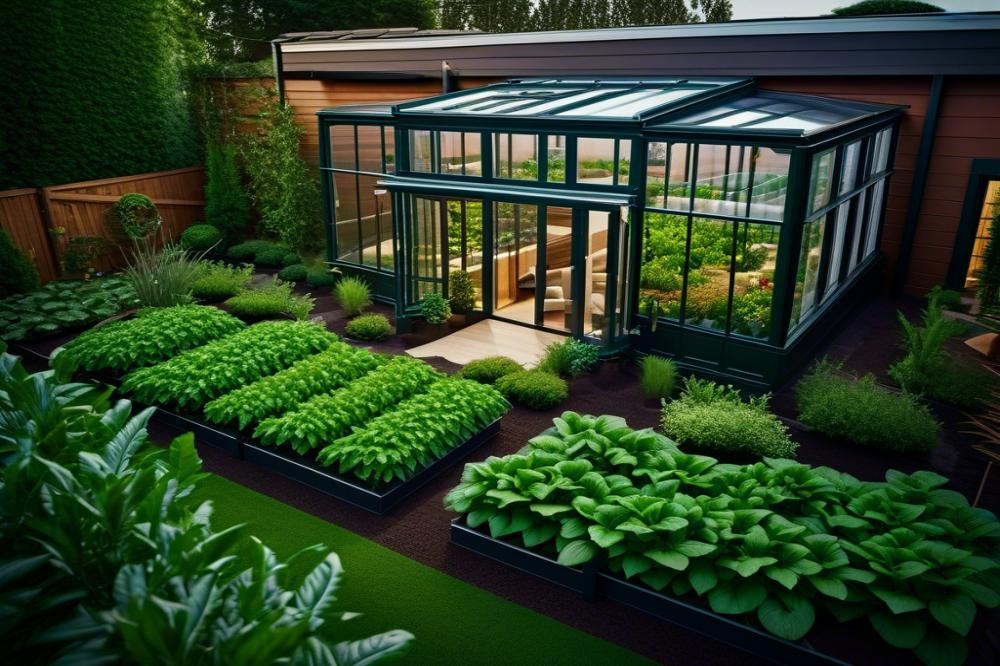
Managing water efficiently is crucial in home greenhouses. Innovations in this area are transforming how gardeners care for their plants. One significant advancement involves the integration of irrigation timers for scheduled watering. Such devices allow users to set specific times for watering, ensuring plants receive moisture consistently.
Drip irrigation systems have become especially popular. They deliver water directly to the roots, minimizing waste and maximizing hydration. With the addition of soil moisture sensors, gardeners can optimize their watering schedule. These sensors measure the moisture level in the soil, automatically adjusting the watering frequency based on real-time data.
Smart feeders are another game changer in nutrient delivery. These devices help in accurately providing the right amount of nutrients to plants. By using technology to monitor the nutrient levels, gardeners can avoid overfeeding or underfeeding their plants. This precision in plant care is vital for healthy growth.
Moreover, the role of hydroponics cannot be overlooked. This method allows plants to grow without soil, relying on nutrient-rich water instead. Hydroponic systems often integrate both water management and feeding solutions. This combination leads to more efficient use of resources, aligning with the principles of sustainable gardening.
Innovations in greenhouse technology also play a significant role in enhancing plant care. Automated systems can monitor not just water, but also light, temperature, and humidity. All these factors contribute to the overall health of the plants and make gardening more manageable.
As technologies continue to advance, the future of home greenhouses looks promising. With tools like irrigation timers, smart feeders, and innovative greenhouse solutions, achieving healthy plants is more accessible than ever. Embracing these advancements can significantly improve gardening efforts.
Implementing Automatic Watering Systems
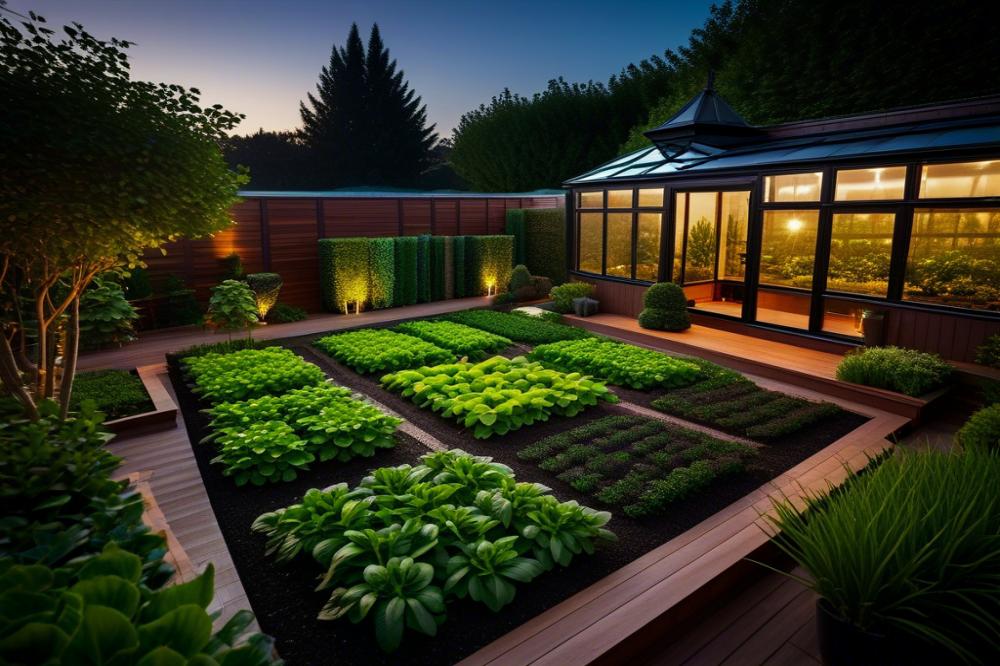
Steps for Selecting and Installing an Appropriate System
Choosing the right watering system is crucial for your greenhouse. First, assess the size of your garden space. A small greenhouse might benefit more from drip irrigation, while larger areas could use hydroponics for efficient water use. After determining your needs, research various products that fit your budget and requirements. Look for systems with soil moisture sensors to monitor moisture levels accurately. These sensors will help you understand when to water plants based on actual needs, preventing over-watering.
Installation can seem daunting but is manageable. Start by reading the manufacturer’s instructions carefully. Position the irrigation lines close to the base of your plants. This placement guarantees water goes directly to the roots, promoting healthy growth. If you choose smart feeders, connect them properly to your nutrient solution. Make sure that everything is watertight to avoid leaks, which could waste resources.
Considerations for Water and Nutrient Management Based on Plant Needs
Understanding your plants is vital for effective water management. Different species have varying requirements for moisture and nutrients. For instance, succulents do not need as much water as leafy greens. This diversity means that you may need a tailored approach for nutrient delivery. Use irrigation timers to schedule watering based on specific plant needs, especially during hot weather when evaporation is higher.
Think about adjusting your watering schedule based on plant growth phases. Young seedlings often require more frequent watering, while mature plants might need less. Keep an eye on your plants’ responses. If leaves appear wilted or yellow, it may signal either overwatering or underwatering. Tracking these changes can help fine-tune your nutrient and water strategies to fit your unique gardening ecosystem.
Best Practices for Maintenance and Troubleshooting
Regular maintenance is essential to keep your system running smoothly. Inspect hoses for leaks and check connections often. Clean your drip emitters regularly to prevent clogs, which can lead to uneven watering. This attention to detail can make a big difference in plant care and overall greenhouse health.
In case of malfunction, troubleshooting starts with the basics. Check if the irrigation timer is functioning and ensure it is set correctly. If you notice sections of plants are not receiving moisture, inspect the entire system for damaged lines or blockages. Invest in a simple pressure gauge; it will help monitor water flow easily.
Keep records of your watering routines and plant growth. Documenting any issues allows you to spot patterns and adjust practices accordingly. This proactive approach will facilitate sustainable gardening and maximize your greenhouse’s productive potential. Adopting these best practices will not only enhance plant health but also foster enjoyment in your gardening journey.
The Future of Sustainable Gardening
Emerging trends in automatic watering and nutrient delivery are changing how we approach plant care. While many still rely on traditional methods, advancements in greenhouse technology are paving the way for more efficient practices. Drip irrigation systems, for instance, direct water right to plant roots, minimizing waste. Hydroponics offers a soil-free alternative, allowing plants to grow in nutrient-rich water. These innovations are part of a broader movement towards sustainable gardening.
Importance of sustainability in gardening practices cannot be overstated. Climate change and resource depletion make it essential for gardeners to adopt eco-friendly methods. By using irrigation timers and soil moisture sensors, we can deliver just the right amount of water. These tools not only save water but also promote healthy plant growth. Smart feeders can automate nutrient delivery, eliminating the risk of over-fertilization and ensuring that plants receive the necessary elements they need.
Automatic systems contribute significantly to water conservation. They help reduce runoff and evaporation by applying moisture directly where it’s needed. Greenhouse technology is evolving rapidly, allowing for more precise water management. This leads to healthier plants and less strain on our water resources. Implementing these systems supports environmentally friendly gardening. As more people embrace these practices, they play a vital role in protecting our planet.
Final Thoughts
The Importance of Automatic Watering Solutions
Automatic watering systems play a crucial role in home greenhouses. They help maintain consistent moisture levels, which is vital for plant health. Efficient watering reduces the chances of overwatering or underwatering, common issues many gardeners face. By providing precise amounts of water, these systems support healthier plant growth. Utilizing techniques like drip irrigation can optimize water usage and minimize waste.
Embrace Advanced Solutions for Better Gardening
Adopting advanced solutions can transform how you care for your plants. Modern technologies, from sensors to timers, make plant care easier and more effective. They allow for greater flexibility in your gardening schedule. With hydroponics systems, plants can receive nutrients more effectively without soil, maximizing growth potential. Benefits include less labor and more time to enjoy your greenhouse.
A Call to Action
Consider upgrading your current methods to include these innovative tools. Embracing automation in watering and feeding not only simplifies your gardening tasks but also promotes more sustainable practices. It can lead to healthier plants and ultimately a more vibrant greenhouse. The future of home gardening is here, and it’s time to take the next step.