
apple trees: Managing Light, Growth, and Pests
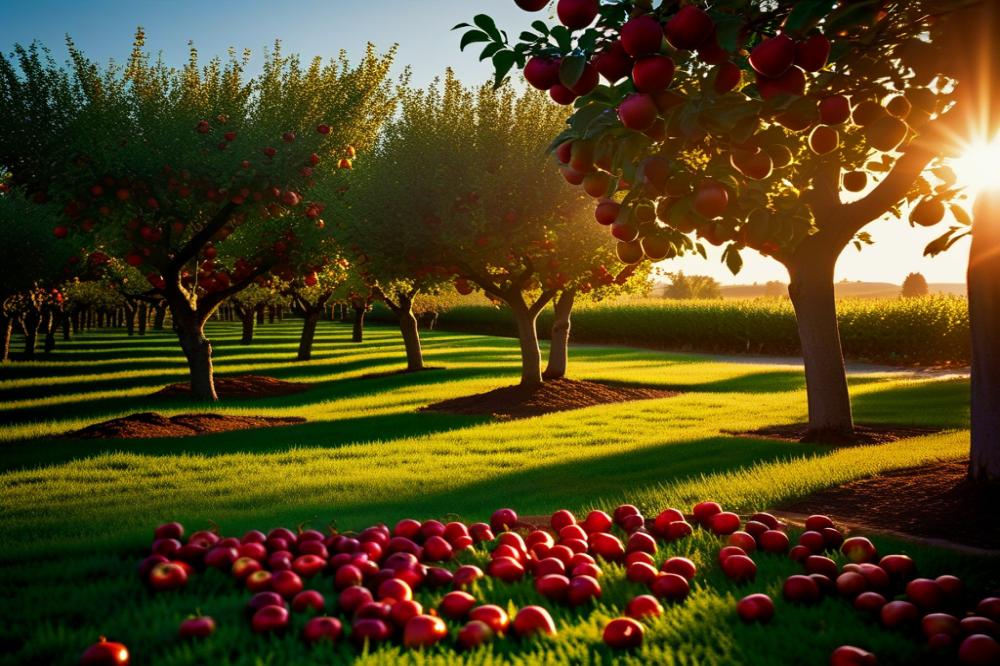
Home orchards are more than just hobby spaces. They offer opportunities for families to cultivate their own food. apple trees stand out as a popular choice among many gardeners. They provide delicious fruit while adding beauty to any landscape.
sunlight management is critical for the success of these trees. Proper exposure influences not only their growth but also the quality of the fruit. For an orchard to thrive, understanding how light affects each tree is essential. Fruits grow best when sunlight can reach all parts of the tree evenly.
Pruning techniques play a vital role in maintaining healthy plants. Seasonal pruning helps shape the tree and remove any unhealthy branches. This allows more light to enter, improving fruit tree health. Each cut made during pruning should focus on promoting air circulation, which is necessary for preventing diseases.
Effective orchard care goes beyond just trimming branches. Soil care is equally important. Healthy soil provides essential nutrients, promoting strong apple tree growth. Home gardeners should consider organic methods for pest control as well. Keeping harmful insects at bay helps ensure a bountiful harvest. Knowing when to act is part of effective garden maintenance.
By focusing on these key aspects—light management, pruning, and pest control—anyone can cultivate a flourishing apple tree. Understanding these elements creates a more resilient orchard that can thrive for years to come.
The Importance of sunlight management for Apple Trees
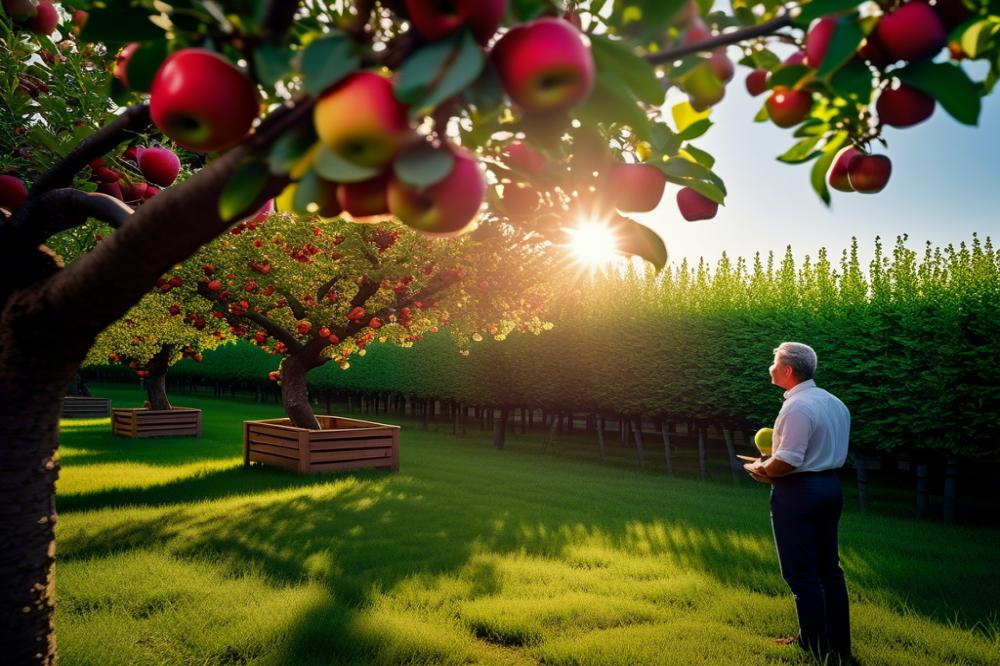
Sunlight plays a vital role in the healthy growth of fruit trees. Understanding their light needs can make a significant difference. Apple trees thrive best with ample sunlight exposure. Ideally, they should receive at least six to eight hours of direct sunlight daily. Without sufficient light, their development may be hampered, leading to poor fruit production.
Positioning is key when planting. Place trees where they can capture the most sunlight. Areas that face south or southwest usually offer the best exposure. Avoid planting near structures that can cast shadows. Additionally, consider the distance between trees. Crowded orchards can create unwanted shade, diminishing light access for each tree.
Managing Shade in Orchards
Proper orchard care involves managing shade effectively. Regularly assess tree growth and spacing. pruning techniques can help shape trees to allow better light penetration. Trim branches that obstruct sunlight from reaching others. Seasonal pruning not only aids in sunlight management but also promotes overall tree health.
If there are natural barriers like hills or tall trees, they require careful consideration. Plan the layout of your orchard accordingly. Planting shorter varieties in shade can balance light exposure across varying heights. This strategy maintains the health of all trees and supports consistent production.
Furthermore, keeping the surrounding area clear of debris and weeds is essential. Overstocked ground can compete for light and nutrients. Soil care, along with organic pest control, supports a thriving environment for apple trees. When trees are healthy, they become more resilient against diseases and pests.
Pruning Techniques for Healthy Apple Trees

Pruning is essential for maintaining apple tree health. It plays a crucial role in orchard care and affects fruit production significantly. Proper trimming not only helps shape trees but also promotes better growth and yields.
Seasonal Pruning
Timing is everything when it comes to pruning. Late winter or early spring is the best time for this task. During this period, trees are still dormant, which reduces stress. Avoid pruning in late fall when the trees start preparing for winter. Cutting branches at the wrong time can lead to poor growth.
Types of pruning techniques
Several different pruning approaches exist, each with its purpose. Thinning is one way to open up the canopy, allowing more light to penetrate. This technique involves removing whole branches. Heading, on the other hand, involves cutting back branches to promote bushier growth. It stimulates new shoots, leading to more fruit-bearing wood. Maintenance pruning focuses on regularly removing dead or diseased wood. This is vital for disease prevention and overall health.
Maintaining Shape and Structure
Shaping trees correctly is key to achieving optimal sunlight management. A well-structured tree allows for air circulation, which reduces disease risks. Aim for an open center design; it increases light exposure efficiently. Using an appropriate technique can maintain balance and support for fruit-bearing branches. Regular maintenance ensures trees do not become overgrown, which can lead to shading issues. Keep an eye on growth patterns. Healthy trees require the right methods to flourish.
Soil Care and Its Impact on Apple Tree Health
A healthy apple tree relies heavily on the quality of its soil. Soil requirements for these trees include proper pH levels and nutrient availability. Ideally, apple trees thrive in slightly acidic soil, with a pH between 6.0 and 7.0. Nutrients like nitrogen, phosphorus, and potassium play vital roles in fruit tree health. A sufficient supply of these nutrients is necessary for robust growth and productivity.
Improving soil quality can lead to healthier trees and more fruitful harvests. Techniques like soil testing can help you understand its current condition. Adding organic matter is an effective way to enhance soil structure. Compost boosts fertility while helping retain moisture. This practice can create a more suitable environment for root growth.
Mulching comes with many benefits. It prevents weeds while helping to retain soil moisture. This layer of organic material also adds nutrients as it breaks down over time. An adequate mulch layer can significantly reduce the stress on the trees during hot, dry seasons. In addition, mulch aids in disease prevention by keeping soil microorganisms in check.
Composting is another key aspect of orchard care. This practice not only recycles kitchen waste but also improves soil texture. By combining materials like grass clippings, leaves, and food scraps, gardeners can produce rich compost. This nutrient-rich material will feed the soil and enhance the overall health of your apple tree.
Regular maintenance of the soil is crucial for establishing a vibrant orchard. By staying attentive to conditions and adjusting accordingly, you can foster strong apple tree growth. A well-maintained soil system promotes effective sunlight management and sets the stage for successful seasonal pruning. Overall, these strategies contribute to fruitful outcomes and bolster organic pest control practices.
Organic Pest Control Strategies for Apple Trees
Apple trees often face challenges from various pests that can hinder fruit production. Common insects include aphids, codling moths, and spider mites. These pests can weaken trees and impact the quality and yield of fruit. Managing these threats is critical for successful orchard care.
Organic pest control methods provide effective solutions without relying on synthetic chemicals. Introducing natural predators, like ladybugs, can help control aphid populations. Traps can be an efficient way to capture specific pests. For instance, using pheromone traps can lure and capture male codling moths, reducing their breeding cycle.
Repellents also play a role in organic management. Spraying plant-based solutions, such as neem oil, can deter pests while being safe for beneficial insects. When applying any treatment, it’s vital to follow instructions carefully to protect fruit tree health.
Preventative measures are crucial in maintaining a healthy orchard environment. Soil care significantly influences tree vitality. Regular monitoring of plant health can alert you to problems early on. Incorporating good sunlight management and proper irrigation will strengthen tree growth and resilience.
Seasonal pruning contributes to both disease prevention and pest control. Keeping branches well-spaced allows for better air circulation. This practice helps in reducing fungal infections and creates a less inviting environment for pests. Checking for signs of infestations during these maintenance sessions can lead to swift action and better outcomes.
Maintaining a clean orchard is essential to avoid pest problems. Removing fallen fruit and debris denies pests a place to thrive. Companion planting can also enhance pest control, as some plants naturally fend off specific insects. Engaging in consistent garden maintenance will promote the overall health of your apple trees.
Garden Maintenance Practices for Apple Tree Care
Routine garden maintenance tasks are essential for keeping apple trees healthy and productive. Regular checks on sunlight management should be part of your routine. If trees are receiving too little light, growth may become stunted, affecting fruit production. Similarly, excess shade can lead to fungal diseases due to poor air circulation.
Monitoring tree health plays a critical role in early detection of diseases and pests. Look for signs such as discolored leaves or unusual spots on the bark. Prompt action can prevent a minor issue from becoming a major setback. Employing organic pest control methods can also safeguard fruit tree health without harming beneficial insects in your orchard.
Seasonal pruning is vital for apple tree growth. Late winter or early spring is often the best time for this task. Utilize effective pruning techniques to promote an open canopy. Thinning the branches allows sunlight to penetrate deeper, which is beneficial for ripening fruit. Additionally, removing dead or diseased wood reduces the risk of infection.
Soil care plays a fundamental role in overall health. Proper fertilization during the growing season can replenish nutrients that apple trees need. Ensure that soil remains well-drained to avoid root rot. Mulching around the base of the tree can help retain moisture during dry spells.
In terms of weather protection, it’s important to watch for extreme conditions. Frost can damage blossoms, especially during late spring. If you anticipate cold nights, consider using frost covers. Likewise, young trees may need shade during excessively hot days to prevent overheating. Keeping an eye on the weather can help you make informed choices for orchard care.
By following these practices, you can help maintain the vitality of your apple trees while enjoying the fruits of your labor.
Final Thoughts on Growing Apple Trees
Recapping the essential aspects can help you feel confident in managing your own orchard. Sunlight management is crucial; it not only supports healthy growth but also enhances fruit quality. Position your trees wisely and consider their spacing to maximize exposure. Pruning techniques also play a vital role in the health of your trees. Regularly trimming branches promotes air circulation and light penetration, leading to more robust blossoming and fruit production.
Dealing with pests is another key factor. Taking proactive measures, like using organic solutions or introducing beneficial insects, can make a real difference. Staying vigilant against threats helps maintain the vitality of your trees and your harvest.
Gardening can be challenging, but applying these strategies will set you on the right path. The satisfaction from watching your trees flourish and produce delicious fruit is immensely rewarding. Whether you have a small backyard or a larger plot, nurturing these plants can connect you with nature in a fulfilling way.
Think of your home orchard as a personal project. With patience and care, you can create a vibrant space filled with life. Enjoy the process; every season brings new experiences and lessons. Happy gardening!


