Growing Herbs for Salads: An Introduction
Growing your own herbs and salad greens can transform your meals. Having fresh herbs at your fingertips not only enhances flavors but also adds nutritional value to your dishes. It opens up a world of culinary creativity, especially when it comes to salads. With the right herbs, you can take a simple salad and turn it into a gastronomic delight.
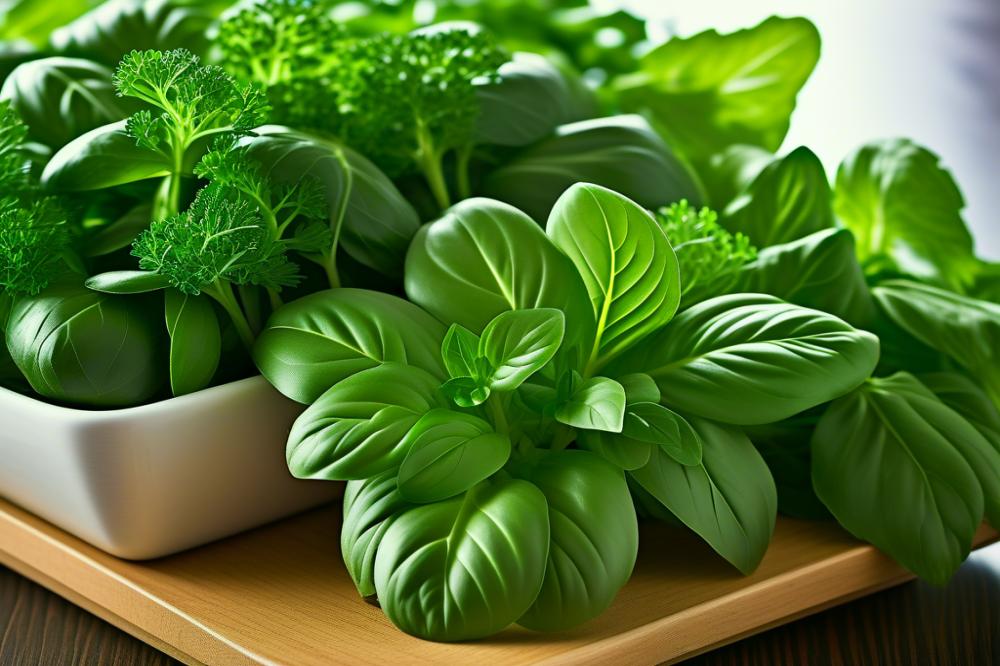
Fresh herbs like basil, dill, and parsley bring vibrancy to any salad recipe. Each herb has its unique taste, contributing differently to your dish. basil offers a sweet, aromatic flavor that works well with tomatoes and greens. dill adds a crisp, refreshing touch, perfect for creamy dressings. Parsley brings a subtle earthiness that balances richer ingredients. These culinary herbs can elevate even the most straightforward combinations, making each bite meaningful.
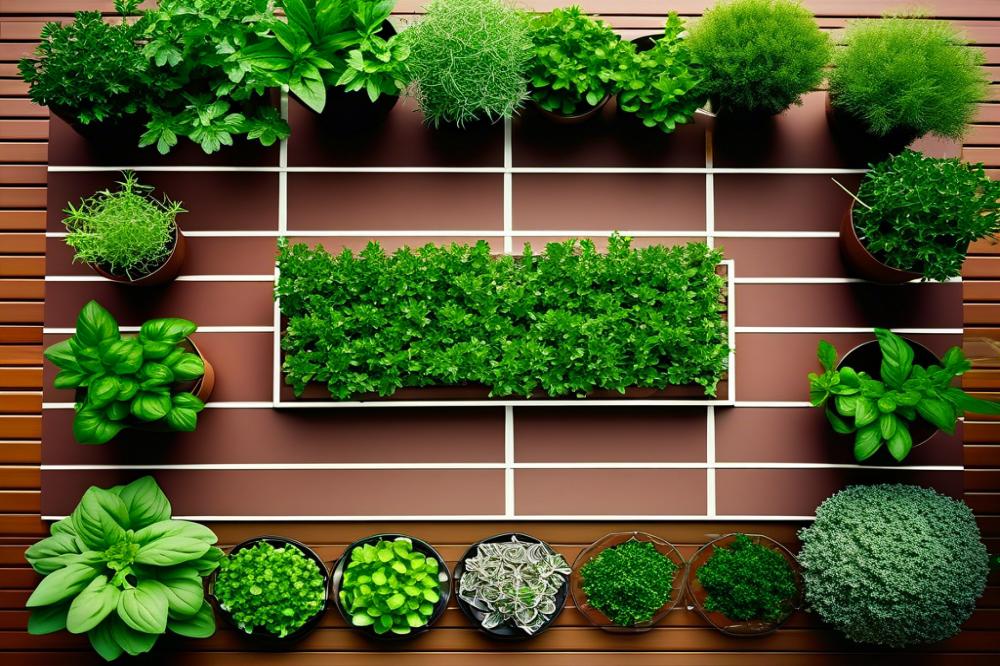
Aside from their flavor, there are many benefits associated with home gardening. Growing herbs requires little space and can be done in pots or a small garden bed. This makes herb gardening accessible to everyone, whether you live in a house or an apartment. Additionally, caring for plants can be therapeutic, providing a satisfying hobby that yields delicious results. With a few gardening tips, anyone can cultivate these essential salad herbs successfully.
Basil, dill, and parsley stand out as important herbs in the kitchen. They enhance the taste of salads while offering health benefits. Incorporating fresh herbs into your diet encourages a connection with the food you eat. You’ll not only enjoy the freshly picked flavors but also take pride in nurturing your plants. So, whether you’re a seasoned gardener or a beginner, consider adding these herbs to your garden for a rewarding culinary experience.
herb gardening Basics
Understanding the basics of growing herbs is key for any aspiring gardener. Cultivating plants like basil, dill, and parsley can be a rewarding experience. Fresh herbs can enhance your salad recipes, adding flavor and nutrients. Beginners should start with a few simple tips to get the process right.
Choosing the Right Location
Location plays a significant role in successful herb growing. Select a spot that gets plenty of sunlight. Most culinary herbs require at least six hours of direct light each day. Consider areas near a window or outdoors in your garden. A sheltered spot can protect them from harsh winds while allowing essential light in.
Soil Requirements for Optimal Growth
Soil quality impacts herb health. Use a well-draining mix to avoid waterlogged roots. Loamy soil is ideal because it balances moisture and nutrition. Adding organic matter, like compost, enriches the ground and supports plant vitality. This combination improves drainage and nutrient availability for your growing herbs.
Sunlight and Watering Needs
Sunlight and water form the backbone of herb care. Monitor each plant’s specific needs since different herbs have unique requirements. Basil loves warmth and hydration, while dill prefers slightly drier conditions. Watering should be consistent but not excessive. Overwatering can lead to root rot and stunted growth.
Remember to check moisture levels before watering. A finger test works well; just stick your finger in the soil. If it feels dry an inch down, it might be time for a drink. Keep in mind that herbs often thrive on neglect; sometimes, less is more.
Basil: Growing Tips and Uses
Varieties of Basil Suitable for Salad Use
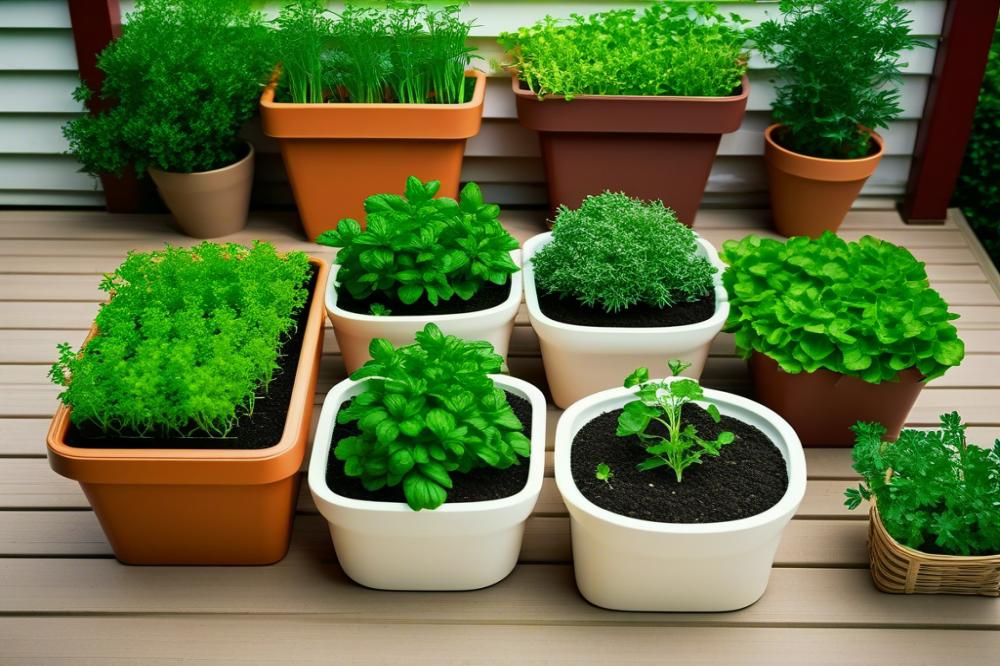
Basil comes in several varieties that add flavor and aroma to salads. Sweet basil is the most popular choice for its traditional taste. Thai basil offers a slightly spicy note, making it great for unique salad recipes. Lemon basil brings a citrus twist, enhancing fresh ingredients. Each type brings its own charm, enriching salads in different ways. Choosing the right basil can elevate your home gardening experience.
Planting and Propagation Methods
Starting basil is simple and rewarding. Seeds can be sown directly in the soil after the last frost or indoors in pots. This herb prefers well-drained soil and a sunny location. When transplanting, wait until seedlings have at least two true leaves. Basil can also be propagated from cuttings taken from healthy plants. Place the cut end in water until roots develop. This method allows gardeners to expand their basil collection without purchasing new plants.
Care and Maintenance of Basil Plants
Basil plants thrive with regular attention. Water them consistently, but avoid overwatering as this can lead to root rot. A steady supply of sunlight is essential for growth; aim for at least six hours of direct sunlight daily. Pruning encourages bushier plants. Pinching off flower buds helps the plant focus on leaf production, which is crucial for culinary herbs. Fertilizing every few weeks can improve leaf flavor and density.
Culinary Uses of Basil in Salads
Basil is renowned for its versatility in the kitchen. Fresh basil leaves can be torn or chopped and sprinkled over salads for a burst of flavor. Combining basil with tomatoes, mozzarella, or cucumbers creates a classic caprese salad. Pesto made from basil can also serve as a dressing, offering a unique twist. When using basil in salad recipes, the key is to balance its strong flavor with other fresh herbs like dill or parsley. Experimenting with proportions can lead to delightful discoveries in your dishes.
Dill: Growing Tips and Uses
Characteristics and Varieties of Dill
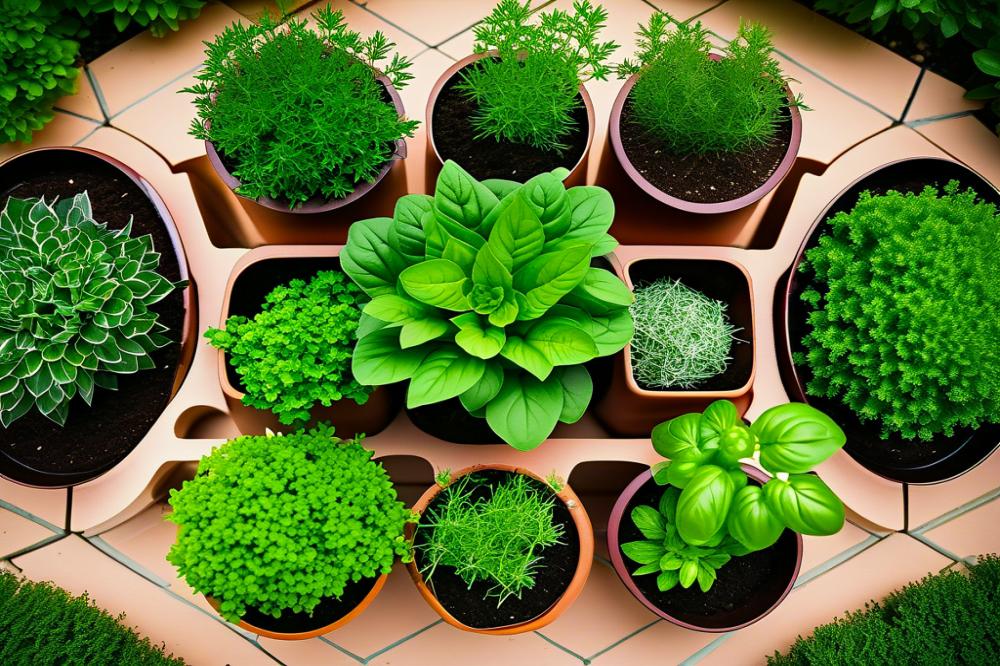
Dill is an aromatic herb that belongs to the umbrella family. Its feathery leaves and delicate yellow flowers make it visually appealing. Common varieties include Mammoth Dill and Fernleaf Dill. Mammoth Dill grows tall and has sturdy stems, while Fernleaf Dill is compact, ideal for small spaces. Both types produce flavorful leaves that enhance culinary dishes. The seeds can also be harvested for seasoning, making it a versatile option in home gardening.
Ideal Growing Conditions for Dill
This herb thrives in full sunlight, requiring at least six hours a day. Well-draining soil is crucial; dill dislikes being waterlogged. A pH level between 6.0 and 7.0 creates a suitable environment. Starting seeds indoors is an option, but many prefer direct sowing. After the last frost, plant seeds about half an inch deep. Thin seedlings, so they have room to grow. Regular watering helps maintain moisture but avoid overwatering to prevent root rot.
Pests and Disease Management for Dill
Dill plants can attract pests like aphids and caterpillars. Regularly inspect your plants for early signs of infestation. Neem oil can be an effective natural treatment to deter pests. Additionally, common diseases include powdery mildew and root rot. Proper spacing aids in air circulation, reducing the risk of mold. Keeping the area clean and free from debris also plays a significant role in successful herb care.
Incorporating Dill into Salad Recipes
Dill serves as a fresh addition to various salad recipes. It blends beautifully with cucumbers and tomatoes. Create a refreshing cucumber salad by mixing diced cucumbers with yogurt, dill, and a splash of lemon juice. This herb pairs well with potatoes, offering a new twist to your side dishes. Try adding dill to green salads for a unique flavor. With its bold taste, a little goes a long way in enhancing the freshness of your meal.
Parsley: Growing Tips and Uses
Types of Parsley and Their Flavors
Flat-leaf and curly parsley stand out as the most common types. Flat-leaf, also known as Italian parsley, boasts a strong flavor that is perfect for cooking. Curly parsley, with its bright green and decorative leaves, adds a milder taste. Some varieties even have a slightly peppery or citrus note. Choosing the right type can enhance your salad recipes in diverse ways.
How to Grow Parsley Successfully
Growing parsley is easy and rewarding. Start seeds indoors six to eight weeks before the last frost. If you prefer to plant outside, wait until the ground warms up. Make sure the soil is well-drained and rich in organic matter. A sunny spot is ideal, but parsley can tolerate some shade. Water the plants regularly, keeping the soil moist but not soggy. Using fertilizers can help boost growth, especially if you want vibrant, fresh herbs.
Pruning and Harvesting Techniques
Pruning parsley encourages bushier growth. Simply snip off the outside leaves as needed. Avoid cutting more than one-third of the plant at a time. Harvesting should take place in the morning when flavors are at their peak. Gather only what you need to maintain a healthy plant. If you notice flowers forming, pinch them off to prolong leaf production. Regular maintenance helps ensure a bountiful supply.
Creative Ways to Use Parsley in Salads
Fresh parsley can elevate any salad. Mix it into a basic green salad for added texture and flavor. Combine with tomatoes, cucumbers, and olives for a Mediterranean twist. Try adding chopped parsley to grain salads to make them more vibrant. It pairs well with lemon vinaigrette, enhancing the dish’s brightness. Don’t forget that parsley also works as a garnish, bringing a splash of green to your culinary herbs. Each way highlights its versatility and fresh taste.
Integrating Fresh Herbs into Your Salads
Fresh herbs like basil, dill, and parsley can transform a simple salad into something exceptional. They bring vibrant flavors and aromas, making your dish lively. Start experimenting with salad recipes to find combinations you enjoy.
Exploring Various Salad Recipes
Consider a classic Caprese salad combining fresh mozzarella, tomatoes, and basil. Adding a drizzle of balsamic glaze enhances its flavor profile. For a refreshing twist, try a dill-infused potato salad, which pairs perfectly with grilled dishes. A simple mix of parsley, cucumbers, and lemon juice creates a bright tabbouleh salad. Each recipe showcases how culinary herbs elevate traditional salads into something special.
Combining Herbs for Flavor Enhancements
When incorporating herbs, think about their distinct tastes. Basil is sweet and slightly peppery, making it ideal for Mediterranean dishes. Dill offers a fresh, tangy flavor that brightens up creamy dressings. Parsley introduces a mild earthiness that can balance stronger flavors. Mixing these herbs can enhance your salad, creating a delightful burst of flavors.
Balancing Flavors with Greens and Other Ingredients
Choosing the right greens is key to a harmonious salad. Spinach, arugula, and romaine provide various textures and flavors. Pair these with your chosen herbs for a delightful result. Adding fruits like strawberries or apples can provide a sweet contrast. Nuts or seeds add crunch, while cheeses contribute richness. Aim for a balance of tastes and textures to satisfy your palate.
As you grow your knowledge about gardening tips, remember that the quality of herbs impacts your salads. Fresh herbs harvested from home gardening not only taste better but also add nutritional benefits. Herb care is simple; regular watering and some sunlight will go a long way. Enjoy the journey of integrating fresh herbs into your salads for an explosion of flavor!
Herb Care and Maintenance
Caring for basil, dill, and parsley requires some attention but is quite rewarding. These culinary herbs thrive with the right amount of light, water, and nutrients. Begin by placing your herbs in a spot that receives at least six hours of sunlight a day. This can be near a window or outside in your garden. Water them when the top inch of soil feels dry to the touch. It’s crucial not to overwater, as root rot can set in quickly.
During the growing season, consider fertilizing your herbs every few weeks. Use a balanced, organic fertilizer to provide essential nutrients. This practice promotes healthy growth and vibrant flavors in your fresh herbs. For basil, pinch off the tips of the plant regularly. This encourages bushier growth and helps prevent flowering, which can alter the taste.
Seasonal Tips for Ongoing Growth
As seasons change, adjust your care routine accordingly. In the warmer months, herbs tend to need more water and regular clipping. Harvest fresh leaves often to stimulate growth. As temperatures drop in the fall, it’s essential to monitor the soil moisture closely. Soil can dry out faster due to cooler air.
Consider bringing potted herbs indoors during winter. Basil and dill are sensitive to cold temperatures. On the other hand, parsley can withstand some frost. If you’re growing your herbs indoors, be cautious about drafts from windows and doors.
Common Mistakes to Avoid
Many novice gardeners stumble over a few common pitfalls. One frequent mistake is crowding plants together. Herbs need space to grow and thrive. Another issue is failing to harvest regularly. Cutting back your plants encourages new, fresh growth. Leaving them alone can lead to excessive flowering, which may spoil their flavor.
Ignoring pests can also be a significant problem. Aphids and spider mites enjoy feasting on these plants. Examine foliage regularly and treat any infestations promptly with mild organic insecticides or insecticidal soap. Keeping your plants healthy is key to enjoying fresh ingredients for salad recipes.
Lastly, don’t forget to enjoy the process. Each herb has its own unique characteristics, and growing them can be an exciting journey. Implementing these gardening tips will help you cultivate a delightful kitchen garden filled with flavorful basil, dill, and parsley.
Embracing the Joy of Fresh Herbs
Growing basil, dill, and parsley offers numerous advantages that extend beyond flavor. Each herb enhances salads in distinct ways, adding freshness and nutritional value. Basil contributes a sweet and slightly peppery note, while dill brings a unique, tangy zest. Parsley, often overlooked, adds a refreshing crunch and vibrant color. These herbs not only elevate taste but also provide essential vitamins and antioxidants.
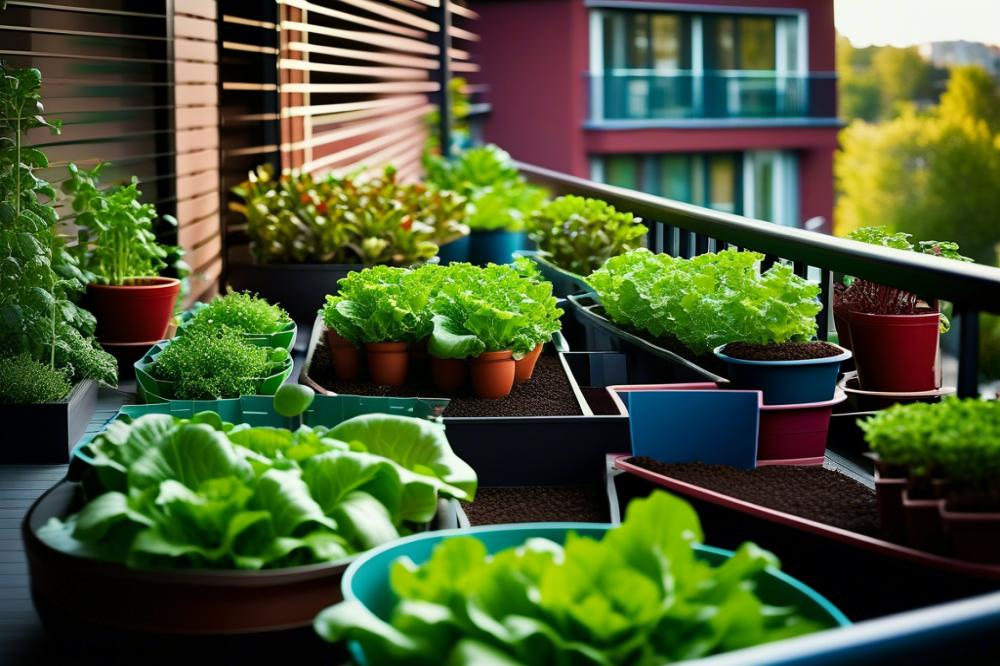
Starting a garden for herbs is an enjoyable and rewarding venture. Even if space is limited, many of these plants thrive in pots on a balcony or windowsill. With just a bit of effort, anyone can cultivate their own fresh ingredients. It’s satisfying to step outside and snip herbs right before meal preparation. This practice connects people to their food in a way that enhances appreciation for cooking.
Using home-grown herbs in salads transforms simple dishes into something special. Fresh flavors burst with every bite, making meals more enjoyable. The process of nurturing these plants also adds a sense of achievement. Sharing the taste of your labor with friends and family can create lasting memories around the dining table.
So why not consider adding these herbs to your home? Their inclusion is not just about taste; it’s about fostering a relationship with your food and the earth. Embrace the process of growing basil, dill, and parsley. Dive into the experience of using home-grown herbs in your salads, and discover the joy they can bring to your culinary adventures.