

Introduction
Big Wave Surfing embodies a thrilling challenge, where surfers tackle massive ocean waves that soar to extraordinary heights. This sport stands out within the broader context of adventure sports popular in the United States. Many individuals seek excitement and adrenaline, leading to a surge in participation in various water sports.
California and Hawaii are bastions for surf culture, drawing enthusiasts from all over the world. Legendary surf spots like Mavericks in Northern California and Waimea Bay in Hawaii are famous for their intense conditions. These locations offer the perfect blend of Powerful Swells and breathtaking scenery, ensuring memorable experiences for both surfers and spectators alike.
Surfing has deep roots in American culture. It symbolizes freedom and a connection to nature, capturing the imagination of many. As extreme sports gain popularity, the significance of ocean waves in the lives of individuals continues to grow. Most importantly, the spirit of adventure drives surfers to seek out Powerful Swells that test their skills and courage. Every wave ridden represents a triumph over nature’s formidable forces; this connection is what keeps the surfing spirit alive and thriving.
Big Wave Surfing: An Overview
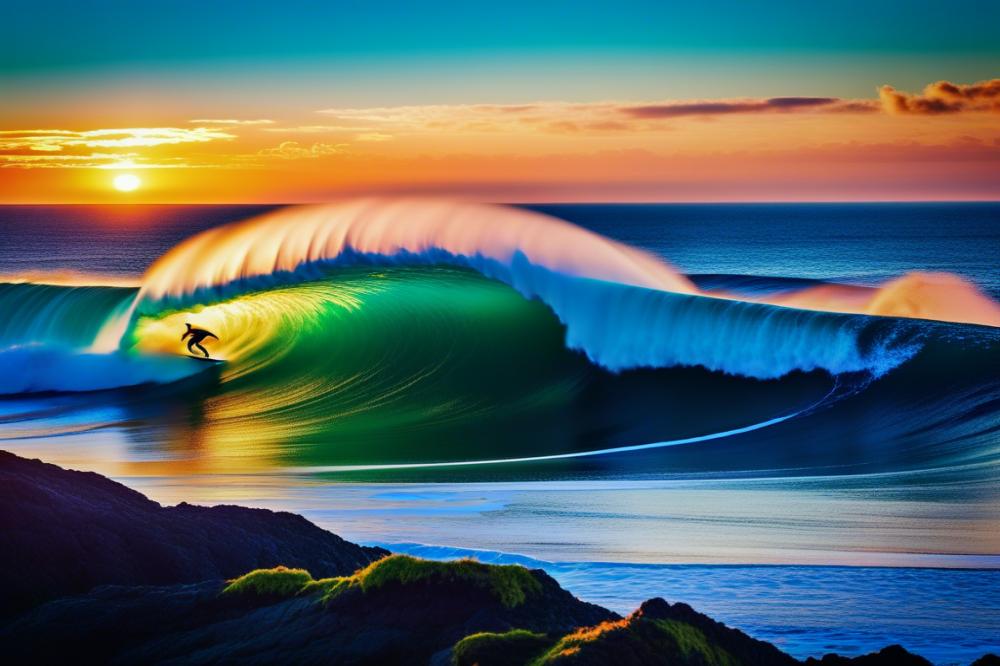
Big wave surfing involves riding some of the largest ocean waves in the world. Surfers seek out these massive swells, often reaching heights of 20 feet or more. Riders face serious challenges due to the power and unpredictability of these waters. To excel, surfers must possess a mix of skill, courage, and respect for the ocean.
The sport’s history dates back to ancient Polynesian culture, where surfing was not just a sport but a way of life. Over time, it has evolved dramatically, especially in the Hawaiian Islands. Waimea Bay became famous in the 1950s and 60s, setting the stage for what we see today. California’s beaches, especially Mavericks, joined the ranks of notable surf spots. These locations have played a crucial role in shaping modern surfing culture.
Several key characteristics define a big wave. First, size is the most obvious factor. Waves must rise significantly above the typical swell, making them stand out. Second, the conditions under which these waves form are critical. Wind, tides, and ocean floor topography all influence wave height and shape. Moreover, big waves usually roll in during certain seasons, where conditions align to create massive swells.
Riding these ocean giants is not for everyone. Only the bravest engage in this extreme sport. Surfers engage in rigorous training to prepare for the raw power of the water. A combination of physical fitness and mental toughness is essential to navigate these formidable surf conditions.
Top Locations for Big Wave Surfing in the U.S.
California: The Birthplace of Big Wave Surfing
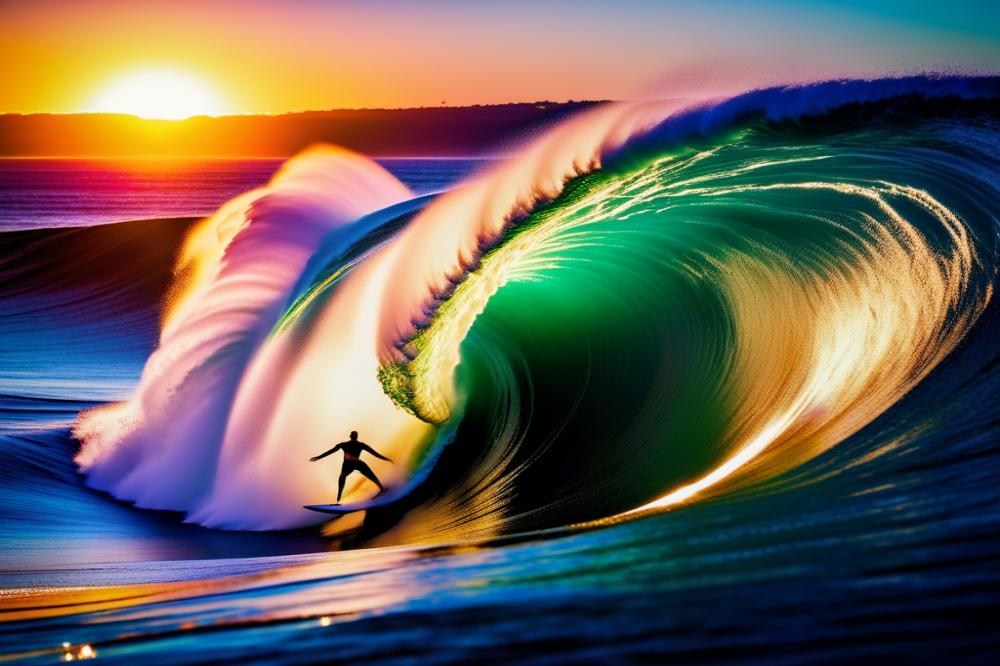
California is well-known as the cradle of big wave surfing. This state provides some of the most thrilling surf spots in the world. Mavericks in Half Moon Bay often tops the list for seasoned surfers. Here, ocean waves can reach heights of over 25 feet during the winter months. Surfers flock to this location to take on the intense surf conditions. The sheer power of the waves draws adrenaline seekers year after year. Another notable spot is Jaws, located on the north shore of Maui. This location has gained fame for its giant swells, making it a must-see for enthusiasts. Surfing culture in California has shaped many lives, leading to a unique community focused on extreme sports.
Hawaii: The Epicenter of Big Wave Surfing
Hawaii represents the heart of big wave surfing. Waimea Bay is famous for its massive swells and rich history. When surf conditions align, waves can soar to heights that challenge even the best surfers. Many consider Waimea Bay a rite of passage for anyone serious about water sports. Surfers from around the globe travel to experience its legendary waves. Pipeline and Sunset Beach are also essential locations in Hawaii for any wave rider. Pipeline’s famous barrels offer a rare experience that attracts both pros and amateurs. The energy and excitement of these spots make them central to the island’s surfing culture. In Hawaii, the ocean’s power speaks to the spirit of adventure in every surfer.
Ideal Surf Conditions for Big Wave Surfing
Understanding swell conditions is vital for any surfer. Swells begin far out at sea, often generated by storms. With proper forecasting, surfers can predict when these powerful ocean waves will hit popular surf spots. Hawaii and California boast some of the best waves, attracting enthusiasts from around the world. Locations like Mavericks and Waimea Bay are renowned for their massive swells. Knowing the timing of swells can make the difference between a great day on the water and a near miss.
Factors Affecting Surf Spots: Wind, Tides, and Storms
Many elements affect surf conditions. Wind plays a critical role; offshore winds create cleaner, more manageable waves. Tides also change water levels, impacting how waves break. High tides can make some surf spots less favorable, while low tides might reveal new opportunities. Storms generate swells that can cause dangerous conditions, so monitoring weather patterns is essential. Local surfers often track these variables to find the ideal time to ride.
Safety Considerations and Preparation for Adverse Conditions
Diving into the realm of extreme sports requires an understanding of safety. Experience and preparation are crucial to tackle the challenges of big wave surfing. Always check the local surf reports and advisories. Having the right gear is just as important. Wetsuits, leashes, and boards must be suitable for large waves. It’s wise to surf with a buddy and inform others of your plans. Emergencies can happen quickly in the ocean, so knowledge of how to handle them is key. Respect for the ocean and its powerful nature goes a long way in ensuring a safe surfing experience.
The Surfing Culture Surrounding Big Wave Surfing
Community plays a vital role in the world of big wave surfers. Surfers often come together to face the ocean’s might. Bonds formed in surf spots like California’s Mavericks or Hawaii’s Waimea Bay create a shared experience that few can truly understand. When one surfer rides a massive wave, others cheer from the beach or take part in the adrenaline rush themselves. It’s more than just a sport; it’s a lifestyle. Fellow riders often support each other, celebrating both victories and difficult wipeouts.
Competitions also contribute to the excitement of extreme sports. Events held at renowned locations showcase riders pushing their limits. These contests not only inspire newcomers but also push experienced surfers to raise the bar. Watching skilled athletes tackle immense ocean waves ignites passion in many aspiring surfers. Spectators flock to these competitions, drawn by the thrill and spectacle of witnessing remarkable feats. Each event brings a different flair and energy, making them highlights of the surfing calendar.
Iconic surfers have made significant contributions to this vibrant culture. Figures like Laird Hamilton or Kelly Slater are not just celebrated for their skills, but also for their impact on surf conditions and techniques. Their journeys inspire countless others to chase the waves. Each surfer brings their distinct style, flavor, and story, enriching the overall tapestry of surfing culture. Their legacy leaves a mark, encouraging future generations to pursue big waves and embrace the ocean’s challenges.
The Challenges and Risks of Big Wave Surfing
Facing enormous ocean waves takes significant physical strength and mental toughness. Surfers push their bodies to the limit. They experience intense exhaustion as they paddle out and navigate surf conditions that could turn dangerous in an instant. Balancing on a board during a massive swell challenges both skill and focus. Fear often creeps in, but surfers must learn to manage it.
Dangers lurk beneath the surface. Wipeouts can lead to injuries, from concussions to broken bones. Swimmers can get caught in rip currents, making it hard to return to shore. Locations like Mavericks in California and Waimea Bay in Hawaii are notorious for their brutal waters. The ocean can be unpredictable, with waves crashing in rapid succession and easily overwhelming even the most experienced athlete.
Training for this sport requires dedication. Many surfers engage in rigorous workouts, focusing on strength and endurance. They practice on smaller waves to build their skills before facing massive swells. Support systems also play an important role in their success. Coaches and fellow surfers provide valuable advice and encouragement. The surfing culture embraces teamwork, as safety is a primary concern when tackling powerful swells.
Surfers often use specific gear to protect themselves. Leashes keep boards connected, reducing the risk of losing equipment in the chaos. Helmets and buoyancy vests can offer extra protection against injury. Experienced athletes know to always monitor the surf spots before heading out. They assess the conditions and share insights with peers, fostering a sense of community and responsibility within the world of water sports.
A Look Ahead in Big Wave Surfing
Big wave surfing holds a special place in the heart of the U.S. and the world. It represents not just an extreme sport, but a powerful connection to nature. The surfers who brave the colossal waves in places like California and Hawaii do so with a mix of respect and excitement. These adventures help to shape the very culture of surfing in America.
For anyone with a thirst for adventure, this sport is undeniably captivating. Opportunities abound for those willing to challenge themselves and tackle some of nature’s fiercest forces. Surfing is not just about riding waves; it’s about testing limits and discovering personal strength. Each ride can inspire someone to embark on their own journey, whether on the water or in life.
Looking forward, the future of this sport seems promising. With advancements in surfing gear and safety techniques, more individuals may safely participate. The growth of big wave surfing could also help promote coastal conservation. As more people become involved, they may feel a stronger sense of responsibility towards the ocean and its ecosystems.
In summary, big wave surfing is more than a thrilling activity; it becomes a lifelong passion for many. It brings together communities, encourages exploration, and fosters a deep appreciation for the ocean. For thrill-seekers and aspiring surfers alike, there’s never been a better time to get involved and experience what the waves have to offer.


