Introduction
Growing your own food brings a range of benefits that go beyond just providing fresh produce. It offers a connection to nature, ensures access to healthier options, and can even save you money in the long run. When it comes to small space gardening, carrots stand out as one of the best options. They are not only tasty but also easy to cultivate in limited areas.
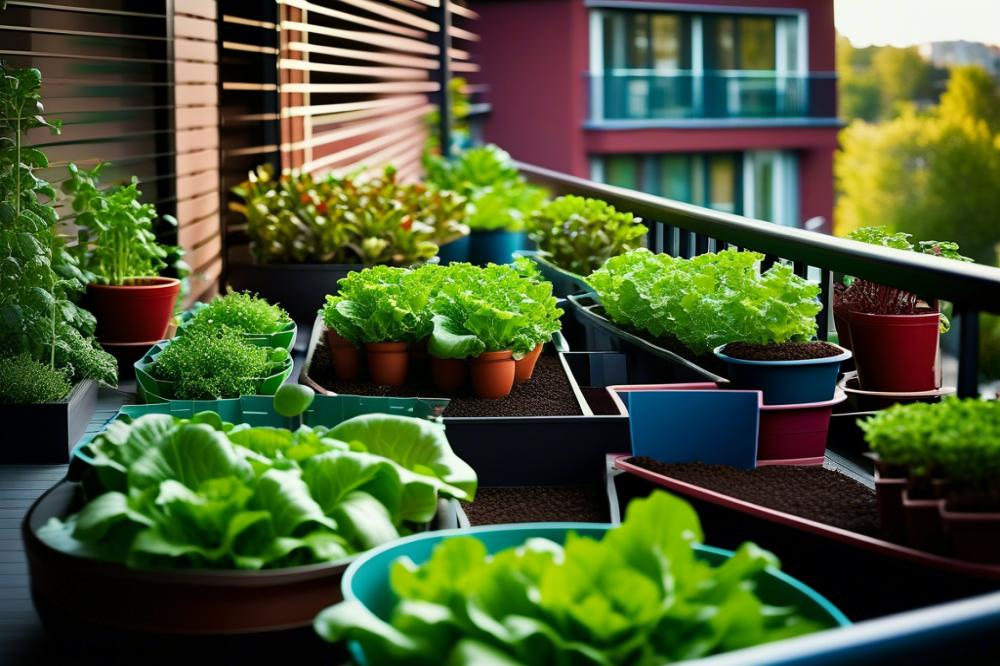
Crunchy carrots can thrive in containers or raised beds, making them perfect for urban gardening. Even if your living situation lacks a backyard, you can still enjoy homegrown veggies. Many carrot varieties are suitable for these settings, so you have plenty to choose from depending on your taste preferences and space availability.
container gardening is a fantastic method for those with restricted outdoor areas. It allows individuals to experiment with vegetable gardening without the need for a traditional garden plot. By understanding some essential soil tips and about carrot care, beginners can successfully grow their own carrots, turning even the smallest balcony into a bountiful source of delicious produce.
Planting carrots requires attention to detail, but the rewards are worth it. Watching them grow may inspire you to expand your small space gardening efforts. After all, who wouldn’t want a steady supply of fresh, crunchy carrots right at their fingertips?
growing carrots: The Basics
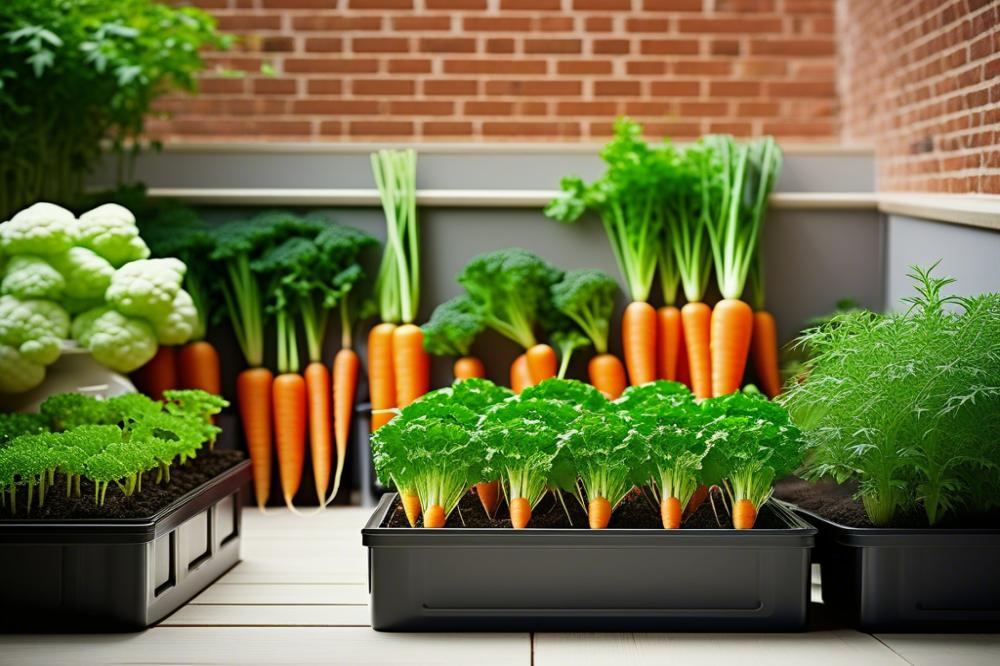
When it comes to urban gardening, choosing the right carrot varieties is crucial. Not all carrots are suitable for small spaces. Some grow long and bulky, making them a poor fit for containers or raised beds. Shorter varieties like ‘Thumbelina’ or ‘Little Finger’ thrive in limited areas. They produce crunchy carrots without needing a lot of depth.
Planting carrots begins with selecting the best seeds. High-quality seeds will help achieve the desired texture and flavor. Look for seeds specifically bred for container gardening or small spaces. This selection can significantly impact the success of your vegetable gardening project. Research seed options to find varieties you might enjoy.
Understanding the Growth Cycle of Carrots
Carrots have a unique growth cycle that every gardener should know. From planting to harvest, it generally takes about 70 to 80 days. This timeframe may vary based on the carrot variety and climate. Proper soil preparation is crucial for healthy growth. Loose, sandy soil allows for better root development. It’s also essential for draining excess moisture.
Always keep in mind soil tips when planting carrots. Amending soil with compost can enhance nutrient content. This addition supports strong growth and improves flavor. Regularly check moisture levels, as consistent watering is vital. Uneven watering can lead to cracked roots, which nobody wants. Carrot care does not end with planting; maintenance is key throughout the growing process.
Monitoring the growth of seedlings provides valuable insights. Thin the seedlings to avoid overcrowding. This practice gives them room to grow and ensures crunchy carrots at harvest time. Patience is essential since these vegetables develop below the ground. Keep track of any signs of pest activity, so you can address problems early.
Container Gardening Techniques
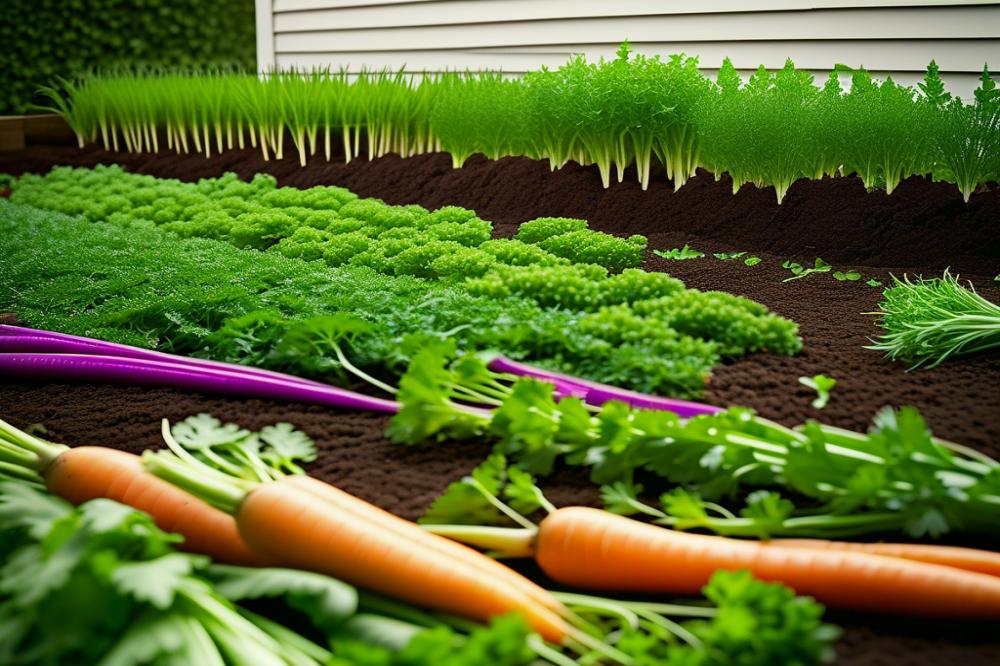
Choosing the Right Containers for growing carrots
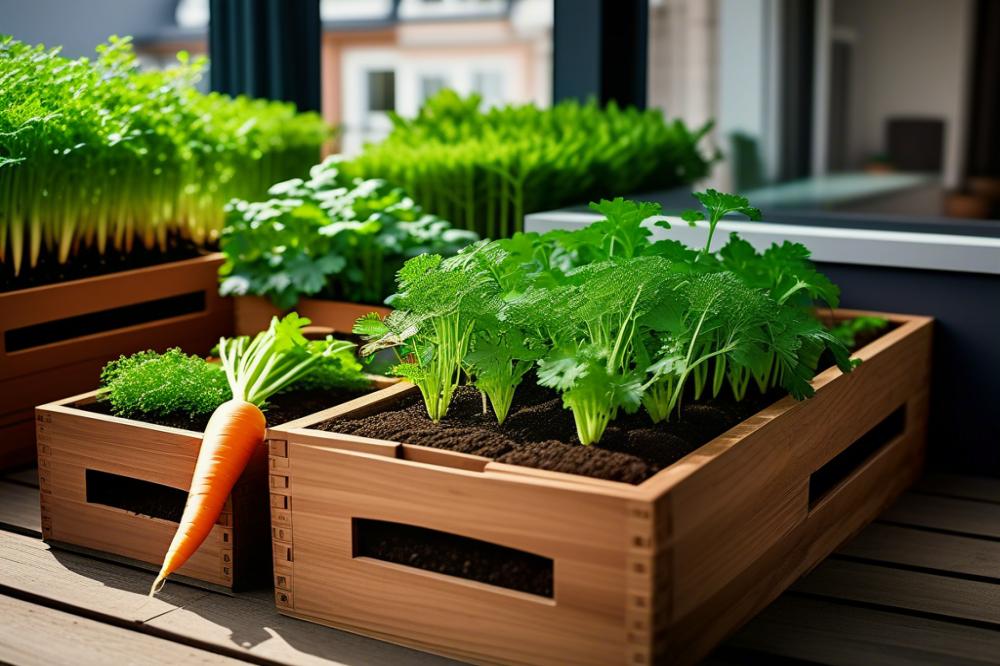
Urban gardening often requires creative solutions, especially when space is limited. Utilize deep containers to promote the healthy development of crunchy carrots. Most carrot varieties thrive in soil depths of at least 12 inches. Standard plastic pots work well, but consider using wooden boxes or raised beds for better drainage and aeration. Remember, larger containers allow for more growth. Ensure there’s a drainage hole in the bottom to prevent water from pooling around the roots. If you want to experiment, try different shapes and sizes to see which work best in your space.
Soil Tips for Container Gardening
Soil quality plays a significant role in any form of vegetable gardening. Use a loose, well-draining potting mix to help carrots grow straight and long. Adding compost can improve soil fertility. Carrots need soil that retains moisture but also allows excess water to escape. You might also want to mix in sand to create a lighter texture, which can help root development. Test the pH level too; a slightly acidic to neutral range (6.0 to 7.0) is ideal for this vegetable. Additionally, avoid using dense garden soil, which can cause issues for root growth.
Best Practices for Planting Carrots in Containers
Planting carrots can be simple with a few essential steps. First, make sure to fill your container with high-quality soil. Once the container is ready, create shallow rows for seeds, spacing them properly. This helps develop strong roots and ensures decent yields. Water the soil gently after planting to avoid displacing the seeds. Encourage seedling growth by keeping the soil consistently moist but not soggy. Remember to thin the seedlings as they grow; overcrowding can lead to stunted growth and smaller roots. Carrot care involves regular monitoring for pests and diseases, even in small spaces. Using mulch can help retain moisture and suppress weeds, making maintenance easier.
Raised Beds for Effective Growth
Setting up a raised bed for carrot gardening
Creating a raised bed is a fantastic idea for those interested in urban gardening. Start by choosing a sunny spot in your backyard or balcony. Ideally, carrots thrive in areas that receive at least six hours of sunlight each day. Construct the bed from rot-resistant wood or sturdy materials. A height of 12 to 18 inches works best for growing roots like carrots. Drainage is essential, so ensure the bottom has holes or is elevated slightly. Fill the bed with a mix of soil and compost for optimal growth. Mixing in sand can help improve drainage and create a better environment for the roots.
Soil preparation and maintenance for raised beds
Soil quality is crucial for planting carrots. Begin with a loose, sandy soil that allows the roots to grow straight and healthy. Before planting, test the pH level; it should be around 6.0 to 6.8. Add organic matter to enrich the soil. Regularly aerate the soil to prevent compaction. This step is vital for root vegetables. During the growing season, maintaining moisture is important, but avoid overwatering. Consider applying a light layer of mulch to keep soil temperature consistent. This practice also helps suppress weeds, making carrot care much easier.
Advantages of raised beds in urban gardening
Raised beds offer several benefits in small urban spaces. First, they maximize your gardening area, allowing more crunching carrots in limited soil. They elevate the plants, making it easier to tend to them without bending over. These beds heat up faster in the spring, promoting earlier growth. Pests are often less of a problem too since the plants are less accessible to certain animals. Container gardening can provide similar benefits; however, raised beds typically hold more soil, which leads to healthier plants. For beginners, this method simplifies vegetable gardening, providing better control over soil conditions. Various carrot varieties thrive in this setup, enhancing your urban garden’s diversity.
Carrot Care: Ensuring a Healthy Harvest
Watering is crucial for carrots, especially in small spaces. Containers or raised beds require consistent moisture. It is important to water deeply but less frequently to promote strong root development. Carrots thrive in well-drained soil, so be cautious of oversaturation. A general guideline is to aim for about an inch of water per week, either from rainfall or your chosen watering method. This keeps the soil moist but not waterlogged.
Watering and Fertilizing Tips for Carrots
When it comes to fertilizing, select a balanced fertilizer that is suitable for vegetable gardening. Focus on low-nitrogen options, since too much nitrogen can lead to lush greens but poor root growth. Consider mixing in organic matter like compost to enrich the soil. This can also improve drainage and provide essential nutrients. Remember, each carrot variety may have specific needs, so check recommendations based on what you plant.
Pest and Disease Management for Healthy Plants
Pests can be a concern in urban gardening. Common issues include aphids and carrot flies. To keep these pests at bay, practice crop rotation and use row covers. These methods can effectively shield your crops. Regular inspections for any signs of trouble help catch problems early. If diseases develop, such as leaf blight, promptly remove affected foliage. This action prevents spread and can save your harvest.
Mulching and Its Benefits for Moisture Retention
Utilizing mulch offers numerous advantages, especially in container gardening. A layer of organic material helps retain soil moisture. It also suppresses weeds that compete with your plants for resources. Organic mulches can break down over time, adding nutrients back into the soil. Strive for a thickness of about two to three inches for optimal effectiveness. Furthermore, mulch helps regulate soil temperature, giving your carrots a comfortable growing environment.
Harvesting and Enjoying Your Crunchy Carrots
When and How to Harvest Carrots
Timing is crucial when it comes to harvesting carrots. Most varieties are ready to be picked 60 to 80 days after sowing. Check the seed packet for specific details on your chosen carrot varieties. Pulling them from the soil too early can lead to lackluster flavor and texture. Wait until they are about an inch in diameter for the best crunch. Look for healthy tops; if they are vibrant, the carrots below are likely delicious. Use a garden fork or your hands to gently loosen the soil. Pull them straight out to avoid breaking.
Tips for Storing and Using Freshly Harvested Carrots
Storing your harvest properly is important to keep them fresh. For short-term storage, place them in a cool, dark place. Keeping them in the refrigerator’s crisper drawer can extend their shelf life. Remove the green tops, as they can draw moisture from the roots. Use a plastic bag to maintain humidity but avoid sealing it tightly to prevent rot. Crunchy carrots can last several weeks with proper care. Consider using them right away for the best flavor and texture.
Incorporating Crunchy Carrots into Your Cooking
Cooking with freshly harvested carrots can elevate many dishes. Use them raw for a crisp, crunchy snack. They are excellent in salads or as a part of a veggie platter. Cooked, they are great in stir-fries, soups, and stews. Roasting brings out their natural sweetness; consider adding herbs and spices for extra flavor. In urban gardening, growers often experiment with different methods to utilize their crops. Pickling is another fun way to enjoy these tasty vegetables long after the harvest season ends. Use bright orange carrots for vibrant presentations and consider incorporating diverse colors for unique dishes. The possibilities are endless in vegetable gardening. Enjoy your crunchy carrots in many delightful ways!
Final Thoughts on Carrots in Small Spaces
Growing vegetables in limited space offers numerous advantages. Carrots are particularly suited for this purpose. They require minimal room, making container gardening a perfect option for urban and suburban dwellers alike. The crispness of homegrown, crunchy carrots brings unmatched satisfaction. Harvesting them gives a sense of accomplishment that store-bought varieties simply can’t match.
For beginners, starting your vegetable gardening journey can feel daunting. However, cultivating these root vegetables can be an excellent entry point. With a little knowledge and patience, anyone can successfully grow carrots at home. Adopting this hobby provides not only fresh produce but also a rewarding experience. Seeing the seeds sprout and grow will build confidence over time.
In closing, the joys of growing your own food are countless. The process is not merely about the vegetables. It’s about connecting with nature and nurturing life. Each carrot pulled from the soil symbolizes effort and care. Starting this journey can bring great joy and health benefits. So, if you have a small space, don’t hesitate. Begin planting today and enjoy the vibrant flavors of your harvest.