
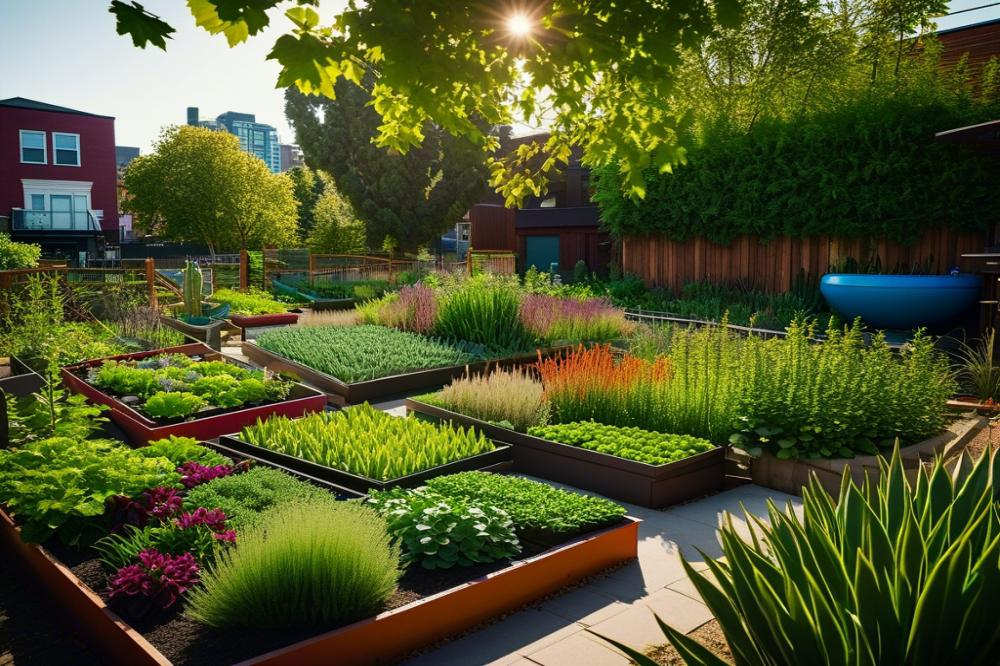
City Greens: Safe and Edible native plants in Urban Environments
In crowded cities, green spaces play a vital role in enhancing the quality of life. These areas not only offer a breath of fresh air but also support local wildlife. Incorporating edible plants into urban environments creates a connection between people and nature. When communities grow their own food, they embrace sustainability.
Edible native plants are those that naturally occur in an area and can be consumed safely. They provide numerous benefits for urban ecosystems. Foraging for these plants introduces people to local flora, encouraging greater appreciation for biodiversity. Home gardeners can cultivate these species in community gardens or private lots, contributing to healthier cities.
This article explores the advantages of utilizing edible plants within urban gardening. Local flora can enhance ecological balance and attract pollinators, thus promoting vibrant urban ecology. We’re diving into the possibilities and methods of integrating these plants into daily life. The aim is to empower individuals to seek alternatives to conventional gardening practices. Together, we can create greener, more sustainable urban environments.
Native Plants: The Backbone of Urban Biodiversity
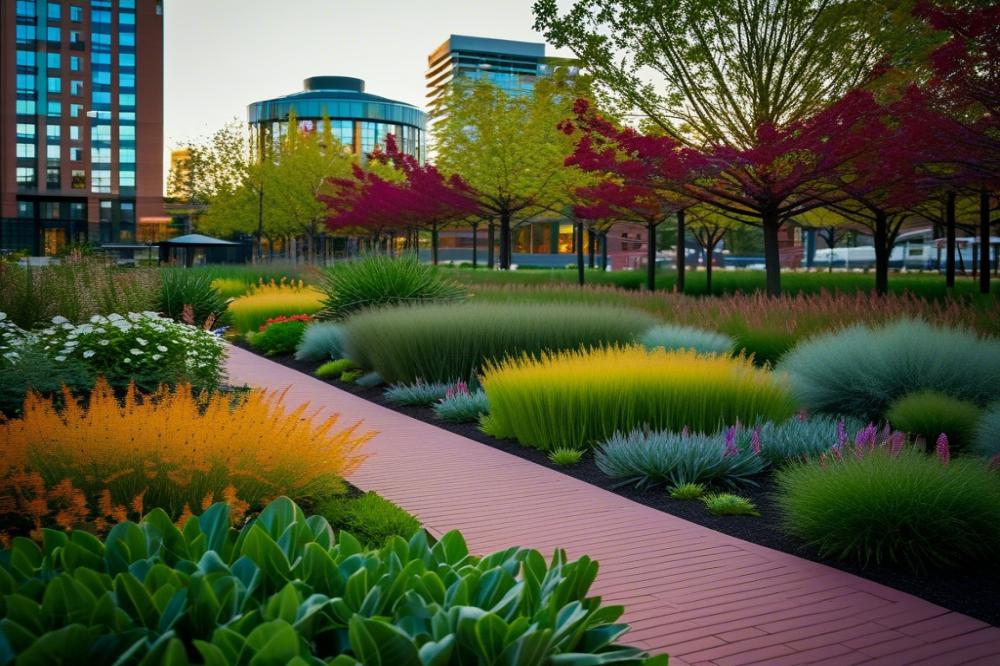
In any discussion about urban environments, it is essential to define what constitutes local flora. These plants are naturally occurring species that thrive in a specific region without human intervention. Often, they have adapted to local climates, soils, and ecosystems over thousands of years. Recognizing the importance of these plants is fundamental to understanding their role in our cities.
Native species play a significant role in fostering biodiversity. They form the foundation of healthy ecosystems, providing food and habitat for numerous organisms. Birds, insects, and mammals rely on these plants for survival. An increase in plant diversity can lead to a more balanced ecosystem, making urban areas more resilient to disease and environmental changes.
Urban wildlife often depends on these native plants to create a thriving environment. Pollinators, like bees and butterflies, are drawn to flowers that have evolved alongside them. Additionally, small mammals and birds use native plants for shelter and snacking. When we cultivate community gardens, we create biodiversity hotspots that benefit both people and animals.
Green spaces filled with local flora improve the quality of urban life. They offer residents a chance to engage in sustainable gardening while promoting foraging practices. This not only connects people with nature but also enhances ecological advantages across neighborhoods. Communities can become more self-sufficient by integrating edible plants into their landscapes.
Consequently, supporting these plants within urban ecology presents a myriad of benefits. Besides boosting wildlife populations, they help manage rainwater and improve air quality. City dwellers can enjoy the beauty of vibrant gardens while witnessing the return of butterflies and birds. Planting native species blends nature with urban living, promoting a healthier lifestyle.
Identifying Safe and Edible Native Plants
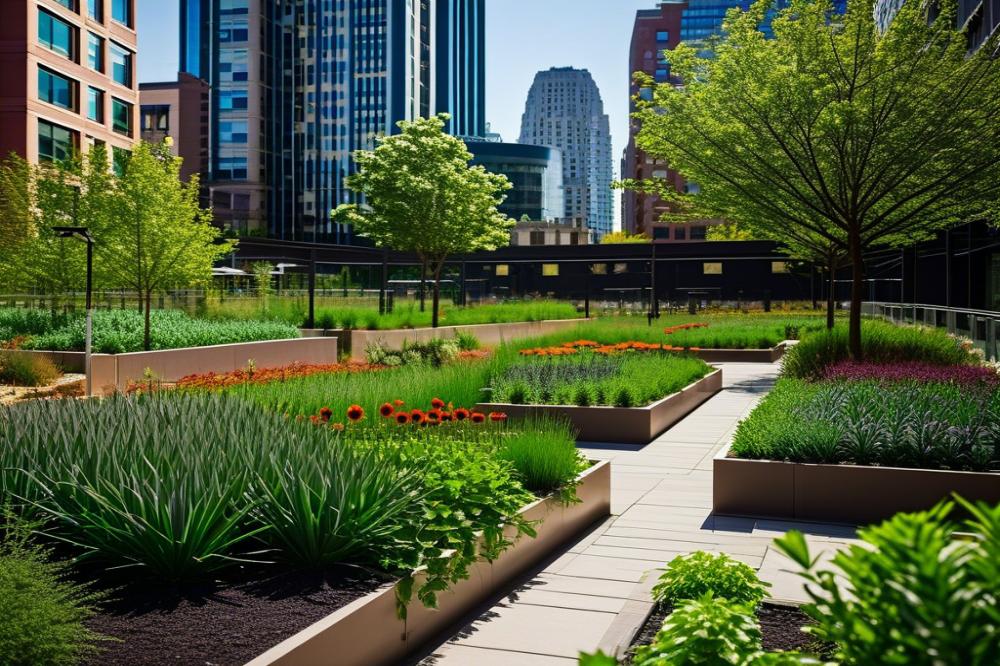
List of Popular Edible Plants Found in Urban Settings
Urban environments provide a surprising array of edible plants. Common dandelions are often overlooked. These cheerful yellow flowers are entirely edible, from root to petal. Purslane, another popular option, thrives in cracks and gardens alike. Its succulent leaves are packed with nutrients. Stinging nettle may sound intimidating, but it can be very tasty when cooked. Moreover, wild garlic brings a delightful flavor, often found near streams or in woodlands.
Hawthorn offers both berries and leaves, which can add flavor to salads. Chickweed grows abundantly in many green spaces; it makes for a great addition to sandwiches. Another easily spotted plant is lamb’s quarters, which resembles spinach but with a unique flavor. All of these options support biodiversity while enriching local cuisine.
Identification Tips and Resources for Foraging Safely
Identifying safe edible plants requires cautious observation. Start by examining leaf shapes, flower colors, and plant sizes. Joining local foraging groups can provide valuable insights. Community gardens often have seasoned foragers who can share their knowledge. Field guides, apps, and online forums are also great resources. Keep in mind that some plants have toxic look-alikes. Always cross-reference before consuming anything new.
When foraging, avoid areas that may contain pesticides or pollutants. urban wildlife can thrive in parks, yet not all spots are safe for gathering. Clean your finds thoroughly before eating them. Ensuring proper identification is key to safe foraging adventures.
Nutritional Benefits and Culinary Uses of These Plants
The culinary potential of urban edible species is vast. For example, dandelion greens add a zesty punch to salads. High in vitamins A and K, they also provide a substantial health boost. Purslane, rich in omega-3 fatty acids, can be used in stir-fries or fresh salads. Stinging nettle makes a nutritious tea, offering iron and calcium benefits.
Hawthorn berries can be turned into jams and jellies, providing a flavorful treat. Chickweed’s mild taste allows it to complement many dishes, while lamb’s quarters can substitute for spinach in various recipes. Utilizing local flora not only enhances meals but strengthens connections with sustainable gardening practices. Embracing these plants can lead to an appreciation for urban ecology and promote healthier eating habits.
Green Spaces and Their Role in Urban Ecology
Importance of Green Spaces for Community Health and Wellbeing
Green spaces play a vital role in urban environments. They offer areas for recreation, relaxation, and social interaction. Studies show that access to parks and greenery can greatly improve mental health. People who spend time outdoors often feel happier and more connected to their communities. This connection boosts overall wellbeing. Additionally, green spaces help reduce urban heat, improving air quality. They also serve as habitats for local wildlife, adding to the area’s natural beauty.
How Edible Plants Can Enhance Urban Green Spaces
Integrating edible plants into city green spaces brings a range of benefits. These plants add an element of interaction and education for residents. People can learn about foraging and the importance of sustainable gardening. Growing food locally reduces the carbon footprint associated with food transportation. Community gardens can thrive with native flora that is both nutritious and beneficial for the environment. They establish an ecosystem that supports biodiversity. These green areas become sites of learning as well as sources of food.
Case Studies of Successful Urban Greening Initiatives
Several cities have made strides with successful urban greening projects. In Toronto, the community built gardens on rooftops and vacant lots. This initiative turned unused spaces into thriving green areas full of edible plants. Residents actively participate in maintaining these gardens. Seattle has also implemented an urban agriculture program. They encourage locals to plant fruits and vegetables, promoting health and nutrition. Both cities show that urban ecology can thrive using local resources. By focusing on community involvement, these projects bolster the health of both residents and the environment.
Community Gardens and Sustainable Gardening Practices
Benefits of Community Gardens Incorporating Edible Plants
Community gardens play a critical role in urban environments. They bring people together, changing empty lots into vibrant green spaces. Incorporating edible plants offers additional benefits. It allows residents to access fresh food without high supermarket prices. This practice can also encourage foraging, connecting people with local flora that might otherwise go unnoticed. When community members cultivate these gardens, they strengthen neighborhood ties. Access to healthy food becomes a shared experience, not just an individual effort.
Sustainable Gardening Practices and Their Ecological Advantages
Sustainable gardening focuses on methods that promote long-term environmental health. This approach reduces chemical pesticide use and conserves water. Composting is a common practice among gardeners wanting to recycle organic waste. Such actions enhance soil quality, helping plants thrive naturally. By choosing to grow diverse species, gardeners support biodiversity. This variety also attracts urban wildlife, creating habitats in the city. When these practices are adopted widely, they contribute to the city’s overall ecological balance.
How to Create and Maintain a Community Garden with Local Flora
Starting a community garden requires planning and collaboration. First, gather interested neighbors to form a committee. Identify a suitable piece of land that can be used for gardening, which is often a vacant lot or a park area. Next, research what edible plants grow well in your region’s climate. Engage the community in creating a design that includes paths and planting areas. Organizing regular meetings helps keep everyone informed and involved.
Maintain the garden through collective efforts. Schedule regular watering, weeding, and harvesting days. Each member can take turns looking after specific plants. Monitoring for pests and diseases is essential, as community gardens can attract challenges. Using natural remedies encourages a healthy ecosystem without harmful chemicals. Planting a mix of crops can prevent the spread of pests while promoting a rich variety of produce. These practices not only preserve urban ecology but also build a sustainable future for the community.
Foraging in the Urban Environment
Exploring urban green spaces can lead to delightful discoveries. Foragers might find edible plants thriving in the most unexpected places. However, responsible foraging is key to enjoying nature while protecting it. Respecting the environment and the community is always a priority.
Guidelines for Responsible Foraging in Urban Areas
Know the rules before you venture out. Many cities have regulations about foraging in public parks and gardens. Take time to learn what is allowed and what isn’t. Always leave enough plants behind for the local wildlife and biodiversity.
Harvesting just a small portion helps maintain ecological balance. Avoid uprooting entire plants or taking flowers that contribute to the area’s beauty. Remember that some neighborhoods cultivate community gardens where foraging might not be welcome. Be sure to show respect and courtesy towards those spaces.
Legal Considerations and Safety Tips for Foragers
Understanding local laws is essential for safe foraging. Some places have strict rules against taking plants without permission. Always check with city regulations to stay informed. Additionally, safety is crucial when identifying edible plants. Use a reliable guide or app to help recognize which plants are safe to eat.
Be cautious of contamination. Avoid areas near busy roads or heavily treated lawns. Urban wildlife can also impact plant safety. Animals may use these areas for nesting or feeding, which introduces risks. Clean any harvested plants thoroughly before using them in meals.
Community Engagement Through Foraging Events and Workshops
Foraging can be a shared adventure. Many communities organize events that focus on local flora and sustainable gardening practices. Participating in these activities builds connections between neighbors. Workshops often teach valuable skills and safety tips too.
Community bonding through foraging nurtures a sense of belonging. Sharing knowledge about urban ecology enriches everyone’s understanding of their environment. Educational foraging events can also promote biodiversity in urban areas. By working together, residents can turn public spaces into thriving ecosystems.
Promoting Urban Ecology Through Edible Native Plants
Urban environments often lack the rich biodiversity found in rural areas. Incorporating edible plants can play a vital role in promoting urban ecology. These plants improve green spaces while providing sustenance for both people and urban wildlife. The connection between city greens and biodiversity conservation is strong. Community gardens flourish when designed with local flora that suits the urban landscape.
When urban planning includes edible plants, the impact can be significant. Green spaces become more than just parks; they can serve as vital habitats for various species. Sustainable gardening practices encourage residents to connect with their environment. Foraging in these areas not only adds to the appeal but also enhances local ecosystems. Communities can grow their food while preserving the natural biodiversity around them.
Moreover, there are ecological advantages to integrating these plants. They require less water and maintenance compared to non-native varieties. Moreover, native species are more resilient and better adapted to the local climate in urban settings. This reduces the need for pesticides and fertilizers, which can harm the environment. Through careful selection of edible flora, urban planners can create multifunctional landscapes.
Future directions for enhancing urban environments should focus on these aspects. Increasing awareness about the benefits of edible plants can lead to more community gardens. Schools and local organizations can play a crucial role in this movement. Workshops on foraging can increase interest and participation among residents. Ultimately, bringing attention to urban ecology will foster a healthier relationship with nature.
Final Thoughts on Urban Edibles and Biodiversity
Native edible plants bring countless benefits to urban environments. They provide fresh food options and contribute to a healthier lifestyle. Residents can enjoy flavors and nutrients that are often missing from store-bought items. These plants are designed to thrive in local settings, needing less water and maintenance than conventional crops.
Engaging with local initiatives focused on these types of greenery is essential. Communities can participate in workshops, plant swaps, or community gardens that feature edible varieties. Your involvement can make a difference. By working together, neighborhoods can create safe and delicious green spaces. It opens doors for people to learn more about the food they consume.
Preserving biodiversity in cities is vital for urban wildlife. These animals often rely on native species for food and shelter. Healthy ecosystems offer balance, which is key for sustaining life. As urban areas expand, it becomes increasingly important to maintain these green spaces. They are not just for humans; the entire ecosystem benefits when we protect diverse flora.
In summary, embracing the presence of safe and edible plants can transform our urban landscapes. Everyone has a role to play in fostering an environment where communities can thrive alongside nature. Take a step today, get involved, and contribute to a greener, healthier city. Our actions will shape cities for generations to come.


