
Introduction
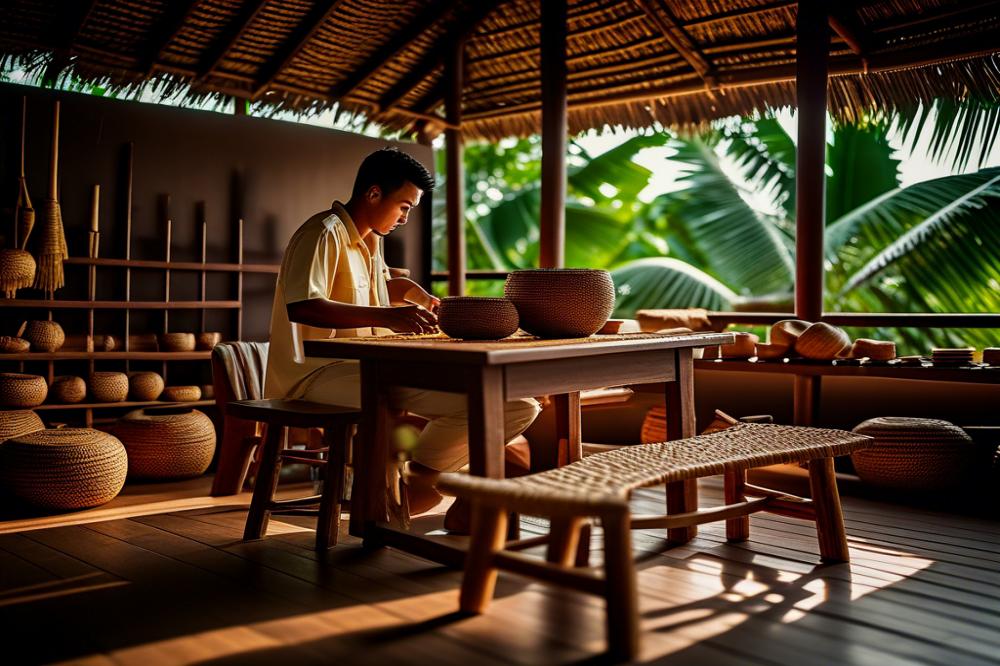
Coconut-Based Furniture holds a special place in the heart of Malaysia. Known for its durability and natural beauty, this type of furniture showcases the resourcefulness of local artisans. Using coconut materials, craftspeople create stunning pieces that reflect their culture and traditions. The significance of this craftsmanship extends beyond aesthetics; it represents a deep connection to nature and heritage.
The rise of sustainable materials in modern design highlights a growing awareness of environmental issues. More people are seeking eco-friendly alternatives that minimize harm to the planet. coconut crafting fits perfectly into this trend, offering a renewable resource that is both functional and visually appealing. With the proper techniques, coconut products can rival conventional options while being kinder to the Earth.
Local craftsmanship thrives in Malaysia where traditional methods coexist with contemporary styles. Many artisan workshops are dedicated to teaching these skills to new generations. Roof Making Classes and furniture design workshops help preserve this important cultural legacy. Participants engage in hands-on training, allowing them to connect with their roots while learning valuable skills.
The blend of craftsmanship and sustainability fosters a sense of pride among those working in these fields. Each piece tells a story, rooted in the rich traditions of the Malaysian people. As more individuals embrace coconut-based projects, they strengthen not only their communities but also their identity. Supporting this movement contributes to a brighter, more sustainable future.
Coconut-Based Furniture

Definition and Types of Coconut Furniture
Coconut furniture refers to items made from parts of the coconut tree. This includes the wood, shells, and even the husks. Many artisans in Malaysia create chairs, tables, and decorative pieces using these materials. Some types of coconut furniture are crafted from the trunk, providing sturdy structures. Other items might utilize the hard shell, which adds a rustic and tropical feel to any space.
Benefits of Using Coconut Materials in Furniture Design
Using coconut materials in furniture design offers several advantages. First, they are sustainable materials that come from a renewable resource. This helps reduce deforestation, a significant environmental concern. Second, coconut wood is naturally resistant to pests. This means it lasts longer than many traditional woods. Furthermore, using local resources supports Malaysian artisans, promoting local craftsmanship. Such efforts can also help create economic opportunities in communities.
Examples of Coconut-Based Furniture Found in Malaysia
In Malaysian markets, you can find various examples of coconut-based furniture. Some shops carry beautifully crafted tables made from coconut planks. Others offer intricately designed chairs featuring woven coconut husks. Artisan workshops across the country often showcase unique pieces, emphasizing traditional methods of crafting. In addition, many of these products are eco-friendly, appealing to environmentally conscious consumers. Visitors can even participate in hands-on training to learn the art of coconut crafting, helping to preserve this rich cultural heritage.
Roofing Techniques with Coconut

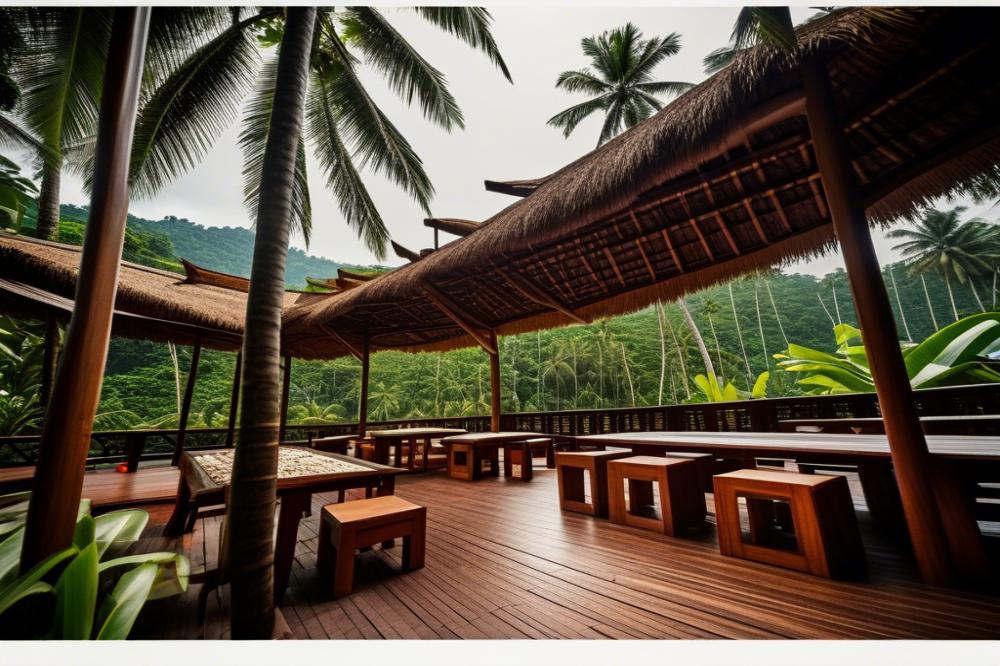
In Malaysia, traditional roofing methods using coconut materials showcase the rich heritage of local craftsmanship. Artisans often utilize coconut leaves, particularly the fronds, to create thatched roofs. This technique dates back generations and provides a deep connection to the land and its resources. By learning these roofing techniques, participants gain insight into the traditional methods that have sustained communities through the ages.
Roofing with coconut materials offers notable advantages in tropical climates. Coconut thatch is lightweight yet resilient, making it ideal for areas prone to heavy rain and strong winds. Moreover, textured coconut roofs help regulate temperature, naturally keeping homes cooler. They insulate effectively, reducing the need for air conditioning. This enhances comfort without harming the environment.
Sustainability plays a significant role in coconut roofing. Using sustainable materials like coconut aligns with eco-friendly principles that many Malaysian communities champion. As a renewable resource, coconuts grow abundantly in the region. Workshops focus on coconut crafting, teaching hands-on training methods that emphasize waste reduction and resource conservation. By embracing these eco-conscious practices, participants contribute to a greener future.
Artisan workshops teach participants about the entire process, from harvesting coconuts to installation. Learning these skills not only fosters appreciation for traditional craftsmanship but also encourages a sense of community. Many people find joy in creating something beautiful and functional while supporting local economies. This approach to roof making highlights both cultural heritage and ecological awareness.
Artisan Workshops and Hands-On Training
Overview of Available Courses in Malaysia
Malaysia offers various artisan workshops focused on coconut crafting. Many of these classes target different aspects of design, such as furniture and roofing techniques. Participants engage with eco-friendly materials from local sources. Workshops are often held in community centers and craft shops across the country. Those interested can choose courses based on their experience and skill level. Beginner, intermediate, and advanced classes cater to different learners.
Structure of the Classes: Duration, Curriculum, and Skill Levels
Classes vary in duration, from a few days to several months. The curriculum often includes both theory and practical sessions. For instance, beginners may learn about the properties of coconuts first. In later sessions, they will practice shaping and assembling components. Advanced classes might delve deeper into furniture design and intricate roofing techniques. Instructors usually have extensive experience in local craftsmanship.
Importance of Hands-On Training and Learning Traditional Methods
Hands-on training is vital in these workshops. Learning through doing fosters a deeper understanding of the materials. It allows students to appreciate sustainable methods passed down through generations. Traditional methods give trainees insights into the time-honored practices of their culture. The experience nurtures a connection to heritage and promotes creativity. Engaging directly with the craft cultivates skills that are often lost in modern environments. Participants walk away not just with knowledge but also with practical abilities.
The Role of Local Craftsmanship
Local artisans play a crucial role in preserving the traditional techniques of coconut crafting in Malaysia. Their skills have been passed down through generations. Many of these artists use sustainable materials, ensuring eco-friendly practices remain at the forefront of their work. This is especially important in today’s world, where the demand for environmentally responsible products is growing.
A strong connection exists between the community and these sustainable practices. Artisan workshops serve as meeting places where people come together. During these sessions, they learn roofing techniques and furniture design that highlight local craftsmanship. This not only helps to keep old methods alive but also empowers individuals with hands-on training.
In the furniture sector, the artistry of coconut-based products stands out. Each piece reflects a blend of creativity and tradition. The use of local materials supports the surrounding environment, making sure that resources are used wisely. Artisans contribute meaningfully to their communities while simultaneously promoting rich cultural heritage.
Moreover, workshops provide a platform for aspiring craftsmen to engage in these traditional methods. Guidance from experienced artisans ensures that learners acquire valuable skills. Attention to detail is emphasized, allowing for the creation of both functional and aesthetically pleasing items. Participants often leave with pride in what they’ve made, as each product tells a story of its own.
Support for local craftsmanship enriches not just the artisans’ lives but the entire community. These practices encourage sustainable living and reinforce the importance of preserving cultural identities. As more people participate in these programs, the legacy of coconut crafting is likely to flourish further.
The Future of Coconut Crafting in Malaysia
Coconut-based furniture and roofing materials hold significant promise in Malaysia. They align beautifully with sustainability goals and offer a path towards environmentally-friendly design. Utilizing local resources reduces the dependence on imported materials, benefiting both the economy and the environment. Additionally, promoting coconut crafting helps preserve traditional skills while providing jobs for local artisans.
Trying out workshops and classes is an excellent way for individuals to engage with this craft. Participants can learn hands-on skills, develop creativity, and even explore new avenues for entrepreneurship. Attending these sessions fosters a sense of community and connection to the rich cultural heritage of Malaysia’s coconut industry.
Looking ahead, the future appears bright for coconut crafting within the realm of sustainable design. As awareness increases about eco-friendly practices, such materials could gain even wider acceptance. This movement not only supports the environment but also honors the traditions passed down through generations. Embracing coconut-related crafts offers a tangible way to contribute to a greener future while celebrating Malaysia’s unique heritage.


