
Overview of the Gulf of California reefs
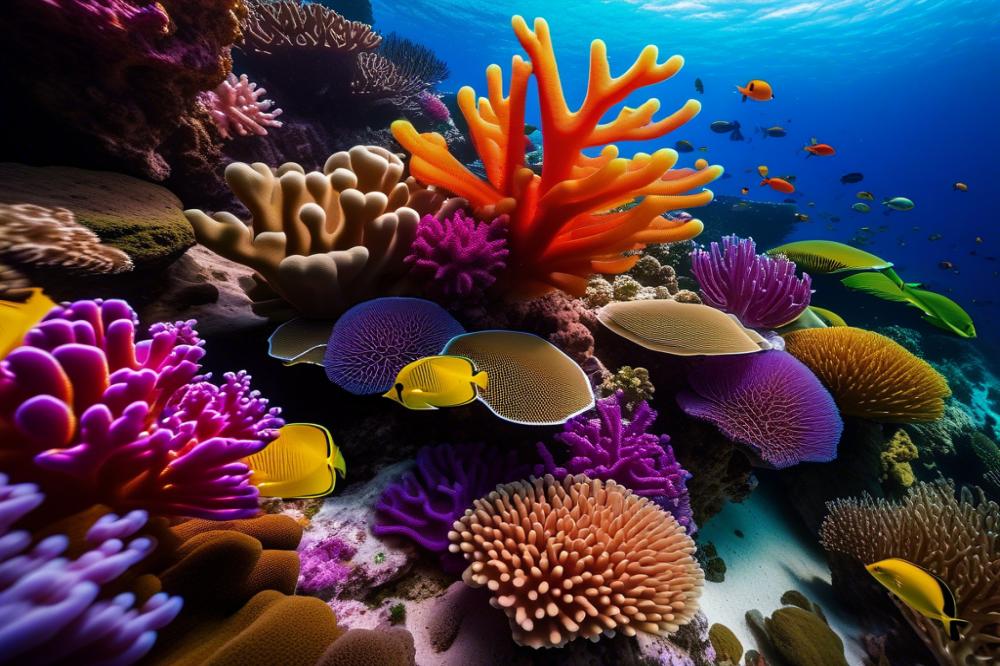
The Gulf of California reefs represent a vibrant and essential ecosystem in Mexico. They are home to diverse marine species and play a vital role in maintaining the health of our oceans. As one of the planet’s biodiversity hotspots, these coral reefs are crucial for numerous marine creatures. They provide shelter, food, and breeding grounds, allowing life in the ocean to flourish.
Importance of marine biodiversity
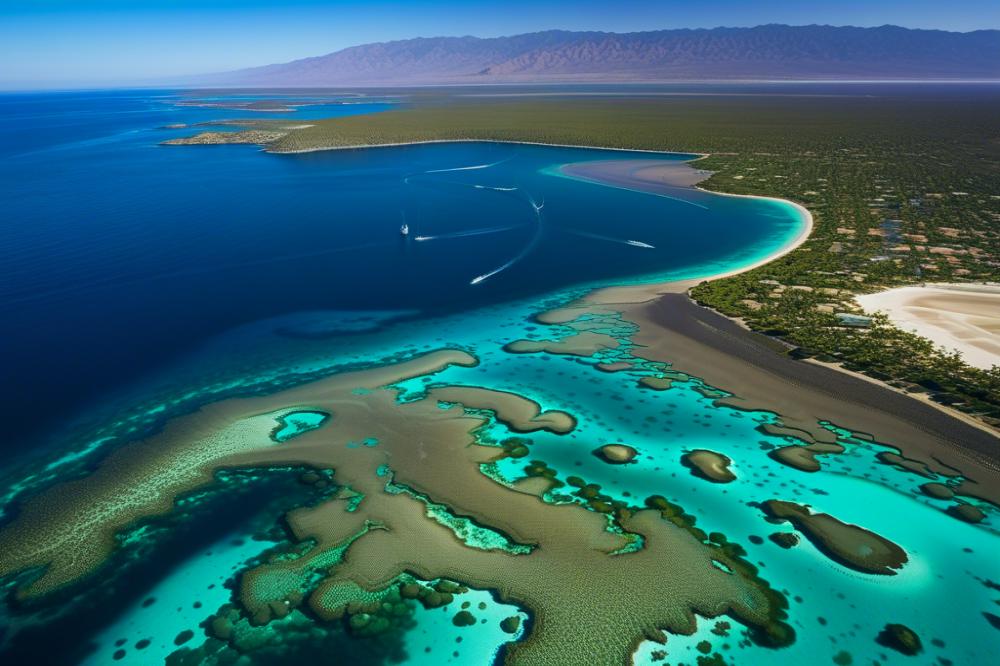
marine biodiversity is fundamental for ecological balance. It supports a variety of life forms, from the smallest plankton to large fish species. Healthy ecosystems help regulate the climate and improve water quality. Increased biodiversity also benefits local communities that rely on fishing and tourism. Without this balance, entire marine populations could face decline due to threats such as climate change.
Focus on conservation strategies
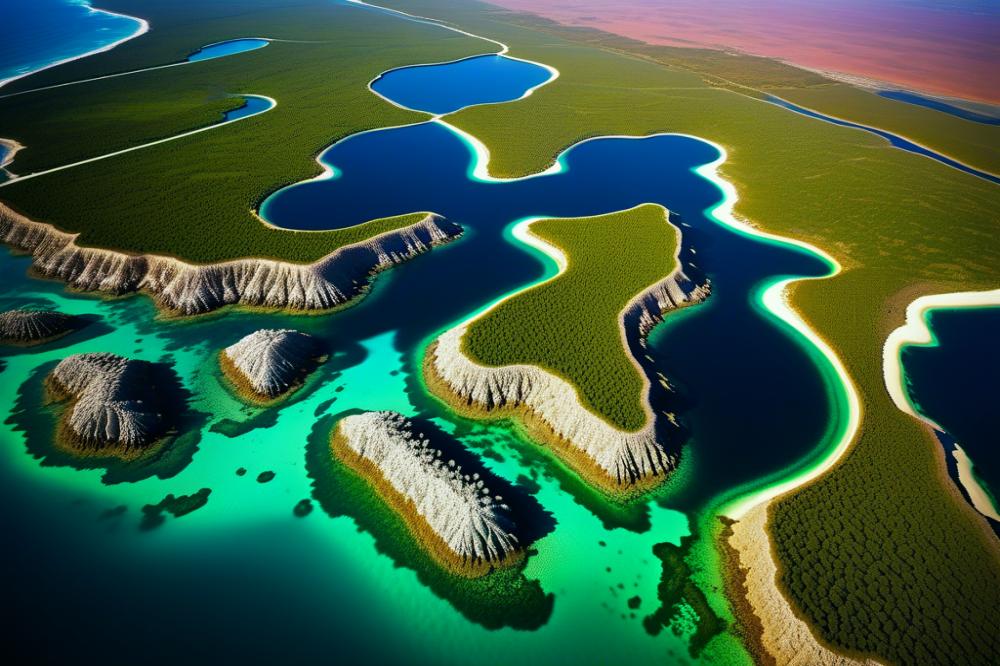
Addressing the challenges facing the Gulf of California reefs requires effective conservation strategies. Protecting these ecosystems means creating marine protected areas, which can safeguard marine life from overfishing and pollution. Habitat restoration projects can also play an essential role. They help restore damaged reefs and increase resilience against environmental stressors. Promoting sustainable fishing practices helps maintain fish populations while supporting local economies.
In conclusion, protecting these reefs is vital for both marine health and community welfare. A concerted effort to implement successful conservation strategies can lead to a brighter future for the Gulf of California and its rich marine biodiversity.
Current State of Gulf of California Reefs
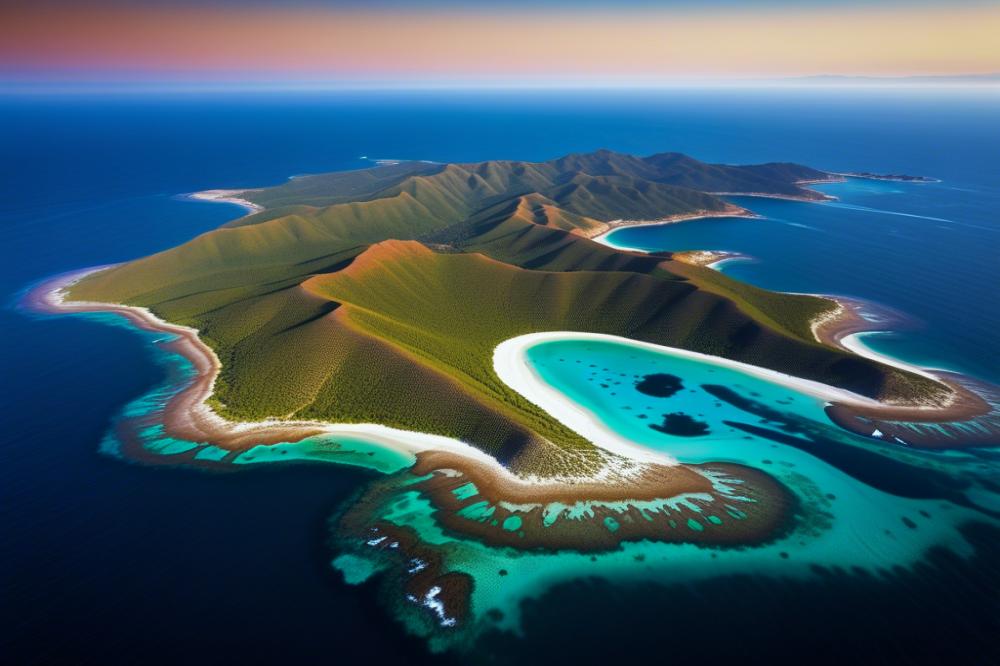
coral reefs are vital structures in marine ecosystems. They act like cities underwater, providing homes for countless marine species. Healthy reefs contribute to the ecological balance of the ocean. The reefs of the Gulf of California are no exception, harboring a wealth of biodiversity. These areas are often referred to as biodiversity hotspots, where a variety of plants and animals thrive together.
Within this marine landscape, many species depend on the reefs for sustenance, shelter, and breeding grounds. Fish, crustaceans, and mollusks all find refuge among the coral formations. Local communities rely on these resources for their livelihoods through sustainable fishing practices. When reefs are healthy, they support not only the marine life but also the economies of these communities.
However, the impact of climate change on reef health is alarming. Rising ocean temperatures lead to coral bleaching, a phenomenon where stressed corals expel the algae living in their tissues. This process can reduce the vibrant colors of the reefs and severely weaken their structure. As a result, marine biodiversity is at risk, and many species face the threat of extinction.
Ocean acidification, another effect of climate change, further threatens these underwater structures. Increased levels of carbon dioxide in the atmosphere dissolve into the ocean, leading to more acidic waters. This acidity hampers the growth of corals, making it difficult for them to rebuild themselves after damage. Because of these environmental changes, the health of the Gulf’s underwater ecosystems continues to decline.
Marine protected areas (MPAs) are one strategy to combat these issues. By establishing zones where fishing and other activities are restricted, we can promote habitat restoration. These areas allow coral reefs to recover and marine species to flourish. Continued efforts in ocean conservation are essential to safeguard the reefs for future generations.
Communities and conservation groups play an important role in these initiatives. They often advocate for better practices that minimize harm to the reefs. Through education and awareness, they can inspire more people to take action. Protecting the Gulf of California reefs requires collective effort and commitment to preserving this rich marine environment.
Threats to Gulf of California Reefs
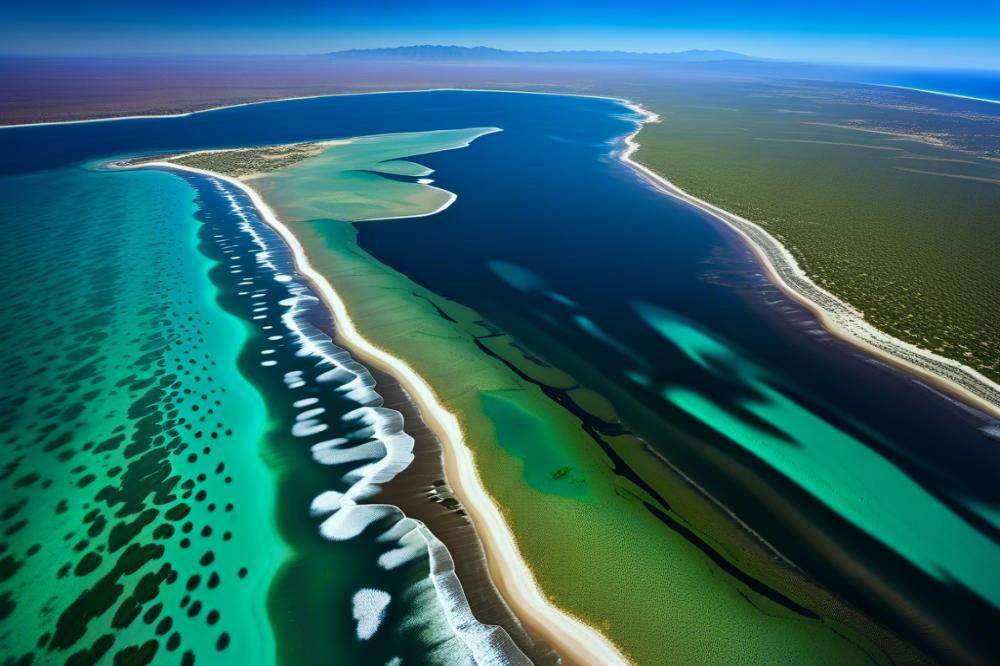
The Gulf of California reefs face numerous threats from human activities. Pollution is a significant problem. Runoff from agriculture introduces harmful chemicals into the water. These pollutants can suffocate coral and disrupt marine biodiversity. Operation of cruise ships and other vessels also contributes to water contamination through oil spills and waste disposal.
Overfishing poses another serious challenge to these vital ecosystems. This practice depletes fish populations, disrupting the ecological balance. Local communities rely on these fish for their livelihood. Unsustainable fishing practices compromise the health of coral reefs. Without enough fish, the reefs struggle to recover and thrive.
Habitat degradation is a critical threat as well. Coastal development reduces the space where marine life can flourish. Mangroves and seagrass beds are often destroyed for construction projects. These habitats are essential for many species that use them as breeding grounds. Loss of such areas contributes significantly to declining reef health.
Effects of Climate Change
Climate change brings alarming effects to the marine environment. Rising temperatures lead to coral bleaching, a process where corals lose their vibrant colors and become more vulnerable. Ocean acidification also impacts coral reefs. Increased levels of carbon dioxide in the atmosphere lower the pH of seawater. This change can inhibit coral growth and reduce overall reef resilience.
These conditions threaten the Gulf’s status as a biodiversity hotspot. Marine protected areas can play an important role in conservation efforts. However, if climate change goes unchecked, even these efforts may not be enough. Sustainable fishing must be prioritized to support the overall health of marine ecosystems.
The Role of Unsustainable Fishing Practices
Unsustainable fishing practices are particularly damaging to coral ecosystems. Techniques such as blast fishing and cyanide fishing destroy both fish and coral. These methods can lead to immediate declines in fish populations. Additionally, they have long-term impacts on the entire habitat, making recovery difficult.
In contrast, promoting sustainable fishing can help protect these delicate ecosystems. Practices such as catch limits and seasonal restrictions allow fish populations to rebound. These strategies not only benefit local communities but also enhance ocean conservation. Rebuilding fish stocks can aid in the restoration of healthy coral reefs, contributing to the overall vitality of the Gulf.
Conservation Strategies and Initiatives
Establishment of Marine Protected Areas (MPAs) to Safeguard Reefs
Marine protected areas play a crucial role in the preservation of coral reefs. By limiting activities like industrial fishing and tourism, these zones create safer environments for marine life. Protection helps maintain marine biodiversity, allowing species to thrive without human interference. Through these efforts, ecosystems can recover from past damage and restore ecological balance. Various organizations are working together to identify and designate areas in the Gulf of California that require immediate protection.
Importance of Habitat Restoration and Ecological Balance
Habitat restoration initiatives focus on rehabilitating damaged reef systems. These efforts can include replanting coral and creating artificial reefs to encourage marine life. Healthy coral reefs act as vital ecosystems supporting numerous species. They also protect coastlines from erosion and improve water quality. Addressing climate change impacts is essential as rising sea temperatures threaten reef health. Sustainable fishing practices contribute to this goal, ensuring fish populations remain stable and ecosystems resilient.
Promoting Ocean Conservation Education Among Local Communities
Educating local communities is a key element in conservation initiatives. When people understand the importance of their marine environment, they are more likely to support protective measures. Workshops, school programs, and community events can raise awareness about marine biodiversity. Engaging locals allows them to share their knowledge and experiences, fostering a sense of ownership. Collaborative efforts encourage the buy-in from residents, as they can see the direct benefits of preserving their oceans.
Through a combination of MPAs, restoration practices, and community education, there is hope for the future. A concerted effort can lead to a more sustainable relationship between people and the ocean, ensuring vibrant, healthy ecosystems for generations to come.
Sustainable Fishing Practices
Integrating sustainable fishing into reef conservation is essential for maintaining marine biodiversity. This method prioritizes practices that protect the fish populations and the coral reefs they inhabit. Overfishing exhausts fish stocks and damages habitats. By adopting responsible methods, we can help safeguard these underwater ecosystems.
Benefits of Community-Based Resource Management
Local communities play a significant role in managing their resources. Empowering these groups can lead to better protection of marine environments. When residents have a stake in their natural resources, they are more likely to engage in effective stewardship. Involving fishermen in decision-making helps create a balance between livelihoods and conservation efforts. This approach not only supports the ecology but also boosts local economies.
Strategies for Reducing Bycatch and Promoting Responsible Consumption
Bycatch refers to the unintended capture of non-target species. It poses a major threat to marine ecosystems. Implementing better fishing gear and techniques can minimize bycatch. Net designs that allow smaller fish to escape may prove beneficial. Training fishermen on these practices can lead to more responsible consumption habits among consumers, too. Educating the public about sustainable seafood choices encourages demand for responsibly sourced items.
Additionally, establishing marine protected areas creates safe havens for diverse marine life. These zones allow fish populations to recover and thrive, supporting coral reefs and other habitats. Monitoring these areas ensures compliance and reinforces their ecological balance over time. Collectively, these strategies foster resilience in the face of climate change and help maintain the Gulf’s biodiversity hotspots.
Community Involvement and Education
Engagement of local communities in conservation efforts is critical. They possess valuable knowledge about their surroundings. By involving them, initiatives stand a better chance of success. Efforts to promote sustainable fishing often rely on these relationships. Fishermen know the waters best and can aid in protecting fragile ecosystems.
Education plays a vital role in enhancing awareness about marine biodiversity. Schools and local organizations can provide training workshops. Such programs inform people about the importance of coral reefs and the threats they face. By teaching kids and adults alike, the community becomes guardians of their ocean. Increased awareness helps counteract issues like climate change and ocean acidification.
Many successful local initiatives demonstrate the impact of community involvement. For example, a partnership between fishing cooperatives and environmental NGOs led to the creation of marine protected areas. These zones have shown a marked improvement in fish populations and overall marine health. Habitat restoration projects along the coastline also benefit from local participation. Residents often take pride in nurturing their environmental treasures.
A fascinating initiative involves students participating in coral planting activities. Schools take field trips to the reefs, where they learn about conservation firsthand. These experiences foster appreciation and responsibility. Community members also engage in beach clean-up days. Such actions keep their environment clean while educating about plastic pollution.
These examples highlight how grassroots efforts can make a difference. Collaborative approaches create a sense of ownership over marine resources. This connection often encourages more sustainable practices among local fishermen and families. As communities collectively face climate change challenges, sharing knowledge is essential. Local stakeholders play a pivotal role in maintaining ecological balance.
Future Directions for Conservation
Ocean conservation efforts are more crucial than ever. Emerging research is opening doors in how we approach reef protection. Scientists are exploring innovative techniques to support marine biodiversity. Technologies like remote sensing and underwater drones help monitor reef health. These tools provide data that is essential for understanding threats to coral reefs.
Policies can play a significant role in enhancing marine conservation. Establishing more marine protected areas can create safe havens for marine life. Support for sustainable fishing practices is vital and can reduce stress on these ecosystems. Local communities can be engaged in these efforts. Their hands-on knowledge can lead to effective habitat restoration initiatives.
Climate change remains a substantial challenge. Rising ocean temperatures and acidification threaten the ecological balance of marine hotspots. Collaborative policies that address climate impacts are necessary. Countries bordering the Gulf need to work together. Coordinated actions can amplify individual conservation efforts, creating a more united front.
International collaboration is fundamental for the future of these reefs. Partnerships between governments, NGOs, and researchers foster innovative solutions. When diverse stakeholders unite, they can share resources and strategies. This collective approach brings together varied expertise and experiences, fostering a more resilient marine environment.
As we look ahead, maintaining the rich marine biodiversity of the Gulf requires commitment. Engaging local communities creates a sense of stewardship. When people feel a connection to their environment, they tend to protect it. Future conservation strategies will thrive only if they include those who rely on these resources. Active involvement from everyone leads to lasting change.
Final Thoughts on Conservation Strategies
Protecting the Gulf of California reefs is crucial for several reasons. First, these vibrant ecosystems support a rich array of marine biodiversity. The health of coral reefs directly impacts fish populations and, by extension, local communities that depend on fishing for their livelihoods. Effective conservation strategies must take into account not just the reefs themselves but also the people who rely on them.
Emphasis should be placed on collaboration among stakeholders. Policymakers, conservation organizations, and local communities need to unite for meaningful change. Each group plays a vital role in crafting policies that can safeguard these reefs. Education also plays a critical part. Raising awareness about the threats facing marine ecosystems can motivate individuals to take action.
Future generations rely on the choices made today. If proactive measures are not taken, we risk losing these irreplaceable underwater treasures. Urgent action is needed to protect this environment from issues like pollution, overfishing, and climate change. The time to act is now.
Community engagement is essential for sustaining any conservation efforts. Citizens can participate in local clean-ups or advocacy programs. When communities work together, they can create a ripple effect that spreads awareness and promotes environmental stewardship. Collaboration at all levels can lead us toward protecting and revitalizing our oceans.
Everyone has a part to play. Together, we can strengthen our commitment to preserving these precious coral reefs. Each small step contributes to the greater goal of a healthier ocean, ensuring that both the reefs and the communities depending on them can thrive for generations to come.


