
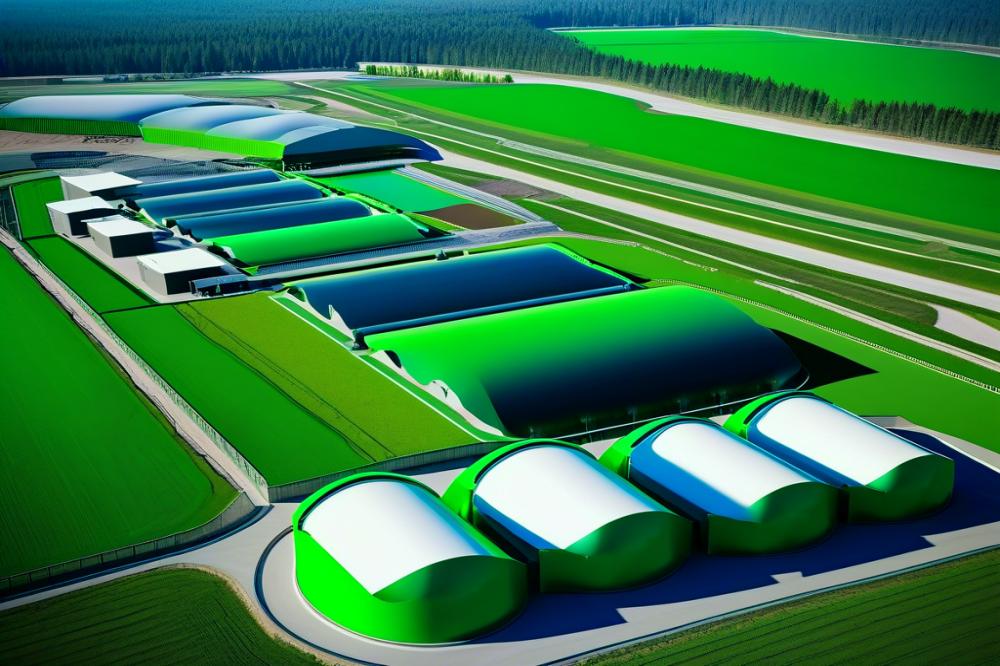
Converting Biosolids into Energy: A New Frontier in waste management
Biosolids are a byproduct of wastewater treatment. They consist of organic matter that has been broken down and stabilized. Properly managed, these materials are crucial in waste management. They help reduce overall landfill use and promote ecological health.
Converting biosolids into energy has become increasingly important. This process transforms organic waste into valuable biogas, which can be utilized as a renewable energy source. Such advancements align with growing efforts in environmental sustainability, addressing energy needs while minimizing ecological impacts.
A key component of this transformation is anaerobic digestion. In this process, microorganisms break down organic material without oxygen. It not only produces biogas but also helps with resource recovery and nutrient recycling. This means that instead of simply disposing of waste, we are able to harness it.
The concept of waste-to-energy fits snugly within the circular economy framework. It symbolizes innovation in green technology. By recycling nutrients from biosolids, we can create sustainable practices that benefit both the environment and society. In addition, this method reduces reliance on fossil fuels. It opens new doors for cleaner energy alternatives.
Engaging in biosolids energy production can pave the way for enhanced waste management initiatives. As environmental challenges grow, adopting these methods will become more vital. Furthermore, this shift helps communities transition towards a more sustainable future.
biosolids energy: A Comprehensive Approach
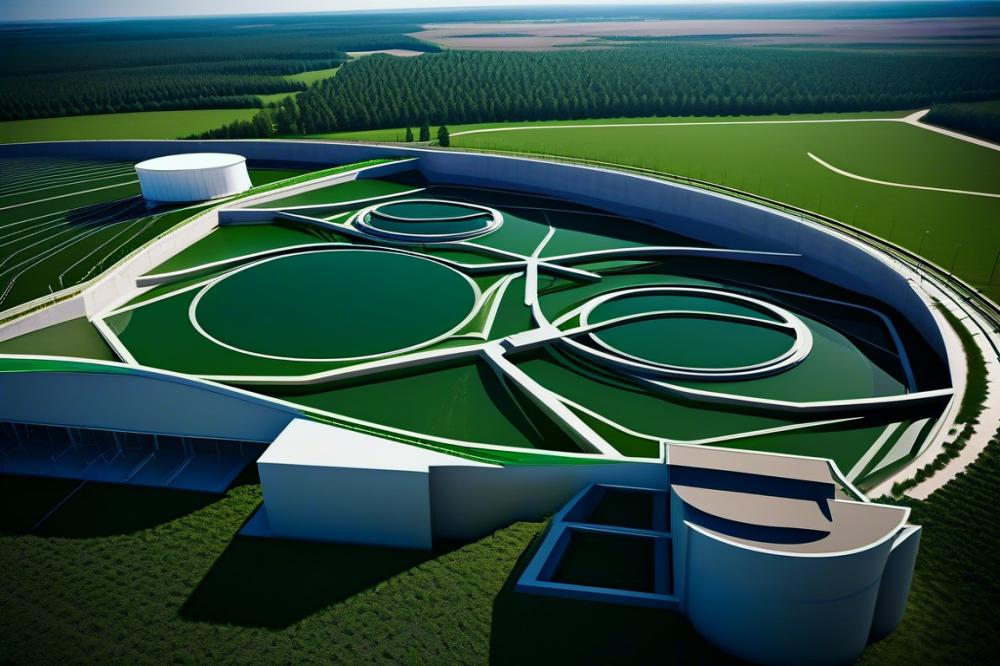
Definition of biosolids and their sources
Biosolids are solid organic materials derived from the treatment of sewage. They often come from wastewater treatment plants. Most biosolids are rich in nutrients, which can benefit soil health. Various processes disinfect these materials to make them safe for use. Sources of biosolids include residential, industrial, and agricultural wastewater. Understanding their origins helps us appreciate their potential.
Current methods of biosolid disposal
Disposing of biosolids traditionally involves landfilling or incineration. Each method has its drawbacks. Landfills can lead to methane emissions, a potent greenhouse gas. Incineration may reduce volume but releases pollutants into the atmosphere. Other tactics include land application, where biosolids are spread on fields. However, this method must be balanced against potential soil contamination.
Introduction to biosolids energy and its benefits
Biosolids can be transformed into energy through techniques like anaerobic digestion. This process creates biogas, which is a renewable energy source. Using biosolids energy helps in resource recovery. It turns waste into a valuable product instead of just discarding it. Moreover, this practice aligns with the principles of a circular economy. Nutrient recycling benefits agriculture as it reduces chemical fertilizers. Environmental sustainability improves when we capture and utilize energy. By embracing this green technology, communities can significantly lessen their carbon footprint.
Relationship with renewable energy targets
Incorporating biosolids into energy production can help meet renewable energy goals. Governments worldwide are promoting clean energy sources. Utilizing waste-to-energy methods is a crucial strategy. As cities expand, the amount of biosolids increases as well. Therefore, creating energy from these resources supports long-term energy planning. This approach not only addresses waste management but also strengthens energy independence. By converting waste to energy, we contribute to a more sustainable future.
Technologies for Converting Biosolids into Energy

Overview of Anaerobic Digestion as a Key Technology
Anaerobic digestion serves as a pivotal technology in converting organic waste into valuable resources. This process uses microorganisms to break down biodegradable material without oxygen, resulting in the production of biogas. Facilities adopting this method can significantly reduce the volume of waste, leading to a more efficient waste management system. It creates an environment where renewable energy can be harnessed from what was once considered refuse.
Biogas Production and Its Applications
Biogas is a byproduct of anaerobic digestion, primarily composed of methane. This substance can be a game changer in the energy landscape. It can be used for heating, electricity generation, or even as a vehicle fuel. Communities are beginning to recognize the potential of biogas for resource recovery. Not only does it provide an alternative energy source, but it also helps in reducing greenhouse gas emissions. The application of biogas promotes environmental sustainability by mitigating waste and harnessing energy from it.
Comparison with Other Sludge Treatment Methods
Looking at sludge treatment options, anaerobic digestion stands out compared to conventional methods. Incineration and landfilling are common alternatives, but they come with significant drawbacks. Incineration can produce harmful emissions, while landfilling leads to leachate and long-term land use issues. Anaerobic digestion not only minimizes environmental impact, it also generates energy. In terms of practicality, it is more aligned with the principles of a circular economy, where waste is seen as a resource rather than a liability.
Role of Green Technology in Enhancing Efficiency
Green technology plays a critical role in optimizing anaerobic digestion processes. Innovations in this field can boost the efficiency of biogas production. Sensors and automated systems can monitor conditions closely, ensuring optimal performance. Additionally, advancements in pre-treatment methods can enhance the breakdown of organic materials. This not only accelerates energy recovery but also promotes nutrient recycling. Embracing these technologies supports a sustainable approach to waste-to-energy initiatives, leading us toward better environmental stewardship.
Environmental Sustainability and Resource Recovery
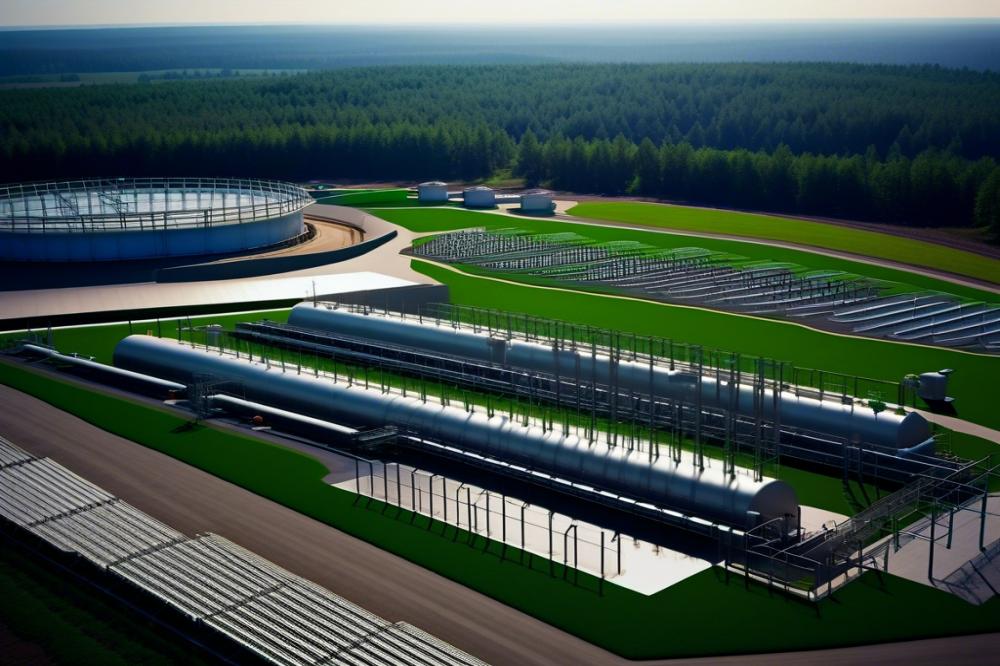
Converting biosolids into energy provides significant environmental benefits. One major advantage is the reduction of greenhouse gas emissions. Sludge treatment through anaerobic digestion captures methane, a potent greenhouse gas. Instead of allowing it to escape into the atmosphere, it gets transformed into biogas. This biogas can then be utilized as a renewable energy source, reducing our reliance on fossil fuels.
Nutrient recycling plays a critical role in soil health. By returning nutrients from biosolids back into the earth, we improve the fertility of farmlands. Utilizing these valuable resources helps reduce the need for chemical fertilizers. Enhanced soil quality leads to better crop yields. It’s a win-win situation for both farmers and the environment.
Waste-to-Energy and the Circular Economy
Waste-to-energy practices fit perfectly within a circular economy framework. By efficiently converting waste materials into energy, we close the loop in resource recovery. This approach minimizes waste and maximizes resource use, promoting a sustainable environment. Implementing such technologies shows a commitment to green technology. With every ton of biosolids processed, there are fewer resources wasted and a greener future ahead.
Case Studies Demonstrating Environmental Improvements
Several case studies reveal the positive effects of biosolids energy projects. In one community, implementing anaerobic digestion reduced landfill waste by 50%. The reduction in methane emissions was staggering. Another city used biosolids to create compost, helping to restore local soil health. These successful projects are examples that others can follow. They serve as an inspiration for future advances in waste management.
Challenges and Opportunities in Biosolids Energy
Barriers exist that limit the widespread adoption of technologies converting biosolids into energy. Significant costs often deter municipalities from investing in these solutions. Initial investments can be daunting, particularly for smaller communities. Moreover, the long-term benefits can be hard to quantify upfront, which adds to the hesitancy.
Public perception plays a crucial role in these hurdles. Stigma surrounding waste materials can create apprehension, making people wary of the processes involved. Residents may question the safety of treatments like anaerobic digestion or worry about odor issues from sludge treatment facilities. Educating the public on the environmental sustainability benefits of these technologies is vital to overcoming such fears.
Regulatory and Public Perception Issues
Regulatory frameworks remain complex and sometimes outdated, leading to further confusion. Agencies must provide clear guidelines to foster innovation while ensuring safety. Streamlining regulations could lead to faster implementation of waste-to-energy projects.
Emerging trends indicate a growing interest in resource recovery and nutrient recycling approaches. Innovations in green technology offer solutions that can transform biosolids into valuable resources. Companies are exploring advanced anaerobic digestion methods for more efficient biogas production. These advancements can result in cleaner energy generation and better management of waste streams.
Emerging Trends and Innovations in the Field
Progress is being made with projects that integrate circular economy principles. Many municipalities aim to close the loop on waste by using biosolids as a resource. This shift not only reduces waste but also creates renewable energy options for communities.
The potential for investment in this sector is on the rise. Venture capitalists are increasingly focusing on biotechnology and green technology startups. This investment trend aligns with the global push for sustainable practices and climate change solutions.
As more successes are showcased, optimism will pave the way for future growth. Bioenergy projects can contribute to local economies, especially when they provide jobs. By investing in biosolids conversion technologies, communities can become leaders in the renewable energy movement.
Closing Thoughts on Energy from Biosolids
Summary of Importance
Converting biosolids into energy represents a crucial shift in waste management. This practice not only addresses the challenges of waste disposal but also helps reduce landfill use. By transforming organic waste into renewable energy, we can harness resources that would otherwise go to waste. Biogas generated from the breakdown of biosolids can serve as a clean energy source, contributing to a more sustainable future. Such initiatives can lead to reduced greenhouse gas emissions, which is vital for our planet’s health.
Future Outlook in environmental engineering
Looking ahead, the potential for advancement in this field is promising. As technologies improve, we can expect more efficient methods for extracting energy from biosolids. Future innovations may lead to better systems that minimize costs while maximizing energy output. Research and development will be essential to overcome current barriers and to optimize the processes involved. Moreover, partnerships between public and private sectors could spark new ideas and investment in these solutions.
Call to Action
It is crucial for communities and stakeholders to support initiatives that promote this waste management paradigm. Encouraging local governments to adopt energy recovery systems can initiate real change. Education on the benefits of biosolids energy should gain traction at all levels. Citizens must advocate for sustainable practices within their communities. Each step taken towards embracing this innovative approach not only benefits the environment but also paves the way for a healthier future. Let’s work together to advance this important mission.


