Creating a backyard food canopy: vines and climbers That Produce the Best Harvests
Establishing a backyard food canopy can transform your outdoor space into a vibrant garden of edible plants. This innovative gardening method focuses on using vertical spaces to grow fruits and vegetables. With a variety of vines and climbers, gardeners can maximize their yields without requiring extensive land. Such a practice not only beautifies your yard, but it also contributes to sustainable gardening practices.
Vertical gardening holds a plethora of benefits. First, it saves space. By growing plants upwards rather than outwards, even a small area can produce a significant amount of food. Home gardening becomes much more attainable for people with limited room. Additionally, climbing plants can be easier to maintain. Less bending and kneeling is required, which can make the gardening experience more enjoyable for everyone.
Another advantage lies in the advantages these plants offer. High-yield crops like tomatoes and beans thrive on supports, maximizing their potential. Such fruits and vegetables not only provide nourishment but also create an inviting atmosphere. Those who explore eco-friendly practices will find that organic gardening fits well with the philosophy of vertical gardening. Fresh produce can be grown right outside your door, making it convenient for meal preparation.
This article will delve deeper into the types of vines and climbers that yield the best harvests. You will encounter gardening tips to help you effectively care for these plants. You may also learn about specific fruiting vines and vegetable climbers suited for varying climates and conditions. With this guidance, you can enjoy the fruits of your labor, literally.
Understanding the Concept of a Backyard Food Canopy
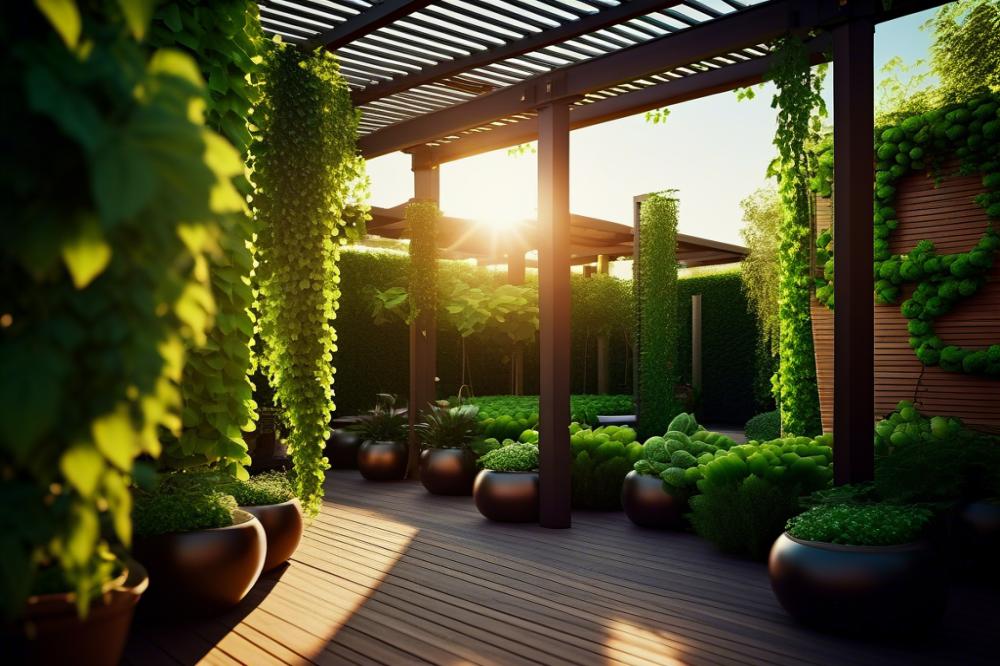
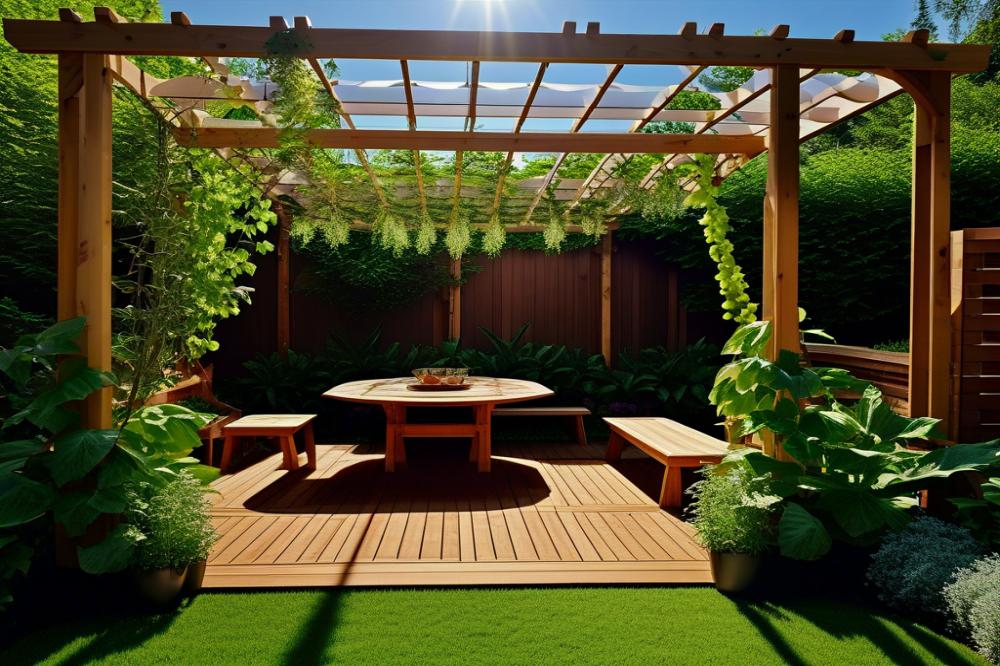
Vertical gardening is a method that allows plants to grow upward rather than outward. This technique is especially relevant for those with limited space. By creating a structure for climbing plants, you can transform your backyard into a thriving food canopy. It opens up more area for planting while maximizing sunlight exposure for your crops.
Using vines and climbers can greatly enhance your home gardening experience. These plants often produce high-yield crops that give you more produce from less ground space. edible plants like tomatoes, cucumbers, and beans can thrive on vertical supports. You can harvest fruits and veggies without needing extensive garden beds. This space-saving gardening approach makes it possible to enjoy fresh food even in smaller locations.
Practicing sustainable gardening is vital in today’s environment. Employing vertical systems encourages organic gardening techniques. You can reduce the need for pesticides and other chemicals by using natural methods. Additionally, a food canopy can help in managing rainwater and minimizing soil erosion. Choosing fruiting vines and vegetable climbers promotes biodiversity. This strategy can attract beneficial insects, which can be essential for pollination.
Gardeners are often advised to consider the local climate and planting conditions. Researching specific varieties of climbing plants can lead to more productive results. With thoughtful planning, you can enjoy gardening tips that focus on maximizing yields while being eco-friendly. A well-designed vertical garden will not only look good but will also contribute to a healthier planet.
Choosing the Right Edible Plants for Your Food Canopy

Overview of High-Yield Crops Suitable for Vertical Growth
Many gardeners are turning to vertical gardening to maximize space. This method allows for more efficient use of sunlight and moisture. High-yield crops offer a great way to get more produce from limited areas. When selecting plants, focus on those that are naturally inclined to climb or spread upwards. This not only helps in managing garden space but also increases harvest potential.
Top Fruiting Vines for a Backyard Canopy
Fruiting vines can transform your garden into an abundant source of food. Options such as grapevines are renowned for their productivity. They require sturdy supports but reward you with delicious clusters of grapes throughout summer. Another popular choice is the kiwifruit. Its lush foliage can provide shade while offering sweet and tangy fruit. For subtropical regions, consider the passion fruit vine. It grows vigorously and yields vibrant, aromatic fruits that are sure to impress.
Best Vegetable Climbers for Space-Saving Gardening
Vegetable climbers are invaluable for those looking to conserve ground space. Cucumbers and pole beans are two fantastic options. Their ability to grow vertically means you can harvest more without taking up too much room. Snap peas also thrive and can be simply trained to grow upwards. Finally, consider summer squash. It can be trained along a trellis, allowing for easy picking while showcasing its large, colorful blooms.
Considerations for Climate and Growing Conditions
Every plant has its specific needs. Understanding your local climate is essential to successful gardening. Some crops thrive in warm, sunny areas, while others prefer cooler temperatures. Soil type and drainage are also crucial components. Many plants flourish with good organic matter mixed into the soil. When planning your edible garden, research which varieties perform best in your area. This ensures a fruitful harvest season.
Essential Tips for Planting and Maintaining Your Food Canopy
Soil Preparation and Amendments for Organic Gardening
Preparing soil is crucial for successful home gardening. Start by testing your soil’s pH level. Most edible plants thrive in slightly acidic to neutral soil, typically between 6.0 and 7.0. Adding organic matter, like compost or well-rotted manure, can improve soil structure and provide essential nutrients. Mixing in these amendments helps promote healthy root systems. Be generous with nutrients as they feed climbing plants throughout their growth cycle.
Optimal Support Structures for Climbing Plants
Support is key for vertical gardening. Trellises, arbors, and fences work well to support fruiting vines and vegetable climbers. Choose materials that can withstand the weight of mature plants. Wooden structures provide a rustic look but may require regular maintenance. Metal frames offer durability and often require less upkeep. Position the support system early. This allows climbing plants to reach for the sky without hinderance.
Watering and Fertilizing Techniques for High Yields
Watering practices play a vital role in achieving high-yield crops. Consistency is essential, particularly during dry spells. Aim for deep watering, which encourages deep root growth. Installing a drip irrigation system could be beneficial, as it delivers moisture directly to the roots. Fertilizing should be regular, especially as plants begin to flower and set fruit. Organic fertilizers like fish emulsion or compost tea can invigorate growth without harming the environment.
Pest Management Strategies in a Vertical Garden
Dealing with pests can be challenging in vertical gardens, but effective strategies exist. Regularly inspect plants for signs of trouble. Early detection is vital for managing infestations. Consider introducing beneficial insects such as ladybugs to control pests naturally. Companion planting can also deter unwanted guests, as some plants repel specific insects. Organic sprays like neem oil are a safe way to handle outbreaks when necessary. Always remember, prevention is better than treatment.
Maximizing Your Harvest: Companion Planting and Crop Rotation
Companion planting involves growing different plants together for mutual benefits. This method works well in vertical gardening. Vines and climbers can thrive when paired with specific companions. Certain combinations deter pests while others enhance growth and flavor. Strong-smelling herbs, like basil and mint, can ward off pests that frequently target edible plants.
The Principles of Companion Planting for Climbers
When planning your backyard food canopy, consider how plants interact. For instance, tall, sturdy climbers can provide shade for lower-growing vegetables. Squash plants, which spread widely, work well at the base of climbing beans. This setup creates a microclimate that benefits all plants involved. Healthy interactions lead to stronger harvests. Every climber has unique needs, including light and water. Keep these factors in mind when pairing plants.
Suggested Pairings for Better Growth and Flavor
Some pairings just shine in the garden. Tomatoes are often best friends with basil, enhancing each other’s flavors. Cucumbers and nasturtiums can thrive side by side, with nasturtiums repelling harmful insects. Additionally, climbing peas and potatoes can co-exist peacefully. Peas fix nitrogen in the soil, benefiting the potatoes. With proper selection, your yields can multiply. Taste and nutritional value will also often be improved by these combinations.
Benefits of Crop Rotation in Vertical Gardening
Crop rotation promotes soil health and reduces disease. It’s wise to alternate different families of plants each season. For climbers, this might mean switching between legumes, squashes, and tomatoes yearly. Such practices help maintain soil fertility. Additionally, rotating can minimize pests that build up in the soil over time. Space-saving gardening can greatly benefit from these techniques. Each growing season brings new opportunities to maximize yields and maintain sustainability.
Harvesting and Enjoying Your Backyard Food Canopy
When it comes to harvesting fruits and vegetables from your vertical garden, timing is key. Fruits like tomatoes and cucumbers should be picked when they are fully colored and slightly firm. For squash and beans, choose them while they are still young for the best flavor. Run your fingers along the stems and feel for ripeness. This simple technique can save you from overripe produce.
Every gardener knows that enjoying your harvest goes beyond just picking. Use fresh herbs like basil and mint to enhance your meals. Toss homegrown tomatoes into salads or make a vibrant sauce. Grilled zucchini paired with garlic can light up the grill. Consider making smoothies with berries right off the vine for a burst of flavor. These simple choices increase the joy of eating what you’ve grown.
Preserving your fresh produce can extend your enjoyment well into the winter months. Canning is a popular method for tomatoes and pickles. Freezing is another effective way to keep sweet peppers or corn. Just make sure to blanch vegetables briefly before freezing to lock in nutrients. Invest some time in learning about organic gardening methods to keep your food safe.
Don’t forget about storage. An excellent way to store onions and garlic is in a cool, dark, and dry place. This technique will prolong their shelf life. Leafy greens are best stored lightly wrapped in a damp paper towel and placed in a perforated bag. This keeps them fresh for longer. Utilize every bit of your kitchen space to create a system that works for you.
Wrapping Up Our Vertical Gardening Adventure
The benefits of creating a vertical garden in your yard are many. A well-planned food canopy can save space while offering a delightful and productive environment. Not only can you grow a variety of edible plants, but these climbers and vines can also create a lush, green backdrop. This adds beauty to your space and provides vital food sources straight from your garden. Fostering an ecosystem in your backyard encourages biodiversity and supports pollinators.
Don’t hesitate to start growing upward. Vertical gardening is an accessible form of sustainable gardening that fits into any lifestyle. It’s a joyful way to connect with nature. By cultivating climbers, you can maximize your harvest while minimizing your footprint. Delve into this innovative method and watch your garden flourish. Gardeners of all skill levels can find success with the right approach and a little patience.
Remember, it’s not just about the food you grow; it’s about the practices that support our planet. Embracing sustainability in your home garden can lead to improvements not only for your health but also for the environment. Whether you are planting beans, cucumbers, or flowers, treating your garden as an extension of your home will yield vibrant results. So grab your trellises and your seedlings—your edible oasis awaits.