Growing Crunchy Cucumbers: An Introductory Guide
Growing your own food has become increasingly important in today’s world. Many people are seeking to take control of their diets and reduce reliance on store-bought produce. One of the most rewarding vegetables to cultivate is the cucumber. This crunchy delight can be enjoyed in salads, sandwiches, or even on its own as a healthy snack.
Cucumbers offer numerous benefits. They are low in calories and high in water content, making them perfect for hydration. Fresh, organic cucumbers also provide essential vitamins and minerals. By growing your own supply, you have access to fresh produce that is free from harmful pesticides.
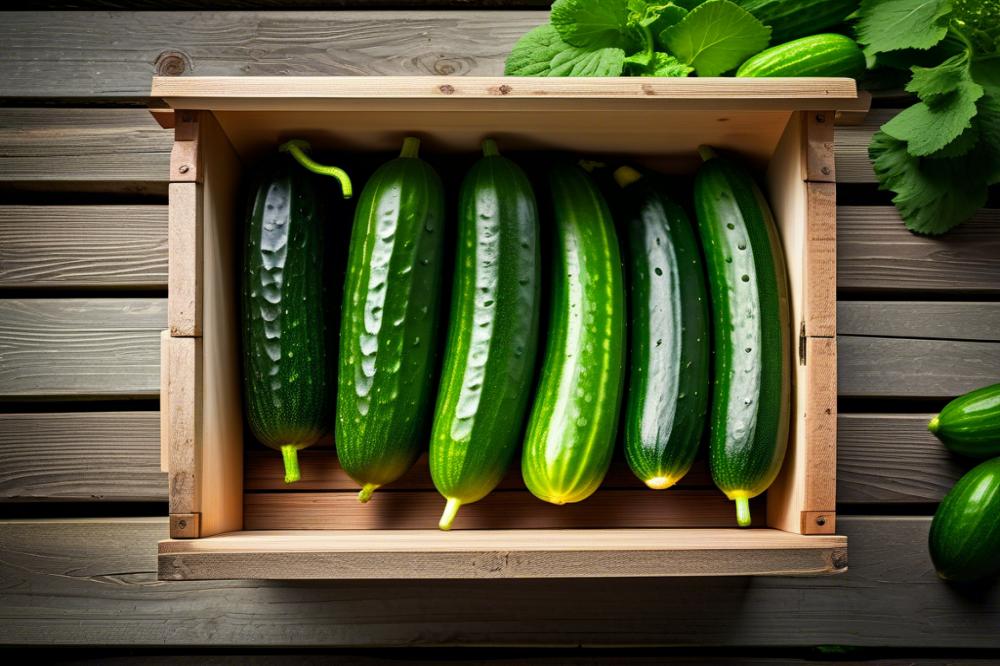
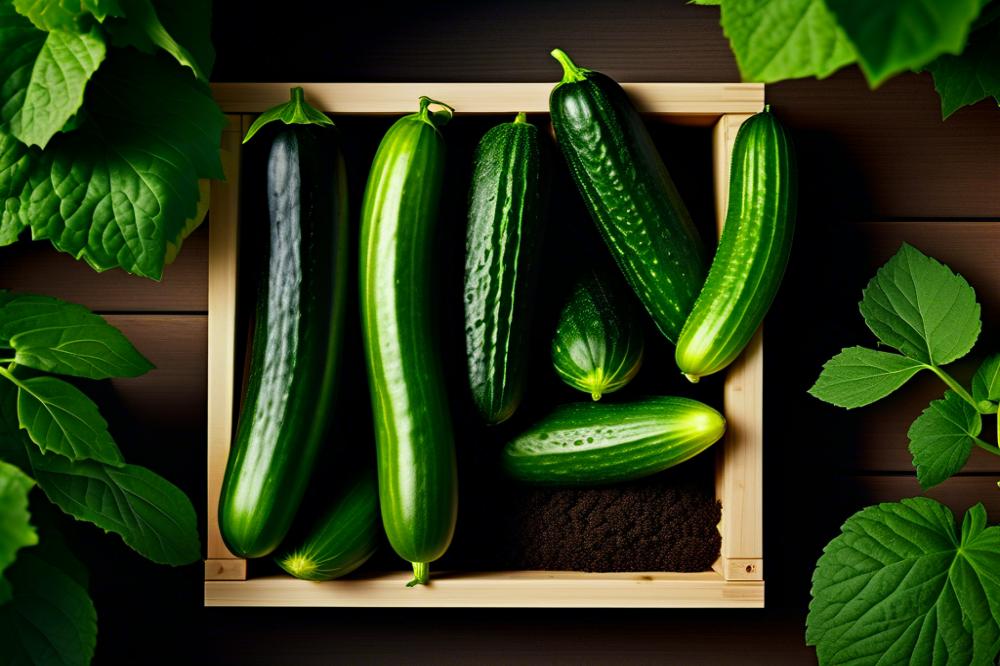
Container gardening opens up exciting opportunities for those with limited space. Utilizing a wooden box for planting cucumbers allows you to have a mini garden right on your patio or balcony. This method provides excellent drainage and can easily be moved to ensure the right sunlight. Wooden boxes can be aesthetically pleasing too, making them a charming addition to your outdoor area.
In this guide, you will learn valuable tips on planting cucumbers, caring for your crops, and even harvest tips. You’ll discover various cucumber varieties suitable for your climate and space. Additionally, we will share useful gardening tips to manage pest control effectively. Dive into the world of cucumber recipes as well, as you’ll find endless ways to enjoy your homegrown veggies.
growing cucumbers: Getting Started
Choosing a location for your wooden box is vital. Cucumbers thrive in areas with full sunlight. Look for a spot that receives at least six hours of direct sun each day. Drainage is also crucial, so avoid places where water tends to pool. A level surface will help prevent uneven growth and keep the plants happy.
Selecting organic cucumber seeds is another important step. Organic seeds are free from synthetic chemicals, making them a healthier choice for your garden. Visit local garden centers or search online for reputable sellers. Many people enjoy exploring unique seed varieties that add flavor and texture to their gardens. Try to find seeds that are well-suited for your climate.
Understanding cucumber varieties aids in successful vegetable gardening. Different types require different care. For example, pickling cucumbers tend to be smaller and sturdier, while slicing cucumbers grow larger and thinner. Each variety also has varying needs for sunlight and space. For instance, bush cucumbers need less room compared to vining types. Next, consider planting cucumbers that align with your goals; some are better suited for salads, while others make great snacks. Ensuring each plant has enough space promotes healthy growth.
Cucumber care begins with proper soil preparation. Enrich the soil with compost to provide essential nutrients. Good soil will support robust plants and lead to plentiful harvests. Remember, watering is crucial, especially in the early stages of growth. Regular, deep watering encourages root development.
Pest control is another key element of cucumber cultivation. Inspect your plants regularly for pests that can damage leaves and affect growth. Keeping an eye on the weather can help you avoid problems as well. Rainy days can encourage pests like aphids and beetles, so have your strategies ready.
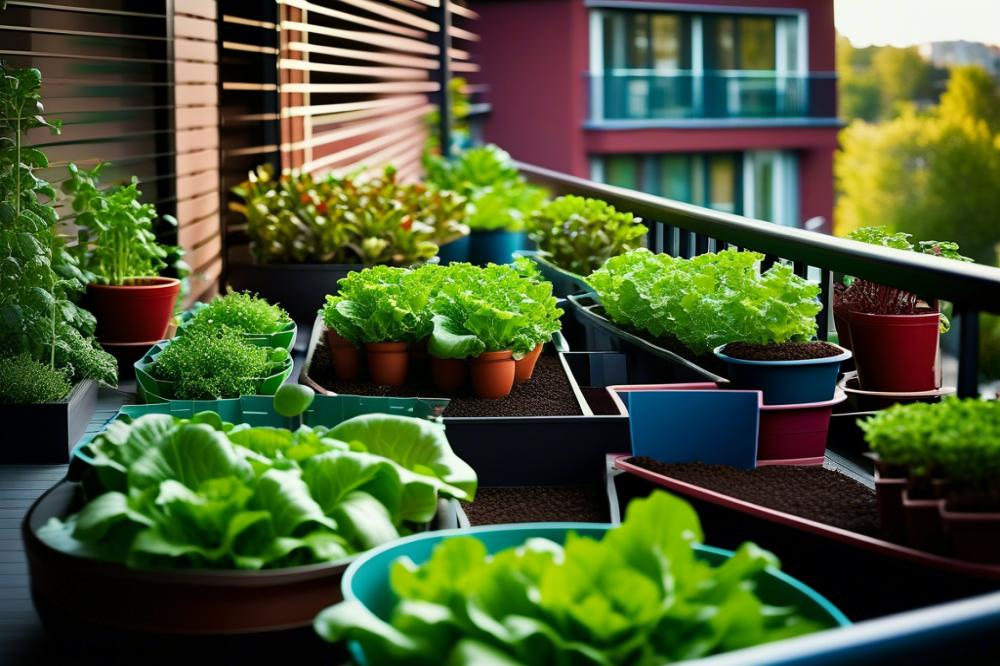
For those interested in container gardening, cucumbers can adapt well to pots. Just make sure your containers are large enough to support healthy growth. Use a mix of soil that drains well, and add organic fertilizer for added nutrients. This option allows you to enjoy fresh organic cucumbers even in limited spaces.
Preparing Your Wooden Box for Planting
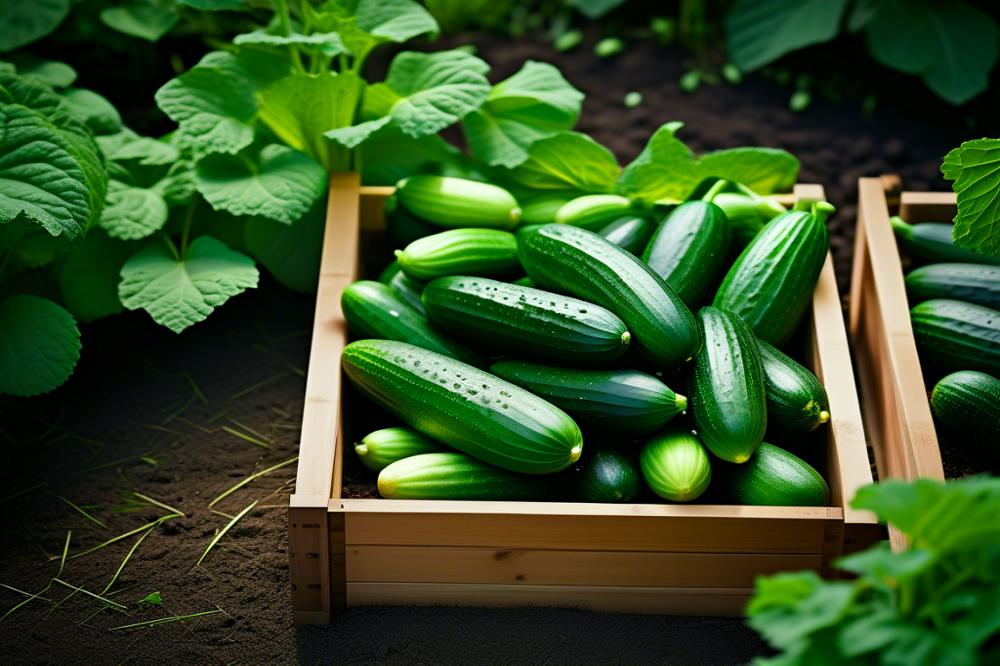
Choosing the Right Size and Style of Wooden Box
Selecting the perfect wooden box is essential for your cucumber journey. A deep box provides ample room for root growth, ideally measuring at least 12 inches in depth. Width and length can vary, but a spacing of at least two feet allows for a healthy spread. Consider a style that reflects your gardening aesthetics, whether rustic or modern. Drainage holes are crucial; without them, roots can rot in overly wet conditions. Look for sturdy materials that can withstand the elements.
Soil Preparation for Optimal Cucumber Growth
Preparing the soil properly is a vital step for your crops. Start with a mix that drains well yet retains moisture. A blend of loamy soil is often recommended, as it balances structure and aeration. Testing your soil pH can offer insights; cucumbers thrive in a slightly acidic environment, around 6.0 to 6.8. Adjusting soil composition may be necessary, so don’t hesitate to consult local gardening resources for specific recommendations.
Adding Organic Compost and Nutrients
Organic compost acts like a magic potion for your plants. It enriches the soil with essential nutrients while improving its structure. Mix in a generous amount of compost when filling your wooden box. This addition aids in water retention and offers a natural habitat for beneficial microorganisms. Furthermore, consider including slow-release fertilizers for extra nourishment during the growing season. Balancing nutrients promotes healthy cucumber care and can lead to better yields. Keeping an eye on your crops and adjusting nutrients as needed will enhance the overall health of your plants.
As you dive into container gardening, remember that each step impacts your future cucumber recipes. With diligent preparation, you’ll be on the right path to harvest cucumbers that are crunchy and fresh. Don’t overlook pest control methods, as maintaining a healthy environment will support diverse cucumber varieties. Enjoy the adventure of planting cucumbers in your unique wooden box!
Planting Cucumbers
Getting started with cucumbers in a wooden box requires attention to a few important details. First, select a quality organic seed suited for your climate. Popular cucumber varieties include slicing cucumbers and pickling types. After choosing the seeds, it’s time to prepare the box.
Make sure your wooden planter is at least 12 inches deep. This depth allows roots to grow well. Fill the box with a nutritious potting mix, rich in organic matter. Adding compost can significantly enhance soil quality. Mix it thoroughly to ensure an even distribution of nutrients.
Next, plant the seeds about one inch deep in the soil. Space them about 12 to 18 inches apart. Proper spacing is vital for airflow and sunlight. If your box is small, consider planting just a few seeds to prevent overcrowding. After planting cucumbers, watering them lightly can help them settle into the soil.
Timing is crucial when planting cucumbers. Generally, warm temperatures favor their growth. In cooler climates, wait until the last frost date has passed. For most regions, late spring to early summer is ideal. Monitor local weather patterns and plant accordingly. This approach will maximize your chances of a successful crop.
As the plants grow, cucumber care becomes important. Providing sufficient water and sunlight daily is essential. Regular watering keeps the soil moist but not soggy. Also, consider using stakes or trellises for support as the plants climb. Doing so helps save space and encourages healthier growth.
During the growing season, keep an eye out for pests. Organic pest control methods work best to protect your plants without harsh chemicals. Inspect the leaves regularly for signs of trouble. Taking action early can prevent more severe infestations.
After a few weeks, you’ll spot the first flowers. This is an exciting time, as it signals that your efforts are paying off. Soon enough, you’ll be able to enjoy delicious cucumber recipes from your own harvest. With these gardening tips, growing crunchy cucumbers will be a rewarding experience.
Cucumber Care: Watering and Maintenance
Watering is essential when it comes to healthy cucumbers. This vegetable thrives on moisture. An inconsistent watering schedule can lead to stress, resulting in bitter fruit or stunted growth. Keeping the soil consistently moist, but not soggy, is the key. Most gardeners aim for about one to two inches of water per week during the growing season. Consider using a rain gauge to track this accurately.
Effective cucumber care involves more than just watering. Pay attention to the plants as they grow. Regularly check the leaves for signs of pests. Aphids and cucumber beetles can wreak havoc if left unchecked. Organic pest control methods, like introducing beneficial insects or using neem oil, can be very effective. Additionally, mulching can help retain soil moisture and suppress weeds.
Fertilizing is another critical aspect of nurturing organic cucumbers. A balanced organic fertilizer can enhance growth. Look for products that contain nitrogen, phosphorus, and potassium. Apply fertilizer according to package instructions, preferably every few weeks. Some gardeners also like to use compost as it enriches the soil naturally. This practice promotes healthier plants, which can help boost overall yield.
Throughout the growing season, maintaining a routine is beneficial. Gardening tips include monitoring for diseases and adjusting care as needed. If you are container gardening, pots will dry out faster than garden beds. Check the moisture levels often, especially during hot spells. Remember, different cucumber varieties may have unique needs regarding space and nutrients.
Harvest cucumbers at the right time for the best flavor. If left too long, they can become bitter and overly mature. Regular harvest encourages more production and keeps plants healthy. Always have some fresh cucumber recipes in mind to enjoy your bounty. Following these guidelines can lead to a fruitful cucumber patch that you’ll be proud to share.
Managing Pests and Diseases
growing cucumbers can come with challenges. Pests and diseases can threaten your vegetable gardening efforts. Common pests include aphids, cucumber beetles, and spider mites. They can damage plants and affect yields. Fortunately, natural pest control methods exist. For example, introducing ladybugs can help curb aphid populations. Neem oil is another effective solution. It disrupts the life cycle of many pests.
Pay attention to the leaves. Yellowing or curling may indicate pest issues. Look for holes or webbing on plants. These signs suggest either beetles or spider mites. Removing affected leaves can help. In cases of disease, spots on leaves indicate potential fungal infections. Powdery mildew is common in high humidity. Treat such diseases quickly to prevent spreading. Consider using organic fungicides or simple remedies like baking soda mixed with water.
Prevention is key in maintaining healthy crops. Crop rotation can minimize pest issues. Switching cucumber varieties each season may confuse pests. Healthy soil promotes stronger plants, making them more resilient. Regularly inspect your plants and maintain proper watering. Overwatering invites problems. Mulching can help retain moisture while suppressing weeds. Each of these steps contributes to effective cucumber care.
Explore companion planting as a strategy. Planting marigolds near cucumbers can repel harmful insects. Additionally, always clean your garden tools. This simple action prevents disease spread from one plant to another. By remaining vigilant and proactive, you can enjoy a fruitful harvest. Learning pest control techniques takes time, but the effort pays off. Fresh, crunchy cucumbers await you in your wooden box!
Harvesting Crunchy Cucumbers
When to Know Your Cucumbers Are Ready to Harvest
The right moment to pick your organic cucumbers is crucial for flavor and texture. Look for cucumbers that are firm and shiny. Typically, this means they are deep green and about 6 to 8 inches long, depending on the variety. Pay attention to the seeds inside as well; if they are too large, the cucumber may be overripe. Harvesting regularly encourages more growth, so do not hesitate to check your plants every few days.
Best Practices for Harvesting Cucumbers to Maintain Quality
Use a sharp knife or scissors to cut cucumbers from the vine. Tugging them can damage the plant and affect future fruit production. When picking, try to grasp the cucumber gently to avoid bruising it. Always handle them with care to preserve their crunchiness. After harvesting, rinse them in cool water to remove dirt. This simple step helps in keeping them fresh longer.
Tips for Extending the Harvest Season
Planting cucumbers at staggered intervals can lead to a longer harvest period. By doing this, you’ll have fresh vegetables coming in at different times. Choosing a variety of cucumber types is also a great idea. Some varieties mature faster than others. Additionally, keeping up with pest control ensures your plants stay healthy throughout the growing season. Using mulch can help retain moisture and protect roots. Experimenting with container gardening is another way to enhance your cucumber care. Always remember that a little effort can extend your vegetable gardening experience well into the late summer or even fall.
Cucumber Recipes and Enjoying Your Harvest
Delicious and Easy Cucumber Recipes
Fresh organic cucumbers are versatile in the kitchen. Try making a refreshing cucumber salad by slicing them thinly and tossing with olive oil, vinegar, and herbs. For a quick snack, add them to yogurt with garlic and dill for a tangy dip. Pickles are another favorite; just use a simple brine of vinegar, water, salt, and spices. The crunch of fresh cucumbers shines in these dishes. Exploring different cucumber varieties can also enhance your recipes. Small varieties like mini cucumbers work well in snacks, while larger types are great for salads.
Ways to Incorporate Cucumbers into Your Diet
Adding cucumbers to your meals is simple and satisfying. They make great additions to sandwiches and wraps. Layer slices on turkey or ham for a crunch. Smoothies can even benefit from a cucumber boost. Just peel and chop, then blend with your favorite fruits for a refreshing drink. If you enjoy vegetable gardening, consider growing salad greens alongside your cucumbers. This creates colorful plates with a variety of textures. While cooking, think about using cucumbers to garnish stir-fries or grain bowls. Their mild flavor complements bold dishes nicely.
Storing and Preserving Cucumbers for Later Use
After harvesting cucumbers, proper storage is key to keeping them fresh. Place them in the crisper drawer of your refrigerator for up to a week. If you want to enjoy them longer, consider pickling. A straightforward pickling process will let you preserve your bounty. Use a jar with a tight lid, add sliced cucumbers, and pour in your brine. Canning them is another option for long-term storage. Be sure to use good pest control methods in your garden to prevent damage while growing cucumbers. Keeping healthy plants results in a more enjoyable harvest. Explore various preservation methods to stop cucumbers from going to waste.
Bringing It All Together
There’s nothing quite like the joy of growing cucumbers in a wooden box. From the moment you plant those seeds, anticipation starts to build. Watching those tiny sprouts emerge from the soil is both exciting and rewarding. The crunch of a freshly picked organic cucumber is a treat few garden enthusiasts can resist.
Starting your vegetable gardening journey can feel daunting, but it doesn’t have to be. Anyone can cultivate their own food with a little guidance and patience. So why not take that first step? Begin with a simple wooden box, add quality soil, and you’re on your way. Each season brings new lessons, and soon, you will be thrilled with your homegrown produce.
To ensure your success, here are some final gardening tips. Be consistent with your watering schedule. Cucumbers thrive with regular moisture, but avoid soaking them. Monitor for pests and diseases, as they can quickly ruin your plants. Good cucumber care will make a world of difference in your harvest. Lastly, keep observing how your plants grow. Each plant has its own unique needs and quirks.
In the end, the satisfaction of pulling up a crisp cucumber from your garden is unmatched. You’ll appreciate the effort you put in. Embrace the journey and savor the results. Happy gardening!