
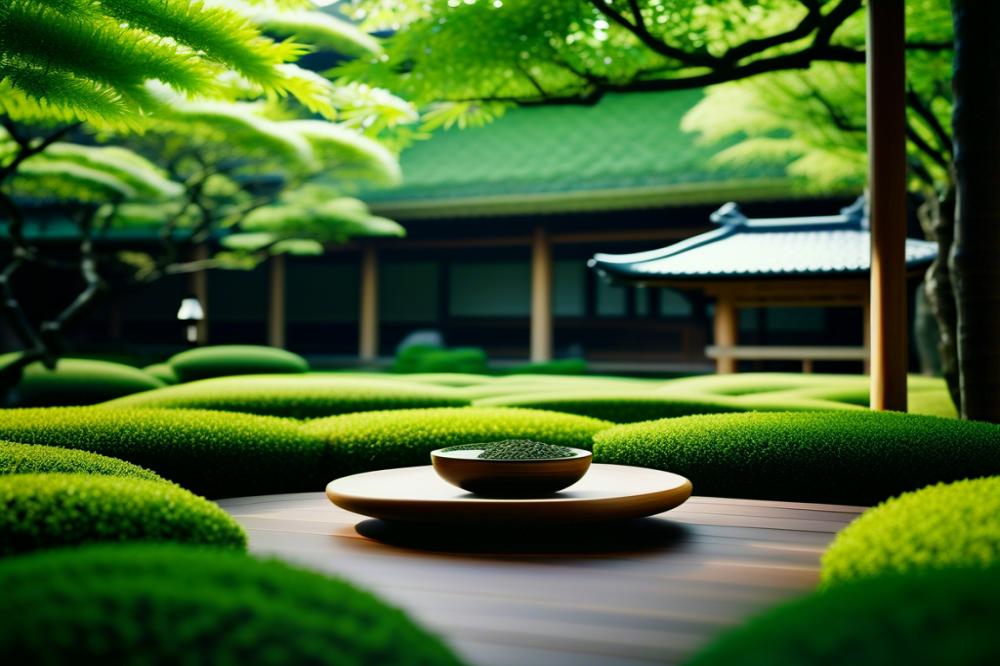
Discovering the Secrets of Japanese Green Tea at Kyoto Estates
Japanese Green Tea holds a special place in the heart of Japanese culture. Its significance goes beyond mere refreshment; it is deeply intertwined with tradition, health, and social rituals. From the quiet, contemplative moments of a tea ceremony to the vibrant gatherings of tea tastings, this brew encapsulates a wealth of meaning. Each cup tells a story steeped in centuries of cultivation practices and a rich cultural heritage that has been passed down through generations.
Kyoto Estates stands out as a prominent player in the world of tea production. Nestled in the lush, rolling hills, it plays a vital role in cultivating some of the finest tea varieties. Their commitment to organic farming practices ensures that every leaf grown represents authenticity and care. By honoring traditional methods, they contribute to preserving the age-old art of tea preparation. Notably, the estate is recognized for its exquisite matcha, ground to perfection, and used in various ceremonies, including the formal Chaji.
This article aims to explore the secrets behind Japanese Green Tea. We will delve into its health benefits, uncover unique brewing techniques, and highlight what makes the tea from Kyoto Estates exceptional. Join us on this journey, as we unveil the nuances of tea culture and the artistry involved in each cup.
Japanese Green Tea
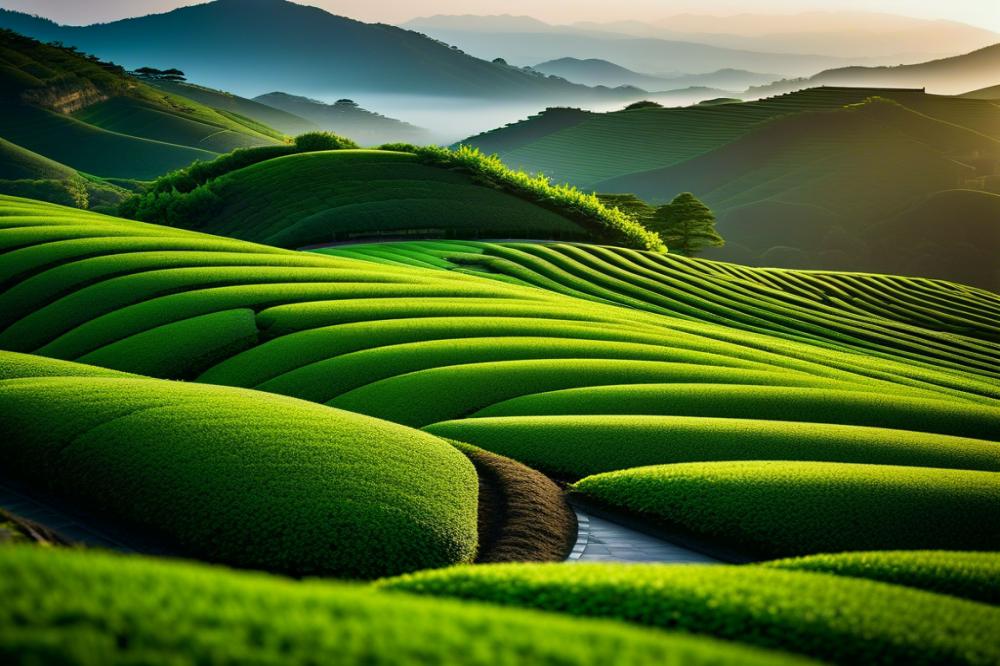
Japanese green tea represents a vast world of flavors and traditions. Steeped in cultural heritage, it is more than just a beverage. This drink is celebrated for its refreshing taste, vibrant colors, and multitude of preparation methods. Learning about its essence can deepen our appreciation for this ancient art.
Types of Tea Varieties Based on cultivation Techniques
Different methods of cultivation lead to diverse tea varieties. Some types are shade-grown, like matcha, which requires specific care during its growth. Others are grown in full sunlight to develop unique taste profiles. Gyokuro, for instance, is prized for its nuanced flavor and aroma. Sencha is another popular option, known for its bright green hue and grassy notes. Each variety has specific brewing techniques that enhance its natural characteristics.
Health Benefits of Drinking Japanese Green Tea
Numerous studies show the health benefits linked to drinking this tea. Antioxidants are a major component, offering protective qualities for the body. Regular consumption can support heart health and improve metabolism. Additionally, the amino acid L-theanine found in tea promotes relaxation and mental clarity. Engaging in a tea tasting can reveal these advantages while enjoying a rich sensory experience.
Tea ceremony as Cultural Expression
The tea ceremony, or Chaji, offers a deep dive into the cultural significance of this drink. Such gatherings are rituals that blend aesthetics with mindfulness. Participants learn to appreciate not only the tea but also the moments shared and the connections formed. Organic farming practices are often emphasized during these ceremonies, highlighting the importance of sustainability in a modern context. These elements combine to create an enriching experience that celebrates both tradition and community.
Cultivation Techniques
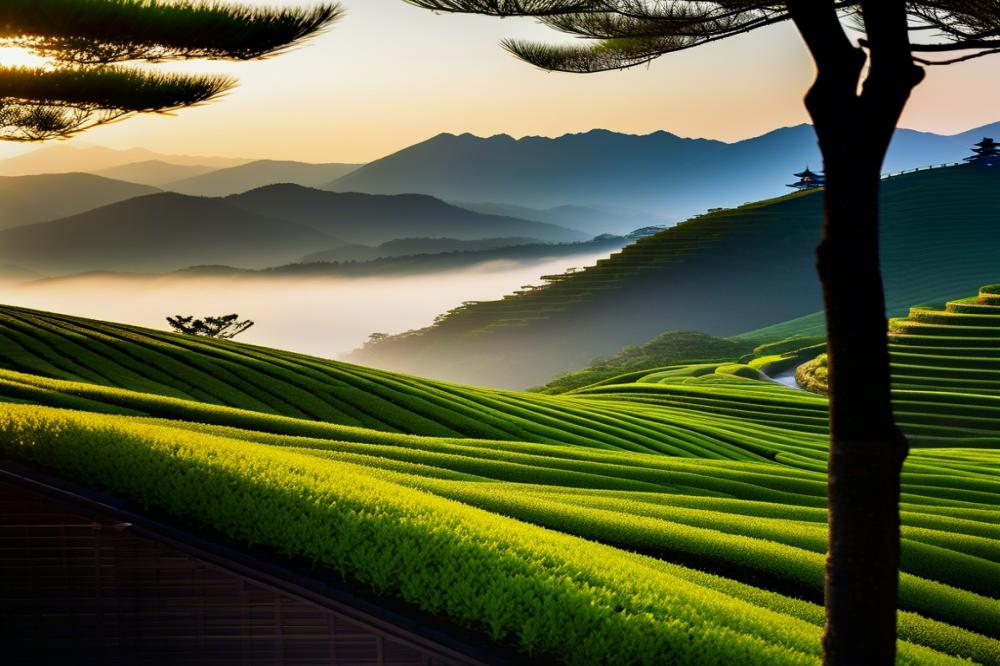
Kyoto Estates embraces organic farming practices to grow its tea plants. This approach means no synthetic pesticides or fertilizers are used. Instead, natural methods promote soil health and biodiversity. By focusing on sustainable techniques, the estate prioritizes both plant health and the environment.
The terroir plays a crucial role in shaping the flavor and quality of the tea produced here. The unique climate, elevation, and soil conditions contribute to the nuances in every leaf. Each variety of tea captures the essence of its surroundings, leading to vastly different tasting notes. From grassy umami in matcha to floral hints in gyokuro, the landscape influences each cup.
Cultivation begins with careful planning. Seeds are sown in nutrient-rich soil and well-drained areas, spaced to allow for growth. As the plants mature, attention shifts to pruning and pest control. Farmers monitor the ecosystem closely, ensuring beneficial insects thrive alongside the tea plants. During the harvest, only the youngest leaves are picked. This labor-intensive process requires skill and timing.
After harvesting, the leaves undergo various brewing techniques to enhance flavor. Some varieties are steamed, while others are pan-fired. These methods lock in the green color and health benefits associated with the tea. A traditional ceremony, like the Chaji, emphasizes the cultural heritage connected to this beverage. This ritual showcases the effort that goes into every stage of tea production.
Tea tasting sessions allow visitors to experience the different tea varieties firsthand. Each sip reveals layers of flavor that trace back to the meticulous care given from planting to harvest. The passion for quality drives the estate’s commitment to organic farming practices, ensuring a rich tradition continues for future generations.
Tea Varieties and Health Benefits

When exploring the world of Japanese green tea, several varieties stand out. Sencha is one of the most popular choices. It’s known for its refreshing flavor and bright green color. This tea is made from the first harvest leaves and undergoes steaming to preserve its green color.
Gyokuro, another notable category, is often associated with luxury. Grown in the shade, it boasts a rich, sweet taste. The cultivation of Gyokuro requires careful attention, as shading enhances the profile of the leaves. The health benefits of Gyokuro are impressive, containing high levels of amino acids. This variety promotes relaxation and can even aid in focus.
Matcha has gained worldwide popularity thanks to its vibrant green powder form. Made from the same shaded tea leaves as Gyokuro, Matcha offers a unique brewing technique. Users whisk the powder with hot water, creating a foamy drink that provides energy and calmness at the same time. This variety is especially high in antioxidants, contributing to overall well-being.
Each tea variety has specific health benefits. Sencha is rich in vitamin C and can support immune health. Many enjoy it as a refreshing drink to accompany meals. Gyokuro’s high caffeine content can boost energy levels without the jitteriness that coffee often brings. On the other hand, Matcha elevates mood and enhances concentration with its blend of caffeine and L-theanine.
These tea varieties connect deeply with traditional Japanese nutrition. They often complement meals, enhancing flavors while providing health advantages. In Japan, the tea ceremony, known as Chaji, celebrates these beverages. It emphasizes not only the flavors but also the cultural heritage and the respect involved in preparing and sharing tea.
Organically grown tea leaves contribute to this cultural practice. Organic farming ensures the purity of the flavors and health benefits. The meticulous brewing techniques highlight the differences between the varieties. For instance, Sencha requires cooler water than matcha, which is made with near-boiling water.
Tea tasting sessions allow participants to explore these various flavors. Engaging with such practices introduces people to the world of Japanese tea. Discovering these unique tea varieties offers more than just a drink; it’s a journey through tradition and well-being.
Brewing Techniques and Tea Tasting
To enjoy Japanese green tea at its best, mastering the brewing process is essential. Start with fresh, high-quality leaves. The water temperature should stay below boiling, typically around 160-180°F (70-80°C) for most tea varieties. This helps preserve the delicate flavors and health benefits. Steep the tea for one to three minutes, depending on the type of tea. Sencha and Gyokuro may require less time, while Hojicha can take a bit longer. The key is to adjust based on your personal preference.
During a traditional ceremony, the experience goes beyond just drinking tea. Chaji is a full-course event that showcases the deep cultural heritage of tea in Japan. This ceremony includes multiple servings of tea, typically matcha, served with simple yet elegant food. Each step is rooted in ritual, allowing participants to appreciate the beauty in every detail. The atmosphere is calm, with movements and gestures that reflect respect and mindfulness.
At Kyoto Estates, the chance to partake in a tea tasting event offers a sensory-rich experience. Feel the warmth of the cup in your hands. Take in the aroma before sipping. Each variety tells a different story, showcasing the nuances of flavor, aroma, and color. Tasting starts with basic teas, moving towards more complex varieties. Attendees learn about organic farming practices that enhance the tea’s richness. Not only is it about flavor; it’s about understanding the journey from cultivation to cup.
Overall, the brewing techniques and tea tasting at Kyoto Estates provide insights into the art and science of tea. Each cup is more than just a drink; it is a celebration of Japan’s cultural traditions and a testament to the skill involved in producing top-quality tea. Whether you’re a novice or a seasoned lover of tea, there is always something new to learn.
Cultural Heritage of Japanese Green Tea
The journey of tea in Japan spans centuries, weaving through the fabric of its society. Tea was introduced from China in the 9th century. Over time, it became an integral part of Japan’s cultural landscape.
In various Japanese households, tea is a symbol of hospitality. Guests are often welcomed with a warm cup, reflecting respect and friendship. The traditional tea ceremony, known as Chaji, elevates this simple act into an art form. It highlights mindfulness and appreciation of the moment.
Different tea varieties emerge from careful cultivation techniques. From the vibrant colors of matcha to the rich flavors of sencha, each type offers unique experiences. As people learn about brewing techniques, it reveals the delicate balance required to unlock the full potential of the leaves.
The health benefits associated with green tea are well documented. Many enjoy it for its antioxidants and calming properties. As awareness of wellness grows, more people turn to organic farming practices. This focus not only preserves the earth but also honors centuries-old traditions.
Finding your way through the world of tea tasting can be delightful. It’s a journey filled with diverse aromas and textures. Engaging in this practice can connect individuals to community and shared rituals.
Japan’s cultural heritage continues to thrive through tea cultivation. The meticulous care farmers invest in their crops ensures high-quality yields. These practices are passed down through generations, keeping the essence of traditional methods alive.
Amid the hustle of modern life, the ritual of tea offers a serene escape. Each sip serves as a reminder of the rich history that surrounds it. The enduring legacy of green tea reflects not just a beverage, but a profound cultural significance in Japanese society.
Final Thoughts on Discovering Japanese Tea Culture
In this article, we explored the rich traditions and values associated with Japanese tea. We delved into the art of cultivation and the meticulous processes that result in high-quality green tea. Methods such as shading and hand-picking leaves contribute to the vibrant flavors that tea lovers cherish. The impact of these practices creates a deep connection between the drink and its origin, especially at Kyoto Estates.
Culturally, green tea plays a vital role in Japan. It symbolizes hospitality and respect. The tea ceremony embodies these principles, making each sip a meaningful experience. Traditional preparation methods provide insight into Japan’s rich history and social customs.
Health benefits also add to its significance. Rich in antioxidants, the beverage supports wellness in various ways. Regular consumption has been linked to improved mental clarity and relaxation. This aspect resonates deeply with anyone seeking a balanced lifestyle.
For those eager to learn, Kyoto Estates offers a gateway to this fascinating world. Engaging in local tea practices enriches understanding and appreciation. Whether participating in a ceremony or tasting freshly brewed tea, every experience widens the connection to Japanese culture.
In closing, visiting Kyoto Estates provides an opportunity to dive deeper into the secrets of this cherished drink. Exploring the nuances of tea fosters a greater appreciation for both its historical context and its contemporary relevance. Embrace the chance to discover the beauty of Japanese tea traditions. It promises to be a journey worth taking.


