
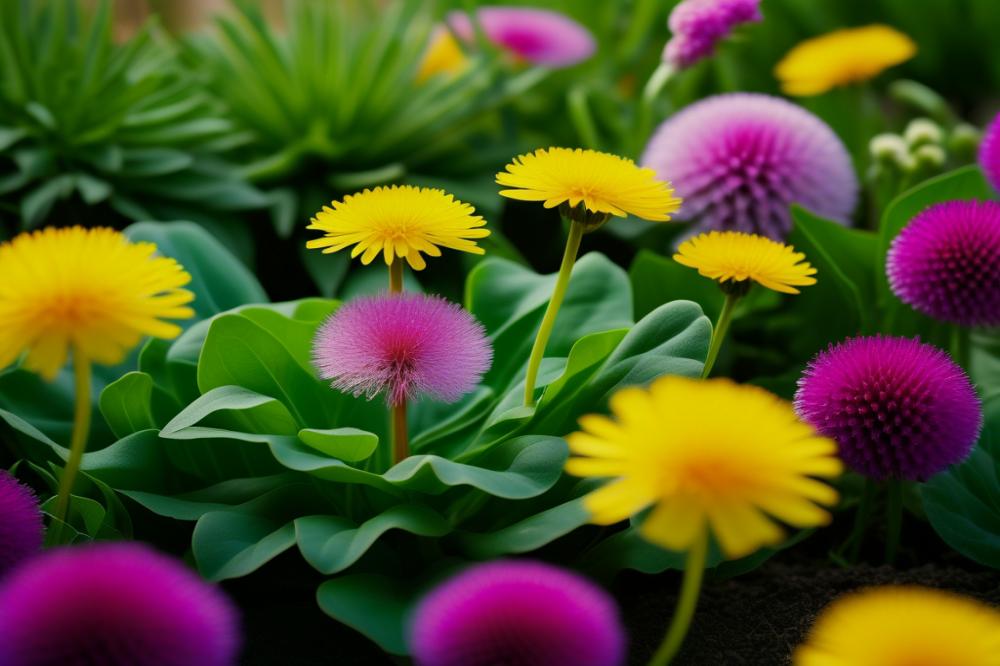
edible weeds of the US: Surprising Foods Growing in Your Backyard
Many people walk past green plants in their yards, unaware of the treasures they hold. wild food, often overlooked, is featured in countless backyards across America. edible weeds are not just simple nuisances. They offer an exciting way to reconnect with nature while adding variety to our diets.
foraging has become a popular activity for many. It allows individuals to seek out fresh, nutritious ingredients without spending a dime. As sustainability gains importance, turning to local growth becomes a natural choice. Eating what’s available nearby reduces reliance on commercial farming and supports a healthier ecosystem.
Consider dandelion, which many view as nothing more than a pesky plant. With its bright yellow flowers and jagged leaves, it is packed with vitamins and can be used in salads. Purslane, another delightful find, is often mistaken for a weed but boasts a rich source of omega-3 fatty acids. Lamb’s quarters and plantain also fit perfectly in this category, showcasing the diverse nutritional value of plants often ignored.
The backyard garden is not limited to herbs and vegetables. It can serve as a home for chickweed and nettle, both of which have medicinal properties. By including these plants in our diets, we may benefit from their healing abilities as well. The practice of foraging encourages exploration and teaches us to appreciate the bounty of our surroundings.
People are beginning to understand that food can come from unexpected places. Embracing wild food not only enriches our meals but also traditions. Let’s highlight some of the surprising flavors that reside just outside our doors.
Understanding Edible Weeds

Edible weeds are those wild plants that often grow in our backyards without any human intervention. Unlike cultivated plants, which are typically bred for specific traits, these wild food sources grow naturally, offering a bounty of flavors and nutrients. Many of them are not only safe to eat but also rich in vitamins and minerals, making them valuable additions to our diets.
Backyard gardens can benefit from these plants. They play important roles in local ecosystems. By attracting pollinators and supporting soil health, these plants contribute to a vibrant environment. For instance, dandelion leaves can be consumed in salads, providing a slightly bitter flavor that some people enjoy. This plant is often overlooked but is packed with nutritional value.
Some common varieties include purslane, lamb’s quarters, and chickweed. Purslane, for example, is a succulent that thrives in sunny spots. Its high omega-3 fatty acid content makes it a nutritious choice for anyone looking to eat healthier. Lamb’s quarters have a mild, spinach-like flavor and can be used in many recipes.
Nettle, while often regarded as a nuisance in gardens, is another edible weed with a rich history. This plant has been used for centuries as a medicinal plant, known for its benefits to overall health. Newcomers should take care when harvesting it, as the stinging hairs can cause irritation. However, cooking or drying the leaves removes the sting, opening the door to various culinary possibilities.
Chickweed is another surprising find in the backyard. Its tender leaves and stems are not only edible but also make for a nutritious addition to salads and sandwiches. Historically, these plants were crucial to native diets, providing sustenance long before modern agriculture. Learning about these wild plants can reconnect us with our roots and the natural world.
Common Edible Weeds in the US

Discovering wild food in your backyard garden can be both exciting and rewarding. Many people overlook the nutritious plants that often grow among grass and conventional crops. Below are some common edible weeds you might find right outside your door.
Dandelion
Dandelions are not just pesky weeds. These bright yellow flowers and their green leaves are packed with nutritional value. They’re rich in vitamins A, C, and K. Culinary uses include salads, teas, and even cooking the greens like spinach. The roots can be roasted to make a caffeine-free coffee alternative.
Purslane
Purslane stands out due to its thick, succulent leaves. This weed is a nutritional powerhouse, loaded with omega-3 fatty acids, which are essential for heart health. It has a slightly tart flavor, making it great in salads or even as a garnish on various dishes. Toss it into your next summer salad for a crunchy, flavorful twist.
Lamb’s Quarters
Lamb’s quarters grow abundantly in many regions. This green plant is often compared to spinach, yet it offers more nutrients. It is high in calcium, iron, and vitamin C. People can sauté the leaves, add them to soups, or use them in smoothies for added health benefits.
Plantain
Plantain is another weed worthy of attention. It’s not the tropical fruit many think of but rather a leafy green herb with remarkable uses. Both its leaves and seeds can be consumed, and the leaves have a long history in traditional medicine. Chewing on fresh leaves can provide relief for minor cuts and insect bites.
Nettle
Nettle may seem daunting with its stinging hairs, but this plant is a culinary treasure. Once cooked, it loses its sting, revealing a nutty flavor. Nettle is high in vitamins A, C, and iron. People often use it to make soups, teas, or add it to pesto, capitalizing on its health properties.
Chickweed
This delicate plant may not look like much but offers numerous culinary applications. Chickweed can be eaten raw in salads or added to sandwiches for an herbal touch. It’s also known for its rich nutritional content, providing vitamins and minerals beneficial for health. Consider incorporating it into your meals for variety.
Foraging for Edible Weeds
Foraging for wild food can be a rewarding experience. However, safety is paramount. Always identify each plant before consuming it. Some weeds can be toxic, and misidentification could lead to serious health issues. Spend time learning about edible species, including dandelion, purslane, and lamb’s quarters. These plants are frequent visitors in many backyard gardens.
When you head out to forage, pay attention to your surroundings. Avoid areas that may have been treated with pesticides or chemicals. Foraging from clean locations, like a well-kept garden or a natural area away from roadsides, is crucial. A good rule of thumb is to know where your food comes from. Sustainability is key, so take only what you need.
Be mindful of the quantity you harvest. Leaving some plants allows them to continue growing for future foragers. This practice also supports local wildlife that may rely on these plants for food. Plantain and nettle are excellent examples of nutritious options that can be harvested responsibly.
Proper techniques for foraging include using scissors or a sharp knife. Avoid uprooting plants completely; instead, pick leaves or stems. Also, familiarize yourself with known medicinal plants like chickweed. This plant has various uses, from culinary to health benefits.
Engaging in foraging can be educational. Investigate the nutritional value of each plant. Many weeds are packed with vitamins and minerals. They can enhance your meals while offering a low-cost food source. Remember, being part of nature means being respectful of it.
Always gather from areas that are free of pollution. A key aspect of responsible foraging lies in recognizing the balance of the ecosystem. Sharing your knowledge with others can also help foster appreciation for wild foods. The world of edible weeds is vast and exciting, filled with flavors waiting to be discovered.
Health Benefits of Edible Weeds
Many people overlook the wild food growing right in their backyard garden. However, these plants often hold a remarkable nutritional value that can rival cultivated vegetables. Dandelion, for example, is packed with vitamins A, C, and K. You might be surprised to learn that it also contains calcium, iron, and potassium.
Purslane is another impressive weed. This succulent plant features omega-3 fatty acids, which are rare in common vegetables. It also offers a good amount of antioxidants that may help combat oxidative stress in the body.
Lamb’s quarters, often mistaken for a common weed, is nutrient-dense. It contains high levels of vitamins C and A, along with minerals such as magnesium and manganese. This wild relative of spinach adds an extra punch to salads and sautés.
Plantain, not to be confused with the banana type, boasts significant health benefits. The leaves can be used to make teas that may soothe coughs or reduce inflammation. In some cultures, people have turned to this healing plant for digestion troubles.
Nettle is another powerhouse. Known for its sting, this wild plant is rich in iron, calcium, and fiber. Cooking nettle neutralizes the sting and transforms it into a delicious dish. People have used it for centuries for its various medicinal properties.
Chickweed, with its mild flavor, can serve as an excellent addition to various meals. This tiny green is rich in vitamins and provides a soothing effect on irritated skin. Some herbalists even use it in salves and ointments for its healing qualities.
Incorporating these greens into your meals not only enhances nutritional intake but also connects you to nature’s bounty. Each plant offers a diverse range of health-promoting properties. By exploring these weeds, you may find surprising ways to boost your diet and well-being.
Incorporating Edible Weeds into Your Diet
Many people overlook the wild food around them. You can easily turn these plants into delicious meals. Start by foraging in your backyard garden. Dandelion leaves add a tasty crunch to salads. They have a strong, slightly bitter flavor. If you prefer something milder, consider purslane. This succulent plant has a peppery taste and is packed with important nutrients.
When cooking with weeds, keep it simple. Lamb’s quarters can be used like spinach. Sauté them with garlic and olive oil for a quick side dish. Nettle needs a bit of care, but it’s worth it. Wear gloves to avoid the sting while washing them. After cooking, the sting disappears, leaving a nutritious green that’s great in soups or pasta.
Chickweed is easy to spot and even easier to prepare. Toss it into a salad for added texture. Some people enjoy it blended into smoothies. Just remember, small amounts are best since it has a delicate flavor. Plantain leaves are versatile. They can be used in wraps or as a garnish for different dishes.
Another way to incorporate these plants is by making pestos. Combine your favorite edible weeds with nuts, garlic, and oil. Blend them until smooth for a tasty topping on bread or pasta. This gives a fresh twist to traditional recipes. Experiment with different combinations, and discover what you like best.
While adding these foods to your meals, consider their nutritional value. Many of these plants are rich in vitamins and minerals. For example, nettles are high in iron, making them excellent for overall health. This makes using chickweed not just enjoyable, but beneficial too.
Try making a wild green smoothie. Blend together purslane, dandelions, a banana, and some yogurt. It’s refreshing and an easy way to start the day. Using these lesser-known ingredients can brighten up your meals and surprise your family.
Don’t hesitate to get adventurous. Many of these plants are easily identifiable and safe to eat. Just make sure they haven’t been treated with chemicals. Foraging can also be a fun activity. It allows you to connect with nature while enhancing your diet with flavorful greens.
Final Thoughts on Embracing Nature’s Bounty
Recognizing the potential of the plants around us can unlock an incredible source of nutrition. Many edible weeds thrive in our backyards, offering surprising flavors and high nutritional value. These wild foods not only enrich our diets but also encourage a sustainable approach to sourcing food. By exploring the natural bounty nearby, you might discover unique tastes that elevate your meals.
Engaging with local flora fosters a deeper connection to the environment. It helps to reduce reliance on store-bought items while promoting self-sufficiency. Every time you pick a plant from your yard, you are making a statement about healthy living. Observing these thriving species can spark curiosity as well. Understanding which ones are safe to eat empowers anyone, turning their backyard into a source of nourishment.
So, why not venture outside and see what you can find? Some of the best ingredients for a salad might be right beneath your feet. It’s an opportunity to get fresh air and learn about the world around you. Take small steps toward making wild food a part of your diet. In doing so, you can celebrate nature’s offerings and embrace healthier choices. Start looking closer today—you may be surprised by what awaits.


