
Introduction
In today’s world, the importance of Smart Grids cannot be overstated. These advanced systems are transforming energy distribution and consumption. They provide a foundation for modern energy systems that are more efficient and reliable. With rapid advancements in technology, this transition is essential for addressing our growing energy needs.
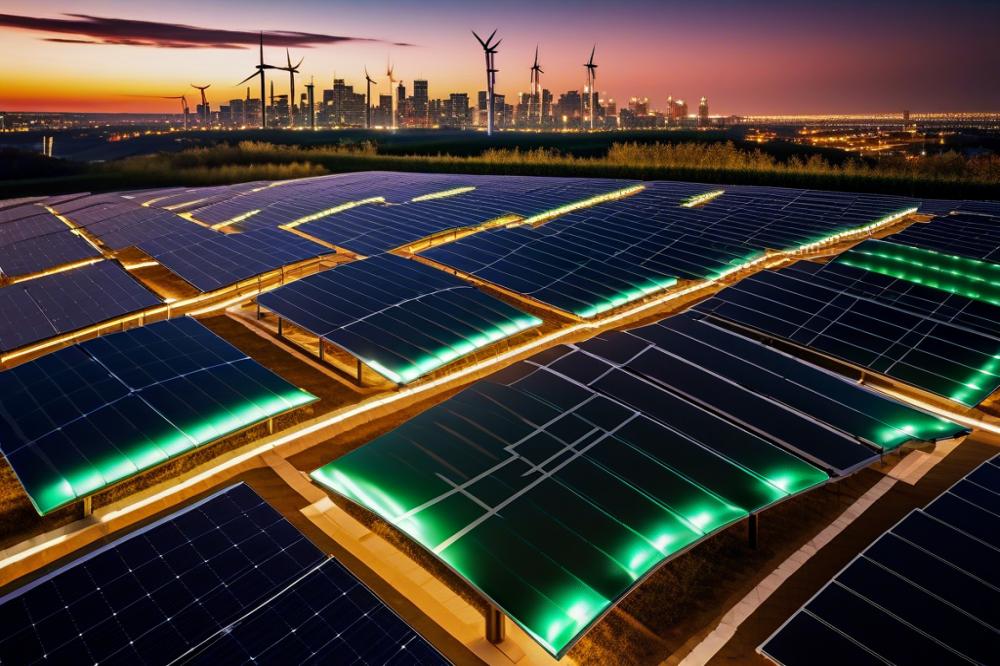
Climate change presents a myriad of challenges that require urgent attention. Smart Grids play a crucial role in reducing our carbon footprint. They help to integrate renewable energy sources like wind and solar into the electricity distribution network. This integration promotes energy efficiency and supports sustainable development. By optimizing how we use energy, these grids help the environment and reduce reliance on fossil fuels.
Furthermore, grid modernization is key to a sustainable future. It paves the way for demand response strategies that enhance energy efficiency. With tools like smart meters, consumers gain better control over their energy use. The Internet of Things (IoT) in energy management allows for real-time data collection, improving decision-making. Energy storage solutions enable us to harness power when it’s plentiful and use it when needed. This capability leads to a more resilient energy system that benefits everyone.
In conclusion, the evolution of smart grids is vital in our pursuit of Sustainability. By embracing advanced technology and renewable energy, we can create a cleaner, more efficient world. The future of energy is bright, and it begins with these innovative systems.
Understanding Smart Grids

The modern electrical network is transforming to meet today’s energy demands. A smart grid represents an advanced version of traditional electricity distribution systems. These systems use technology to improve operations and efficiency. With the integration of renewable energy sources, efficiency rises. Energy efficiency becomes a hallmark of these new networks.
Let’s consider how smart grids differ from conventional grids. Traditional electrical systems primarily involve one-way electricity flow. Power plants generate the energy, and it travels through transmission lines to consumers. In contrast, a modern grid enables two-way communication. This allows energy to flow not only to users but also from users back to the grid. Consumers can contribute energy from solar panels or wind turbines. This shift allows for a more resilient and adaptive energy system.
Grid modernization holds immense importance in the transition to a sustainable future. With increasing energy needs, the traditional infrastructure struggles to keep up. Upgrading to smart systems reduces inefficiencies and enhances reliability. Enhanced monitoring through smart meters allows for real-time tracking of energy usage. Consumers quickly see their power consumption patterns, encouraging energy efficiency.
Demand response strategies further improve energy management. These initiatives encourage consumers to adjust their usage during peak times, leading to reduced waste. Furthermore, IoT in energy enhances connectivity among devices, maximizing the use of energy storage solutions. As electric grids become smarter, the overall carbon footprint decreases. This modernization aligns perfectly with sustainable development goals.
Therefore, building smart technologies into our energy systems is crucial. Transitioning from old methods to innovative solutions prepares us for future challenges. By embracing these advancements, we enhance reliability and pave the way for greener alternatives.
Integration of Renewable Energy Sources
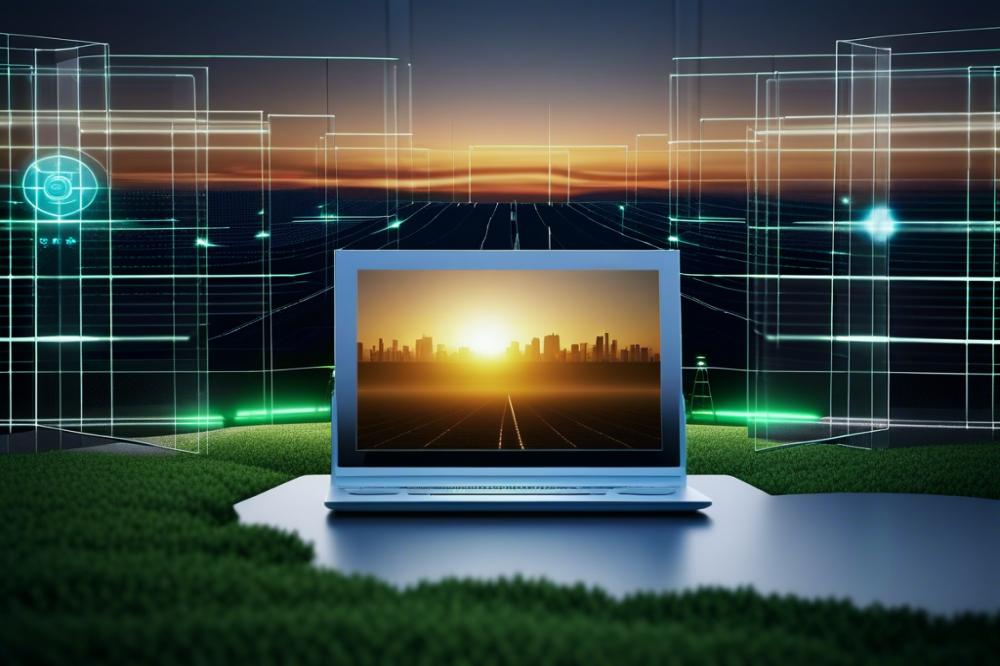
The role of smart grids in integrating renewable energy sources like solar and wind is crucial. These technologies enhance electricity distribution and management. With the growing reliance on clean energy, adapting our power systems is vital. Incorporating these resources helps communities transition to more sustainable energy solutions.
Real-time electricity distribution systems allow for better management of energy flow. Smart meters make it possible to monitor energy usage instantly. They help consumers see their consumption patterns. Electric companies can adjust supply based on demand response, which optimizes resource use. This flexibility ensures that excess electricity generated by solar panels or wind turbines can be quickly added to the grid.
Energy storage plays a significant role in grid modernization. Batteries store excess energy when production is high. During periods of low generation, this stored energy can be used, creating a balance. IoT in energy significantly enhances efficiency, making connections between devices seamless.
A decentralized energy model lowers our carbon footprint dramatically. Local energy production reduces transmission losses and fosters energy efficiency. Communities become empowered to generate their own electricity, driving sustainable development. This shift to localized resources promotes resilience against outages and fluctuating prices.
The integration of renewable energy sources leads to cleaner air and a healthier environment. By investing in smart grids, we pave the way for a sustainable future. Adopting these technologies means we can combat climate change effectively. Together, we can embrace energy choices that support our planet and future generations.
Enhancing Energy Efficiency and Demand Response

Energy efficiency practices are essential for a sustainable future. Smart grids help achieve these efficiencies through advanced technologies. For instance, smart meters allow consumers to monitor their energy use in real-time. This information empowers individuals to adjust their habits, leading to less energy waste. Additionally, grid modernization plays a crucial role in optimizing electricity distribution. By improving the infrastructure, utilities can reduce losses and promote better efficiency.
Demand response systems also significantly impact electricity consumption patterns. When energy demand peaks, these systems signal consumers to lower their usage. Participants may receive incentives for reducing their load during high demand periods. This encourages proactive energy management, leading to a more balanced grid. Demand response can flatten the demand curve, allowing for a smoother energy distribution. Ultimately, it enhances overall reliability and reduces the need for extra power plants.
Case Studies of Successful Energy Efficiency Initiatives
Several initiatives illustrate the effectiveness of smart technologies. A California program showcased how IoT in energy can revolutionize consumption patterns. By integrating smart devices in homes, that project reduced energy use by 20% during peak hours. Users were equipped with tools for real-time monitoring and notifications. This allowed households to make swift changes based on energy prices and availability.
Another notable initiative took place in Denmark, where wind energy was paired with energy storage. Here, smart grids enabled accurate predictions of energy demand. This combination allowed the country to rely heavily on renewable energy while minimizing its carbon footprint. The ability to store excess energy from renewables ensures consistent power delivery. Consumers enjoy reliable electricity while supporting sustainable development.
These case studies highlight the potential of smart grid technologies. Energy efficiency and demand response can pave the way for a greener future. By encouraging smarter consumption habits, we can reduce waste and support our planet. Collectively, these efforts benefit both individual households and society as a whole. The path towards enhanced energy efficiency can be forged through innovation and determination.
Smart Meters and IoT in Energy Management
Smart meters play a crucial role in monitoring and managing energy usage. These innovative devices provide detailed information about consumption patterns. Rather than relying on estimated readings, users can see exactly how much energy they use in real time. This transparency fosters better energy efficiency.
Moreover, the integration of Internet of Things (IoT) technologies elevates energy management to a new level. With IoT in energy, devices communicate seamlessly across the grid. Analyzing data from smart meters enables utility companies to gain insights that improve electricity distribution. They can identify trends, optimize energy flows, and predict demand more accurately.
Real-time data analytics driven by IoT enhances decision-making. Homeowners receive immediate feedback about their energy habits. Such information empowers them to adjust their usage, leading to reduced costs and a lower carbon footprint. Therefore, everyone can contribute to sustainable development through informed choices.
Additionally, IoT strengthens grid communication and reliability. Improved connectivity allows for quicker responses to issues. For instance, during a power outage, smart meters can instantly notify utility providers, leading to faster repairs. This capability is vital for grid modernization efforts.
Demand response systems also benefit from IoT enhancements. Utilities can manage energy demand more effectively during peak times. By adjusting power usage across numerous smart meters, they can maintain a stable and efficient grid. This coordination is essential for integrating renewable energy sources into the system.
Energy storage solutions become more effective when combined with smart meters and IoT. By tracking consumption and generation patterns, energy storage can be utilized strategically. This means excess power from renewable sources can be saved and used during high-demand periods.
In summary, the fusion of smart meters and IoT is transforming energy management. The immediate benefits for consumers and utility providers are clear. With smarter systems, a more sustainable future becomes not just possible, but attainable.
Energy Storage Solutions
Energy storage plays a crucial role in balancing supply and demand for electricity. Without it, renewable energy sources like solar and wind can lead to imbalances. They generate power when the sun shines or the wind blows, but often not when it’s needed. This mismatched timing can cause energy shortages or wasted resources. By incorporating efficient energy storage solutions, we can stabilize the grid and reduce dependence on fossil fuels.
Overview of Different Energy Storage Technologies
Several technologies exist for storing energy. Batteries are among the most well-known. They are versatile and can be used in homes and businesses. Lithium-ion batteries are popular for their efficiency and compact size. However, other types exist, such as flow batteries, which offer longer-duration storage. Pumped hydro storage is another major player. By pumping water uphill during low demand, this method stores energy. When demand peaks, the water is released to generate electricity.
Flywheels and compressed air energy storage are additional options. Flywheels use rotational energy, while compressed air systems store air in underground caverns. Each technology has its strengths and weaknesses, depending on the specific needs of the grid.
Role of Smart Grids in Optimizing Energy Storage Usage
Smart grids are essential in maximizing the potential of energy storage systems. They use advanced technology like smart meters and IoT in energy to monitor usage patterns and adjust the flow of electricity. These innovations help in utilizing stored energy more efficiently. Through demand response strategies, they shift energy usage to off-peak times, optimizing resources.
The integration of various storage technologies enhances energy efficiency. Smart grids not only communicate with storage devices, but they also manage electricity distribution intelligently. This reduces waste and lowers the overall carbon footprint of our energy systems. Effective grid modernization can pave the way for a sustainable future, driven by renewables and wise energy management.
Challenges and Future Directions
Implementing advanced grid technologies faces several obstacles. First, integrating renewable energy sources poses significant challenges. Traditional power systems often struggle to accommodate fluctuating energy supplies. Reliable electricity distribution becomes tricky without improved infrastructure. Moreover, the need for energy efficiency makes things complex. Innovative solutions like energy storage are essential, yet they come with their own hurdles.
Regulatory and financial barriers hinder progress in this field. Policymakers need to create frameworks that promote innovations like smart meters and IoT in energy. Current regulations often lag behind technological advancements. Funding for grid modernization projects presents another layer of difficulty. Many utilities fear the upfront costs involved. This reluctance to invest stifles potential improvements in renewable energy integration.
Fear of change affects many stakeholders. Utilities, consumers, and regulatory bodies sometimes resist modernization efforts. Concerns about reliability and costs often dominate discussions. A clear understanding of demand response programs can alleviate some anxiety. These strategies allow consumers to adjust consumption based on grid needs, promoting stability.
Future trends in smart grid development show promise for sustainable energy management. Focus on energy storage technologies is becoming increasingly important. Improvements in battery technology can enhance performance and lower costs. As renewable sources grow in prevalence, energy efficiency measures will also gain importance. Investments in electric vehicle infrastructure can create synergies within the energy ecosystem.
Enhanced communication technology will play a role as well. Upgraded systems will help to manage information flow efficiently. Smart meters equipped with real-time data can empower consumers to make informed choices. Lowering the carbon footprint involves engaging with users to promote sustainable development practices. Stakeholders must work together to build a resilient energy landscape.
Collaboration among government agencies, private companies, and communities is necessary. Finding unity will help tackle the challenges facing modern grids. A cooperative approach can spark innovative uses of smart technologies. Addressing financial and regulatory barriers together can lead to long-lasting solutions. This concerted effort can drive advancements towards a sustainable future.
Wrapping Up the Importance of Smart Grids
As we look at the future, it’s clear that smart grid technology plays a pivotal role in sustainable development. These systems help in optimizing energy use, dramatically improving energy efficiency. By integrating sources like renewable energy into the grid, we can reduce reliance on fossil fuels and lower greenhouse gas emissions.
Investment in these advanced technologies must continue. Researchers and engineers are discovering new ways to enhance grid capabilities. Innovation will be key in tackling pressing environmental challenges. More funding can drive breakthroughs that lead to smarter, cleaner ways of generating and distributing energy.
In closing, smart grids are not just a trend; they are essential for a sustainable future. They have the potential to connect communities with clean power and to empower individuals towards responsible energy consumption. A stronger focus on these technologies can transform our energy landscape, benefiting both people and the planet. Let us rally together to support this movement and secure a greener tomorrow.


