Essential Equipment for a Successful Fish Farming Operation
Overview of Fish Farming in the USA
Fish farming, or aquaculture, is a significant sector in the United States. This industry contributes to both economic growth and food security. Many people rely on it for fresh seafood. From Alaska to Florida, fish farms provide a variety of species, including trout, catfish, and tilapia. The practice involves raising fish in controlled environments. These settings can include ponds, tanks, or cages. The demand for sustainable and locally sourced seafood continues to rise. This presents both a challenge and an opportunity for fish farmers.
Importance of Proper Equipment for Success
Success in aquaculture hinges on using the right fish farming equipment. Without appropriate tools, farmers may struggle to maintain healthy stocks. The well-being of the fish depends greatly on their environment. Proper aeration, water filtration, and heating can all impact growth rates. Investment in quality equipment allows farmers to optimize this environment. This, in turn, leads to higher yields and better profits. Sustainable practices must be at the forefront of every operation. Using the right tools ensures fish are raised in healthier conditions.
Essential Types of Equipment
A variety of equipment plays a crucial role in fish farming. pond liners help maintain proper water levels in outdoor environments. aerators are vital for increasing oxygen levels in water. Water pumps are necessary for effective circulation. These devices remove waste and keep the water clean. Feeding systems are essential for delivering food consistently to fish. Automatic feeders can save time and labor.
Water quality testers monitor parameters such as pH, ammonia, and nitrites. These factors are crucial for fish health. Filtration systems help keep the water clean, which is essential for any healthy habitat. Tanks are used for species that require controlled environments. Heaters can also be essential, especially in colder areas. Farmers should familiarize themselves with various aquaculture tools. All these devices contribute to a successful operation.
In summary, the right equipment is the backbone of any fish farming venture. By investing in quality tools, farmers can optimize fish health and productivity.
fish farming equipment: Key Essentials
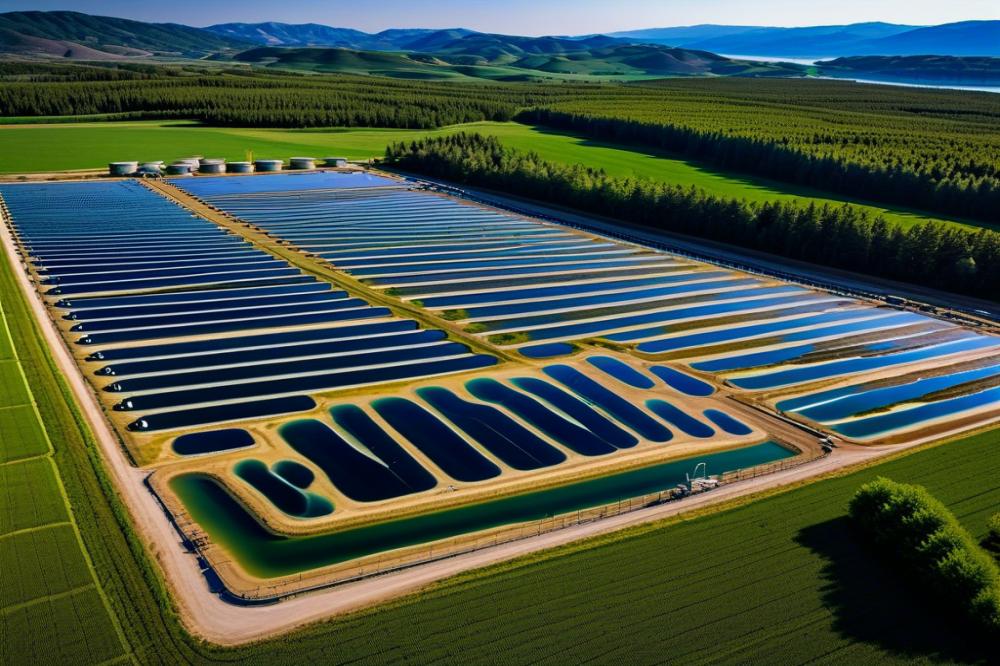
Fish farming equipment consists of various tools and machines that support aquaculture practices. These essential items help farmers keep fish healthy, maintain water quality, and ensure efficient operations. Understanding their significance is crucial for anyone looking to enter this industry.
Definition and Significance of Fish Farming Equipment
Essential equipment plays a key role in the success of fish farming. From feeding to habitat maintenance, these tools help create an optimal environment for fish growth. Without proper gear, farmers may struggle with disease management, water quality control, and feeding efficiency.
Categories of Equipment Used in Fish Farming
There are several categories of equipment necessary for effective fish farming. Each category serves a distinct purpose in maximizing productivity.
pond liners are vital. They help retain water and provide a suitable habitat for fish. Without these, farmers could face water loss and soil contamination issues. aerators are equally important. They oxygenate the water, promoting fish health and growth.
Water pumps ensure the efficient flow of water in and out of tanks or ponds. These pumps help maintain clean, oxygenated water, which is essential for fish. Feeding systems automate the process of fish feeding. Automatic feeders can save time and regulate the amount of food given, preventing overfeeding.
Water quality testers are crucial tools. They analyze various parameters, including pH and ammonia levels. Keeping water quality in check is vital for preventing diseases and ensuring fish stay healthy. For larger operations, filtration systems are necessary. These systems keep the water clean by filtering out waste and harmful substances.
Tanks come in different sizes and designs. They are commonly used for breeding and growing fish. Selecting the right type of tank can facilitate proper growth conditions. Lastly, fish nets are essential for catching and handling the fish. They ensure safe transfers and minimize stress on the fish during handling.
Heaters are often needed in colder climates. They maintain the desired water temperature, which can be key for certain species. Every piece of equipment contributes to a successful operation, making choices about each one vital for farmers.
Pond Liners and Tanks
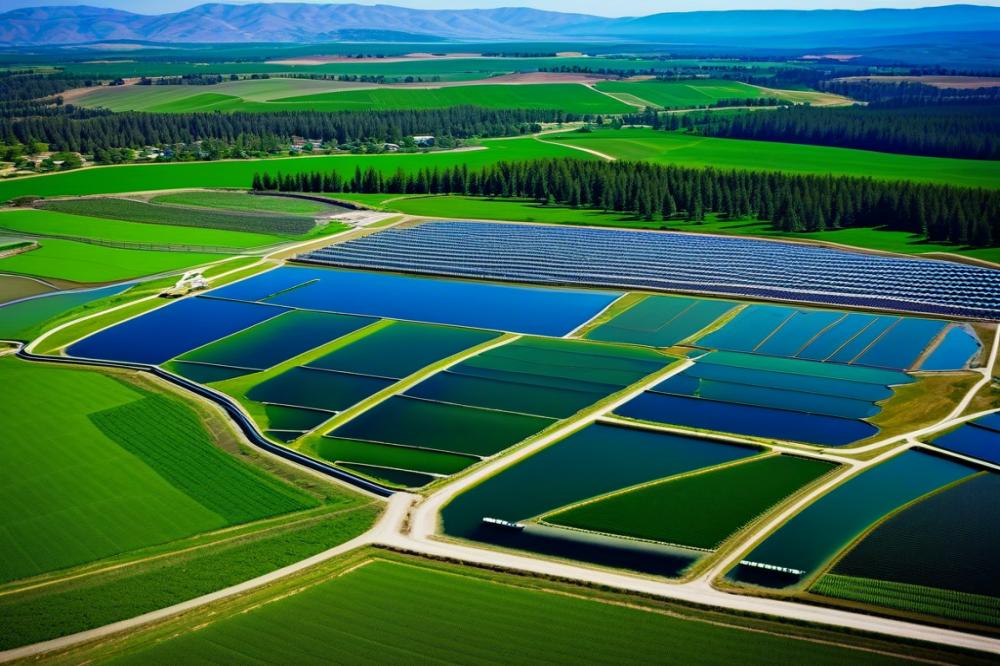
Pond liners play a crucial role in fish farming. They help retain water and maintain its quality. Without proper liners, water can seep out, leading to possible losses in fish health and stock. The quality of the water directly affects fish growth and overall operation success. Protecting this resource should be a top priority for any fish farmer.
Types of Pond Liners Suitable for Fish Farming
When it comes to pond liners, several types are available. PVC liners are popular because they are flexible and easy to install. They also resist punctures, making them a reliable choice for many farms. Another option is EPDM rubber liners, known for their durability and resistance to UV rays. Some farmers prefer the sturdiness of HDPE liners, though they can be more challenging to set up. Ultimately, the choice of liner impacts long-term water retention and fish welfare.
Overview of Tanks: Materials and Sizes
In addition to pond liners, tanks serve an essential role in aquaculture. Various materials such as fiberglass, plastic, and metal are utilized to build these structures. Each material has its advantages. For instance, fiberglass tanks are often long-lasting and resistant to corrosion. Plastic tanks are lightweight and easy to move but may not handle the same weights as metal. Sizes of tanks vary widely based on the type of fish being farmed and the scale of operations.
Consider the population density when selecting tank size. Larger tanks provide more space, which benefits fish health. Conversely, smaller tanks can optimize space and be more manageable when stocking volumes are low. It’s also important to include proper filtration systems to keep the water clean and breathable for the fish.
A well-designed system includes aerators and water pumps to circulate and oxygenate the water. Regular checks with water quality testers help maintain optimal conditions. Automatic feeders contribute to efficiency, allowing consistent feeding without manual labor. Using fish nets becomes crucial during harvesting and transporting, ensuring fish remain unharmed.
Aerators and Water Pumps
Aeration is vital for fish health. It helps maintain oxygen levels in the water, which is crucial for their survival. Without adequate oxygen, fish can become stressed and even die. Aerators play a key role here. They help to introduce air into the water, promoting a healthy environment.
Types of Aerators
There are two main types of aerators: surface and submersible. Surface aerators work by agitating the water’s surface. They allow oxygen in the air to mix with water. This method is effective for larger ponds. Submersible aerators, on the other hand, are placed underwater. They push air directly into the water column, which is beneficial for deeper tanks or ponds.
The Importance of Water Pumps
Water pumps are essential for circulation in fish farming operations. They help keep water moving, which prevents stagnation. Stagnant water can lead to poor water quality and the growth of harmful bacteria. Regular water changes are also necessary. Pumps make it easier to replace old water with fresh water, ensuring a healthier environment for the fish.
When combined with other equipment like pond liners, filtration systems, and heaters, aerators and pumps form the backbone of a successful fish-farming venture. Proper circulation and oxygenation support the overall health of the aquatic ecosystem.
In addition, feeding systems with automatic feeders can maintain a regular feeding schedule. While using water quality testers keeps track of essential parameters, nets help in managing the fish population. Together, this equipment creates a balanced and thriving aquatic habitat.
Feeding Systems and Automatic Feeders
In fish farming, feeding systems play a critical role. They help determine how efficiently fish are raised. Healthy growth depends heavily on the right feeding strategy. Fish require a balanced diet tailored to their species and developmental stage. The types of feeding options available can greatly affect production levels.
Overview of Feeding Systems in Fish Farming
There are various feeding systems used by farmers. Some systems are designed for manual feeding, while others incorporate technology. Manual feeding involves farmers distributing food themselves. This method requires careful observation of fish behavior. Fish respond to feeding times and amounts, and farmers must stay consistent. In contrast, automatic feeding systems offer diversity and convenience.
Types of Feeders: Manual vs. Automatic
Manual feeders are straightforward devices. They allow farmers to feed fish by hand. However, this approach can be time-consuming. It also requires more labor. Automatic feeders, though, change this dynamic altogether. They can dispense food at set intervals. Farmers can schedule feedings based on the fish’s needs. Features may include timers and portion controls, streamlining the feeding process.
Benefits of Using Automatic Feeders
Many fish farmers choose automatic feeders for several reasons. First, they save time and labor costs. When farmers can rely on machines, they have more time for other tasks. Additionally, these feeders promote consistent feeding routines. This can lead to improved fish growth rates and better overall health.
Using these systems also minimizes waste. Excess food is often a problem with manual methods. Uneaten feed can pollute water, affecting quality. Automatic feeders help manage portion sizes more effectively. They help maintain water quality by reducing uneaten food in tanks or ponds.
Another advantage involves disease management. Consistent feeding routines can weaken the spread of diseases among fish. This steadiness enhances fish survival rates and performance. Farmers can monitor feeding patterns easily using automatic systems. Many models include features for tracking consumption and adjusting feeds.
When it comes to fish farming equipment, choosing the right feeding system is vital. Automatic feeders can enhance the overall success of an operation. They integrate well with other essentials like water quality testers, aerators, and filtration systems. Farmers who embrace technology improve their chances of success in today’s competitive landscape.
Water Quality Testers and Filtration Systems
Monitoring water quality is crucial for any successful fish farming operation. Fish are sensitive to changes in their environment. Healthy water leads to healthy fish. Poor water quality can cause stress, illness, or even death in aquatic life. Farmers must keep a close eye on various water parameters to maintain optimal conditions.
Types of Water Quality Testers
Several types of water quality testers help in measuring essential factors. pH levels indicate how acidic or alkaline the water is. Fish thrive in specific pH ranges. Ammonia levels are equally important; they need to remain low to prevent toxicity. Nitrite levels also require monitoring. Elevated nitrites can endanger fish, leading to serious health issues. Using a range of testers allows farmers to gain a complete picture of water conditions.
Overview of Filtration Systems
Filtration systems are another key element in maintaining clean water. These systems help remove debris and other pollutants. Different types of filters can serve unique purposes. Mechanical filters capture larger particles, while biological filters promote beneficial bacteria growth to break down waste. Investing in quality filtration can make a significant difference.
Combination systems often bring together mechanical and biological methods. They work hand in hand to keep the water clear and safe. Aerators also fit into the picture by increasing oxygen levels in the water. Dissolved oxygen is vital for fish survival. Heaters might be necessary for certain species, especially during colder months. A well-balanced system ensures the right environment for fish to thrive.
Farmers should also consider water pumps for efficient circulation. They help distribute clean water throughout tanks or ponds. Regular maintenance of filtration systems and water pumps is equally important. Neglect can lead to reduced efficiency, affecting overall water quality. The use of quality pond liners helps prevent leaks and manage runoff, further contributing to a stable environment.
Overall, taking these steps in regards to water quality testers and filtration systems is essential. Strong practices set the foundation for a successful fish farming venture.
Heaters and Climate Control Equipment
Maintaining the right temperature is crucial in fish farming. Fish are ectothermic, meaning their body temperature relies on their environment. A stable climate can affect their growth, reproduction, and overall health. When water temperature fluctuates too much, it stresses the fish and can even lead to mortality.
Types of Heaters for Fish Tanks and Ponds
Various heaters are available, designed for different systems. Submersible heaters are common for tanks. They are often easy to install and can heat water efficiently. Another option is in-line heaters, which work well with filtration systems. They heat the water as it passes through, providing a continuous supply of warm water. Some farmers also use floating heaters for larger ponds. These devices float on the water surface and heat the surrounding area. Each type varies in how much space it can cover, so research on the best fit is necessary.
Overview of Climate Control Systems
Climate control systems bring advanced technology into fish farming. These systems can manage multiple factors like temperature and oxygen levels. For instance, aerators are a key part of these systems. They help keep water oxygenated, crucial for fish health. Without adequate oxygen, fish can suffer and die. Water pumps work in tandem with filtration systems to keep water clean and circulating. Controlling water quality is vital, so devices like water quality testers come into play. They monitor pH levels, ammonia, and nitrite concentrations, helping farmers make informed decisions.
Automatic feeders can also be linked with some climate control setups. They ensure that fish receive proper nutrition at regular intervals, which is vital for their growth. Pond liners can protect ponds from leaks and help maintain temperature by isolating water from the soil below. Effective management of these elements makes a fish farm thrive. Many systems can be tailored to unique farming needs, emphasizing the importance of planning.
Fish Nets and Handling Equipment
Types of Fish Nets for Different Sizes of Fish
Fish nets come in various types to cater to the needs of different sized fish. For smaller fish, such as fry, fine mesh nets are crucial. These nets prevent tiny fish from slipping through and allow for easy handling. As fish grow, larger nets with bigger mesh sizes become necessary. Catching larger fish requires sturdier nets made from materials that can withstand their strength.
Mesh size is especially important. If the holes are too big, the fish can escape. On the other hand, a net that is too small can cause injury. For active fish, nets designed for quick retrieval are beneficial. They help in reducing the time spent out of water, keeping the fish healthier.
Some farmers also use specialized nets for breeding. These nets often have softer materials, reducing harm during the delicate stages of reproduction. Selection of the right net can significantly impact the success of breeding and overall fish health.
Importance of Proper Handling to Minimize Stress and Injury
Proper handling of fish plays a crucial role in their wellbeing. Stress can lead to serious health problems, including disease. Equip yourself with the right skills to handle fish delicately. This includes using nets gently and avoiding excessive splashing.
Maintaining a calm environment can help fish feel safe during netting or transfer. Likewise, moving fish quickly from one location to another minimizes stress. In addition, it is best to have tools that reduce the distance fish travel outside the water. Handling equipment should be designed to provide support, like soft landing pads to cushion the fish.
Using the right equipment contributes to lowering physical injury, too. Fish can easily injure themselves if not handled properly while moving from tanks to ponds or when they are harvested. Therefore, investing in high-quality nets and handling tools is vital. Safe and gentle interactions can lead to healthy fish stocks and a productive farming operation, benefiting both farmers and customers alike.
Final Thoughts on Fish Farming Success
Using the right equipment is crucial for any successful fish farming operation. Quality tools and systems can make a significant difference in productivity and health of your fish. It’s not just about having fish in the water; it’s about creating an environment where they can thrive. Aerators, for instance, are vital for maintaining oxygen levels in ponds. Without them, fish can struggle to survive.
New fish farmers should recognize the value of investing in quality gear. Cutting corners might save money today but can lead to bigger problems down the line. Pond liners play a key role in controlling water quality and ensuring that the environment remains stable. Proper selection of reliable equipment will pay off in the long run, fostering a sustainable and thriving operation.
Looking at the future, fish farming in the USA holds immense potential. Demand for seafood continues to rise, and with advancements in technology, farmers have more options than ever before. By prioritizing the right tools and practices, new and existing farmers alike can adapt to changing market needs. In conclusion, don’t underestimate the impact of quality equipment on your fish farming journey. Embracing this knowledge will set the foundation for success in this vital industry.