
Exploring Rice Cultivation and Harvesting Workshops in Bali
Rice stands as a cornerstone in the diet of billions. Serving as a staple food, it fuels daily life and is deeply embedded in many cultures. In Bali, rice plays a pivotal role not just on the plate but also in the fabric of society. Local communities rely on agriculture for their livelihood, and rice farming is at the heart of it all.
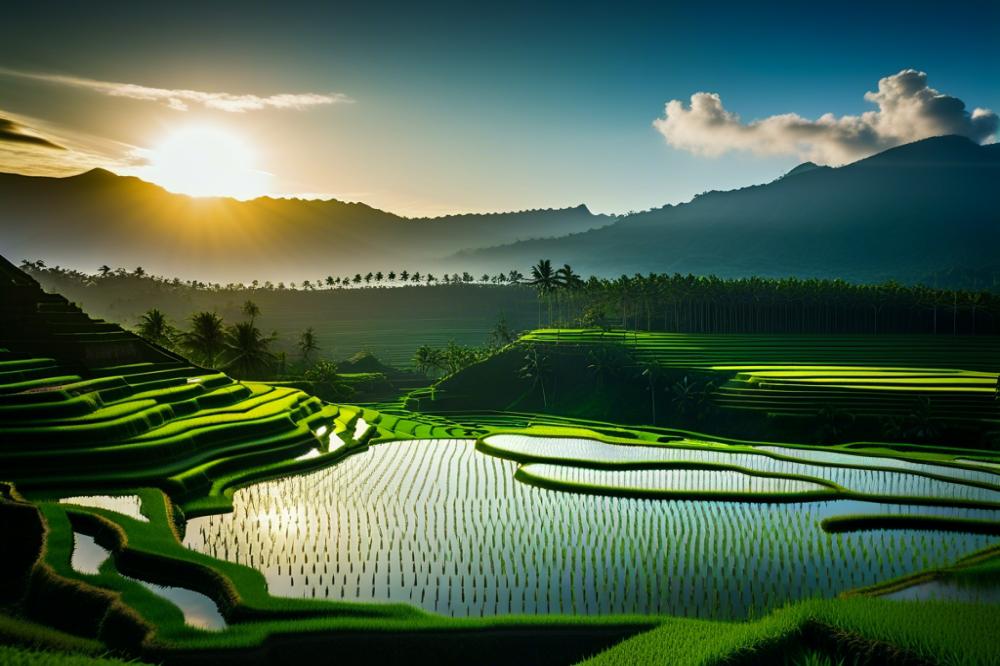
The importance of growing rice in Bali cannot be overstated. This island features stunning terraced fields that tell a story of dedication and sustainability. Those intricate systems have been developed over generations. Traditional practices persist, as farmers still use methods passed down through families. This connection to the land underscores Bali culture, binding people together through shared history and identity.
To further appreciate the art of farming, Bali Workshops on rice harvesting offer a unique opportunity for visitors. Participants gain hands-on experience and learn about sustainable farming techniques. Engaging with local farmers allows attendees to understand the significance of organic rice and its impact on the community. Such workshops not only promote agro-tourism but also foster a rich, rural experience for everyone involved.
Farming education in these workshops emphasizes respect for nature. By cultivating crops with care, people can understand the balance needed to thrive in harmony with the earth. Those who join in will find that rice farming is more than just a job; it’s a way of life that adds meaning and purpose in Bali.
Understanding Rice Cultivation
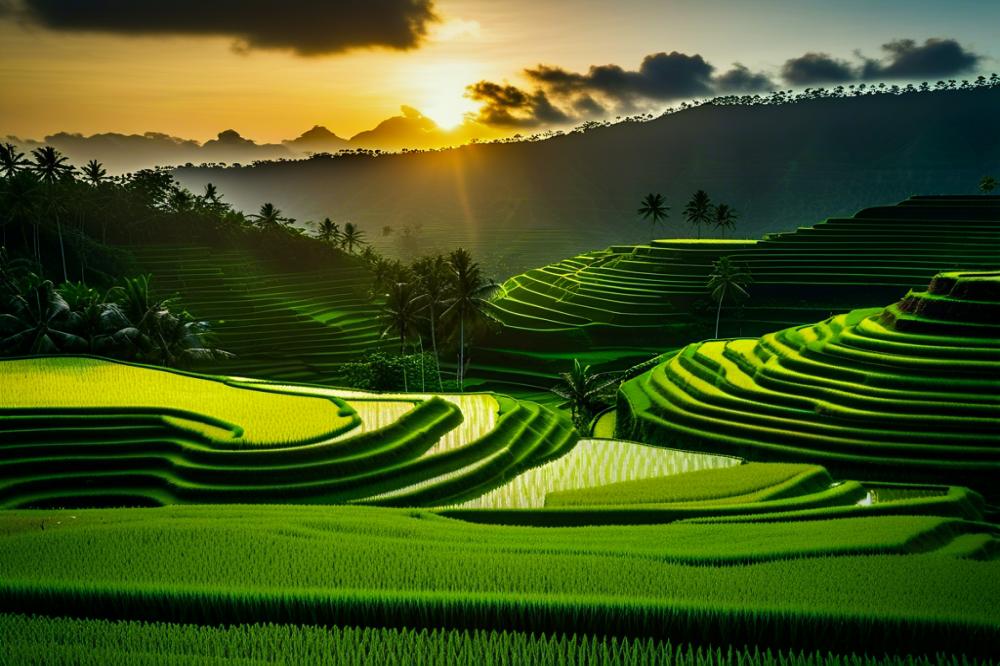
Rice plays a crucial role in the daily lives of many in Bali. Farmers rely on age-old techniques to cultivate this staple crop. Understanding these practices provides insight into the region’s agriculture. Traditional methods include the use of local seeds and organic fertilizers. Such approaches help maintain soil fertility and support biodiversity.
Overview of Rice Cultivation Practices
In Bali, rice planting often starts with the preparation of fields. Water management is essential; farmers create intricate irrigation systems known as subak. This method not only distributes water but also fosters a spirit of cooperation among local communities. Using diverse crop rotation practices, they safeguard against pest infestations. Farmers frequently engage in careful planning to time planting and harvesting closely with seasonal rains.
Traditional Practices in Bali
Many Balinese farmers still adhere to traditional practices passed down through generations. These customs reflect the island’s deep cultural ties to agriculture. Harvesting, for example, is often a communal effort. Families and neighbors join forces during the rice harvest; laughter and celebration fill the air. Rituals accompany farming activities, as offerings to the rice goddess are an integral part of Balinese culture.
Role of Agriculture in Balinese Culture
In Bali, agriculture is more than just a means of survival. It is a defining characteristic of the community’s identity. The cultivation of rice symbolizes life and prosperity. Festivals celebrating the harvest connect people to their past and to one another. Participation in agriculture helps to strengthen bonds within rural communities.
Sustainable Farming Techniques Employed
Sustainable farming has gained traction as environmental awareness increases. Many farmers now practice organic rice cultivation to minimize chemical use. Crop diversity is encouraged to enhance resilience against climate change. Agro-tourism also plays a role, allowing visitors to learn about these sustainable methods. Workshops focused on farming education provide hands-on experiences that deepen understanding of the land and its caretakers.
Local communities engage in efforts to preserve their environment while supporting livelihoods. These initiatives help to protect water sources and promote soil health. By embracing sustainable practices, farmers cultivate not just rice but also a future that honors both their heritage and the planet.
Rice Harvesting Workshops
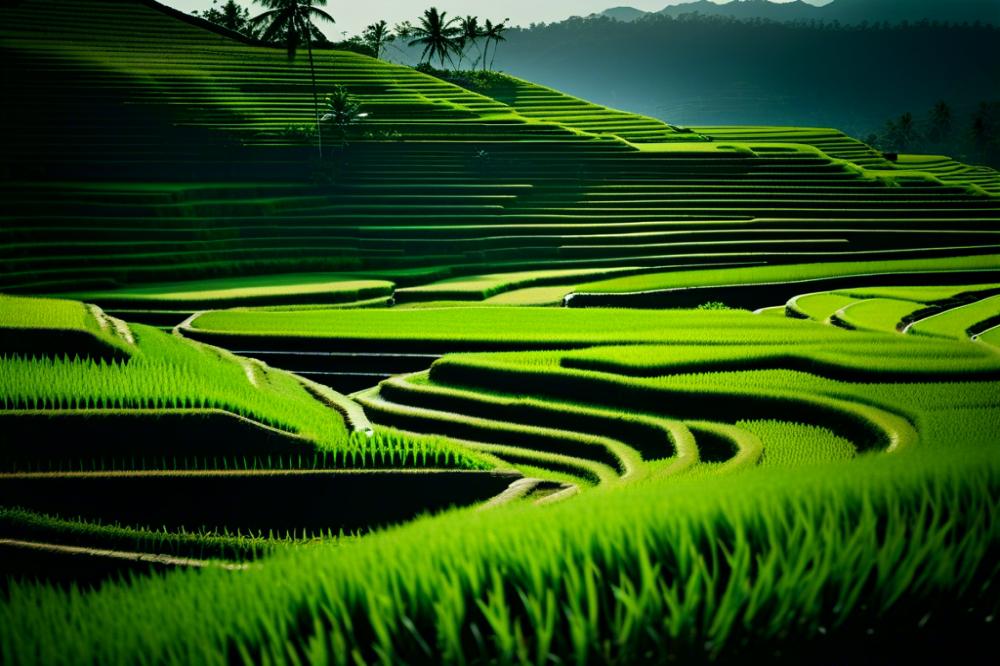
In Bali, rice harvesting workshops offer a hands-on experience for visitors eager to learn about agriculture and traditional practices. Participants find themselves immersed in the vibrant atmosphere of local rice fields. Guided by experienced farmers, these workshops provide insights into age-old techniques still used today.
Description of workshop experiences
During the workshops, attendees gain practical knowledge about the entire process of harvesting rice. Participants typically begin by learning how to identify ripe rice plants. The experience involves cutting the stalks, gathering sheaves, and using traditional tools. Each session is designed to be engaging and packed with information about Bali culture and the significance of rice in the community.
Techniques learned in rice harvesting
Essential techniques taught during the workshops include the proper way to cut and bundle the rice. Farmers emphasize the importance of timing in harvesting to achieve the best yield. Attendees may also learn about organic rice farming and sustainable practices that benefit the environment. By focusing on traditional methods, participants understand how these practices support the local ecosystem.
Connection to local communities and traditions
Connecting with local communities occurs naturally during these workshops. Participants often work alongside farmers, getting to know their stories and traditions. This interaction fosters a deeper appreciation for the rural experience in Bali. Understanding how rice is intertwined with local customs enhances the workshop atmosphere.
Benefits of participating in these workshops
Engaging in rice harvesting offers numerous benefits. Attendees receive valuable farming education directly from the source. Workshops also promote agro-tourism, allowing visitors to support local economies. Learning alongside experienced farmers can inspire a greater respect for sustainable farming practices. These workshops leave participants with a unique insight into Balinese culture.
Agro-Tourism and Cultural Exchange

Rice Farming as a Form of Agro-Tourism
Agro-tourism thrives in Bali, especially through traditional farming practices. Visitors flock to the island to learn how rice is cultivated. Exploring the art of rice harvesting provides a hands-on experience of Bali culture. Tourists often participate in planting and harvesting activities. This interaction allows them to appreciate the hard work behind their food.
Exploration of Bali’s Rural Landscapes
Bali’s countryside offers breathtaking scenery. Terraced rice fields stretch as far as the eye can see, creating a postcard-perfect backdrop. Walking through these lush landscapes allows tourists to escape the busy tourist spots. Nature becomes an essential part of the exploration. This rural experience speaks to many.
Impact on Local Economies and Communities
Agro-tourism ventures play a crucial role in boosting local economies. Farmers can sell organic rice directly to visitors, increasing their income. More tourists draw attention to surrounding businesses as well. Local communities benefit from this exchange, creating jobs and opportunities. It’s a win-win situation for everyone involved.
Cultural Exchange Through Farming Education
Farming education serves as a bridge between visitors and locals. Workshops teach tourists about sustainable farming methods and traditional practices. These sessions introduce Balinese customs linked to agriculture. Participants leave with newfound knowledge and memories. The interaction fosters understanding and respect between cultures. This blend of learning and sharing enriches the experience for all.
Organic Rice Farming in Bali
In Bali, organic rice farming has gained popularity. Many farmers have shifted to sustainable farming practices. These methods foster healthier crops and promote environmental benefits. By avoiding harmful chemicals, growers support soil health and biodiversity. This approach often leads to improved yields over time.
The importance of organic farming cannot be overstated. It connects directly to public health. When consumers choose organic rice, they opt for products free from pesticides and synthetic fertilizers. Such choices contribute to overall well-being. Furthermore, this movement nurtures a culture of sustainability. Balinese farmers learn to respect their land while producing high-quality crops. This blend of tradition and modernity plays a crucial role in agriculture today.
Support for local communities is evident through various organic rice initiatives. Many programs encourage farmers to embrace these eco-friendly methods. By promoting this type of agriculture, these initiatives strengthen rural economies. They create a path for young people to learn about sustainable practices. Education in farming is essential for continuing this rich legacy.
Engagement in agro-tourism is another benefit of organic rice practices. Visitors to Bali can experience the beauty of rice fields and the hard work behind rice harvesting. This interaction builds a deeper appreciation for Bali culture. Tourists gain insights into the significance of these farming practices firsthand. It fosters a connection between consumers and producers, which is often missing in modern food systems.
As these farmers embrace traditional practices, they create a unique opportunity for all involved. The landscape of Bali transforms, showcasing lush green fields. This visual appeal attracts more visitors, further benefiting local economies. Organic rice farming molds a path toward sustainable agriculture while enhancing community bonds. With support and increased awareness, the future looks promising for bali’s organic rice farmers.
Reflecting on the Importance of Rice Cultivation Workshops
Rice cultivation workshops in Bali hold great importance for both locals and visitors. These hands-on experiences allow participants to connect with the land and its traditions. They provide valuable insights into sustainable agriculture practices that are crucial for the island’s economy and culture. Understanding how rice is grown and harvested can deepen one’s appreciation for this staple food.
Engaging in these workshops is encouraged for anyone visiting Bali. They offer a chance to learn directly from farmers and to contribute to the community. Participants can experience firsthand the hard work involved in rice farming. Such knowledge can foster a greater respect for the food we eat.
Final thoughts reveal a rich tapestry woven from agriculture, culture, and community. Bali’s rice fields are not just picturesque landscapes; they are historical sites filled with stories and connections. The integration of traditional practices and modern techniques showcases the resilience of the local people. Joining a rice harvesting workshop helps ensure that these valuable customs continue to thrive.


