
Exploring Traditional Chinese Tea Culture and Growing Practices in Yunnan
Tea is more than just a beverage in China; it’s a symbol of tradition and a way of life. Across the country, various tea types showcase rich histories and methods. traditional tea ceremonies offer a glimpse into this cultural heritage. These rituals not only focus on the drink but also highlight respect, harmony, and the art of preparation. From green and black teas to oolong and white, each variety is distinct in flavor and preparation. Yet, among all these, one place stands out for its tea legacy.
Yunnan province is a significant player in the world of tea production. Known for its flavorful Pu-erh tea, it has earned recognition globally. The geographical conditions in Yunnan provide a perfect environment for tea growing. High altitudes, lush forests, and diverse microclimates foster a unique ecosystem for tea plants. Traditional methods persist here, where artisans harness centuries-old practices. Pairing sustainable farming with modern techniques promotes not only quality but also environmental health.
The importance of this region extends beyond production. Yunnan Tea Practices impact tea lovers and enthusiasts around the world. Many seek out artisanal tea from Yunnan for its distinct taste and health benefits. Understanding these practices gives context to the broader narrative of Chinese Tea Culture. It connects people to their roots and inspires others to appreciate the craft behind every cup. This article explores the essence of Yunnan’s tea-growing traditions and their significance in the context of courses in Asia.
Understanding Chinese Tea Culture
Historical Background of Tea in China
Tea has been a part of Chinese history for thousands of years. Evidence of its use dates back to around 2737 BC. Legend says Emperor Shen Nong accidentally discovered tea when leaves blew into his boiling water. Over centuries, this drink became intertwined with Chinese life. By the Tang Dynasty, drinking tea had evolved into a beloved social activity. Different regions started producing their varieties, leading to a rich diversity in flavors and styles.
Cultural Significance of Tea in Daily Life and Ceremonies
In China, tea is more than just a beverage. People drink it daily as a way to connect with family and friends. It plays a central role in various ceremonies, such as weddings and other important events. During tea ceremonies, each step is performed with grace and focus. The act of brewing and serving tea shows respect and hospitality. Observers often appreciate the delicate balance of flavors and aromas. Health benefits also add to tea’s appeal, which includes calming effects and aiding digestion.
Diversity of Tea Types and Their Origins
China is home to a vast range of tea types, each with its own history. Green, black, oolong, and white teas are just a few examples. Yunnan province is particularly famous for its Pu-erh tea, known for its earthy flavor and unique aging process. Each type reflects the region where it is grown. Growing conditions, climate, and methods influence taste and aroma. The diversity available means there is something for everyone, from casual drinkers to serious connoisseurs.
Artisanal Tea Production and Craftsmanship
Artisanal tea production showcases the hard work and skill of local growers. Many farmers in Yunnan practice sustainable farming techniques. They rely on traditional methods handed down through generations. This commitment to quality can be seen during the tea harvest, where each leaf is carefully picked at the right time. Beyond the harvest, artisans play a vital role in processing and crafting the tea. Their knowledge of fermentation and aging processes, especially for Pu-erh tea, adds depth to the final product. The result is not merely a drink, but a piece of cultural heritage cherished by many.
Yunnan Province: The Heart of tea growing
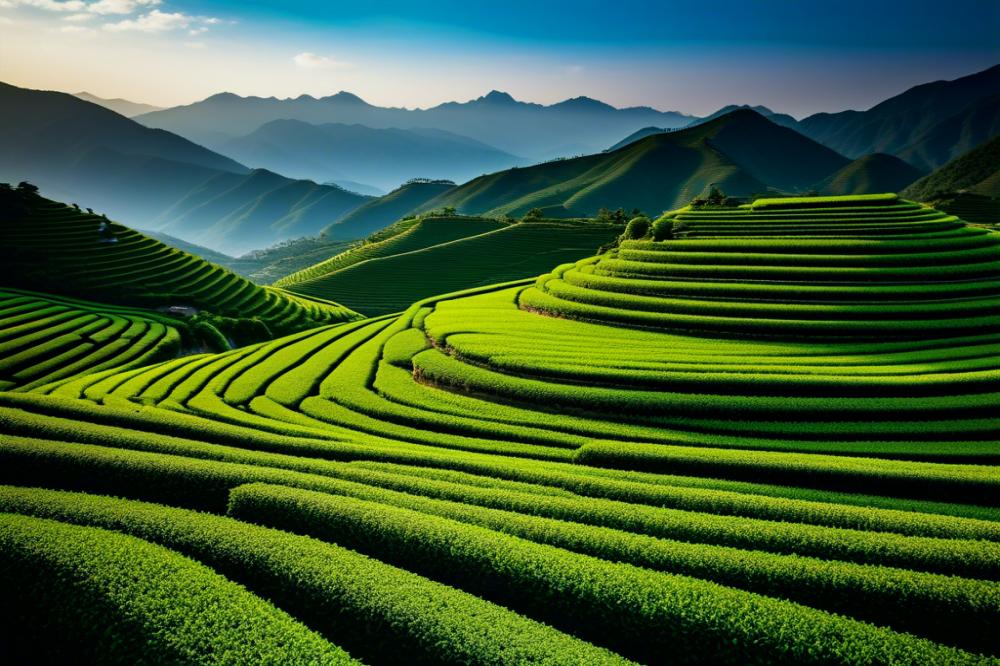
Yunnan Province holds a special place in the world of tea cultivation. Geographically, it benefits from high altitudes, fertile soil, and a varied climate. These elements combine perfectly to create an ideal setting for cultivating different tea varieties. The misty mountains and lush forests contribute to the unique flavor profiles that tea from this region is renowned for.
Among the many types grown, Yunnan is famous for its black tea and green tea. However, the most notable is Pu-erh tea. This traditional tea undergoes a unique fermentation process that sets it apart from others. Its earthy flavor and deep aroma appeal to tea drinkers around the globe. Along with its rich taste, Pu-erh is celebrated for its health benefits. Many claim it aids in digestion and aids weight loss.
Traditional vs. Modern Growing Practices
Tea farmers in Yunnan employ both traditional and modern growing practices. Traditional methods often focus on hand-picking tea leaves during the tea harvest. Careful attention to detail is essential during this time. Many farmers still practice sustainable farming to preserve their cultural heritage. Organic methods help maintain the integrity of the land and the quality of the tea.
Modern techniques, however, are becoming increasingly popular. These include better irrigation systems and advanced processing technologies. Some argue that modern methods can enhance efficiency, but others worry that quality may suffer. The heart of the tea culture lies in the balance between innovation and tradition. Tea ceremonies continue to honor the old ways while adapting to new ideas.
Artisanal tea production has gained momentum as well. Small-scale producers are finding a niche in the market. Their efforts focus on creating high-quality products that emphasize flavor and authenticity. Craftsmanship never goes unnoticed, especially in the world of tea.
Tea Harvesting and Production Techniques

Overview of the Traditional Tea Harvest Process
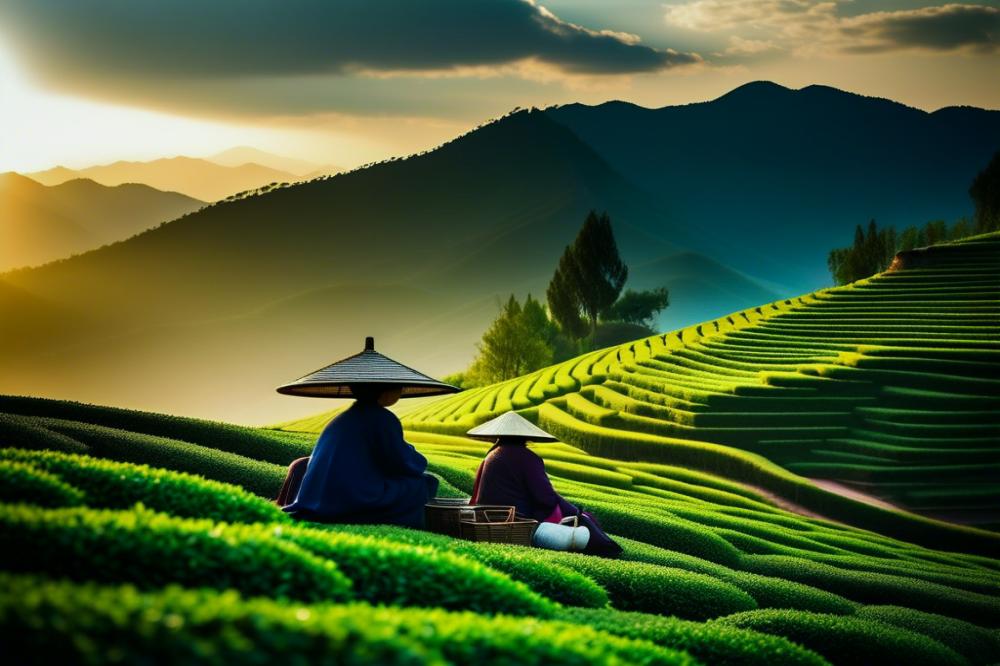
In Yunnan province, the tea harvest is a communal event. Farmers gather to pick tender leaves in the early morning. Each worker knows which shoots to select. This careful selection is crucial because the quality of leaves impacts flavor. Traditionally, only young buds and top leaves are harvested. This ensures the richest taste in the final product. After collection, the leaves are often spread out to wither, allowing the moisture to escape. It’s a time-honored practice that connects communities and preserves their cultural heritage.
Methods of Tea Processing and Their Impact on Flavor
Processing tea involves multiple steps, and each technique influences the taste significantly. For example, green tea requires a quick steaming or pan-firing after harvesting. This process locks in the fresh flavor and bright color. Black tea, on the other hand, undergoes oxidation, which develops a rich, bold taste. Pu-erh tea follows a unique fermentation process. It can be aged for years, improving its depth and complexity. Artisanal tea makers often experiment with these methods to create distinct flavors. This craftsmanship is what makes each cup special.
Sustainable Farming Practices in Yunnan
Embracing sustainable farming practices is essential in Yunnan. Farmers often utilize natural fertilizers and organic pest control. These methods promote soil health and preserve the environment. By avoiding harsh chemicals, growers maintain the integrity of their tea. This commitment to sustainability aligns with the desire to produce high-quality tea while protecting local ecosystems. Additionally, it offers numerous health benefits to those who enjoy the final product. Ensuring that local biodiversity thrives is vital for future generations.
Role of Tea Cooperatives in Supporting Local Farmers
Tea cooperatives play a crucial role in the lives of Yunnan’s farmers. These organizations offer training and resources to improve harvesting and processing techniques. Farmers benefit from shared knowledge and experience. They often get better prices for their products due to cooperative marketing efforts. This setup fosters a sense of community and strengthens local economies. Supporting cooperatives can help preserve traditional tea practices. Ultimately, they contribute to the sustainability of both tea farms and the cultural practices surrounding tea ceremonies.
Tea Ceremonies and Cultural Heritage
The art of tea ceremonies in Chinese culture reflects deep respect for tradition. In Yunnan province, where tea growing has flourished for centuries, ceremonies serve as a bridge between the past and present. Often, these events unfold within tranquil settings that allow participants to focus on the experience.
Rituals and symbolism associated with tea serving play an essential role. Each movement during the ceremony tells a story, from the careful selection of leaves to the precise way hot water is poured. For instance, using a traditional tea set can enhance the flavors of Pu-erh tea, a famous local variety. Furthermore, specific hand gestures signify respect towards both the tea and the guests.
Social interactions are heavily influenced by these tea ceremonies. Friends and family gather to share stories while sipping artisanal tea. Conversation flows naturally as the tea creates a warm atmosphere. Engaging in these rituals can strengthen relationships. Participants often leave with a sense of connection that extends beyond the cup.
The connection to wellness is significant as well. Tea offers various health benefits, from improving digestion to reducing stress. Many believe that slowing down for a tea ceremony allows one to reconnect with the self. The mindful practice of drinking tea can provide a moment of peace in a fast-paced world. It promotes not just physical health but also mental clarity.
In sum, tea ceremonies in Yunnan are much more than just a way to enjoy tea. They embody the region’s cultural heritage and philosophies about life. By participating in these ceremonies, people experience the rich traditions that have been passed down through generations.
Wrapping Up Yunnan’s Tea Culture
Yunnan is a cornerstone of traditional tea. This region stands out for its rich practices and unique flavors. Many people recognize the importance of tea in Chinese society. It is more than a beverage; it is a symbol of hospitality and community. Cultivating tea here is often a family affair, passed down through generations. This deep-rooted heritage shapes the very landscape of Yunnan.
Looking ahead, sustainable practices in tea growing will be crucial. As demand for tea increases, environmental impacts must be addressed. Farmers in Yunnan are beginning to embrace eco-friendly farming methods. Such approaches not only help the planet but also enhance the quality of the tea produced. Education plays a vital role in this transformation. Courses in food, cooking, and agriculture can guide new generations in preserving these traditions.
Encouraging further exploration into Yunnan’s tea culture can benefit many. By learning more about tea, individuals connect with different cultures and histories. Local tea ceremonies offer a glimpse into traditions that can strengthen community bonds. Preserving heritage through the art of tea is essential. This connection keeps traditions alive, ensuring they thrive for future generations. In conclusion, the beauty of Yunnan’s tea culture lies not only in its history but also in its potential for a sustainable future. Each sip of tea invites you to be part of that journey.


