Introduction
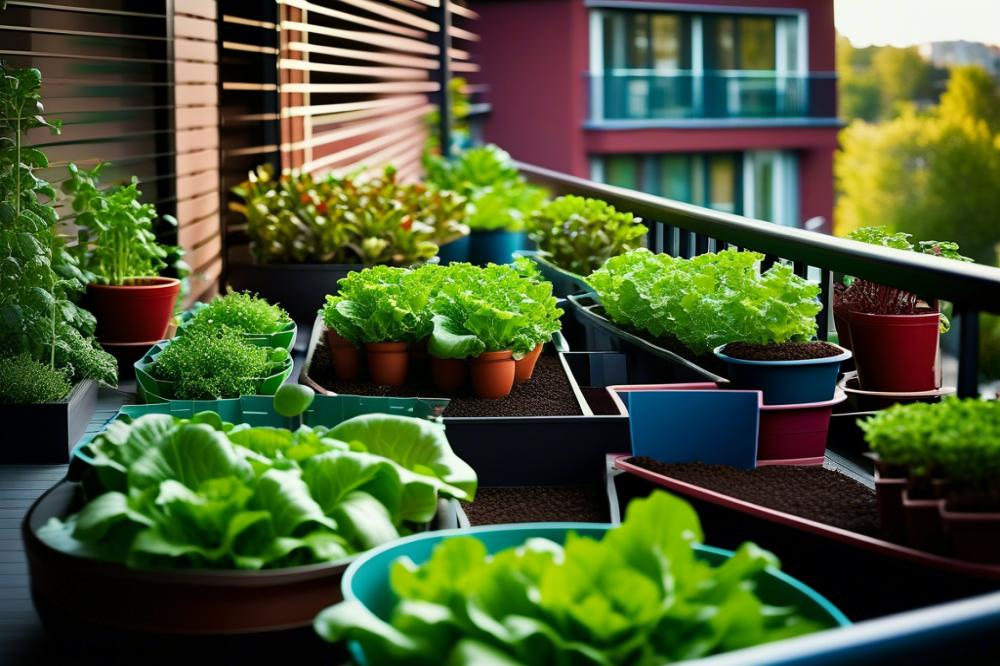
vertical gardening is becoming a popular method for those looking to maximize yield in limited spaces. Urban gardening often presents challenges, especially when dealing with small backyards, balconies, or even indoor setups. This technique leverages the vertical space available, which helps to grow a variety of plants in confined areas. This form of gardening not only enhances the aesthetic appeal of urban environments but also contributes to more sustainable practices.
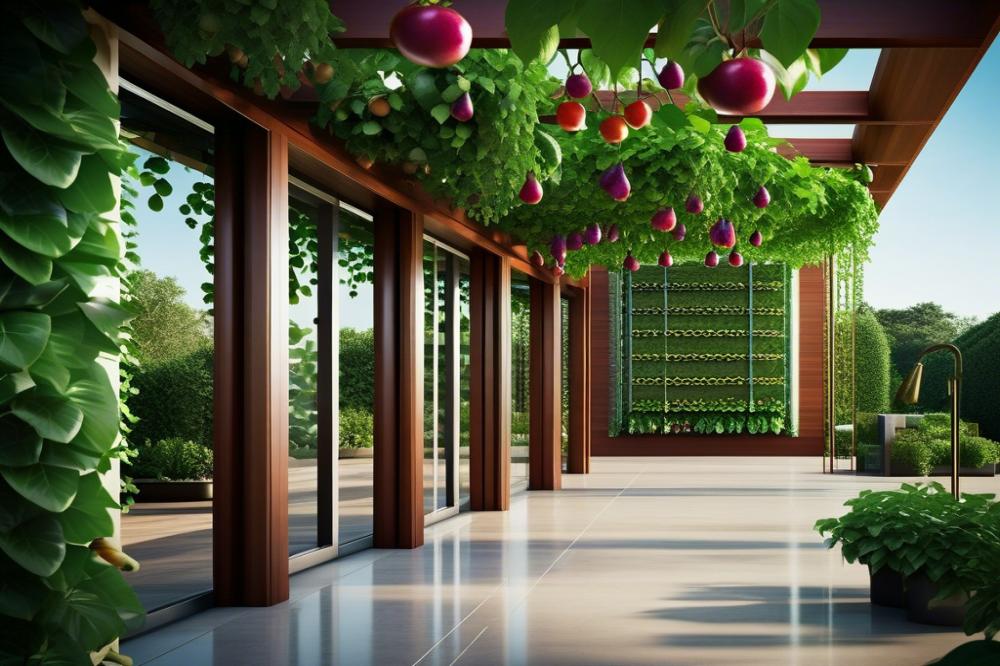
Many gardeners, both novice and experienced, find themselves eager to utilize effective gardening techniques that allow for better crop production. In cities, the need for space-saving solutions is higher than ever. Choosing the right plant variety can make a significant difference in overall success. For example, passion fruit offers a delicious treat while pole beans can provide hearty harvests. These plants grow well in vertical planters, making them perfect candidates for limited spaces.
Utilizing methods like crop rotation and companion planting in conjunction with a vertical garden can enhance plant health and yield. Growing guides are essential for anyone interested in understanding the requirements of different varieties. This can help to cultivate thriving plants, even when the available area is restricted.
As we dive deeper into this guide, you will discover the benefits of specific plants, ideal gardening setups, and valuable tips for thriving in smaller environments. With proper planning and the right choices, it is possible to cultivate lush, productive gardens that yield fresh produce year-round.
Understanding vertical gardening
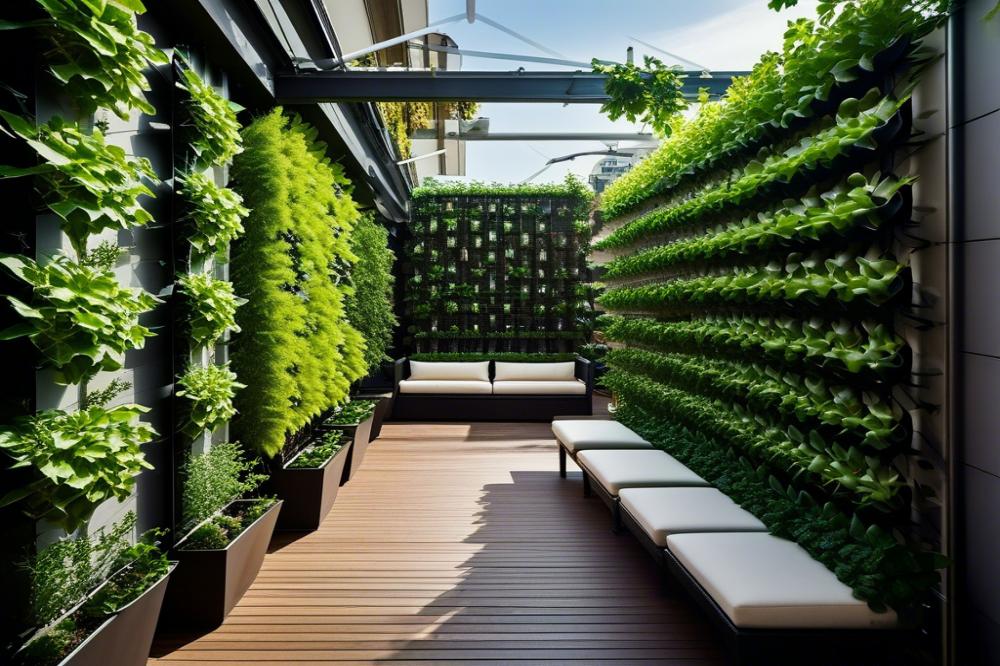
Vertical gardening refers to the practice of cultivating plants on vertical surfaces, which can dramatically change how we approach urban gardening. This method allows for the growth of various plant types, including exotic fruits like passion fruit and sturdy vegetables such as pole beans. By utilizing walls, trellises, and vertical planters, gardeners maximize their limited space.
One of the primary advantages of this gardening technique is its ability to save space. Urban areas often have restricted room for traditional gardening setups. Using vertical space opens up opportunities for more plants in a smaller footprint. This means greater yields from a smaller area, making it ideal for city dwellers who want to grow their own food.
Implementing space-saving methods is essential for enhancing yield. By stacking plants vertically, gardeners can take advantage of sunlight that would otherwise go to waste. Support structures allow for diverse plant varieties to climb, leading to better air circulation and reducing the risk of disease. Crop rotation can also be integrated within this framework, promoting soil health while providing a continuous harvest throughout the seasons.
Sustainable Practices and Environmental Impact
Vertical gardening is not just about saving space; it also embraces sustainable practices. Growing methods that focus on natural pest management and organic fertilizers contribute positively to the environment. Many urban gardeners strive to reduce their carbon footprint while cultivating fresh produce. This approach encourages a connection with nature, even in bustling cities.
Furthermore, using repurposed materials for vertical planters can be an excellent way to recycle. Consider old pallets or bottles turned into planters to create individualized garden spaces. Utilizing local resources not only supports community efforts but also reduces waste. Engaging in urban gardening builds awareness around food sources, inspiring healthier lifestyles.
Effective gardening techniques can transform balconies or small yards into productive spaces. These methods allow individuals to overcome challenges associated with limited space. Clear growing guides aid novice gardeners in navigating their journey, providing useful tips on what to plant and when. With careful planning and a willingness to experiment, anyone can enjoy the benefits of vertical gardening.
Choosing the Right Plant Varieties
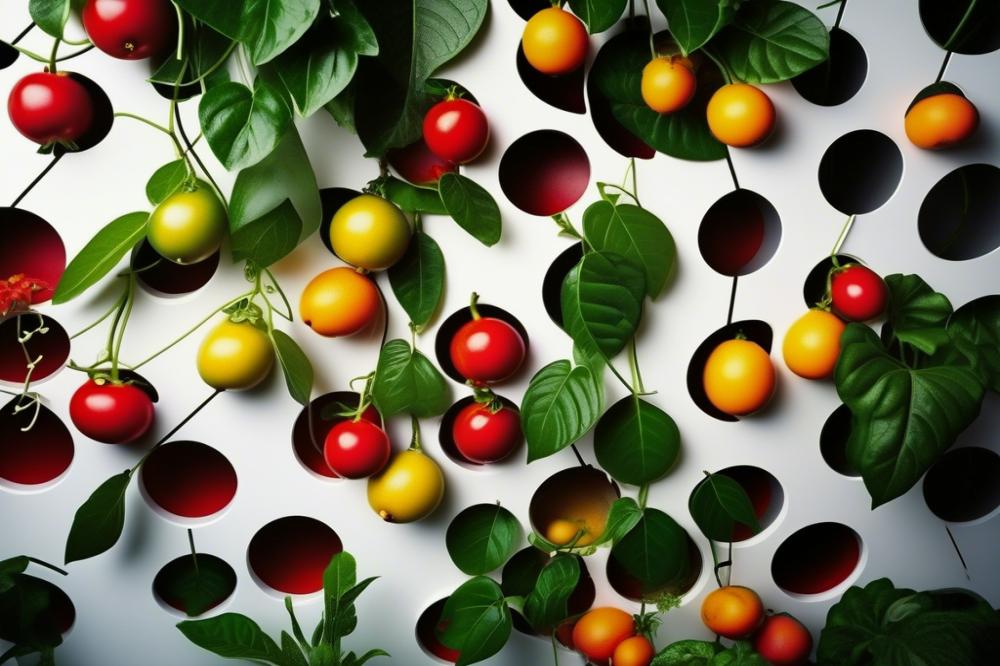
When starting out with vertical gardening, selecting the right plant varieties is crucial. Certain fruits and vegetables thrive better in this setup than others. Passion fruit and pole beans are two popular choices, each bringing its own advantages. Passion fruit vines climb quickly and produce delicious, aromatic fruits. They prefer warm climates and healthy, well-drained soil. Their vibrant flowers also add visual appeal to any garden space.
Pole beans are another excellent option for urban gardening. These legumes grow tall and provide a satisfying yield. They require support structures, such as trellises or cages, making them perfect for vertical spaces. The fresh beans can be harvested throughout the growing season. Plus, they enhance the soil by fixing nitrogen, which benefits future crops during crop rotation.
Other Popular Options
Some gardeners may opt for cucumbers, tomatoes, or peas. Cucumbers are notorious for sprawling across garden beds, but they also enjoy vertical planters. By training them to grow upwards, you can save space and simplify harvesting. Tomatoes, particularly indeterminate varieties, can reach impressive heights. Staking them vertically encourages air circulation and sunlight exposure. This can lead to increased fruit production. Peas, on the other hand, thrive in cooler weather. Their delicate tendrils naturally latch onto supports, making them ideal for vertical growth.
Climate and available space matter when selecting plant varieties. Not every fruit or vegetable will flourish in every environment. Warm climates support tropical plants like passion fruit, while cool-weather crops like peas excel in milder conditions. Urban gardening often involves limited space, so be mindful of how much room each plant needs. Researching specific growing guides can help you understand the nuances of each variety. Sustainable practices, such as companion planting, can also maximize productivity in your vertical garden.
Essential Gardening Techniques
Effective methods for vertical gardening can make a significant impact on your yields. Gardeners value space-saving techniques, especially in urban environments. Passion fruit and pole beans are just two plant varieties that thrive when given vertical support. Each type of plant has its own unique requirements, so do some research before choosing what to grow.
Building and Utilizing Vertical Planters
Creating vertical planters is crucial to maximizing your garden’s potential. You can build simple structures using repurposed pallets, old ladders, or even hanging pots. The materials you use can depend on what you have available. Accessing varying heights encourages plants to grow upward instead of sprawling across the ground. Ensure your structures can support the weight of the plants as they grow.
Importance of Crop Rotation in Vertical Gardens
Crop rotation plays a vital role in maintaining soil health. Each plant variety affects soil conditions differently. When you switch crops from season to season, you help prevent pests and diseases. This practice enhances your garden’s sustainability over the long run. Consider keeping a planting schedule to avoid repeating the same crops in the same spots too often.
Watering and Fertilization Techniques Unique to Vertical Setups
Watering and feeding your plants need special attention in a vertical garden. Using drip irrigation systems is particularly effective, as it minimizes water waste. It’s also essential to monitor moisture levels closely. Fertilization can differ from typical gardening. Liquid fertilizers may be more suitable for plants that grow upwards since they can deliver nutrients directly where they are needed.
Don’t forget about the importance of regular maintenance. Pruning and training plants can enhance air circulation and light exposure. With practice, you will find the right balance between plant care and maximizing your space. This attention to detail may yield impressive results, making your gardening efforts even more rewarding.
Setting Up Your Vertical Garden
Planning a vertical garden can be an exciting adventure. Start with a clear idea of what you want to grow. Passion fruit or pole beans can be excellent choices. Think about the natural light in your space. Some plants require full sun, while others do well in partial shade. Understanding your space is the first step in setting up your garden.
Step-by-step Guide on Planning and Installing a Vertical Garden
Begin by assessing your area. A balcony, courtyard, or even a small backyard can work. Choose a structure that will hold your plants. This could be a trellis, a wall-mounted system, or even shelves. With a unique design, you can create layers for different plant varieties. Prepare the area by cleaning up any debris. Good soil is key, so ensure you have high-quality potting mix.
Next, fix the vertical planters in place. Depending on the variety of plants, you can use pots or fabric pouches. If using pots, make sure they have drainage holes. Watering is important, but too much can drown the roots. Always monitor the moisture level in your soil.
Materials Needed for Vertical Gardening
Gather the right supplies before starting your project. Trellises are essential for supporting climbing plants. Materials like wood, metal, or even bamboo can create a sturdy frame. Containers are also necessary. They come in different shapes and sizes, so choose according to your space-saving needs.
Don’t forget to consider other accessories. Plant ties, garden stakes, and watering cans are helpful tools. A good set of gardening gloves will protect your hands. Make sure to keep these materials organized for easy access.
Design Ideas for Small Spaces and Urban Environments
Small spaces often require creative solutions. Use walls or fences to maximize your gardening potential. Vertical gardening techniques are perfect for urban settings. Hanging planters can add charm while saving space. Try adding shelves with pots for a layered effect.
Another idea is to incorporate crop rotation into your design. Different plants have unique needs, so rotating your crops can improve health and yield. Consider a mix of herbs, vegetables, and flowers in one vertical garden. This not only beautifies the space but enhances biodiversity.
Sustainable practices play a crucial role in urban gardening. Collect rainwater to hydrate your plants and reduce waste. Use organic fertilizers to promote better growth and health. Always choose plants suited to your local climate for the best results.
With various options, setting up a vertical garden can be rewarding. Embrace the challenge of growing everything from passion fruit to pole beans. Transformation awaits any underused corner of your yard or balcony.
Maintaining Your Vertical Garden
Ongoing care is essential for thriving vertical gardens. Consistent watering keeps plants hydrated. Consider using drip irrigation to save time and water. Check the soil moisture regularly, especially during hot spells. A good gardening technique involves mulching to retain moisture and suppress weeds.
Pest Management Strategies for Vertically Grown Plants
Pest issues can arise in any garden. Monitor your plants closely for signs of infestations. Neem oil is effective against many common pests. Introducing beneficial insects, like ladybugs, can help manage aphids and mites naturally. Companion planting provides another layer of defense. For example, planting marigolds among your pole beans can deter harmful insects.
Best Practices for Pruning and Supporting Climbing Plants
Proper pruning promotes healthy growth. Remove dead or yellowing leaves to improve air circulation. Train climbing plants like passion fruit to grow upward using trellises or vertical planters. Secure plants as they grow; use ties to prevent breakage during storms. Applying crop rotation is smart. It reduces diseases and exhaustion in the soil.
Urban gardening often requires creativity and adaptability. Choose a variety of plants that fit your space-saving needs while offering diverse harvests. Growing guides can assist novice gardeners in understanding specifics about each plant. Remember to assess each plant’s sunlight and space requirements for optimal growth.
Sustainable practices must remain a priority. Use organic fertilizers and compost made from kitchen scraps to nourish your plants. They not only enrich the soil but also contribute to a healthier environment. Keeping plants well-fed and happy is your goal.
Harvesting and Enjoying Your Yield
Knowing when to harvest your crops is key to enjoying the freshest flavors. For passion fruits, the skin should turn a deep purple or yellow, depending on the variety. Squeeze gently. If it gives a bit, it’s ripe. For pole beans, look for firm pods that are still young. Snap them off at the base. Both types benefit from being picked regularly, which encourages more growth.
Recipes and Uses
There are countless ways to include these crops in your meals. Passion fruit makes a delicious addition to desserts. A simple panna cotta topped with passion fruit puree is a showstopper. For a refreshing drink, try mixing the pulp with lemonade or sparkling water. Pole beans set the stage for savory dishes. Sauté them with garlic and olive oil for a quick side. Toss them in stir-fries or salads to add crunch and color.
Preserving Your Harvest
Preserving your vegetables extends their enjoyment well beyond the growing season. Freezing pole beans is simple. Just blanch them in boiling water for a couple of minutes, then cool in ice water before placing them in freezer bags. For passion fruit, you can scoop out the pulp and freeze it in ice cube trays. This way, you can enjoy its unique flavor in smoothies or sauces later.
Using sustainable practices can also help with storage. Glass jars are perfect for preserving various fruits and vegetables. Canning offers great shelf life when done correctly. Crop rotation adds nutrients to your soil, ensuring better harvests in the future. Remember to follow growing guides for specific techniques tailored to each plant variety.
Regularly check your garden for any overripe fruits or vegetables. They can attract pests, which is the last thing you want in an urban gardening setup. By managing your harvest wisely and utilizing creative cooking, your plants not only save space but also enhance your culinary adventures.
Wrapping Up: Embracing Vertical Gardening
Vertical gardening presents many benefits, especially for those with limited space. It allows you to grow a diversity of plants like passion fruit and pole beans while maximizing your available area. This innovative method captures sunlight more efficiently, leading to healthier plants and better yields.
Exploring vertical setups opens up a world of gardening possibilities. You can experiment with different arrangements and plant combinations, transforming your garden into a vibrant, living landscape. Don’t hesitate to try various support systems, from trellises to hanging containers. Each new attempt can bring a fresh perspective to your gardening experience.
Lastly, focusing on sustainable practices is crucial. Reducing waste and conserving water in your small garden helps the environment. Maximizing yield does not only benefit you; it also exemplifies a commitment to nurturing our planet. So, gather your seeds and let your creativity flourish. Embrace vertical gardening and watch your small space thrive, one green stem at a time.