
From Weeds to Wonders: Discovering edible native plants Across the US
Exploring edible native plants reveals a treasure trove of wild edibles waiting to be discovered across the United States. These plants are not only delicious but also rooted in the history and culture of many communities. Understanding local flora is essential. It connects people to their environment and helps them appreciate their natural surroundings.
People often overlook these plants in favor of conventional crops. However, embracing biodiversity through foraging can benefit both individuals and the ecosystem. Learning about these natural foods enhances our nutrition while fostering a stronger relationship with nature. Moreover, this knowledge is critical in our fast-changing world. Our food security depends on diverse sources of nourishment.
Sustainable eating is another benefit of tapping into local plant life. Utilizing wild edibles reduces reliance on mass-produced foods, which often harm the environment. Communities can cultivate not just their gardens, but also their health. Enjoying herbal remedies made from native plants adds value to personal wellness. An outdoor adventure can quickly turn into a vital lesson in self-sufficiency and resilience.
Gardening with these plants is an excellent way to support conservation efforts. Growing a variety of species helps maintain the ecosystem while providing families with fresh produce. Understanding and utilizing the edible native plants around us paves the way for a healthier, more sustainable future. As the journey from weeds to wonders unfolds, many will find that the path leads to delicious discoveries.
Edible Native Plants: A Culinary Treasure
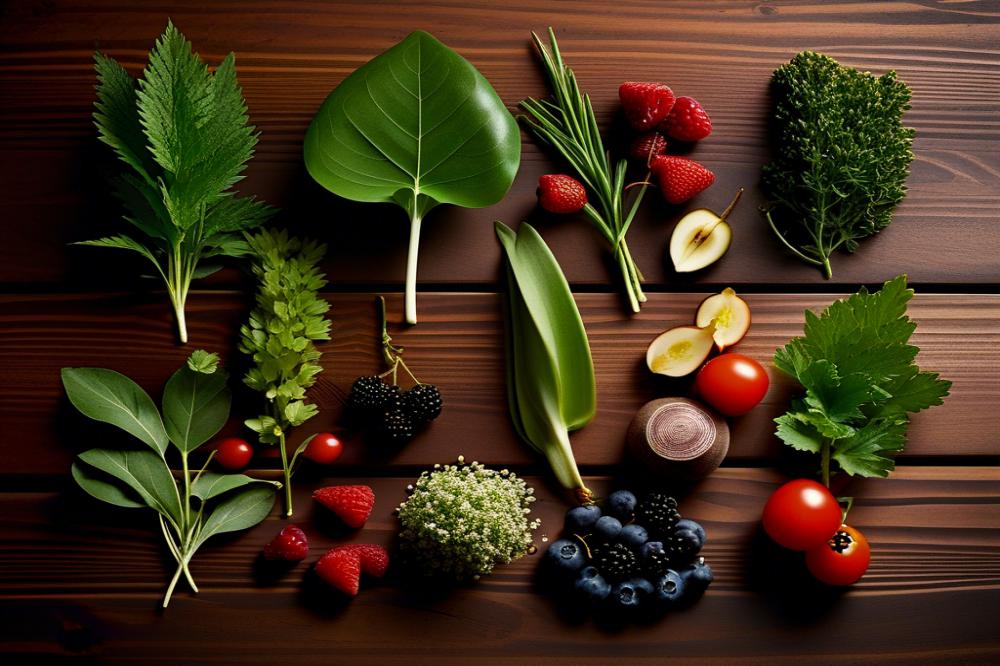
Edible native plants are those unique species that naturally grow in a specific area and can be consumed safely. These wild edibles play a significant role in our ecosystems. Across the United States, a variety of plants can be found that have not only culinary value but also historical importance. From dandelions to wild blueberries, these plants add flavor and diversity to meals.
Incorporating local flora into our diets has many benefits. For one, it supports sustainable eating habits by reducing reliance on commercially farmed products. Eating native species can also enhance food security within communities. Access to wild edibles fosters an appreciation for nature. This connection encourages outdoor adventure and personal exploration of one’s environment.
Nutrition is another critical aspect associated with these plants. Many native species are packed with vitamins, minerals, and antioxidants. Dandelion greens, for instance, are rich in calcium and iron. Purslane is another wild edible that offers high levels of omega-3 fatty acids. Integrating these plants into everyday meals contributes to a balanced diet.
Health benefits extend beyond basic nutrition. Some edible plants have been used for centuries as herbal remedies. For example, the leaves of the common elderberry are known for their immune-boosting properties. Greater biodiversity also promotes healthier ecosystems. A rich variety of plant life can enhance soil quality and support wildlife.
Gardening these native plants at home is a rewarding practice. Many of them require less water and care compared to non-native varieties. Growing your own wild edibles not only helps conserve local species but also offers fresh ingredients for your kitchen. Engaging with nature in this way enriches our lives.
Biodiversity and Conservation of Edible Native Plants
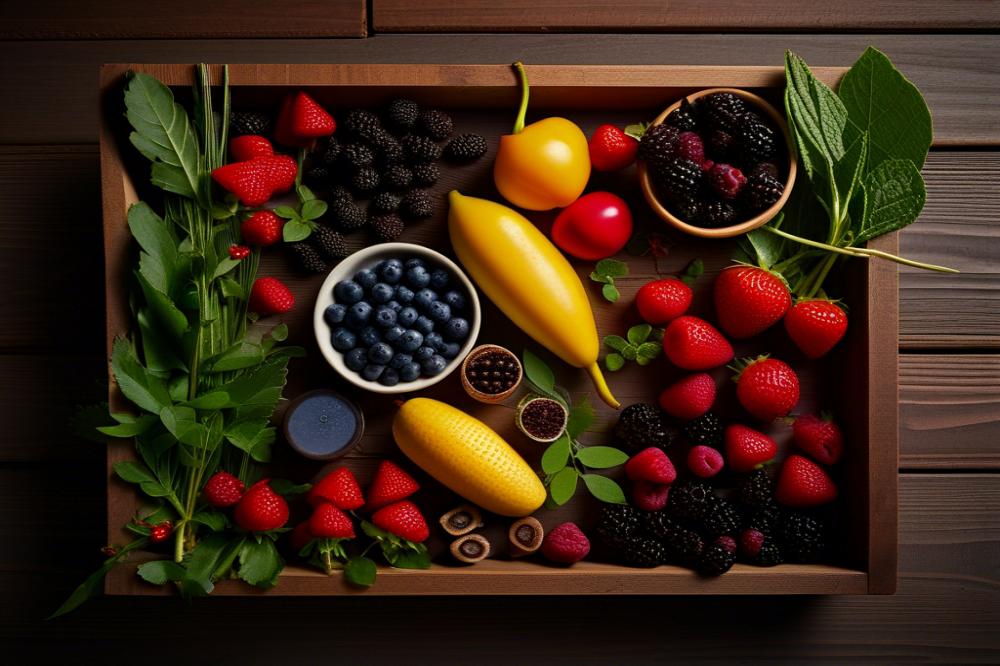
Wild edibles play a significant role in supporting biodiversity. They provide essential food sources for various animals and insects. By promoting a diverse ecosystem, these plants help maintain the balance of nature. Different species interact and depend on each other for survival, which is crucial for overall ecological health.
Conservation efforts related to local flora are increasingly important. Many native plants are threatened by urban development and climate change. Protecting these species means preserving habitats and ecosystems. Organizations and individuals work together to restore natural landscapes and educate others about the value of native plants.
foraging can impact local ecosystems in various ways. While it encourages connection with nature, overharvesting can be harmful. It’s vital to practice sustainable eating when collecting wild edibles. Responsible foraging methods help ensure that plants can regenerate and continue to thrive in their natural environments.
Protecting and preserving native plant species is essential for food security. These plants offer nutritious options for communities, especially those with limited access to fresh foods. Furthermore, they hold potential for herbal remedies, offering beneficial properties that have been used for generations. Gardening with native species can also foster a deeper appreciation for local ecosystems.
Exploring available options for conservation is a wonderful outdoor adventure. Identifying edible native plants encourages people to engage more deeply with their surroundings. Awareness of biodiversity can inspire action to protect these important species, promoting a healthier planet for future generations.
Herbal Remedies and Traditional Uses of Wild Edibles
Throughout history, native plants held significant value in herbal medicine. Indigenous peoples relied on local flora to heal ailments and enhance overall well-being. They understood the land and its gifts, passing down knowledge through generations. Today, as interest in sustainable eating grows, many are rediscovering these treasures in their backyards.
Common Edible Native Plants and Their Health Benefits
Blackberries, dandelions, and elderberries are among the wild edibles that offer impressive health benefits. Blackberries are rich in antioxidants and vitamins, important for boosting the immune system. Meanwhile, dandelions provide a wealth of nutrients, including vitamins A, C, and K. Elderberries are known for their potential to reduce the duration of colds and flu.
Traditional and Modern Uses in Herbal Remedies
Traditionally, these plants were indispensable in various cultures. Herbal remedies made from roots, leaves, and flowers were brewed as teas or used in poultices. Today, people are using similar methods, blending ancient practices with modern wellness trends. For instance, herbal infusions are gaining popularity in both health food stores and home kitchens.
Cultural Importance and Knowledge Sharing
Sharing knowledge about wild edibles plays a vital role in fostering community resilience and food security. Workshops and local gatherings focus on identifying plants and their uses. Through these interactions, people learn the cultural significance tied to each plant. Furthermore, this exchange enhances appreciation for biodiversity and promotes conservation efforts, ensuring these plants thrive for future generations.
Outdoor adventure often intertwines with the quest for understanding these herbal remedies. Foraging encourages connection with nature while educating participants on sustainable practices. Gardening is another way to cultivate this knowledge, allowing individuals to grow their own medicinal herbs. Embracing this rich history not only uplifts our diets but also strengthens our community ties.
Outdoor Adventure: Foraging for Edible Native Plants
Foraging for wild edibles is an exciting way to connect with nature. It offers a chance to explore your surroundings while gaining knowledge about local flora. However, safety and responsibility should always come first. Familiarizing yourself with the environment can prevent run-ins with harmful species.
Guidelines for Safe and Responsible Foraging
Start by learning the basics of foraging. Research native plants in your area. Always be cautious about where you gather. Avoid areas near roads or polluted sites, as these could have harmful contaminants. Additionally, limit your harvest to a small amount. This practice helps maintain biodiversity and allows others to enjoy these resources.
Tips for Identifying Edible Plants in the Wild
Identification is crucial when foraging. Some plants may look similar, but not all are safe to eat. Consider using a field guide or downloading a plant identification app. Observing the environment can also be helpful. Note the conditions where certain plants thrive. This knowledge enhances your ability to locate similar species.
Engaging in Outdoor Activities That Promote Knowledge of Local Flora
Participating in foraging workshops can be rewarding. Many communities offer classes led by experienced foragers. These events allow you to learn how to identify plants properly. Bringing along friends or family can make it a fun outing. Encourage everyone to participate in discussions about different uses, from nutrition to herbal remedies.
Connecting Foraging with Sustainable Living
Foraging promotes sustainable eating habits. It encourages people to appreciate what nature provides. Gathering food from local landscapes can reduce dependency on store-bought options. This shift not only supports food security but also fosters a deeper connection with the environment. Integrating foraging into your lifestyle can also complement gardening efforts, creating a holistic approach to conservation.
Gardening with Edible Native Plants
Creating a home garden with local flora can be both rewarding and educational. Utilize space in your yard to grow plants that not only nourish your body but also support the environment. Many wild edibles are perfect for this purpose. They thrive in various conditions and require less maintenance than traditional garden plants.
Growing these plants offers numerous benefits. Nutrition is a significant factor, as they are often richer in vitamins and minerals than cultivated varieties. In addition, these plants contribute to food security by encouraging people to forage sustainably. Biodiversity improves in gardens that include native species, and a healthier ecosystem develops over time.
Resources for Sourcing Native Plant Seeds and Seedlings
Finding seeds or seedlings can feel overwhelming, but several resources can help. Local nurseries often stock native plants, and many also provide guidance on what works best in your area. Online platforms are available where you can discover suppliers who specialize in indigenous species. Garden clubs and conservation groups can also offer insights and sometimes even exchange programs for seeds.
Creating a Sustainable Garden that Supports Local Ecosystems
Designing a sustainable garden means choosing plants that benefit the surrounding ecosystem. Consider incorporating herbs that provide herbal remedies, attract beneficial insects, and pollinators. By selecting these plants, you create an environment where nature thrives. This can encourage birds and other wildlife to visit your space, adding to your outdoor adventure experience.
Plan your garden layout with care. Companion planting can enhance growth and yield. For example, planting together species that have complementary needs not only beautifies your yard but also increases productivity. Maintaining soil health is crucial for sustainability, so consider methods like composting to enrich your soil naturally.
Investing time in gardening with edible native plants brings more than just fresh produce. It fosters a deeper connection to nature and raises awareness of conservation efforts. By taking these steps, individuals can make significant strides towards a more sustainable lifestyle.
Final Thoughts on Embracing Nature’s Bounty
Edible native plants play a significant role in connecting us to our environment. They not only offer unique flavors and nutrition but also remind us of the rich biodiversity that surrounds us. Exploring local flora can transform our understanding of food and nature. This journey can be educational and fulfilling, making us appreciate what our ancestors valued.
Discovering wild edibles in our backyards encourages us to look anew at familiar landscapes. It is astonishing how much we overlook in our quest for convenience. Many of these plants are resilient, growing abundantly without the need for pesticides or fertilizers. By embracing them, we can make more sustainable choices in our diets.
Taking time to learn about and gather these plants fosters a deeper connection to nature. For some, the act of foraging becomes a cherished activity, turning simple walks into treasure hunts. It’s also vital to respect local ecosystems while foraging. This mindset can help promote biodiversity and preserve the environment.
Sourcing food sustainably is a collective responsibility. As we learn to appreciate the edible gifts of our surroundings, we should also consider the impact of our choices. The methods we use in gardening and food sourcing can make a difference. Small changes at home can lead to broader positive effects for our communities.
In closing, let’s celebrate the bounty of our local landscapes. Exploring and utilizing what nature has to offer is a journey worth embarking on. With curiosity and respect, we can cultivate a more sustainable relationship with our food sources. So, step outside, discover what is growing around you, and enjoy the wonders of nature!


