Introduction
Growing your own leafy greens at home can be a rewarding experience. It offers numerous advantages, including fresh salads that taste better than store-bought options. Both arugula and spinach are perfect choices for home gardens. They are packed with nutrients, benefiting anyone looking to enhance their diet. Eating fresh salads contributes significantly to maintaining good health.
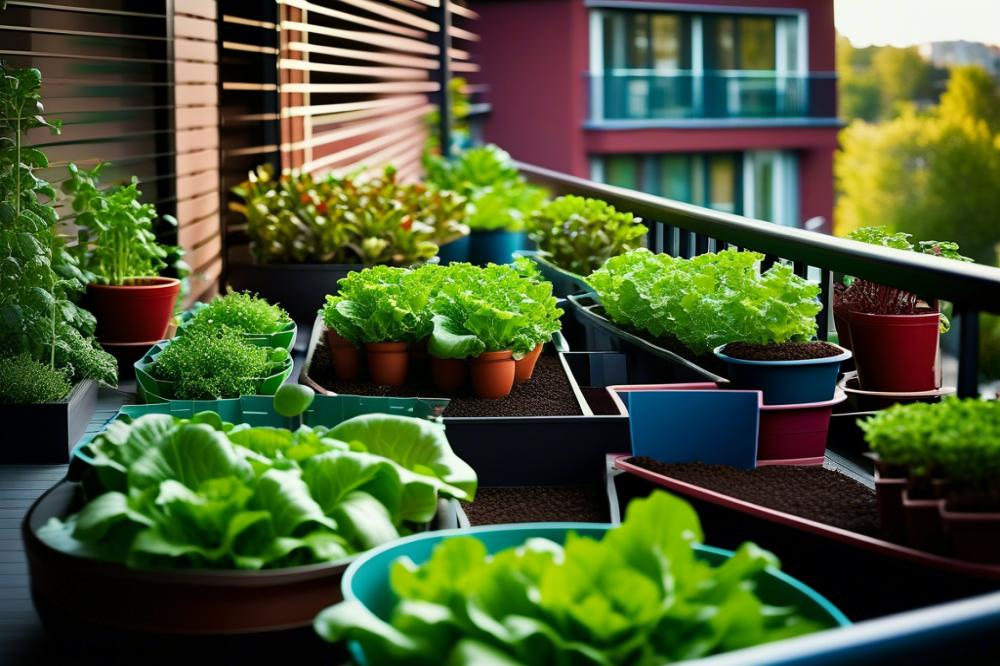
Home gardening has become popular among individuals who want to connect with nature. Planting leafy greens is relatively easy. With simple planting tips and knowledge of their soil requirements, you can quickly create a thriving garden. You don’t need a large space; even small patio gardens or balcony boxes can yield a plentiful harvest.
Many enjoy the process of nurturing plants. The satisfaction derived from watching seeds sprout and grow cannot be overstated. As they develop, you can look forward to using them in various salad recipes. Knowing that you cultivated your greens adds to the joy of creating meals.
Understanding growing conditions is essential for success. Knowing what plants grow well together can enhance your gardening experience. This practice, known as companion planting, can create a more vibrant and productive garden. Taking the time to learn about these aspects makes gardening enjoyable and fruitful.
Understanding arugula
Arugula is often celebrated for its peppery flavor that adds a bold kick to fresh salads. This leafy green belongs to the mustard family. Many home gardeners appreciate it for its fast growth and simple care. Its taste may surprise those new to it, as it holds a spiciness that contrasts beautifully with other milder greens.
Nutritional Benefits
This green is more than just flavorful. It is packed with essential nutrients. Arugula is rich in vitamins A, C, and K, all of which are crucial for overall health. It also provides calcium, iron, and potassium. Including these leafy greens in your diet can promote healthy bones and support the immune system. Salad recipes that incorporate arugula can enhance not just flavor but also nutrition.
Ideal Growing Conditions
The best growing conditions for this plant include cooler temperatures. Spring and fall are prime seasons for planting. Arugula thrives when temperatures range between 45°F and 65°F. These conditions help the plant develop its characteristic flavor. If the weather gets too hot, it may bolt quickly. This means it will flower and go to seed, leading to a bitter taste.
Soil Requirements
Soil requirements for optimal growth are straightforward. A well-draining, fertile soil is ideal. This leafy green loves a pH level of 6.0 to 7.0. Adding organic matter, like compost, helps improve soil structure. Such amendments provide nutrients and aid in moisture retention. Keeping the soil consistently moist can also encourage robust growth. Companion planting with herbs like basil or parsley can enhance the development of arugula, as they protect against pests and promote healthy growth.
Getting Started with spinach
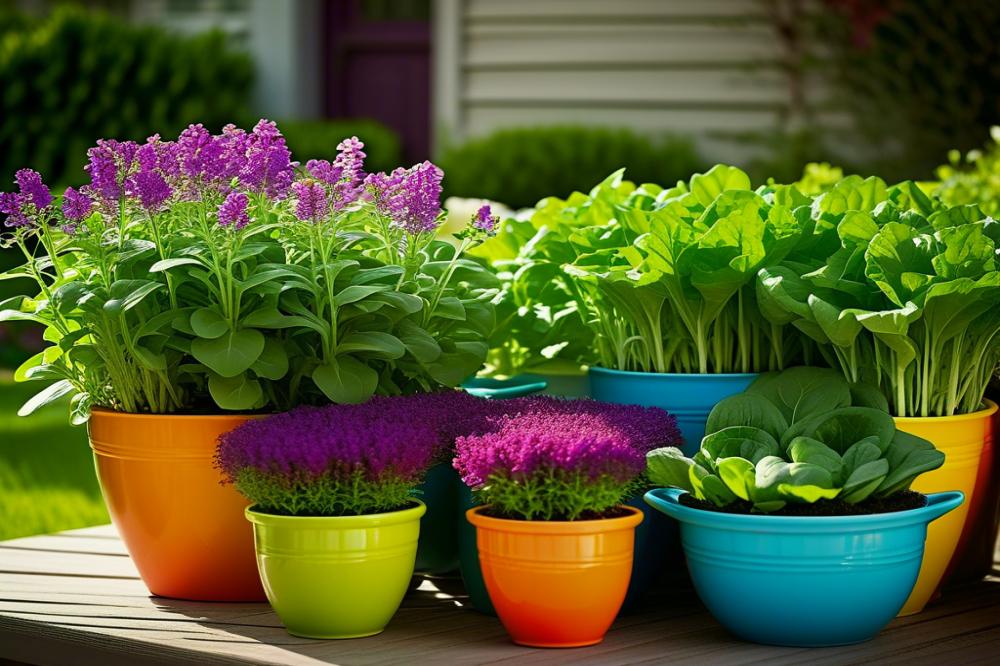
Spinach, a leafy green, is popular for its versatility. You can include it in many dishes, especially fresh salads. This nutritious vegetable is not only tasty but also loaded with health benefits. Rich in vitamins and minerals, spinach is an excellent source of iron, calcium, and various antioxidants. Eating it may support overall health and boost energy levels.
Best Planting Seasons for Spinach
Timing is key when growing spinach. Early spring is often the ideal time to plant seeds. Some gardeners choose to sow them again in late summer for a fall harvest. Spinach loves cooler temperatures. This means it can thrive even when the weather is not hot. Timing your planting can lead to a robust crop, giving you plenty of leaves for your meals.
Soil and Growing Conditions for Healthy Spinach
Soil requirements for spinach focus on a rich, well-draining medium. Opt for loamy soil that is high in organic matter. A pH level between 6.5 and 7.5 is perfect for this leafy green. Well-prepared soil helps spinach plants absorb nutrients more effectively. Good growing conditions include moderate sunlight and proper watering. Spinach prefers consistent soil moisture, so avoid allowing it to dry out completely.
Companion Planting Saves Space
Using companion planting can benefit your spinach crop. For instance, planting spinach alongside radishes or lettuce can maximize your garden space. These plants can share resources and help each other thrive. Knowledge about planting tips can lead to better yields, making your home gardening more successful.
The process of harvest is rewarding. Once the leaves reach a usable size, pick them regularly to encourage growth. Freshly harvested spinach can be eaten raw or cooked in numerous salad recipes. This vegetable is simple to grow and offers a wonderful addition to your meals.
Planting Tips for Arugula and Spinach
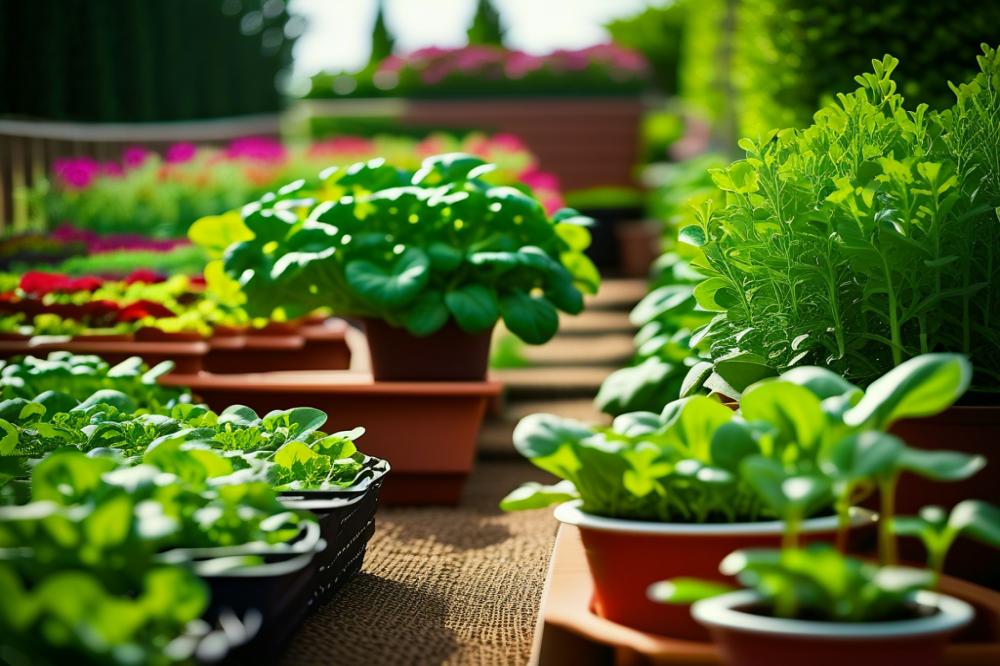
Planning to grow leafy greens can be exciting. Start by selecting the right time for planting. Both arugula and spinach thrive in cooler weather. Early spring or fall provides the best growing conditions. Soil needs to be well-draining and rich in nutrients. Aim for a pH of slightly acidic to neutral for optimal growth.
Step-by-step Planting Guide
Begin by preparing your garden bed. Loosen the soil using a garden fork or tiller. Remove any weeds and debris. Following this, amend the soil with compost to boost nutrients. Sow seeds directly into the ground, planting them about half an inch deep. Spacing is also important. For arugula, leave about 6 inches between each plant. Spinach can be spaced closer at around 4 to 6 inches.
Spacing and Depth Considerations
Proper spacing allows for air circulation, helping to combat disease. Overcrowded plants can lead to stunted growth and poor yields. Mark rows or zones visually to keep your planting organized. Pay attention to soil depth; deeper roots generally create healthier plants. This factor supports better nutrient uptake as well.
Companion Planting Ideas
Thinking about companion planting can benefit your garden. Certain plants like carrots and radishes grow well alongside spinach. They create a thriving ecosystem that can repel pests. Basil can enhance the growth of your leafy greens, adding flavor to your salads too. Planting marigolds nearby can deter unwanted insects. This strategy can lead to more successful crops overall.
Watering and Maintenance Tips
Water your plants consistently but avoid overwatering. Moist soil is crucial, especially in hot weather. A drip irrigation system can keep moisture levels stable. Regularly check for pests or diseases. Quick action can prevent larger problems. Mulching around your plants can help retain moisture and suppress weeds. Monitor growth, and harvest leaves regularly. This practice encourages more leaf production, providing fresh salads all season long.
Harvesting and Storing Your Greens
When to Harvest Arugula and Spinach for Peak Freshness
Timing is crucial when it comes to harvesting leafy greens. For spinach, the best time is usually when the leaves are young and tender. This often occurs around 30 to 45 days after planting. Arugula, on the other hand, should be harvested before it flowers. Once it begins to flower, the leaves can taste bitter. Generally, look for large, vibrant leaves. If they start to wilt or droop, it’s time to pick.
Proper Techniques for Harvesting Leafy Greens
Using the correct methods can help you maintain the quality of your greens. A sharp, clean knife or scissors works best for cutting the leaves. Cut the outer leaves first, while leaving the inner leaves to continue growing. This technique allows for multiple harvests over time. Always avoid pulling plants by their roots to prevent damage. Gentle handling is key to preserving their crispness and nutrients. Remember, excessive handling can bruise the leaves.
How to Store Fresh Arugula and Spinach to Maintain Quality
Storing your greens properly is essential for keeping them fresh. Start by rinsing the leaves in cold water to remove dirt. Pat them dry using a clean kitchen towel or a salad spinner. Once dry, pack them loosely in a plastic bag or reusable container lined with a paper towel. This helps absorb excess moisture. The ideal storage temperature is in the fridge’s crisper drawer, where they can last about five to seven days.
Consider checking for wilting and using them in salad recipes. Using them fresh will help you get the most out of their impressive nutrients.
Incorporating Greens into Fresh Salads
Ideas for Salad Recipes Featuring Arugula and Spinach
Fresh salads can burst with flavors when you include leafy greens like spinach and arugula. Imagine a simple yet delicious mix of these greens with cherry tomatoes, cucumber slices, and crumbled feta cheese. This combination provides a nice contrast in textures. For a heartier option, try adding roasted chickpeas. They add protein and a satisfying crunch.
You can also create a warm salad by sautéing spinach with garlic and olive oil. Top it with grilled chicken and a sprinkle of parmesan cheese. This dish is a filling meal on its own. For a unique twist, toss in some strawberries and walnuts for a refreshing colder salad. The sweetness from the fruit pairs beautifully with the earthy greens.
Mixing Greens with Other Ingredients for Balanced Flavors
Balancing flavors is key to a great salad. Combine spinach with tart ingredients, like pickled onions or a splash of lemon juice. This contrast enhances the salad’s overall taste. When mixing greens, consider adding a variety of textures. Thinly sliced radishes can provide a bit of spice, while creamy avocado adds richness.
Creating a layered salad also works wonders. Start with greens as the base and add your favorite toppings in sections. This method helps keep the ingredients organized and visually appealing. Incorporating toasted nuts or seeds can introduce a satisfying crunch, offering even more variety.
Tips for Dressing Your Salads
Choosing the right dressing can elevate your fresh salads. A vinaigrette made from olive oil and balsamic vinegar is a classic choice. Mixing in some Dijon mustard can give it a kick. Always taste the dressing before pouring it over the salad. This helps you adjust the flavors to your liking.
Dressing your salad too soon can lead to soggy greens. For the best results, add dressing just before serving. If you prepare your salad in advance, keep the dressing on the side. Lastly, consider using herbs and spices to enhance flavors without added calories. These can make a simple dressing taste extraordinary.
Whether you are growing your own greens with home gardening techniques or picking up fresh produce, salad recipes using spinach and arugula are always a hit.
Final Thoughts on Home Gardening
Growing your own spinach and arugula can be a rewarding and enjoyable experience. Freshly harvested greens offer a burst of flavor and nutrients that store-bought versions simply cannot match. When you cultivate these plants, you have complete control over their quality. You can grow them organically and avoid harmful pesticides. This not only benefits your health but also helps the environment.
Moreover, engaging in home gardening promotes physical activity. Digging in the soil and tending to plants can be therapeutic. It allows you to connect with nature, reducing stress and anxiety. Each sprout that breaks through the soil is a reminder of the beauty of growth and patience.
Let’s not forget the joy of preparing fresh salads with what you’ve grown. Imagine tossing together spinach, a splash of olive oil, and a drizzle of balsamic vinegar, all while knowing you nurtured those greens from seed to plate. It elevates the eating experience. Sharing these dishes with family and friends adds another layer of fulfillment.
In conclusion, consider starting your garden today. Your efforts will lead to vibrant, healthy salads that sustain both the body and the spirit. The sense of pride you’ll feel is unmatched. Gardening isn’t just about plants; it’s about nurturing a lifestyle. Embrace this journey, and enjoy the fruits of your labor.