herbal teas from Your Garden: How to Grow, Dry, and Blend Your Own Soothing Brews
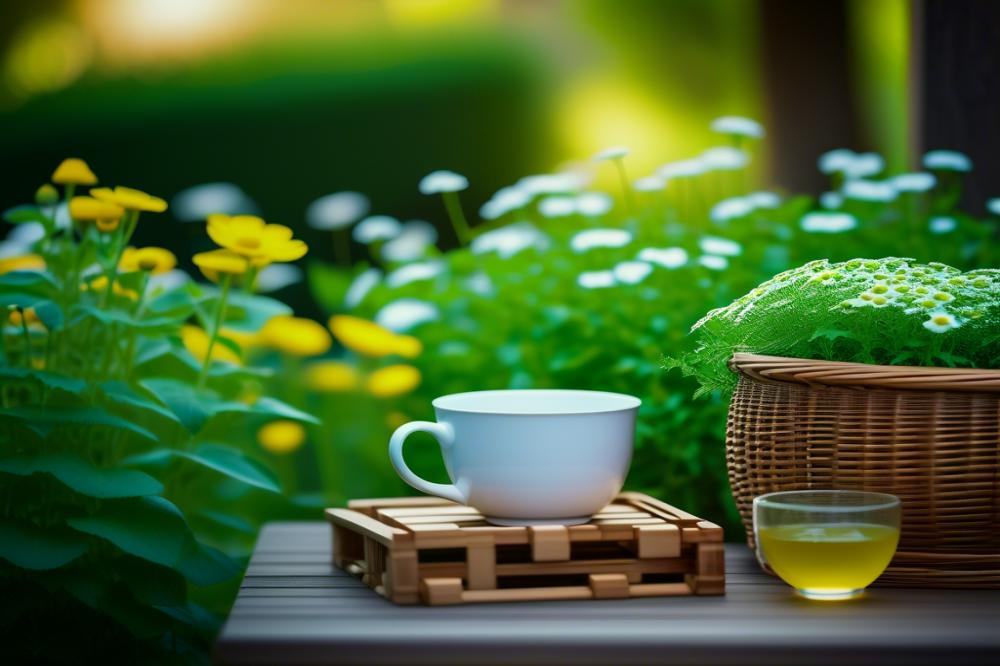
Homegrown food and drinks offer a sense of connection to nature. For many, the experience of cultivating plants becomes an enjoyable journey. Preparing your own beverages brings a sense of accomplishment and delight. There’s something special about drinking tea made from your own garden herbs. You know exactly what went into it and can truly savor the flavors.
herbal teas provide numerous benefits. Many people turn to them for relaxation and comfort. Chamomile, for example, is well-known for its calming effects. Peppermint is praised for aiding digestion, while lemon balm can help lift spirits. Infusing these herbs into drinks can create soothing brews that delight the senses. Sipping on a warm mug can alleviate stress and promote well-being.
Growing, drying, and blending herbs is a rewarding process. Not only is it fun to grow herbs, but it’s also fulfilling to harvest them. dry herbs preserve the flavors and medicinal qualities, making them available year-round. Learning how to blend teas adds creativity to your endeavor. You can experiment with flavors, creating unique tea recipes that suit your taste. Even small gardens can provide a bountiful yield, making fresh herbal infusion accessible to many.
Ultimately, the adventure of crafting your own soothing brews awaits. With a bit of effort in your home gardening pursuits, you’ll soon find joy in your kitchen creations. Start your journey in herbal excellence today!
Growing Your Own Herbs
Selecting the Right Herbs for Tea
Choosing the right herbs can transform your gardening experience. Different herbs offer distinct flavors and benefits. Think about what soothing brews you enjoy most. This choice will guide your planting decisions.
Key Herbs to Grow: Chamomile, Peppermint, Lemon Balm
Chamomile is a classic. Its sweet, apple-like flavor makes for a delightful herbal infusion. Peppermint adds a refreshing twist. It can brighten any tea and may aid digestion. Lemon balm is another great option, known for its lemony scent and calming properties. These three herbs create a fantastic foundation for your garden.
Tips for Home Gardening: Soil, Sunlight, Watering
Start with good soil. Rich, well-draining soil supports healthy growth. These herbs enjoy lots of sunlight, so position them in a location that receives at least six hours of direct light daily. Water the plants regularly but be cautious not to overwater. A consistent routine encourages strong, vibrant growth.
Companion Planting and Pest Management
Using companion planting can help your garden thrive. Herbs like basil and marigolds can repel pests and boost growth when planted alongside chamomile and peppermint. Keep an eye out for pests. You can use natural remedies like soapy water or neem oil to protect your plants. Maintain a diverse garden to attract beneficial insects too.
Drying Your Herbs
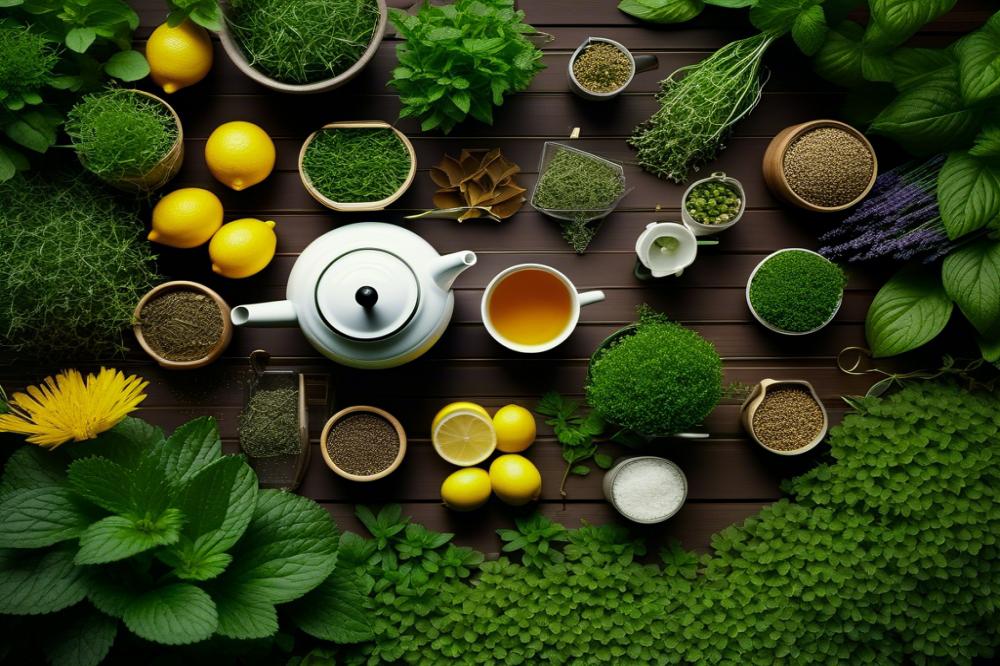
Drying herbs is a crucial step for creating your own soothing brews at home. By removing moisture, you can preserve fresh flavors and aromas. Additionally, it prevents spoilage, allowing you to enjoy your plants long after the growing season has ended.
Methods for Drying Herbs
There are several effective methods for drying herbs from your garden. One popular technique is air drying. Hang bundles of herbs in a warm, dry, and dark area. Make sure they are well-spaced to allow air to circulate.
Another option is using a dehydrator. This method accelerates the process by using warm air to remove moisture. It’s ideal for those who want a quick turnaround on their fresh produce.
Oven drying is also an effective choice, although it requires a bit more attention. Set your oven to low heat and spread the herbs on a baking sheet. Keep a close eye on them to prevent burning.
Tips for Preserving Flavor and Aroma
When drying herbs, timing is essential. Harvest them just before they bloom for the best flavor. Choose a dry day to gather your herbs, as excess moisture can lead to spoilage. If you’re looking to grow herbs like chamomile, peppermint, or lemon balm, pick them in the late morning when the dew has evaporated.
For optimal flavor retention, consider chopping soft herbs like basil and parsley before drying. This increases the surface area and allows for quicker drying. Be cautious, however; strong-flavored herbs may become too potent if dried for too long.
Storing Dried Herbs
Once your herbs are fully dry, it’s time to store them. Choose airtight containers for the best preservation. Glass jars, metal tins, or vacuum-sealed bags work well. Always label your containers with the type of herb and the date you harvested. This practice keeps your herbal infusion organized.
While stored properly, dried herbs can last up to a year, but their potency may start to decline after six months. Keep them in a cool, dark place to maintain their flavor. Avoid storing herbs in the pantry next to spices; the heat can affect their quality.
Crafting your own tea recipes may require a little trial and error, but understanding the drying process makes it simpler. Take time to experiment with different herb combinations, blending teas that suit your taste. Home gardening can truly be rewarding when it comes to exploring the world of herbs.
Blending Teas
Introduction to Herbal Infusions
Home gardening offers a wonderful opportunity to cultivate herbs that can be turned into delightful herbal infusions. These infusions are made by steeping dried leaves, flowers, or roots in hot water, allowing their flavors and aromas to meld together. Growing your own herbs means you can craft brews that suit your individual tastes. Moreover, each herb brings its own health benefits, making the process even more rewarding.
How to Blend Herbs for Unique Flavors
When blending herbs, consider flavor profiles and aromas. Some herbs pair well due to contrasting or complementary tastes. For example, chamomile has a sweet and floral taste, while peppermint offers a refreshing minty kick. Start with a base herb, then add others in small amounts to see how they interact. It can be fun to play with different combinations. Balance is key; avoid overwhelming one flavor over another.
Recipes for Soothing Brews
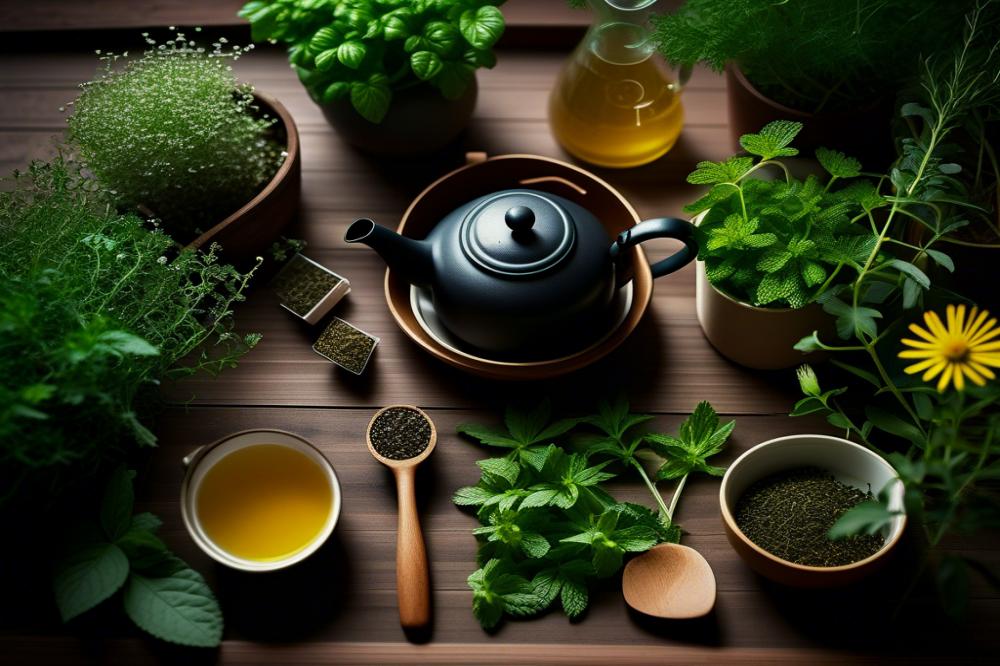
Creating soothing brews at home can be enjoyable. Here are two simple tea recipes to try out. The first combines chamomile and lavender. Use one tablespoon of dried chamomile and half a tablespoon of dried lavender in hot water. Let steep for 5-10 minutes to enjoy a calming experience.
Another excellent mix features peppermint and lemon balm. Combine one tablespoon of dried peppermint with one tablespoon of dried lemon balm. Similarly, steep this blend for about 5-10 minutes. This tea provides a refreshing taste that is perfect for warm days.
Experimenting with Ratios and Additional Ingredients
Adjusting the ratio of herbs can create different flavor outcomes. Try starting with equal parts and then tweak as needed. Adding a small pinch of ginger or a slice of citrus can elevate your brews. It’s easy to experiment, so don’t hesitate to get creative. Fresh herbs are great too. Use fresh peppermint leaves or lemon balm when available, as they may offer stronger flavors than those that are dried. Your own preferences will guide your experiments. Most importantly, enjoy the process of discovering what works for you.
Health Benefits of Herbal Teas
Herbal teas offer a range of health benefits that many people may not realize. These soothing brews can enhance overall well-being in simple and effective ways. Home gardening allows individuals to grow herbs rich in flavors and nutrients. While sipping these timeless beverages, one might find relaxation and comfort in every cup.
Overview of Health Benefits
The advantages of consuming herbal infusions extend beyond just taste. Many blends can aid digestion, reduce stress, and even improve sleep quality. Natural compounds present in plants often provide therapeutic effects. For those looking to maintain a healthy lifestyle, these unique drinks serve as a wonderful aid. Incorporating them into meals or enjoying them alone can enhance daily routines.
Specific Benefits of Chamomile, Peppermint, and Lemon Balm
Chamomile is famous for its calming effects. Drinking this tea before bed may help individuals fall asleep faster. Additionally, it can soothe an upset stomach or relieve menstrual pain. Peppermint, on the other hand, brings a refreshing twist. This herb can ease headaches and improve concentration. Many drink it to combat digestive issues as well. Lastly, lemon balm offers another layer of benefits. This herb can uplift mood and ease anxiety. Blending fresh lemon balm with other herbs can create delightful tea recipes that excite the senses.
How to Incorporate Herbal Teas into Your Daily Routine
Incorporating herbal teas into your day doesn’t require much effort. Start by drinking a cup in the morning to awaken the senses. You might also consider having a soothing brew during lunch. It can serve as a calming break from a busy day. Sticking to a routine can encourage a habit of drinking these beneficial infusions. After a stressful day, brews can provide moments of peace. Try to grow herbs in your garden and then dry herbs for future use. Enjoy blending teas for a unique experience. The more frequently you indulge, the more you will appreciate them.
Final Thoughts
Growing a garden can bring immense joy. It offers a chance to connect with nature while cultivating your favorite plants. Herbal teas made from your own garden enhance this experience, turning simple ingredients into soothing brews. Each cup represents effort and care, reflecting your personal touch.
Starting your journey towards home gardening is easier than it seems. Select herbs that interest you, such as chamomile, mint, or lemon balm. With a little patience and attention, you can watch your plants flourish. Remember, the process involves learning and experimenting, and that’s part of the fun.
When you dry herbs, you’re preserving the freshness of your harvest. Drying means you can enjoy those flavors long after the growing season is over. Blending different herbs creates a delightful variety of flavors. Each combination can lead to new discoveries in taste and aroma.
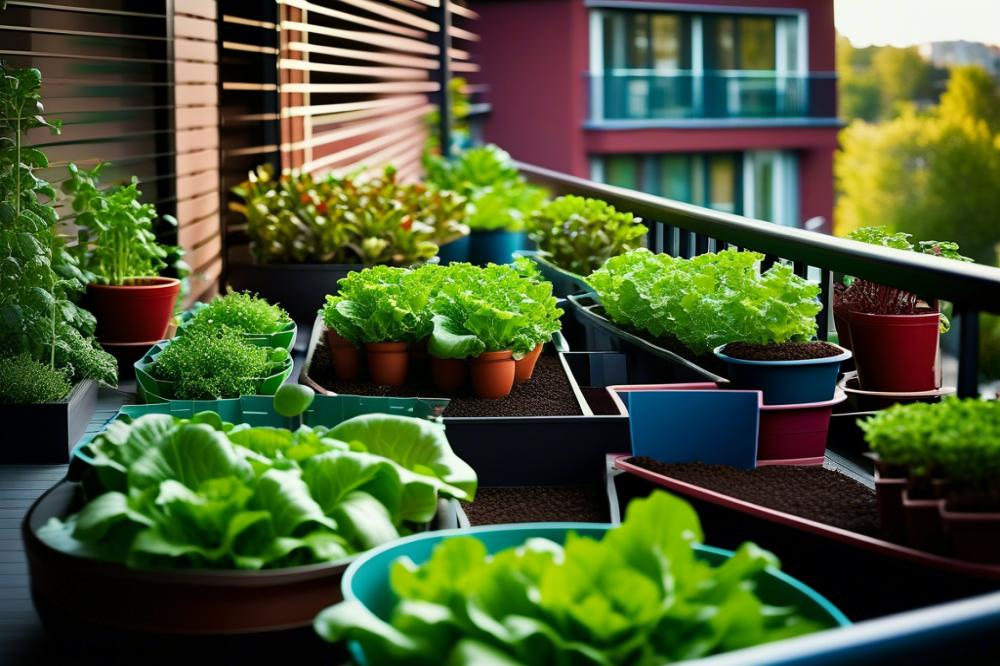
Take the leap into this rewarding hobby. Grow herbs in your yard, balcony, or even indoors. With time and commitment, you can create a soothing cup of tea that is truly your own. There’s something special about sipping on a brew crafted from what you’ve nurtured. Embrace the experience; it brings peace and comfort, one cup at a time.