Herbs on Your Windowsill: Simple Steps to grow basil, parsley, and More
In recent years, many people have turned to herb gardening as a way to connect with their food. Growing your own herbs can be both rewarding and empowering. It allows you to know exactly where your ingredients come from and how they were cultivated. Plus, it is a small step towards sustainable living and reducing grocery store trips.
Having windowsill herbs offers plenty of advantages. Fresh herbs can elevate your meals with vibrant flavor and aroma. When you grow your own, you can enjoy them at their peak freshness anytime you need. Indoor gardening, particularly with culinary herbs like basil and parsley, brings a touch of nature into your home and can be a stress reliever. These plants can thrive in relatively small pots for herbs, making them ideal for anyone with limited space.
This article will explore how to grow popular herbs like basil, parsley, cilantro, and mint right at home. Each of these herbs has unique characteristics that make them special in the kitchen. For instance, basil can be used in Italian dishes, while parsley adds a fresh brightness to salads. Mint offers a refreshing flavor perfect for teas and desserts. By the end, you will have a solid understanding of sunlight requirements, watering herbs properly, and best practices to grow basil and more.
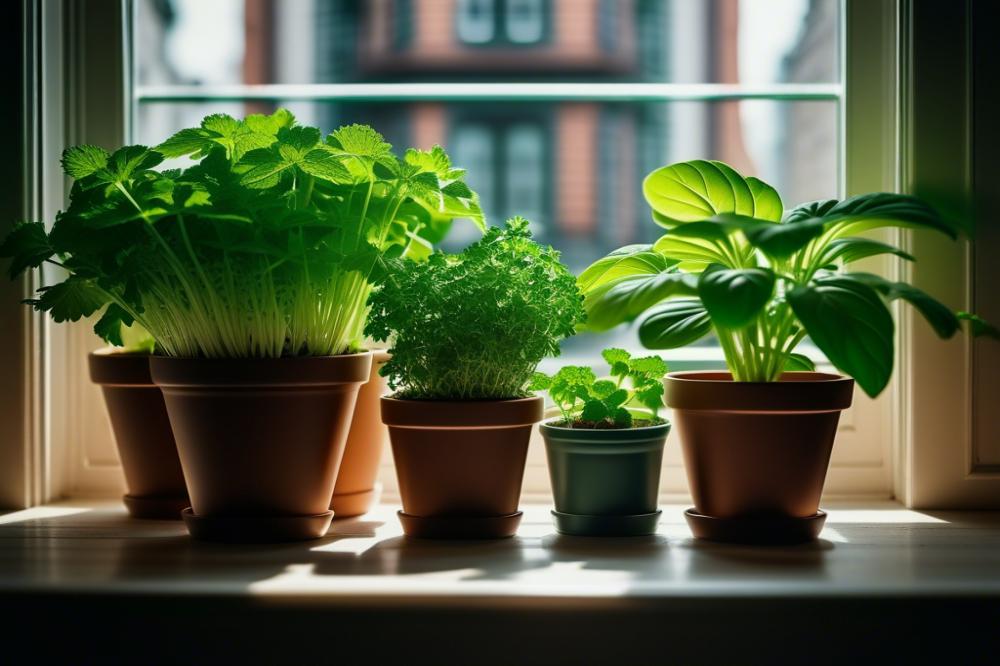
windowsill herbs
herb gardening on your windowsill is an accessible and rewarding way to grow fresh flavors at home. This concept allows anyone to cultivate plants without needing a backyard. With just a few pots and a sunny spot, you can enjoy homegrown culinary herbs.
Growing herbs indoors offers many benefits. First, it brings the joy of gardening into any space, no matter how small. Fresh herbs can enhance meals and snacks, adding bursts of flavor. Indoor gardening also promotes a sense of calm and connection with nature. Plus, it’s always convenient to have herbs like cilantro or mint just a reach away.
Several easy herbs are perfect for windowsill growth. Basil is a favorite among many chefs and home cooks. It thrives in sunlight and adds a fresh taste to many dishes. Parsley is another great choice; it’s hardy and versatile, making it ideal for beginners. Mint grows quickly and can flourish in various conditions, always ready to brighten drinks and desserts. These herbs not only create a lovely display but also provide delicious additions to everyday cooking.
Choosing the right pots for herbs is also critical. Make sure they have proper drainage to keep roots healthy. Pay attention to sunlight requirements to provide adequate light for photosynthesis. It’s also vital to consider watering herbs; they need consistent moisture but not soggy soil. Start small and expand as you become more comfortable with herb gardening.
With just a little care, windowsill herbs can thrive. Even those new to gardening can find success with such straightforward plants. While cultivating these herbs, you’ll discover the satisfaction of nurturing life and enhancing your culinary adventures.
Choosing the Right Pots for Herbs
Choosing the right pots is crucial for herb gardening success. Different materials and sizes can impact how well your plants grow. The right pot helps maintain moisture, provide stability, and support healthy root development.
Recommended Sizes and Materials for Herb Pots
Selecting pots with the proper size is important. For most culinary herbs, like basil and parsley, a pot that is 6 to 12 inches in diameter works well. This size allows enough room for roots to spread without becoming cramped. When it comes to materials, terracotta and ceramic are popular choices. These pots are porous and allow air to reach the roots, which is beneficial. Plastic pots are lighter and can be convenient, but they might struggle to provide the same level of breathability.
Drainage and Soil Considerations
Drainage is another key factor. Without good drainage, excess water can lead to root rot. Look for pots that have drainage holes at the bottom. You can also add a layer of gravel or small stones at the base for better airflow. When it comes to soil, choose a well-draining potting mix. A blend specifically designed for indoor gardening often works best. Consider mixing in some perlite for better aeration.
Understanding the sunlight requirements of your herbs can also impact pot choice. If your windowsill gets direct sunlight, lighter-colored pots will keep the soil cooler. For those that don’t receive as much light, darker materials might help retain heat. Always remember to monitor your herbs closely. Adjust watering habits based on how quickly the soil dries out, especially for easy herbs like mint and cilantro.
Ideal Sunlight Requirements for Indoor Gardening
Understanding the light needs of different herbs is crucial for successful herb gardening. Each type of herb has its own preferences. Basil, for example, thrives on a lot of light, needing around 6 to 8 hours of direct sunlight daily. In contrast, parsley is more forgiving and can grow with only 4 to 6 hours of light. Aiming for the right conditions can make a significant difference in the growth and flavor of your plants.
Best locations on windowsills depend on several factors. South-facing windows generally provide the brightest light. If your window faces east or west, it could still work but might not give as much intensity. After identifying the ideal spots, think about the arrangement of your pots for herbs. Grouping similar plants can help maximize space and light exposure. Avoid placing taller herbs in front of shorter ones to prevent shading.
Tips for supplementing sunlight with grow lights can help maintain healthy plants when natural light isn’t enough. If you notice slow growth or leggy stems, it might be time to consider this option. LED grow lights are energy-efficient and can mimic natural sunlight quite effectively. Position the lights about 12 to 24 inches above your herbs for the best results. Timing is also important; keep them on for 12 to 16 hours a day. This can be particularly helpful during winter months when light is scarce.
Watering herbs also relies on adequate light. When plants get enough exposure, they drink more water. Be careful not to over-water. Check the soil moisture regularly, taking into account the light and temperature conditions. Moreover, cilantro and mint will respond differently to your indoor garden layout. Knowing their unique needs is part of your journey into indoor gardening.
Watering Herbs: Techniques and Tips
Proper watering is vital for the health of your herbs. Many common mistakes occur in herb gardening when it comes to this task. Both overwatering and underwatering can harm your plants. To thrive, culinary herbs need just the right amount of moisture.
How do you tell if your herbs need attention? Signs of overwatering include yellowing leaves and a musty smell around the soil. In contrast, underwatering causes the leaves to wilt and turn brown. A close look will help you determine what your plants need. Always check the topsoil; if it’s dry about an inch down, it’s time to water.
When it comes to a watering schedule, considerations for each herb vary. For basil, watering once a week works well, while parsley appreciates a little more moisture. A good rule is to keep cilantro and mint slightly wetter than other herbs. Mint, in particular, enjoys a bit of extra water. Adjust your schedule based on sunlight requirements and temperature indoors.
Pots for herbs should also drain well. Proper drainage prevents root rot, a common issue in indoor gardening. Choosing pots with holes at the bottom can make a big difference. Remember that each type of herb might have unique needs, so observe your plants as they grow.
Watering herbs doesn’t need to be complicated. Just pay attention and be mindful of their needs. With a little practice, you’ll soon feel confident in caring for basil, parsley, cilantro, and mint. Happy gardening!
Herb Care and Maintenance
Caring for your indoor herb garden can be a rewarding experience. Start by understanding the sunlight requirements for each plant. Most culinary herbs do well with six to eight hours of light daily. Place pots for herbs near a south or west-facing window for optimal growth.
Watering herbs is another crucial aspect of maintaining healthy plants. It’s important to keep soil consistently moist, but not soggy. Check the top inch of the soil; if it feels dry, it’s time to water. Overwatering can lead to root rot, which is a common problem in indoor gardening.
Pruning and Harvesting Techniques
Pruning is essential for encouraging growth in herbs such as basil and cilantro. When harvesting, aim to take about one-third of the leaves at a time. This will stimulate the plant to produce more foliage. Avoid cutting the stems too low to leave some leaves for continued growth. Always use clean scissors to prevent disease transmission.
Leaving flowers to develop might seem appealing, but it often results in bitter-tasting leaves. Regularly trimming back flowering stalks helps keep the flavors vibrant. Turn your attention to parsley and mint, as they also benefit from light pruning.
Pests and Diseases
Common pests such as aphids and spider mites can invade your herb plants. Check the undersides of leaves regularly for signs of trouble. If you spot pests, a gentle wash with soap and water can be effective. Neem oil is another option for managing infestations. It’s a natural pesticide that works well on herbs.
Diseases like powdery mildew can be concerning, especially in humid conditions. To combat this, provide adequate air circulation by spacing pots apart. Remove any affected leaves immediately to prevent spreading. Keeping your windowsill clean will help minimize issues as well.
Regularly inspecting your plants can save you from dealing with significant problems later. Taking these simple steps will help ensure healthy growth and a vibrant herb garden right in your home.
Culinary Uses of Your Homegrown Herbs
Fresh herbs like basil, parsley, cilantro, and mint can elevate your cooking in many ways. Incorporating these green wonders into meals not only adds flavor but also enhances nutrition. Start with basil; its sweet, peppery taste pairs well with tomatoes. Toss fresh basil into pasta dishes, or use it in sauces and salads for a burst of freshness.
Parsley is another versatile herb. Chopped finely, it can brighten up almost any dish. Use it in salads, sprinkle it over roasted vegetables, or blend it into sauces. This easy herb offers a subtle flavor that complements much more robust ingredients.
Cilantro brings a unique flavor that can help balance spicy dishes. Many love its refreshing taste in salsas and curries. Try adding chopped cilantro to tacos or burritos. The herb can transform a simple meal into something exotic.
Mint is perfect for desserts and beverages. Add it to herbal teas, or muddle it into cocktails for a refreshing twist. Chopped mint can also enhance fruit salads, adding a cool, bright essence.
Cooking with fresh herbs can often mean you create simple yet delightful meals. Experimentation is key. Try making a herb-infused oil by blending your favorite herbs with olive oil. Drizzle it over grilled vegetables or use it as a marinade.
For a quick side dish, sauté seasonal greens with garlic and sprinkle chopped mint or parsley for an aromatic finish. The final touch of fresh herbs can change the whole character of a dish.
Indoor gardening can bring benefits that go beyond flavor. Fresh herbs are more nutritious than dried options. Having your own pots for herbs allows for a regular supply of vibrant flavors in your kitchen.
Before diving into herb gardening, consider the sunlight requirements for each plant. Basil thrives in bright light, while cilantro prefers cooler conditions. Regularly watering herbs is essential, as they need moisture but also good drainage. By managing these factors, you’ll set up your herbs for culinary success.
Wrap Up Your Herb Garden Adventure
Growing herbs at home offers numerous benefits. Fresh basil, parsley, and other herbs can elevate your meals and promote healthier eating habits. Plus, having greenery in your home helps to improve air quality and bring a calming ambiance to your space. With so many advantages, it’s easy to see why more people are turning to indoor gardening.
Consider starting your herb garden today. You don’t need a lot of space or experience to enjoy the rewards of nurturing plants right on your windowsill. Even a few small pots can make a big difference. Choose herbs that you love to use in your cooking, and watch how they transform your dishes.
For those new to herb gardening, begin with easy-to-grow varieties like basil and parsley. These plants flourish indoors and require minimal care. Keep in mind to provide them with adequate sunlight and water. A little attention goes a long way in ensuring they thrive. Experienced gardeners will find joy in experimenting with different herbs or even creating a themed garden with various flavors and scents.
Whether you’re just starting out or have been gardening for years, remember that patience is key. Every plant has its own growth rhythm. Pay attention to your herbs and learn from them. You’ll enjoy the journey as much as the harvest. So take a moment to gather your supplies, choose your favorites, and begin this rewarding endeavor. Your culinary creations await!