hot peppers at Home: Spice Up Your Life with container gardening
Growing Your Own Food
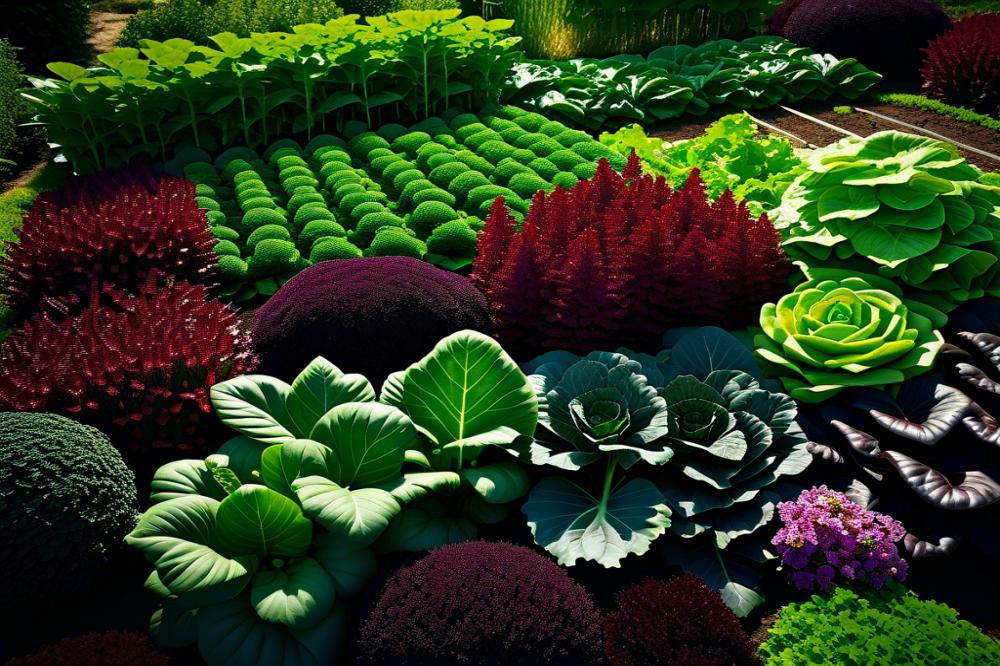
In today’s world, there is something deeply satisfying about growing your own food. Many people find joy in watching plants flourish and produce fresh ingredients right in their backyard or balcony. Home gardening connects individuals with nature, providing a fulfilling hobby that can also lead to healthier eating habits. Imagine walking outside to pick ripe fruits and vegetables, knowing they are free of harmful pesticides. Such a practice promotes sustainability and can even save money over time.
The Benefits of container gardening
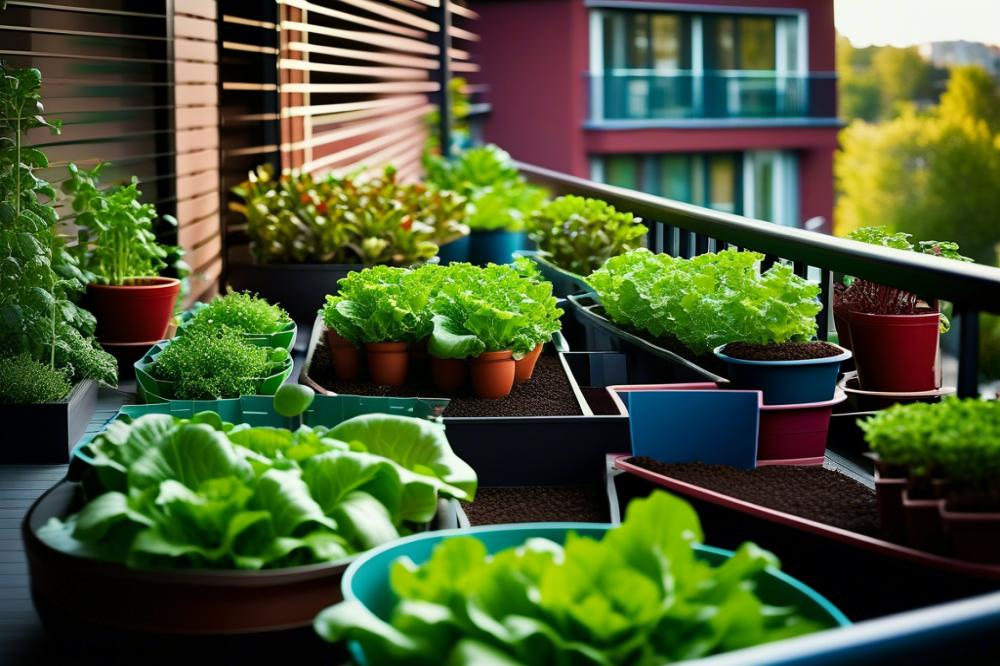
Container gardening has grown in popularity for several reasons. It allows anyone, even those with limited space, to cultivate their own plants. Gardening containers can easily fit on a windowsill, patio, or balcony. This method also offers flexibility in terms of plant variety. You can grow colorful flowers, fragrant herbs, or, for many adventurous cooks, enhance your spice garden with a selection of vibrant peppers. Container gardening often simplifies garden care, making it easier to manage watering and soil quality.
The Allure of hot peppers
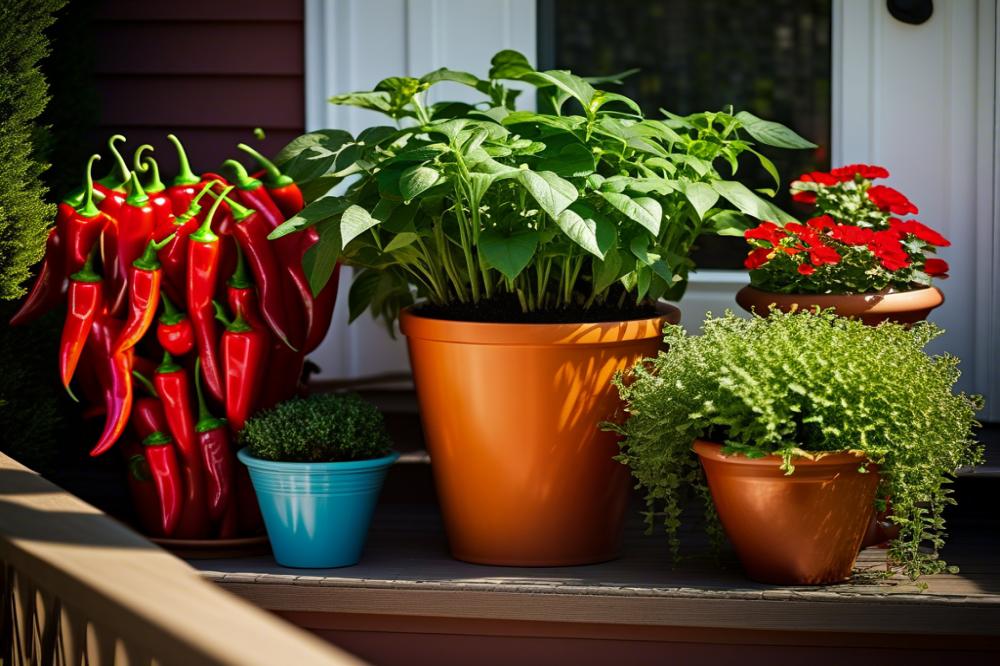
Hot peppers have gained a special place in many cuisines around the world. Their bold flavors and varying heat levels add excitement to meals. These pepper varieties cater to both the seasoned chef and the curious beginner. With such a rich history, it’s no surprise that they’ve become a staple in many households. Choosing to grow peppers can infuse your dishes with unique tastes while also providing a fun gardening experience. Indoor gardening with these fiery plants presents an excellent opportunity to explore different flavors from the comfort of your home.
Getting Started
Starting your journey in container gardening is simpler than it seems. Begin with some basic gardening tips, like choosing the right containers and soil. Select a variety of hot peppers that appeal to your palate. Be sure to consider factors such as sunlight and moisture, which will affect your pepper growing experience. With a little effort, you’ll quickly find that these plants can produce a bountiful harvest. Creating a vibrant home garden filled with fresh ingredients is not only rewarding but also enriches your culinary adventures.
Hot Peppers: The Star of Your spice garden
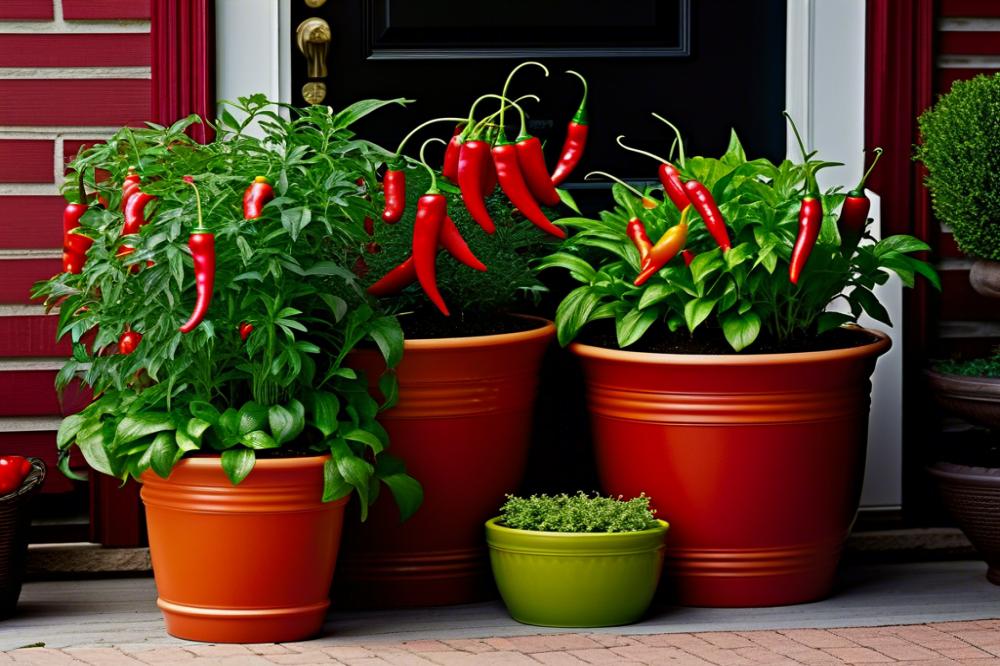
In the culinary world, peppers are more than just a side ingredient. They add heat and flavor, transforming ordinary dishes into culinary delights. Whether you’re cooking up a hearty stew or a fresh salsa, a touch of heat can elevate the entire meal.
Overview of Different Pepper Varieties
If you want to spice up your herb garden, start with a variety of pepper types. Bell peppers offer sweetness, while jalapeños bring a bit of heat. For those seeking serious fire, habaneros and Carolina reapers pack a punch. Each variety has its own taste and heat level, making it essential to choose carefully based on your cooking style. By growing peppers, you can experiment with flavors and discover what suits your palate best.
Nutritional Benefits of Hot Peppers
Hot peppers are also known for their health benefits. They are low in calories yet rich in vitamins A and C. Including them in your diet can boost your metabolism and even support heart health. Additionally, capsaicin, the compound that gives peppers their heat, is linked to pain relief and reducing inflammation. For anyone interested in sustainable gardening, growing your own peppers offers both nutrition and flavor right from your kitchen.
Indoor gardening with peppers is achievable too. Using gardening containers allows you to manage space while still enjoying the flavor and benefits of this star ingredient. Remember to follow proper garden care techniques. Regular watering and maintaining suitable sunlight are crucial. With the right approach, hot peppers can thrive in any setting, enriching your meals with both taste and health benefits.
Getting Started with growing peppers
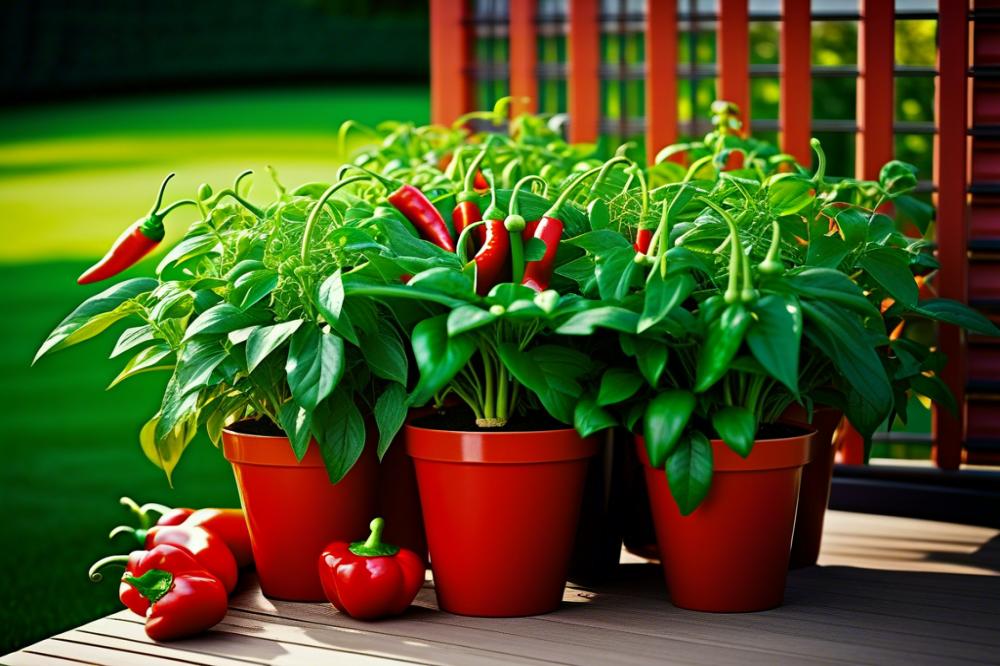
Choosing Containers for Gardening
Selecting the right containers is essential for your spice garden. Look for options that are at least 5 gallons in size. The roots of peppers need space to grow. Terracotta and plastic are popular choices. They both provide good insulation. Make sure your containers have adequate drainage holes. This helps prevent waterlogging, which can harm your plants. If you want to get creative, consider painting your pots to brighten up your garden space. Gardening containers can also be placed on patios, balconies, or even kitchen windowsills for indoor gardening.
Soil and Drainage Requirements
Soil quality plays a big role in the success of growing peppers. Use a lightweight potting mix designed for container planting. A mix with good drainage ensures healthy plant roots. Incorporate compost to enrich the soil with nutrients. Regular garden care includes checking moisture levels. Peppers like consistent but not excessive watering. Each time you water, check if the top inch of soil has dried out. Maintaining proper drainage is crucial. Over time, soil compaction can occur. It’s beneficial to refresh your soil mix regularly.
Selecting the Right Pepper Varieties for Your Space
Consider the types of pepper varieties that thrive in containers. Smaller peppers, like jalapeños and serranos, are ideal for limited spaces. They don’t require as much room to thrive. If you have more space, think about larger varieties, such as bell peppers. These may need more care and attention but can yield a plentiful harvest. Assessing your climate is also important. Some peppers love heat, while others may struggle in cooler temperatures. Always research which types work best in your area. This ensures a successful growing season in your herb garden. Pay attention to the days to maturity listed on seed packets. Some varieties take longer to produce fruit than others. Choose wisely to match your gardening goals.
Indoor Gardening: Growing Hot Peppers Year-Round
Creating a thriving indoor pepper garden can be rewarding. Start by understanding the ideal conditions for these plants. Warm temperatures are essential. Aim for a range of 70 to 85 degrees Fahrenheit during the day. At night, a slight drop is fine but should not go below 60 degrees. Additionally, peppers love light. Providing at least 12 to 16 hours of bright, direct sunlight will make a difference in their growth.
Best Containers and Lighting Solutions
Selecting the right containers is crucial for success in indoor gardening. Choose pots with drainage holes to prevent root rot. Also, consider the size of the container. Larger containers allow for root expansion, which is beneficial. When it comes to lighting, natural sunlight is fantastic, but many gardeners opt for grow lights. LED or fluorescent lights can help supplement natural light. Position them close to the plants for maximum effect.
Common Challenges and Solutions in Indoor Gardening
Indoor gardening can come with its own set of challenges. One common issue is pests. Aphids and spider mites can invade your plants. Regularly checking for pests and using insecticidal soap can help. Watering can become tricky as well. Under-watering and over-watering are both common mistakes. Implement a consistent watering schedule to promote healthy growth. Finally, the lack of humidity can be detrimental. Increasing humidity levels can be done with a humidifier or by placing water trays near your plants.
Experiment with different pepper varieties to find what suits your palate and space. Some peppers thrive better indoors than others. Always be prepared for some trial and error. By following these gardening tips, you can spice up your life with an indoor herb garden that keeps producing all year long.
Gardening Tips for Successful Pepper Growth
Watering and Fertilizing Techniques
Growing peppers requires attention to watering. Plants need consistent moisture, but avoid soaking the roots. Watering in the early morning is best as it helps prevent disease. For container gardening, check the soil often. It should feel damp but not muddy. Fertilizing plays a crucial role in their growth. Using a balanced fertilizer is recommended. Apply it every few weeks to provide necessary nutrients. Some gardeners prefer organic options for sustainable gardening. An organic compost can work wonders, enriching the soil naturally.
Pruning and Supporting Plants
Pruning helps promote healthy growth. Remove any dead or yellowing leaves promptly. This action redirects energy to thriving parts of the plant. It also increases airflow, reducing disease risk. Supporting plants with stakes or cages can prevent breakage. As plants mature, their branches may struggle with the weight of fruits. Garden care should include regular inspections for support needs. Keeping plants upright ensures they remain healthy throughout the growing season.
Pest Management Strategies
Pests can be a significant concern in a pepper garden. Regular inspections will help catch problems early. Consider using neem oil as a natural pesticide. It’s effective against many common pests and safe for indoor gardening. Additionally, introducing beneficial insects can provide pest control naturally. Ladybugs and lacewings are helpful allies in the herb garden. Always keep an eye out for signs of trouble. Signs of distress can include wilting or discoloration. Addressing issues promptly makes a difference. Sustainable gardening practices can also lower infestations. Maintaining healthy soil promotes strong plants that resist pests better.
Integrating Hot Peppers into an Herb Garden
Companion Planting with Herbs
Mixing herbs with peppers creates a vibrant space in your spice garden. Certain herbs like basil thrive alongside these plants. This combination benefits both, as basil can deter pests that usually harm peppers. Dill and cilantro also work well with many pepper varieties, providing an aromatic contrast. When planting, consider the space needed for both herbs and peppers to grow healthily. Using gardening containers can help manage their growth without overcrowding.
Culinary Combinations with Hot Peppers
Cooking with these peppers can elevate any dish. They pair beautifully with common herbs like oregano and thyme, enriching flavors in sauces or salsas. Consider using fresh basil to enhance the heat, making a delicious pesto. Your meals can burst with flavor through simple combinations. Try adding peppers to a fresh salad with parsley for a zesty touch. Mixing the right herbs with your spicy vegetable can transform a dish into a culinary delight.
Sustainability in Home Gardening Practices
Sustainable gardening methods help minimize waste and support the environment. Start by using compost to nourish your soil, which benefits both herbs and peppers. Rain barrels can collect water, reducing your reliance on municipal supplies. Indoor gardening offers the chance to grow year-round, regardless of the weather. By choosing organic pest control methods, you avoid harmful chemicals. Maintaining your garden through sustainable practices not only helps you but also the planet.
Garden Care and Harvesting Hot Peppers
Caring for your peppers involves understanding their needs. These spirited plants thrive in sunlight. A minimum of six hours of direct light is crucial for optimal growth. Watering is essential but shouldn’t be excessive. Allow the top inch of the soil to dry out before watering again.
Choosing the right container is equally important. Gardening containers should have proper drainage holes. This will prevent water from pooling and roots from rotting. Consider using a high-quality potting mix. Such a mix will provide the necessary nutrients for vigorous growth.
Best Practices for Caring for Pepper Plants
Fertilizing regularly can give a boost to growing peppers. Look for fertilizers high in potassium and phosphorus. Such nutrients encourage fruit production. Apply every four to six weeks during the growing season. Pay attention to the specific needs of different pepper varieties. Some may require more or less attention.
Pests can be a problem in indoor gardening. Check plants frequently for signs of aphids or spider mites. If you spot any pests, treat them quickly with insecticidal soap. This keeps your plants healthy and thriving. Using companion planting in your spice garden can also help deter unwanted insects.
How to Harvest and Store Peppers Effectively
Harvesting should happen at the right time to enjoy the best flavor. Look for firmness and vibrant color as indicators of ripeness. Gently twist or cut the peppers from the plant, using scissors or garden shears. This prevents damage to the plant. Storing peppers is simple; just place them in a cool, dark place. They can last for one to two weeks in the refrigerator.
Freezing is another option for preserving your harvest. Slice or chop your peppers, and spread them out on a baking sheet. Freeze them for a few hours before transferring to an airtight container. This prevents clumping and makes them easy to use later.
Tips for Enjoying Your Homegrown Harvest
The enjoyment of homegrown produce goes beyond the kitchen. Fresh peppers can elevate any meal. Add them to salads, salsas, or stir-fries for a burst of flavor. Experimenting with peppers in different dishes can be fun. Share your bounty with friends and family by giving away extra produce.
Consider drying some peppers for long-term storage. This method adds a unique flavor to your meals. A dehydrator works well, but an oven at low temperatures also does the job. Store dried peppers in airtight containers in a cool, dark spot.
Wrapping Up Your Spice Garden Journey
Growing hot peppers offers numerous benefits. They add flavor and heat to your meals while enhancing your cooking skills. Furthermore, they are relatively easy to cultivate, even in containers. Container gardens allow you to maximize small spaces and bring vibrant colors to your home. These plants are resilient and often require less attention than you might expect.
Now is the perfect time to start a container garden. You don’t need a backyard to grow your own produce. A sunny balcony, patio, or even a windowsill can provide the ideal environment. Plus, nurturing your plants can be incredibly rewarding. Watching your efforts translate into flavorful additions for your meals can bring joy.
Beyond personal satisfaction, growing peppers plays a part in sustainable living. It promotes self-sufficiency and reduces reliance on store-bought produce, which may involve harmful practices. By cultivating your spice garden, you contribute to a healthier lifestyle. Every small step counts. Embrace gardening and explore the flavors it can add to your cooking. Dive into the world of growing peppers and savor the delicious outcomes of your hard work.