
Introduction
Overview of the Coral Triangle
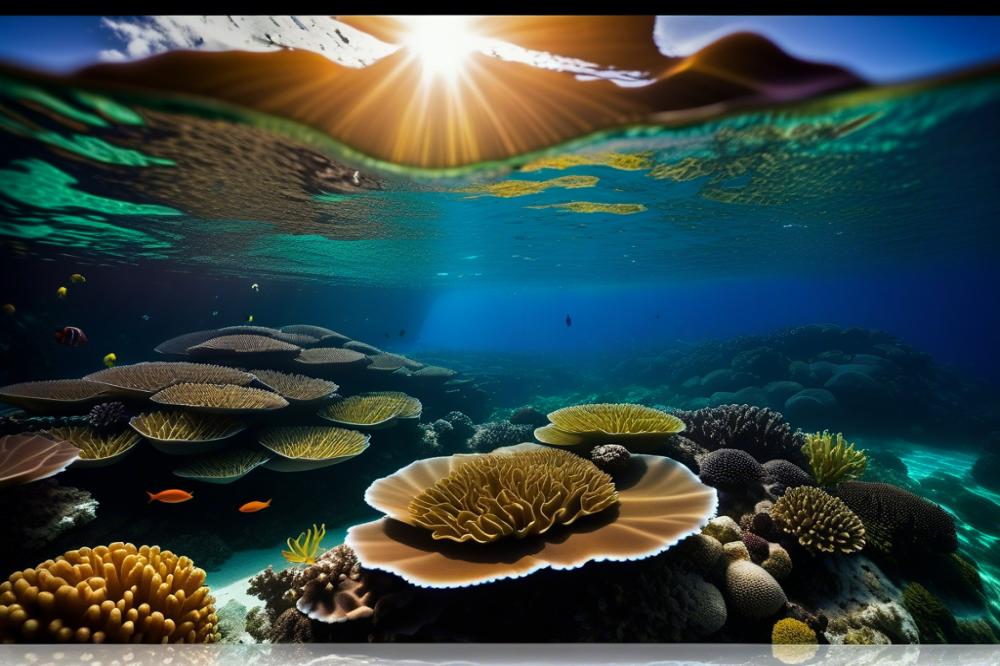
The Coral Triangle is a marine area known for its breathtaking diversity of marine life. Spanning six countries, it includes vibrant coral reefs, lush mangroves, and dynamic ecosystems. The region is often referred to as the world’s epicenter of biodiversity. Many species of fish, coral, and other sea creatures thrive here. It plays a crucial role in sustaining the livelihoods of millions of people.
Importance of its Rich Ecosystems
Ecosystems within this area support countless marine species. Healthy coral reefs provide food and shelter, making them vital for fish populations. Moreover, the region functions as a natural protection against storms and erosion. biodiversity here is paramount for balanced ecosystems. marine conservation efforts are essential to preserve these habitats and the life they support.
Role of local communities in Conservation
local communities contribute significantly to the protection of these ecosystems. Their traditional practices often include sustainable fishing methods that prevent over-exploitation. Community engagement in conservation projects leads to better outcomes for both people and the environment. Environmental education programs also play a role in raising awareness about the importance of habitat restoration. Each effort made by these communities builds resilience against environmental threats. Through effective natural resource management, they foster a sense of stewardship. Ultimately, the commitment from local communities serves as a model for preserving our ocean’s unique treasures.
Understanding the Coral Triangle
Definition and Geographical Boundaries
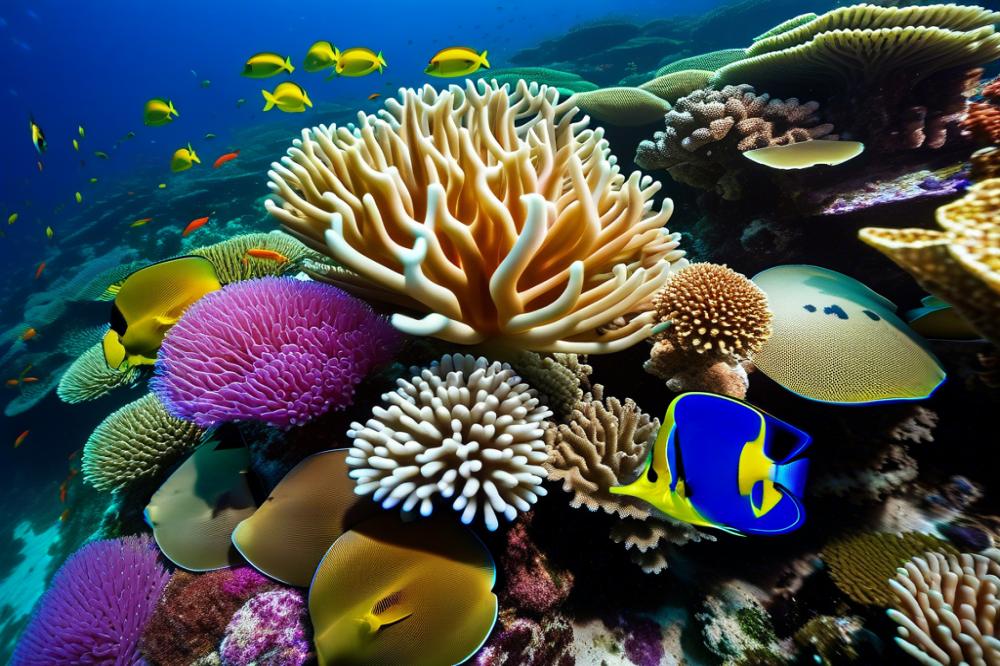
The Coral Triangle refers to a marine area located in Southeast Asia. It spans parts of Indonesia, Malaysia, the Philippines, Papua New Guinea, Solomon Islands, and Timor-Leste. This region is recognized for its rich biodiversity, home to an astounding variety of marine life. Many people might not realize that it covers only about 1.6% of the Earth’s oceans, yet it supports over 600 species of reef-building corals. The area is critical for fostering diverse habitats that play a role in marine conservation.
Biodiversity Significance
Biodiversity in this region is outstanding. The Coral Triangle contains more than half of the world’s coral species and countless marine animals. Fish and invertebrates thrive here, supported by vibrant coral reefs. These ecosystems also provide essential services such as coastal protection and fisheries support. Healthy reefs contribute to sustainable fishing, providing livelihoods for local communities. A decline in biodiversity threatens not just marine life but also the well-being of humans who depend on these resources.
Key Marine Species and Habitats
Various marine species inhabit the Coral Triangle. Iconic creatures include the clownfish, sea turtles, and manta rays. Each of these species plays a role in maintaining ecological balance. Coral reefs serve as critical habitats for countless fish and other marine organisms. Mangroves and seagrass beds are also essential components of this ecosystem, providing shelter and feeding grounds. Local communities often engage in traditional practices that support habitat restoration. Through environmental education, they learn about the importance of these habitats and active natural resource management. This collaboration fuels efforts to protect marine life and balance human needs with ecosystem protection.
Traditional Practices and Local Knowledge
Cultural Connections to the Marine Environment
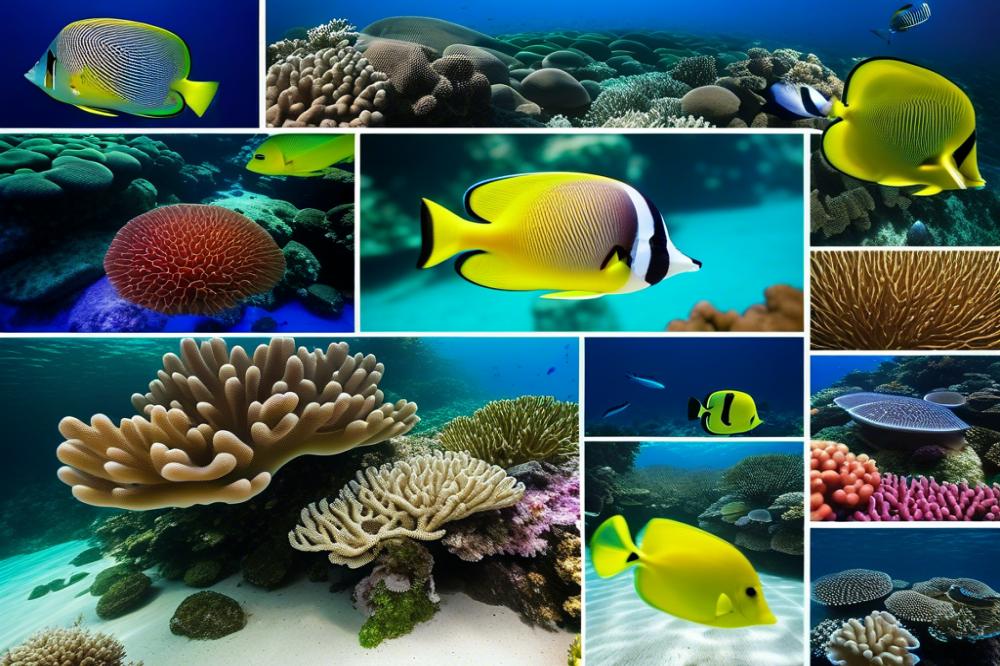
Local communities hold deep relationships with the ocean. Many rely on the sea for their livelihoods and cultural identity. This connection fosters a strong sense of responsibility towards ecosystem protection. Elders often share stories that highlight the importance of caring for marine environments. These narratives reinforce respect for natural resources and emphasize harmony with nature. Such traditions serve as a guide for sustainable practices.
Traditional Fishing Practices and Their Sustainability
Fishing has been a way of life for generations. Many local fishermen utilize methods that promote sustainability. These techniques often involve low-impact gear that minimizes damage to coral reefs. Catch limits are respected, allowing fish populations to thrive. Community engagement plays a crucial role in these practices. Fishermen frequently share knowledge, ensuring younger generations learn the importance of biodiversity. Healthy oceans mean healthier communities.
Incorporating Indigenous Knowledge in Conservation Efforts
Indigenous knowledge forms the backbone of many conservation initiatives. Traditional practices offer valuable insights into effective natural resource management. Local expertise can guide habitat restoration projects, enhancing coral reef resilience. Environmental education programs increasingly integrate these indigenous insights. Respecting these traditions empowers communities and fosters a collaborative approach to marine conservation. When combined with modern science, this approach can lead to innovative strategies that benefit ecosystems. Understanding local customs not only enriches conservation but also strengthens cultural identity.
Community Engagement in Marine Conservation
Role of Local Communities in Ecosystem Protection
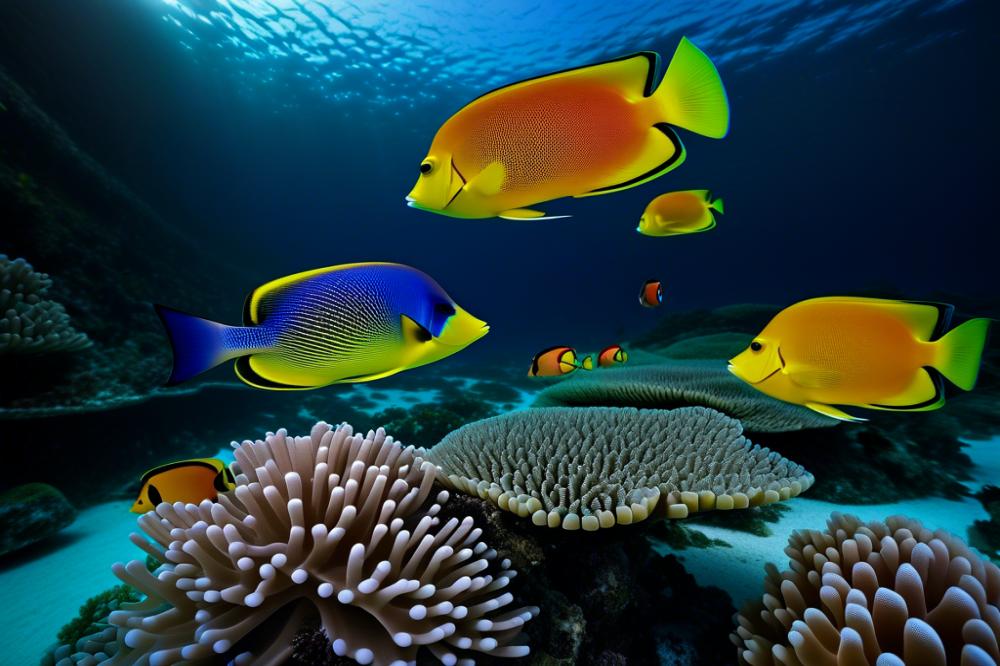
Local communities play a vital role in marine conservation efforts. By living near coastal areas, they have a unique connection to the ocean. Their daily lives often depend on sustainable fishing practices and managing natural resources wisely. These interactions create a strong motivation for protecting habitats and the biodiversity within them. A collective effort can lead to effective ecosystem protection. The knowledge passed down through generations is invaluable. Communities often use traditional practices to maintain balance in their surroundings.
Case Studies of Successful Community-Led Initiatives
Several success stories highlight the power of grassroots movements. In the Philippines, a village implemented a marine protected area. Fish populations began to rebound as a result of their commitment to conservation. Another case in Indonesia showcases a community restoring coral reefs. Local divers partnered with scientists, combining skills to revive damaged ecosystems. This proactive approach demonstrated how community engagement can lead to significant changes. These examples show how motivated local groups can tackle environmental challenges head-on.
Impact of Community Engagement on Biodiversity Preservation
The involvement of local communities greatly impacts biodiversity preservation. When people understand their environment, they are more likely to act responsibly. Environmental education plays a key role in this understanding. Workshops and training can teach sustainable fishing techniques. As a result, overfishing can be minimized, allowing fish stocks to recover. Restoring habitats also becomes a community effort. Positive changes in local ecosystems can lead to increased species diversity. In many cases, enhanced biodiversity directly contributes to healthier coral reefs and overall ecosystem resilience.
Sustainable Fishing Practices
Overview of Sustainable Fishing Methods
Sustainable fishing methods focus on balancing marine conservation and local needs. These practices promote the health of coral reefs and surrounding ecosystems. Techniques such as net limitations, seasonal closures, and size restrictions help protect young fish. Fishermen often engage in traditional practices that prioritize long-term resource management. Education plays a key role in these methods, guiding communities to fish responsibly.
Benefits of Sustainable Practices for Local Communities and Ecosystems
By adopting sustainable fishing, local communities benefit economically and socially. Healthier fish populations support greater catches over time, ensuring food security. Biodiversity thrives when fishing is done responsibly. Coral reefs flourish, providing essential habitat for countless marine species. Additionally, community members experience a stronger connection to their environment. This connection fosters pride and encourages engagement in ecosystem protection efforts.
Collaborations Between Communities and Authorities
Successful environmental education often involves partnerships between citizens and government bodies. Local communities collaborate with authorities to create rules that support sustainable fishing. These alliances help enforce regulations, making it easier to protect natural resources. Workshops and training sessions teach techniques for habitat restoration. Such teamwork builds trust and enhances the effectiveness of conservation strategies. By joining forces, communities and authorities aim to create a sustainable future for everyone involved.
Environmental Education and Awareness
Educating local populations is crucial for the protection of the Coral Triangle’s rich ecosystems. Knowledge about marine conservation can lead to more sustainable fishing practices. Communities that understand the importance of biodiversity often take better care of their natural resources.
Several programs focus on promoting marine conservation knowledge among residents. Workshops and hands-on activities allow individuals to learn about coral reefs, ecosystems, and habitat restoration. These initiatives help to connect local traditions with modern conservation methods.
Empowering youth is essential for the future of these communities. Programs designed for younger generations cultivate a sense of responsibility for the environment. Involving students in activities like beach clean-ups or biomass inventory promotes engagement and love for their surroundings.
Community engagement creates a foundation for effective environmental education. Adults and children alike can learn the value of preserving their ecosystems. Events that showcase traditional practices alongside modern techniques inspire collaboration.
Effective natural resource management relies on informed communities. People equipped with knowledge are more likely to champion ecosystem protection efforts. When local fishermen practice sustainable fishing, they help maintain the delicate balance of marine life.
Ultimately, investing in environmental education will foster a deeper connection to nature. Whether through school programs or local workshops, education plays a key role. Local communities can become stewards of their environments, safeguarding marine treasures for future generations.
Habitat Restoration Efforts
Strategies for Restoring Damaged Coral Reefs
Marine conservation often begins with restoring coral reefs. Different methods are used to achieve this goal. One effective strategy is the planting of coral fragments. This process helps rebuild damaged areas and promotes regrowth. Scientists and local communities work together to ensure these young corals have a suitable environment. Monitoring health and growth is crucial for success.
Another method involves installing artificial reefs. These structures can provide shelter and breeding grounds for a variety of marine life. By enhancing the habitat, they also support biodiversity. Innovative techniques, such as coral gardening, are gaining traction. This approach encourages local species to thrive and maintains the ecosystem balance.
Community Involvement in Habitat Restoration Projects
Community engagement plays a vital role in habitat restoration. Local residents possess valuable knowledge about their environment. Many communities incorporate traditional practices into their strategies. This respect for cultural methods can enhance restoration efforts. It creates a sense of responsibility and ownership.
Workshops on environmental education also benefit these initiatives. Teaching community members about the importance of ecosystem protection fosters commitment. When locals understand the connection between healthy reefs and sustainable fishing, they become motivated to act. Collaboration between non-profit organizations and fishermen has proven effective in many areas.
Success Stories of Restoration in the Coral Triangle
Successful restoration projects have emerged throughout the Coral Triangle. One remarkable example is in Indonesia. Here, the local village of Teukaboto initiated coral planting. After just a few years, vibrant reefs began to reappear. Fish species that had disappeared gradually returned to their habitats.
Another inspiring story originates from the Philippines. In a small coastal town, residents banded together to rehabilitate their coral reefs. They cultivated corals in nurseries and planted them back into the ocean. The recovery of marine life has positively impacted local fisheries, providing fresher catches.
Such stories demonstrate the potential of dedicated communities. They can lead the way toward healthy ecosystems. Positive change is possible when everyone works together for a common cause. Each success story encourages others to take action, showing that restoration is not only necessary but achievable.
Natural Resource Management
Integrating Local Communities in Resource Management
Local communities play a crucial role in managing natural resources. In many areas, these residents know the land and sea like the back of their hands. Their traditional practices often align with modern conservation goals. This local knowledge is invaluable when it comes to effective marine conservation. Communities can identify which species need protection and which fishing practices are sustainable. Effective resource management must involve these voices. Without their input, policies might not address real needs.
Policies Supporting Community-Based Management
Local governments and organizations are starting to recognize the importance of community engagement. Policies focused on community-based management help to empower residents. When these members of society are involved, they are more likely to support conservation efforts. Government initiatives can provide training in sustainable fishing methods. This approach helps to balance the economic needs of the community and ecosystem protection. Legal frameworks that grant communities authority over local resources can lead to better outcomes. Such policies promote biodiversity and strengthen the health of coral reefs.
Balancing Development and Conservation Needs
Finding a balance between development and environmental protection is key. Many communities face pressure to develop economically while also preserving natural habitats. Education plays an important role in this process. Environmental education can help residents understand the value of their ecosystems. It teaches about the impacts of overfishing and habitat destruction. By fostering a sense of stewardship, communities can engage in habitat restoration projects. These initiatives support both livelihoods and the health of marine environments. Striking this balance is not easy, but it is vital for the future of these vibrant ecosystems.
Final Thoughts on Community Efforts
Community Contributions Summarized
Local communities play a vital role in preserving the richness of marine ecosystems. They rely on their surroundings for food and livelihood. Through traditional practices, many have developed sustainable methods to utilize resources. Education also plays a part; local schools teach children about the importance of protecting marine environments. With community-led initiatives, small groups have made significant impacts. They run programs to reduce plastic waste and protect coral reefs. Moreover, these projects often bring awareness to larger conservation efforts.
A Call for Support and Engagement
Support for these community initiatives is essential. Governments and organizations need to get involved. Promoting partnerships between communities and conservation groups can amplify results. Engaging local populations in decision-making can lead to more effective solutions. Individuals can also help by volunteering or donating to local marine conservation groups. Every action counts. Awareness helps communities when they face challenges. People should come together to advocate for the rights of these communities.
Looking Ahead
The future of the Coral Triangle depends on our collective actions. With ongoing dedication from local communities and outside support, biodiversity can thrive. Challenges like climate change and pollution remain significant threats. However, strong community involvement offers hope. When people work together, they build resilience against these challenges. With a commitment to preserving these ecosystems, we can look forward to a healthier marine environment. Everyone has a role to play in safeguarding these precious waters and the life within them.


