
Introduction
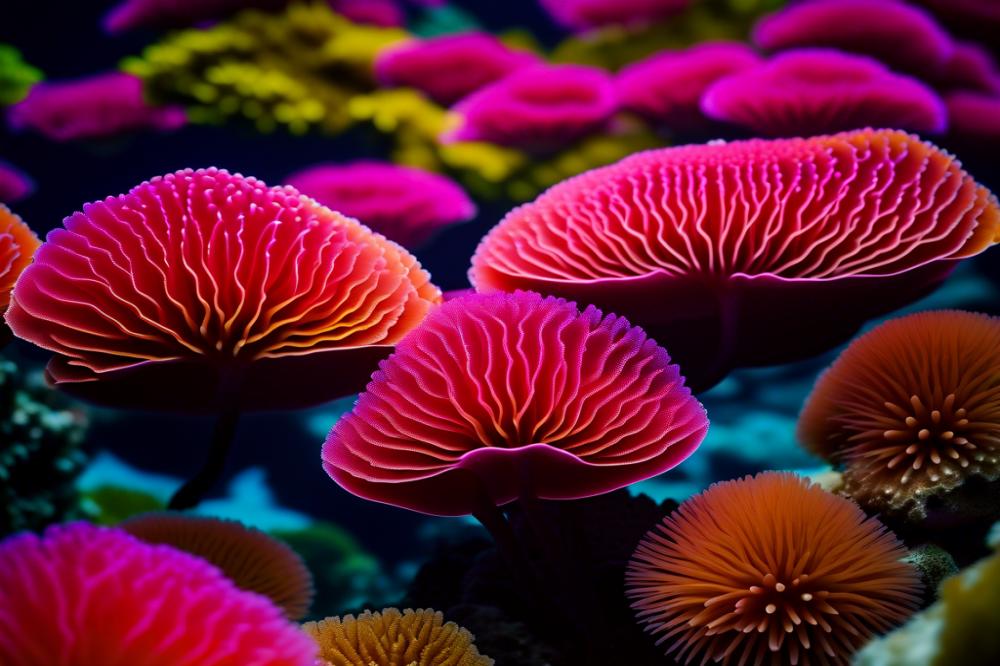
Marine Protected Areas play a vital role in the conservation of ocean ecosystems. These zones limit human activities to safeguard marine life and their habitats. In Palau, a small island nation in the western Pacific, the significance of these areas cannot be overstated. They are essential for protecting the stunning coral reefs that form the backbone of the local marine ecosystem.
coral reefs are more than just beautiful underwater landscapes. They are home to a diverse array of marine species, contributing immensely to the overall biodiversity of the region. Palau‘s reefs support fisheries, which are crucial for local communities. Sustainable fishing practices develop through careful management of these protected areas, helping to ensure a future for both marine life and the people who rely on it.
Climate change poses a significant threat to these delicate ecosystems. Rising sea temperatures and ocean acidification can devastate coral health. Effective management strategies can mitigate some of these risks. By protecting marine habitats, Palau aims to provide a buffer against the impacts of climate change, preserving reef health for generations to come.
Tourism also benefits from well-managed marine areas. Visitors flock to Palau to explore its rich biodiversity. Activities like snorkeling and diving thrive in healthy ecosystems. Investing in environmental policy that promotes protection leads to thriving tourism, which supports the local economy.
Ultimately, the role of Marine Protected Areas extends beyond conservation. They serve as focal points for reef restoration, community engagement, and education. By understanding their significance, we can appreciate how these areas help to sustain marine life, promote biodiversity, and protect the future of Palau’s natural wonders.
Marine Protected Areas and Coral Reefs
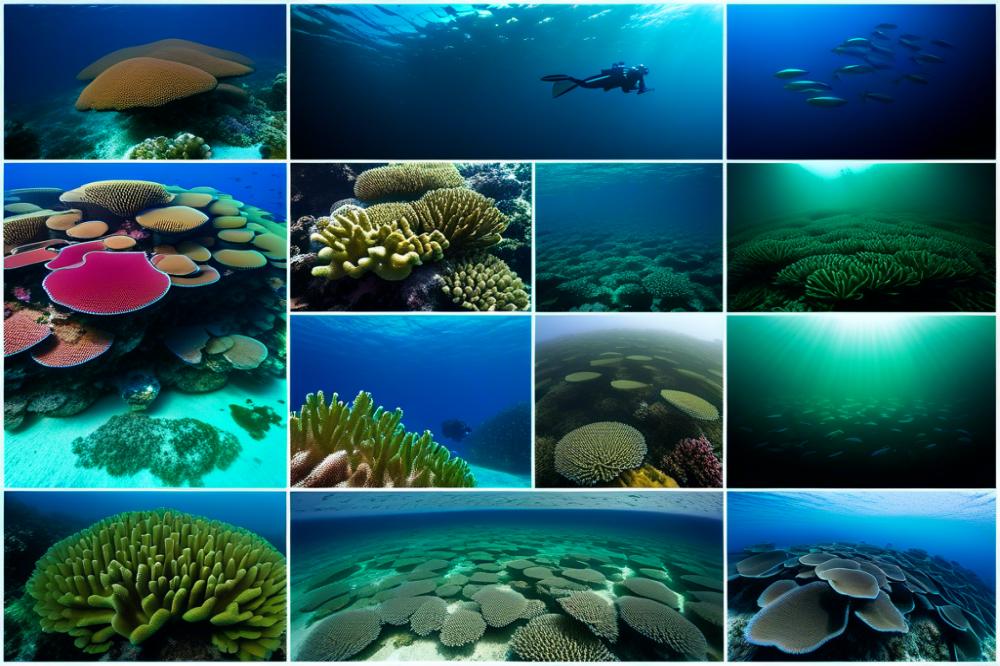
Marine Protected Areas (MPAs) are designated zones aimed at conserving marine ecosystems. Their purpose is to safeguard marine life while promoting sustainable practices. In Palau, these areas play a vital role in protecting coral reefs, which are at the heart of the local marine ecosystem. With an impressive array of marine life, these reefs are home to thousands of species, making them some of the most biologically diverse places on Earth.
Coral reefs in Palau boast astonishing biodiversity, offering shelter and food to numerous fish and other creatures. Coral polyps form the base of this ecosystem, and their health is crucial for the survival of many species. In addition to supporting wildlife, these reefs also provide significant benefits to the local economy through tourism and sustainable fishing practices. Healthy reefs attract tourists who come to dive and explore their vibrant underwater world.
The ecological importance of these reefs cannot be understated. They act as natural barriers against waves, protecting coastlines from erosion. Furthermore, coral ecosystems contribute to nutrient cycling, which supports the overall health of the marine environment. Climate change, however, poses a significant threat. Rising sea temperatures can lead to coral bleaching, which damages these vital structures and disrupts the entire ecosystem.
Conservation efforts within MPAs focus on reef restoration and ecosystem protection. By limiting harmful activities, such as overfishing or pollution, these zones help maintain the delicate balance of marine life. Environmental policies in Palau prioritize the health of coral reefs, emphasizing the need for community involvement and awareness. Proper management can lead to healthier oceans and more resilient habitats.
Conservation Efforts through MPAs
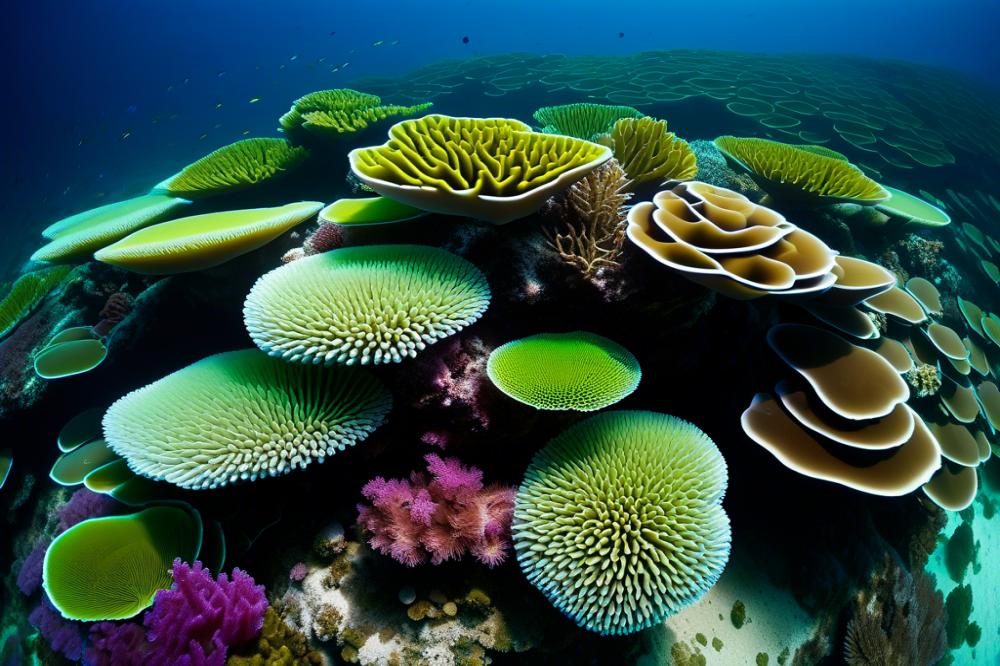
In Palau, several strategies aim to conserve coral reefs and enhance marine biodiversity. Local communities play a crucial role in these efforts. By engaging residents, authorities can promote sustainable fishing practices and habitat protection. Many fishers now understand the importance of preserving marine life for future generations.
One successful initiative is the reef restoration project initiated by a partnership between government agencies, NGOs, and local stakeholders. This project focuses on replanting coral and rehabilitating damaged areas. Over the past few years, it has shown encouraging results, with noticeable increases in fish populations and coral health.
Collaboration has also involved educational programs targeting schools and community groups. These programs teach people about the impacts of climate change and the importance of protecting marine ecosystems. Children often participate in beach clean-ups, fostering a sense of responsibility toward their environment.
Tourism in Palau often emphasizes conservation. Eco-tourism strategies not only attract visitors but also fund local conservation efforts. Tour operators are encouraged to provide information about marine protection and biodiversity. This way, tourists can appreciate the natural beauty while supporting sustainable practices.
Successful environmental policy in Palau includes well-established marine protected areas. These zones limit activities that can harm coral reefs. By regulating fishing and prohibiting destructive practices, the reefs have a better chance to thrive. The local government monitors these areas, ensuring that they remain safe havens for marine life.
In summary, the combined efforts of government, NGOs, and communities have created a robust framework for coral conservation. These initiatives highlight the interconnectedness of local culture, environmental awareness, and economic sustainability in preserving Palau’s unique underwater habitats.
Sustainable Fishing Practices
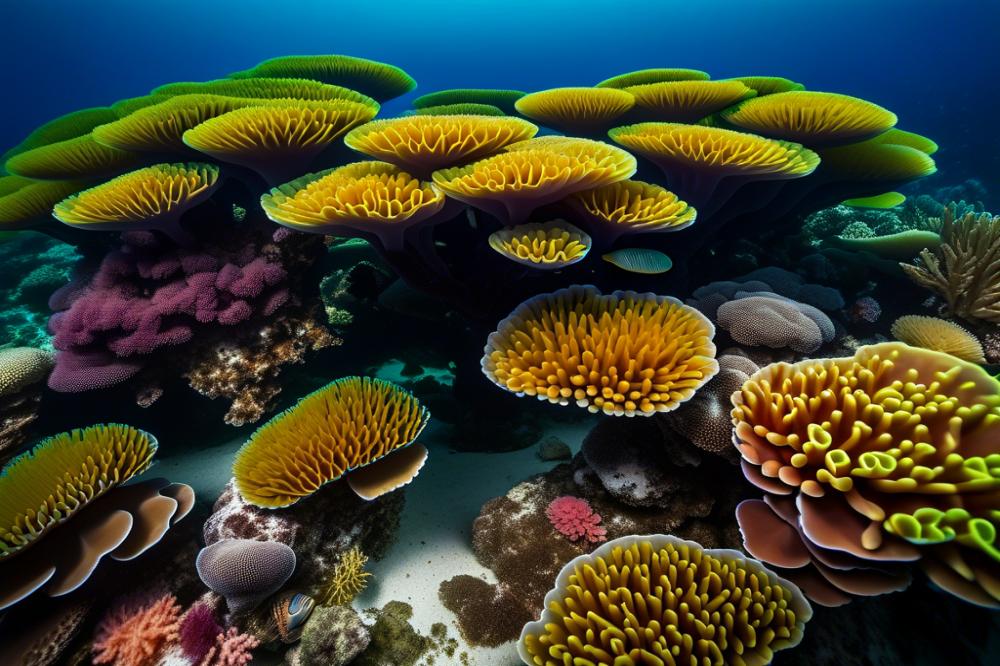
In Palau, sustainable fishing serves as a cornerstone of conservation efforts aimed at protecting coral reefs. This approach not only benefits the ocean but also local communities relying on marine resources. By carefully managing fishing practices, the region can maintain a healthy ecosystem that supports diverse marine life.
Restrictions on fishing activities play a key role in promoting healthy reef ecosystems. Fishermen must adhere to rules that limit the types and quantities of fish caught. These regulations help maintain balance within the ocean. Overfishing can harm delicate habitats. Legislation has been established to prevent this threat and encourage practices that safeguard these environments.
The positive impacts of sustainable fishing extend beyond coral reefs. Biodiversity thrives when fishing is harvested responsibly. Healthy fish populations contribute to natural reef restoration, allowing ecosystems to flourish. When fish populations are stable, marine life enjoys a more diverse habitat. This results in better overall health for the ocean.
Local economies also benefit from sustainable fishing practices. Tourists flock to Palau for its stunning underwater scenery and vibrant marine life. A robust tourism sector thrives when reefs are protected. More visitors translate to more jobs and opportunities for residents. Supporting responsible fishing ensures a balance between conservation and economic growth.
Climate change poses a significant threat to coral reefs worldwide. In response, Palau’s environmental policy emphasizes the need for sustainable practices. This action helps shield vulnerable reefs from the impacts of warming ocean temperatures. By fostering a culture of sustainability, the community plays a crucial role in protecting their unique underwater environments.
Ecosystem Protection against Climate Change
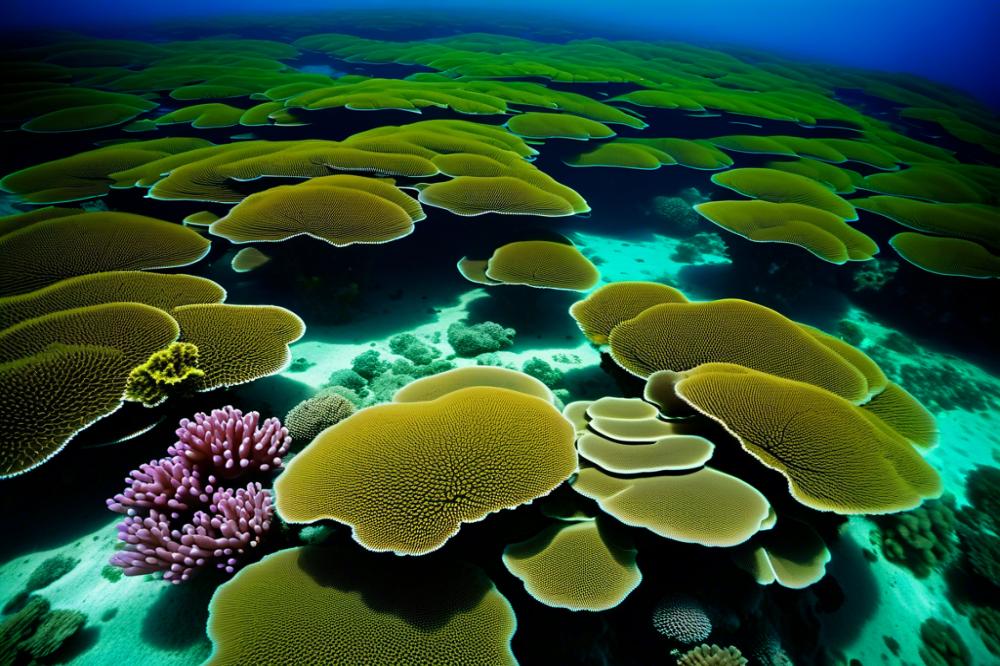
Climate change poses a significant threat to coral reefs around the globe. In Palau, the establishment of protected areas plays a crucial role in addressing these challenges. These zones help mitigate the rising temperatures and ocean acidification that contribute to coral bleaching. When corals are stressed, they lose the vibrant colors and essential nutrients they need to thrive. Protected spaces give them a better chance to recover from these stresses.
Coral ecosystems in protected zones show greater resilience than those outside. For instance, reefs within these areas tend to have higher biodiversity. This diversity enhances the stability of the ecosystem. Different species can play various roles in maintaining a healthy reef. A diverse marine life can adapt better when environmental conditions change. It creates a buffer against the negative impacts of climate fluctuations.
Strategies for preserving coral reefs include restricting harmful activities like overfishing and harmful trade. Implementing sustainable fishing practices is essential for maintaining fish populations that rely on these habitats. Policies that enforce regulations on fishing gear can minimize damage to the delicate coral structures. Reef restoration projects also serve as an effective method to recover damaged areas. These initiatives promote the growth of coral and enhance biodiversity.
Tourism, when managed properly, can support conservation efforts as well. Eco-tourism often raises awareness about the significance of these natural environments. Visitors who cherish marine life may support initiatives that protect the reefs. Environmental policies need to adapt as challenges from climate change grow. Strengthening protections can lead to healthier ecosystems capable of withstanding shifting conditions.
In summary, Palau’s commitment to ecosystem protection shines through its efforts to combat climate change. Strategies that prioritize sustainability play a pivotal role in conserving these unique habitats. As coral reefs face increasing pressure from a warming world, protective measures become more vital each day.
Benefits of MPAs for Tourism
Ecotourism in Palau thrives thanks to protected marine areas. Tourists flock to the islands to witness the stunning biodiversity that exists there. The crystal-clear waters and vibrant coral reefs attract divers and snorkelers from around the world. When visitors explore these underwater ecosystems, they support local economies. This economic boost stems from spending on tours, accommodations, and restaurants.
Protected marine environments provide more than just beauty. Healthy ecosystems sustain marine life and promote reef restoration. Responsible tourism practices, like limiting fish capture and reducing waste, help maintain these fragile environments. Tourists who engage in sustainable fishing practices protect habitats while enjoying their adventures. This connection between tourism and conservation encourages a respectful approach to nature.
Environmental policies play a critical role in the success of ecotourism. By implementing regulations that focus on ecosystem protection, Palau ensures both conservation and economic growth. Tour operators often educate visitors on the importance of preserving marine habitats. This education builds awareness about the threats posed by climate change and overfishing. When tourists understand these issues, they become more responsible in their choices.
Tourism can serve as a powerful tool for conservation efforts. Funds generated from ecotourism can support local initiatives aimed at protecting marine ecosystems. These initiatives may include habitat restoration projects and community-led conservation strategies. By participating in responsible tourism, visitors contribute to a sustainable future for Palau’s coral reefs. Engaging with local communities also fosters a strong sense of stewardship over natural resources.
The balance between tourism and conservation is delicate. With a growing number of visitors, the pressure on marine life increases. It is essential that both tourists and operators commit to practices that safeguard these unique habitats. Without this commitment, the very attractions that draw visitors to Palau could be endangered. Thus, supporting sustainable tourism is crucial for the longevity of the islands’ precious natural resources.
Environmental Policy and Management
Palau has established a robust framework of policies that support the protection of its marine ecosystems. These guidelines are crucial for safeguarding the diverse marine life that calls Palau home. The government focuses on conservation strategies that promote sustainable fishing practices and ecosystem protection. This includes setting regulations to limit harmful activities that could threaten the delicate balance of coral reefs.
Effective management and enforcement are essential for maintaining these protected areas. Without proper oversight, illegal fishing and habitat destruction become serious threats. The Palauan government collaborates with local communities to monitor compliance and uphold the rules. Community involvement fosters a sense of ownership and responsibility towards marine life, making enforcement more effective.
Lessons learned from previous conservation efforts highlight the need for adaptability. As climate change impacts intensify, policies must evolve to address new challenges. Successful reef restoration projects have provided insights into which methods yield the best results. Expanding educational programs to raise awareness among tourists and residents is equally important. Such initiatives can help cultivate a culture of respect for marine resources.
Moving forward, the future of marine conservation in Palau looks promising. Policy development will likely focus on integrating climate action with biodiversity preservation. Additionally, promoting eco-friendly tourism can create economic opportunities while safeguarding natural habitats. Initiatives will continue to aim for a balance between development and conservation, ensuring that marine ecosystems thrive for generations to come.
Final Thoughts on Protecting Coral Reefs in Palau
Marine Protected Areas play an essential role in securing the future of coral reefs in Palau. They serve as safe havens for diverse marine life, allowing ecosystems to thrive without the pressure of human activities. By restricting harmful practices like overfishing and pollution, these zones become sanctuaries for fragile species that need protection.
Investment in these areas is not just a local concern. It impacts the global community by contributing to overall marine biodiversity. Healthy coral reefs benefit countless species and support the livelihoods of many communities. Additionally, they offer protection against climate change by providing barriers that reduce the effects of storms and erosion.
Continuous support for conservation is critical. It requires the commitment of both local communities and international partners. Strengthening enforcement, engaging with the public, and fostering education about the importance of these areas can lead to long-term success. Action is needed now more than ever to ensure that future generations can experience the beauty of Palau’s underwater world.
Everyone can contribute. Whether through advocacy, responsible tourism, or participation in local initiatives, every effort counts. Global awareness and local action can create a powerful force for change. Protecting coral reefs is vital for ecological balance and for maintaining the health of our oceans.
Let us unite in our conservation efforts. Together, we can safeguard these precious resources for years to come.


