
How plant anatomy Shapes the natural world
Understanding the structure of plants is essential for comprehending their role in our environment. plant anatomy reveals how various parts, such as leaves, stems, and roots, contribute to their overall functioning. These structures support vital processes like photosynthesis, which fuels life on Earth. Without this process, many forms of life would not survive.
Each component of a plant plays a critical role in helping it adapt to its surroundings. For instance, the shape and size of leaves can affect how much sunlight a plant can capture. Roots hold the plant firmly in the ground while also absorbing water and nutrients. Stems support the plant and transport these resources throughout its system. By examining these unique adaptations, we gain insight into biodiversity and the intricate relationships among living things.
Plant physiology is also intertwined with ecology. The health and structure of plants influence their environment and nearby ecosystems. For example, dense forests can improve soil health and provide habitats for countless species. In contrast, deforestation can lead to loss of biodiversity and significant environmental impacts. Each change in plant structure can ripple through the natural world, affecting everything from soil quality to animal populations.
This article will explore how the intricacies of plant anatomy not only influence individual species but also shape entire ecosystems. We will delve into the connection between plant structures and their ecological roles, highlighting the importance of these living organisms in maintaining balance within the environment. By gaining a deeper appreciation of plant anatomy, we can better understand and protect the natural world around us.
Understanding Plant Anatomy
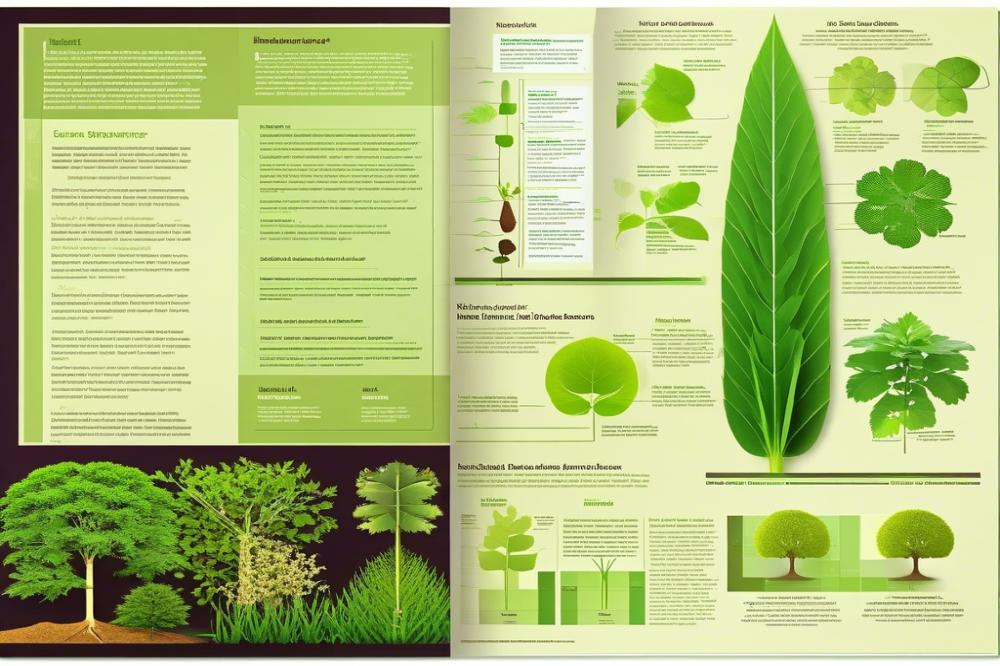
Plant anatomy is the study of the structure of plants and their parts. It encompasses various components that each play a significant role in a plant’s life. Three primary parts are roots, stems, and leaves. Roots anchor the plant in the ground while absorbing water and nutrients from the soil. Stems provide support and serve as conduits for transporting materials throughout the plant. Leaves are vital for capturing sunlight needed for photosynthesis.
Examining plant physiology helps us understand how these structures function. Different types of roots, like taproots or fibrous roots, adapt to various soil conditions. Stems vary in thickness and flexibility, supporting the plant’s height and structure. Leaf shapes and sizes adapt to their environment, influencing how effectively they gather sunlight. Each component works in harmony to sustain the plant’s life.
The relationship between anatomy and photosynthesis is crucial to plant survival. Leaves contain chlorophyll, which captures light energy, allowing it to convert carbon dioxide and water into glucose. This process not only feeds the plant but also impacts the ecosystem. Oxygen is released during photosynthesis, contributing to the air we breathe.
Understanding plant structure offers insights into ecology and biodiversity. The diverse adaptations of plants allow them to thrive in different environments. For example, desert plants may have thick leaves to store water, while tropical plants often have broad leaves for sunlight capture. Such variations demonstrate the intricate links between anatomy, physiology, and environmental impact.
Observation of plant anatomy provides a window into how life on Earth operates. Each part contributes uniquely, helping plants adapt and survive in an ever-changing world. The complexity of these structures shapes not only the plants themselves but also the ecosystems they inhabit.
Roots: The Foundation of Plant Structure
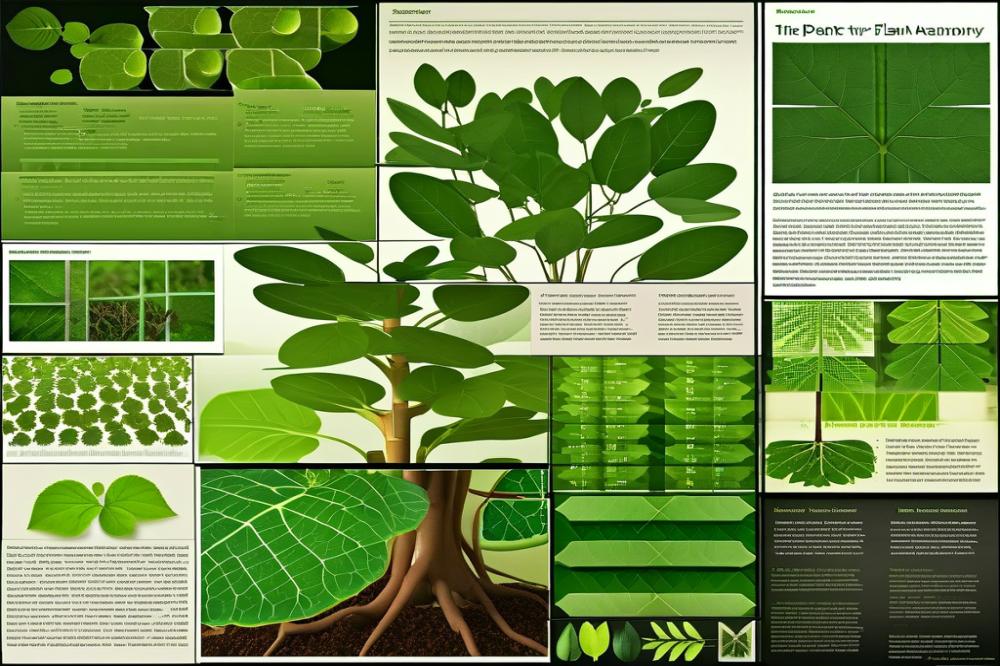
Roots serve as the critical base that holds plants in place. They anchor plants firmly in the soil, providing stability against wind and rain. Without a healthy root system, a plant struggles to survive in its environment. Roots extend deep into the ground, searching for water and nutrients essential for growth. This process is vital for photosynthesis, as plants need these nutrients to produce energy. Healthy roots mean a healthy plant, which contributes to the overall health of the ecosystem.
Different types of root systems exist, each with unique adaptations that help plants thrive. Some plants, like carrots and beets, develop taproots that grow deep into the soil. This allows them to access water stored deep below the surface. Other plants, such as grasses, have fibrous root systems that spread wide but do not penetrate deeply. These roots help prevent soil erosion and maintain the soil structure. Each type of root system contributes to biodiversity by supporting various lifestyles and habitats.
Root structure plays a significant role in soil health and ecology. Roots can improve soil quality by breaking up compacted layers and allowing air and water to penetrate. They also release organic compounds that feed beneficial microorganisms in the soil. These interactions support the complex web of life beneath the surface. Additionally, healthy root systems contribute to nutrient cycling, which helps sustain the balance of the ecosystem. The environmental impact of roots can be seen in healthy forests, grasslands, and wetlands. Without robust root structures, many plants would not survive.
Adaptation is evident in roots across various environments. In dry climates, some plants have evolved to develop shallow, widespread roots that can quickly absorb moisture after rainfall. Others have developed the ability to store water in their roots, allowing them to withstand long periods of drought. Root adaptations are crucial for survival in changing conditions. As climates shift, these adaptations help plants endure and flourish, supporting overall plant physiology.
The interconnected nature of roots, leaves, and stems creates a dynamic living system. Each part plays a specific role. Roots focus on stability and nutrient acquisition, while leaves are primarily responsible for photosynthesis. Stems provide support and transport resources between the roots and leaves. Together, they form a cohesive plant structure essential for life. Understanding the significance of roots helps to appreciate the intricate relationships within nature.
Stems: The Support System

Stems play a crucial role in maintaining plant structure. They connect roots to leaves, forming a pathway that helps in transport. Through stems, water and nutrients move from the soil to various parts of the plant. Additionally, they help carry products of photosynthesis from leaves back to the rest of the plant. Stems are not just conduits; they also provide stability. Without strong stems, plants would collapse under their own weight, leading to detrimental effects for the entire organism.
Across different species, stem anatomy varies widely. Trees possess thick, woody trunks that give them strength. Conversely, herbaceous plants have softer stems that are more flexible. This diversity not only reflects adaptation to specific environments, but also influences how plants interact with their surroundings. In deserts, for example, some plants develop thick, succulent stems to store water. Meanwhile, in tropical rainforests, certain vines use their thin, flexible stems to climb and reach sunlight.
The role of stems extends beyond just transport and support. They influence photosynthesis as well. In some cases, stems can photosynthesize, especially in plants with green, photosynthetic tissue. This adaptation enables them to thrive even in challenging conditions. Tall stems can also gather sunlight more efficiently, which is vital in dense ecosystems where light is limited. This factor promotes biodiversity by supporting various plant species within a habitat.
Environmental impact shapes how plants develop their stems. In areas with high winds, sturdier stems tend to survive better. Plants in such regions may evolve thicker stems to withstand these forces. In contrast, species in sheltered environments might have more delicate stems. Such differences highlight the intricate relationship between plant physiology and ecology. They also underscore the importance of plants in maintaining healthy ecosystems.
Roots, stems, and leaves all work together harmoniously. While roots anchor the plant and absorb moisture, stems elevate and distribute nutrients. Leaves carry out photosynthesis, converting sunlight into energy. Healthy collaboration among these parts is essential for optimal growth and survival. Each aspect of plant anatomy contributes to overall function, ultimately impacting the environment around them.
Leaves: The Photosynthetic Powerhouses
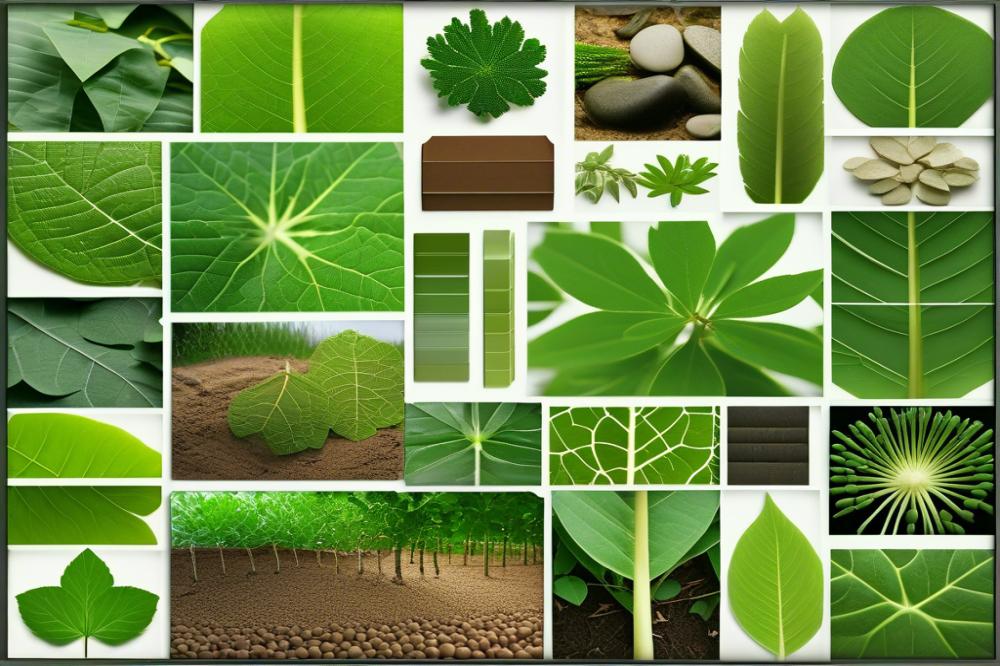
Examining leaf anatomy reveals much about how plants convert sunlight into energy through photosynthesis. In the broadest sense, leaves play a vital role in sustaining life on Earth. They contain chlorophyll, the green pigment responsible for capturing light energy. This process ultimately supports the food chain, influencing both plant structure and animal life.
Leaves come in various forms, each adapted for specific environments. For instance, needle-like leaves help coniferous trees reduce water loss in dry climates. Tropical plants often feature large, broad leaves that maximize sunlight absorption in dense forests where light is scarce. These adaptations are not just about survival; they reflect the intricate dance of ecology shaping diverse ecosystems.
Leaf shape and size impact biodiversity. In healthy forests, a mixture of leaf types creates varied habitats for insects and animals. Each leaf type caters to different species, contributing to a balanced ecosystem. This complexity allows for greater energy transfer, as each organism plays a role in the cycle of life—from producers to consumers.
Root systems also interact with leaves. A well-developed root system supports leaves’ growth by capturing water and nutrients from the soil. The connection between roots and leaves showcases plant physiology’s intricacies. This relationship helps plants thrive, even in challenging conditions, promoting resilience against environmental changes.
Moreover, leaves significantly influence energy transfer within ecosystems. The rate of photosynthesis affects how much energy is available to herbivores. Consequently, this dynamic ends up shaping the food web. If leaves cannot photosynthesize efficiently, the entire ecosystem can feel the repercussions.
Understanding how leaves adapt to their environment highlights the importance of conservation. When we lose leaf diversity due to climate change or human activity, we risk greater ecological imbalance. Protecting these unique plant features is essential not just for plants but for all life forms that depend on them. Leaves are more than mere structures; they are a critical component of life on our planet.
Ecological Interactions and Plant Adaptations
Plants play a crucial role in shaping their environments. Various structures like leaves, stems, and roots greatly influence their interactions with other species. These adaptations are not just for survival; they are vital for the health of entire ecosystems.
Consider photosynthesis, the process where plants convert sunlight into energy. Leaves are designed to maximize this process. Their surface area and orientation allow them to capture as much light as possible. In contrast, some plants have developed needle-like leaves to combat water loss in arid conditions. This adaptation is essential for survival in harsh climates.
Roots also demonstrate fascinating adaptations. In nutrient-poor soil, plants might develop deeper or more extensive root systems. This enables them to access water and minerals that other plants cannot. Such variations contribute to biodiversity within the ecosystem.
Stems provide another example of functional adaptation. Certain species have thick, sturdy stems to support large leaves or flowers. These structures help plants withstand strong winds and heavy rainfall. Additionally, some climbing plants have adapted by developing tendrils. These allow them to latch onto nearby structures for support, showcasing the inventive ways plants navigate their habitats.
Interactions among species often hinge on plant anatomy. For example, flowering plants rely on their anatomy to attract pollinators. Bright colors, fragrant scents, and nectar-producing structures entice bees, butterflies, and birds. In turn, these pollinators help plants reproduce, creating a cycle of mutual benefit.
Ecosystems depend on diverse plant forms. Each species contributes in unique ways, influencing how energy flows through food webs. The plant’s physiological traits determine how well it can thrive in a specific environment. Changes in these traits can lead to significant environmental impacts, altering habitats and the species that rely on them.
Adapting to ever-changing conditions is key for plant survival. This resilience is evident in how invasive species can rapidly take over regions. Their unique adaptations may give them an advantage over native plants. Understanding these dynamics is important for conservation efforts. Maintaining biodiversity is crucial for healthy ecosystems.
By examining how these adaptations work, we can gain insights into the delicate balance of nature. Each interaction matters, and plants play a central role in maintaining ecological relationships. The beauty and complexity of the natural world often hinge on how plants adapt their structures for survival.
Environmental Impact of Plant Anatomy
Plants play a crucial role in their surroundings. Their structures, such as roots, leaves, and stems, significantly influence the environment. The process of photosynthesis allows them to convert sunlight into energy, supporting life on Earth. By absorbing carbon dioxide, plants help regulate the climate, making them vital in the fight against global warming.
Root systems anchor plants and hold soil in place. This stability reduces erosion, especially in areas prone to heavy rains. Healthy soil is essential for a thriving ecosystem. The structure of a plant’s root system can vary widely, which impacts how well it can gather water and nutrients. Some plants adapt to dry climates by developing deep roots, while others may have shallow systems to absorb surface moisture.
Leaves are another important aspect of plant physiology. They capture sunlight and facilitate gas exchange. The arrangement and size of leaves can affect how much light a plant absorbs. Through photosynthesis, leaves produce oxygen, which is essential for many organisms. This process not only sustains life but also maintains ecological balance.
Stems carry water and nutrients between roots and leaves. They provide structural support, allowing plants to grow taller and compete for sunlight. The thickness and strength of a stem can determine how well a plant can withstand environmental pressures, such as wind or drought conditions. Different plants have adapted their stem structures to thrive in various habitats.
Biodiversity heavily relies on these adaptations. Diverse plant species create various habitats for countless animals and microbes. Plant structure influences the types of animals that can live in an area. A rich variety of plants ensures a healthier ecosystem, promoting resilience against disease and climate change.
Understanding the environmental impact of plant structures can guide conservation efforts. Protecting diverse plant life helps preserve the intricate web of life that depends on them. Encouraging native plants in restoration projects can support local wildlife. Each plant species brings its own unique contributions to the ecosystem, highlighting the importance of maintaining biodiversity.
In conclusion, the relationship between plant anatomy and ecology reflects their critical role on our planet. Recognizing how plants interact with their surroundings enables better decisions for environmental conservation. The more we value these natural structures, the more we can protect our environment for future generations.
Final Thoughts on the Role of Plant Anatomy in Our World
Reflecting on the way plant structure influences life on Earth reveals its profound impact. Every plant has adapted its anatomy for survival and growth. For instance, leaves designed for efficient photosynthesis can determine the amount of food produced in an ecosystem. Understanding these adaptations helps us grasp the intricate web of life that plants support.
Biodiversity thrives because of the variety of plant forms and functions. Different species occupy distinct niches in ecosystems, from towering trees in rainforests to tiny mosses in shady valleys. This diversity fosters resilience, allowing ecosystems to withstand changes in the environment. Moreover, these variations in structure affect everything from nutrient cycling to soil health.
While we have learned much, ongoing research remains vital. Scientists are constantly uncovering more about the interplay between anatomy and ecology. A deeper awareness can drive conservation efforts. Protecting plant life means preserving the ecosystems that provide clean air and water for all living things.
The health of our environment directly correlates to the dynamics of plant life. As the planet faces challenges such as climate change and habitat loss, understanding these relationships becomes even more crucial. Therefore, let’s encourage curiosity about the natural world. Learning about plants can inspire actions that safeguard our environment for future generations.