How to care for Angelica plants in Your herb garden
Growing an herb garden can be a rewarding experience, and among the myriad of herbs available, Angelica plants stand out. These plants are known for their tall, striking appearance and their aromatic qualities. They not only add beauty to your garden but also serve various culinary and medicinal purposes.
Cultivating herbs provides numerous benefits. Fresh herbs can vastly enhance the flavors of your meals. Additionally, growing your own herbs allows for better control over their quality and freshness. With more people embracing gardening, the desire to nurture and harvest plants at home has increased significantly. An herb garden can be a source of joy and satisfaction, offering a connection to nature right in your backyard.
This article aims to guide you in caring for these remarkable plants. Each section will break down essential topics like planting techniques, soil requirements, and sunlight needs. You will learn about maintenance throughout the growing season. Furthermore, the final part will cover harvesting tips and potential uses for your Angelica plants. By the end, you will have a comprehensive understanding of how to successfully cultivate and enjoy this unique herb in your garden.
Understanding Angelica Plants
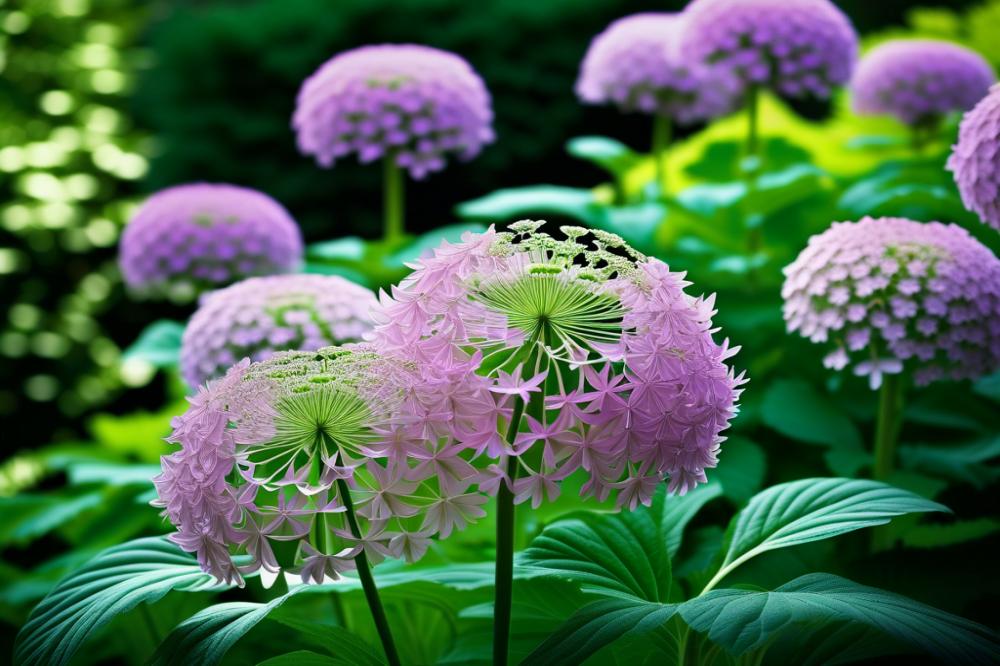
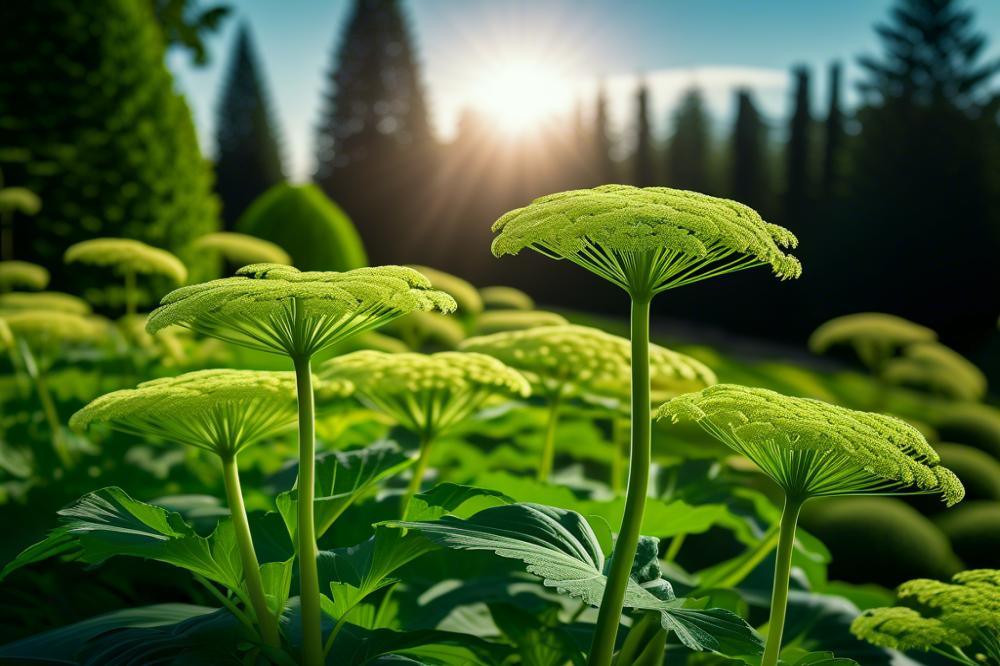
Angelica, a tall herbaceous plant, stands out for its striking appearance. It can reach heights of up to six feet. Large, glossy leaves grow in a rosette form at the base, while its stems are thick and hollow. The plant usually produces small yellowish-green flowers, which cluster into large umbels. This flower structure not only attracts pollinators but also adds ornamental value to gardens.
Historical and Culinary Significance
The history of Angelica is rich and varied. Traditionally, it has been used for countless ailments in herbal medicine. Its early uses date back to ancient times, and many cultures regarded it as a protective plant. In culinary contexts, Angelica is quite versatile. Chefs often use the stalks to make candied treats, and its roots can flavor liqueurs such as gin. Additionally, Angelica leaves add a unique taste to salads or as a seasoning in soups.
Varieties of Angelica Plants
Several varieties of Angelica exist, each with distinct features. One popular type is Angelica archangelica, often called garden Angelica. It thrives in temperate climates and features large leaves. Another variety, Angelica sylvestris, or wild Angelica, can be found in natural habitats. This type typically grows taller and has a more pronounced aroma. Regardless of the variety, each plant requires specific care and attention to flourish.
When cultivating Angelica, consider soil requirements carefully. It prefers moist, well-drained soils enriched with organic matter. Additionally, sunlight plays a vital role in the plant’s growth. While Angelica can tolerate some shade, full sun exposure yields the best results. Regular watering is also important to maintain soil moisture. Consistent maintenance will support healthy development and vibrant blooms.
Harvesting Angelica is an enjoyable experience. Stems can be cut when they reach their full height, typically in late summer. Leaves and flowers also are harvested for culinary purposes. Yet, cutting should always leave enough plant material behind for future growth. This practice ensures healthy plants for years to come. Each part boasts different uses, whether in cooking or for medicinal purposes. Caring for Angelica allows gardeners to benefit from its many offerings.
Soil Requirements for Angelica Plants
Ideal Soil Type and Texture
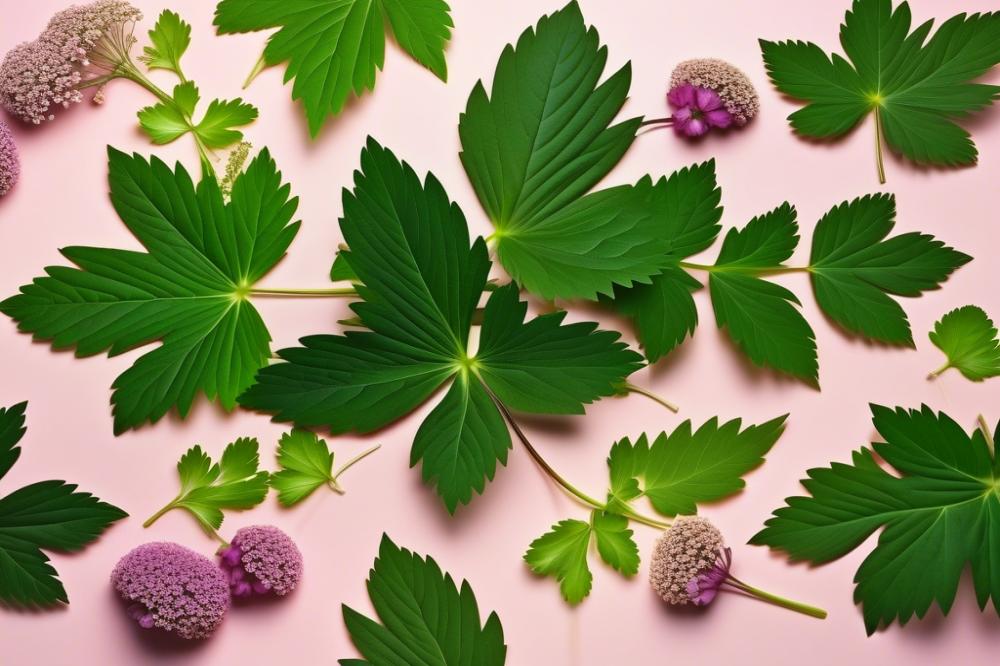
Angelica thrives in moist, rich soils. Loamy or sandy loam types are perfect for this herb. These textures provide good drainage while retaining enough moisture. Compacted or heavy clay soils can hinder growth. Drainage is essential, as standing water can lead to root rot. A well-aerated soil will support healthy root development.
pH Levels and Amendments
The ideal pH for growing angelica falls between 6.0 and 7.0. Testing the soil is a good practice before planting. If it is too acidic, consider adding lime. For alkaline soils, incorporating sulfur can help balance it. Organic matter can also enhance soil quality. Compost or well-rotted manure can provide nutrients and improve pH.
Preparing the Soil for Planting
Before planting, work the soil to a depth of at least 12 inches. This loosens it and aids in root penetration. Remove any weeds, rocks, or debris while tilling. Adding compost or organic fertilizers to the mix enhances nutrient content. Raking the soil smooth creates an ideal bed for planting. After preparing, water the area thoroughly. This gives a jump start to germination and promotes strong growth.
Planting Angelica Plants
Best Time for Planting
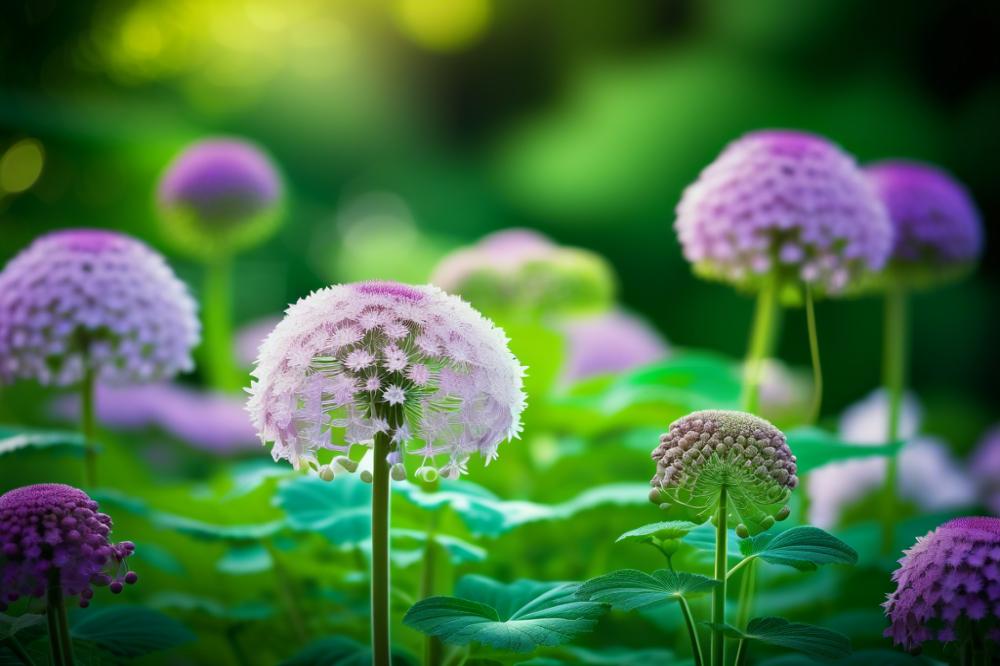
Timing is crucial for successful cultivation. The best period to plant is in early spring. This timing allows for a longer growing season before winter sets in. Mild temperatures promote healthy growth. However, you can also plant in early fall in some regions. Just make sure the ground is workable and not too wet.
Seed Propagation Versus Transplants
Both seed propagation and transplants are viable methods for growing these herbs. Starting with seeds can be rewarding. They can be sown directly into the soil or grown indoors before moving outside. If you opt for transplants, ensure they are well-established. This method often leads to quicker growth since the plants are already somewhat developed. Each approach has its benefits, so choose based on your comfort level with growing.
Spacing and Depth Considerations
Proper spacing is vital for the plants to thrive. When planting seeds, space them about 12 to 18 inches apart. This distance helps air circulation and keeps plants healthy. Plant seeds at a depth of about ¼ inch. Keep in mind that when using transplants, the same spacing applies. Cover the roots well but don’t bury them too deep.
Soil quality also plays a role in successful planting. Aim for well-drained, rich soil that supports growth. Regular watering will be necessary, especially right after planting. Sunlight is another factor to consider. Angelica requires partial shade to thrive, particularly in warmer climates. Offering these conditions will promote robust plants and better maintenance throughout the growing season.
Sunlight and Water Needs
Optimal Sunlight Exposure for Growth
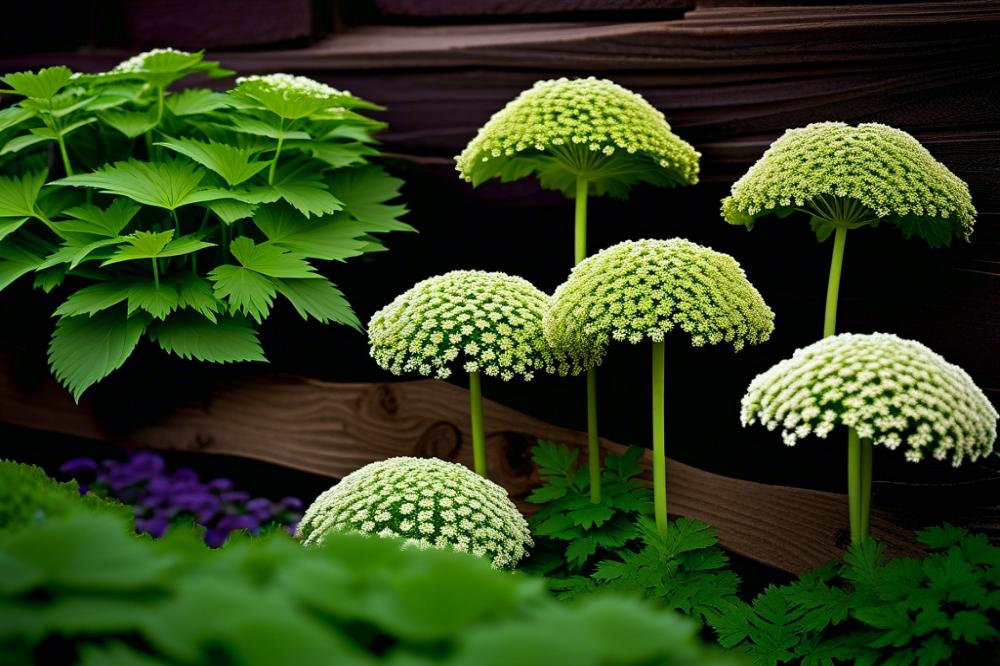
Angelica prefers full sun to partial shade for healthy growth. It thrives with six to eight hours of sunlight each day. When planting, consider the space available. Too much direct sun can stress the plant. On the other hand, too much shade might hinder its development. Select a location that balances both light and warmth. A good spot allows the plant to flourish while preventing crisping of the leaves.
Watering Guidelines and Frequency
Watering is essential for maintaining healthy plants. Keep the soil consistently moist but not soggy. A deep watering once a week typically suffices. During hot weather, adjust your frequency based on the moisture level in the soil. Check for dryness by feeling the soil a few inches down. When the surface seems dry, it’s a clear sign for a drink. Overwatering could lead to root rot, which is detrimental to their health.
Managing Humidity and Drainage
Humidity can play a significant role in the growth of this herb. Ideally, the environment should be somewhat humid. If your home is dry, consider misting the plants occasionally. This helps to replicate their natural habitat. Good drainage is just as important. Heavy, compacted soil can suffocate roots. Use well-drained soil that allows excess water to escape. A mixture of rich compost and sandy soil often works well for planting. Remember, proper drainage prevents problems in the long run.
Caring and Maintaining Angelica Plants
Regular maintenance is key for healthy growth. Watering should be consistent, as these herbs thrive in moist soil. Always check the soil with your fingers; if it feels dry, it’s time to water. Sunlight plays an crucial role in the development of these plants, with partial shade being ideal. Too much direct sun can lead to wilting.
Keep an eye out for common pests like aphids and spider mites. These tiny invaders can be a nuisance. If you notice any, a strong stream of water can dislodge them. For more stubborn pests, consider using insecticidal soap. Monitoring your plants regularly can help catch issues early.
Fertilization helps growth and enhances flavor. A balanced organic fertilizer once in spring and then again in mid-summer tends to work well. Following the instructions on the package is important for achieving the best results. Avoid over-fertilizing, as it can damage your herb. Proper soil requirements are essential, too. Well-draining, rich soil supports healthy cultivation.
Harvesting should occur when the plants reach about three feet tall. Cut the stalks at the base while leaving some behind for continued growth. Regular harvesting encourages bushier plants and can be done for both culinary and medicinal uses. If you want to dry the leaves, make sure they are harvested in the morning when they are at their freshest.
It’s also wise to check for any signs of disease. Yellowing leaves may indicate overwatering, while brown edges can signal drought stress. Correcting these issues promptly will keep your plants thriving. Understanding these aspects is vital for successful planting and care.
Harvesting Angelica Plants
Signs of Readiness for Harvest
Look for mature leaves, which typically have a rich green color. When the plant reaches about 2 to 4 feet in height, it indicates that it is ready for harvesting. Flowers will start to appear when the plant is fully mature, marking the peak time for collection. The leaves can be picked no earlier than late spring to ensure the best flavor and aroma.
Best Practices for Harvesting Leaves, Stems, and Roots
Use a sharp knife or scissors to cut the leaves, as this avoids damaging the plant. Take care to harvest only up to one-third of the plant at a time. This approach promotes healthy growth and allows the plant to regenerate. For stems, make cuts at the base where the stem connects to the plant. Roots can be harvested in the fall when they have had a chance to grow large and develop flavor. Dig them out gently, being cautious not to disturb other parts of the herb too much.
Preservation Techniques for Harvested Parts
Once you have gathered leaves, stems, and roots, consider several preservation methods. Drying is a common technique for leaves. Place them in a cool, dark area to maintain their flavor. Stems can also be dried but may require tying them together to hang. For roots, clean them thoroughly. Store them in a cool, dry place after cutting them into small pieces. Freezing is another option, especially for leaves and stems. Simply chop and place them in ice cube trays with water. The cubes can be added to dishes throughout the year for flavor. Each of these methods allows you to enjoy your angelica plants far beyond the growing season.
Uses of Angelica Plants
Culinary uses of angelica plants offer exciting opportunities in the kitchen. Stems and leaves can add flavor to a variety of dishes. You might consider using the fresh leaves in salads for a slight earthiness. When cooked, the stalks work well in syrups and desserts, like candied angelica. This herb is often featured in herbal liqueurs, which can add a distinctive taste to cocktails.
Medicinal properties are another important aspect to consider. Traditionally, angelica has been used for digestive issues and to help with respiratory ailments. People sometimes brew the leaves into tea for potential health benefits. Herbalists advocate for its uses in treatment for coughs and colds. Always consult with a healthcare provider before starting any new herbal routine.
Crafting and Ornamental Uses
In addition to culinary and medicinal uses, these plants can enhance garden aesthetics. Their large, umbrella-like clusters of flowers provide structure and drama in herb gardens. Many choose to plant angelica for its striking appearance. The lush green foliage adds texture and can create a vibrant backdrop for other herbs. Dried leaves and stems also find new life in crafting projects, such as potpourris or homemade herbal sachets.
Planting angelica requires careful consideration of growing conditions. These plants thrive in well-draining soil that is rich in organic matter. Beneficial are partial to full sunlight settings, though they do appreciate a bit of shade during the hottest parts of the day. Consistent watering helps keep them healthy, particularly during dry spells. Maintenance is crucial for thriving plants. Regular harvesting of leaves can encourage new growth and keep the plants looking their best.
Final Thoughts on Caring for Your Herb Garden
In summary, caring for Angelica plants involves understanding their need for moisture and partial shade. Regular watering, especially during dry spells, is essential for their growth. Pruning spent flowers can promote better air circulation and maintain plant health. Additionally, be mindful of the potential for pests and diseases by keeping a watchful eye on your plants and using organic remedies when needed.
Gardeners should consider adding this herb to their spaces. With its striking appearance and versatile uses, Angelica offers both aesthetic and practical benefits. Incorporating it into your garden can add a unique touch. Not only does it attract pollinators and beneficial insects, but it can also elevate your culinary creations.
Cultivating herbs like Angelica allows for a deeper connection with nature. This connection can enhance your gardening experience. As you watch your plants thrive, you will likely discover the satisfaction that comes from nurturing life. growing herbs not only supports your culinary endeavors but also enriches your environment.