Ensuring Proper Drainage in Your Backyard Garden
Every gardener knows that proper drainage is crucial for a thriving vegetable garden. Adequate drainage systems help regulate the amount of water that reaches plants. When managed well, they contribute to overall plant health and help avoid root rot. Conversely, issues stemming from poor drainage can lead to significant setbacks, including diminished crop yields and disease outbreaks.
Waterlogged soil can suffocate roots and promote fungal growth. The wrong soil types exacerbate this problem. Heavy clay soils are particularly notorious for causing water retention. In such scenarios, excess moisture can lead to soil erosion, washing away valuable nutrients that plants desperately need. Neglecting to address these aspects may steer your gardening efforts toward frustration instead of success.
This article will explore practical garden drainage solutions to help you navigate these challenges. Topics include effective drainage techniques, landscape grading, the installation of systems like French drains, and strategies for rainwater management. Understanding the importance of erosion control is also vital for maintaining a healthy garden bed.
By becoming aware of water runoff patterns and adopting proper measures, you can cultivate a flourishing backyard environment. Prepare to learn how to keep your garden thriving, regardless of the weather!
Understanding backyard drainage
backyard drainage involves the systematic management of water in your garden area. Proper drainage is significant because it prevents water pooling, which can harm plants and lead to soil erosion. It also protects structures from water damage and ensures that your garden beds remain healthy. Without a good drainage plan, even the most beautiful garden can suffer from issues related to excess moisture.
Types of drainage systems
There are various drainage systems suitable for gardens. French drains are popular options. They consist of trenches filled with gravel that channel water away from specific areas. Other drainage techniques include swales, which are shallow ditches designed to control runoff. Rainwater management systems, like rain barrels, can also be effective. Incorporating these systems creates effective channels for excess water to flow safely.
Impact of soil types
The effectiveness of drainage largely depends on the type of soil in your garden. Sandy soils permit water to drain quickly, while clay retains moisture, making it less effective. Loamy soil is generally the best for plant health, as it balances drainage and water retention. Understanding your soil type will help you select the right drainage solutions for your property.
Assessing Existing Conditions
Assessing the current drainage conditions in your backyard is crucial before implementing changes. Look for areas where water collects after rain. These spots might indicate poor drainage and potential problems. Consider how landscape grading can redirect water runoff away from plants and structures. Noticing signs of erosion can help you identify areas needing immediate attention. Proper evaluation will guide your decisions about improvements.
Designing Effective Drainage Systems
Gardening enthusiasts understand the essential role of effective drainage systems. Different techniques can help manage excess water and protect your plants. Knowing how to apply these methods can enhance your landscape and promote overall plant health.
Overview of Various Drainage Techniques for Backyards
Effective drainage techniques vary based on soil types and the specific challenges faced in the garden. Some common options include trenches, catch basins, and surface drains. Each method addresses water runoff in its own way. Choosing the right technique is crucial. For instance, a sloped surface might be suitable for surface drains, while clay-heavy soil may require deeper installations.
Introduction to French Drains: Installation, Benefits, and Use Cases
French drains have gained popularity for their proven efficiency. They consist of a trench filled with gravel, containing a perforated pipe. This setup captures and redirects excess water away from garden beds. The installation process is relatively straightforward. First, dig a trench that slopes away from your decorative plants. Next, line the bottom with landscape fabric before adding gravel and placing the pipe. This design promotes better drainage and decreases the chances of erosion control issues.
Integrating Rainwater Management Systems for Sustainable Gardening
Rainwater management can deepen sustainability efforts in any garden. Collecting rainwater reduces dependence on municipal water systems. Rain barrels are an excellent option for storing water during dry spells. When integrated with your garden beds, they provide a natural way to nourish plants. Utilizing this resource contributes to a cycle of efficiency and care within your gardening practices. Simple adjustments make a big difference in water conservation.
Importance of Landscape Grading in Directing Water Runoff
Proper landscape grading plays a vital role in directing water runoff effectively. Creating slopes can help channel water away from areas prone to flooding. Implementing a graded approach can minimize pooling and water buildup. This planning helps to maintain soil integrity while boosting the health of surrounding plants. Additionally, good grading practices can enhance the aesthetic appeal of your garden. Managing water flow is just as important as refreshing the design.
Building and Maintaining Garden Beds for Optimal Drainage
Choosing the Right Location and Height for Garden Beds
Selecting the ideal spot for garden beds is crucial. Consider areas that naturally slope to enhance water runoff. Location affects not just drainage but sunlight exposure, too. Plant health improves dramatically with the right balance of water and light. Also, high garden beds can promote better drainage than ground-level options. Elevated structures allow excess moisture to drain away, protecting roots from standing water.
Importance of Incorporating Organic Matter for Better Soil Drainage
Soil types play a significant role in garden health. Heavy clay inhibits water flow, while sandy soils drain quickly. Incorporating organic matter improves soil structure. Compost or aged manure enhances water retention capabilities without suffocating plant roots. It is essential for balanced moisture levels. This addition supports nutrient retention while promoting natural drainage.
Techniques for Constructing Raised Garden Beds and Their Drainage Benefits
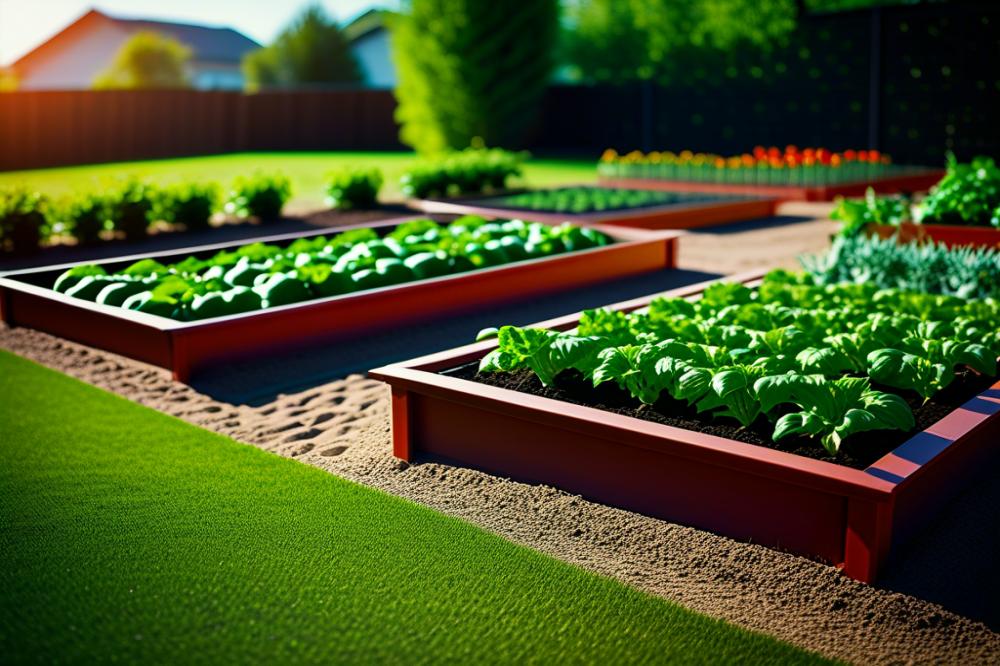
Raised garden beds utilize gravity to draw excess water away. Constructing these beds offers multiple advantages, including ease of access. Consider using untreated wood or stone to build frames that surround the soil. Make sure the height is appropriate for the plants chosen. Integrate drainage systems, like gravel at the bottom, to enhance soil aeration. French drains can also help direct water away from sensitive areas. This setup minimizes the risk of waterlogging.
Regular Maintenance Practices to Ensure Continued Drainage Efficiency
Monitor garden beds for any signs of poor drainage, such as pooling water. Regularly check and amend soil condition by adding organic materials every season. Landscape grading may be necessary to direct water away from the beds. The use of erosion control measures like mulch can help retain moisture while preventing erosion. Rainwater management is critical, especially in heavy rainfall seasons. Conduct periodic assessments to ensure that drainage techniques remain effective. Simple tasks can provide long-lasting benefits to plants and the overall garden ecosystem.
Erosion Control and Water Management Strategies
Understanding how water runoff affects soil erosion is crucial for any garden. Rain can create fast-moving water, which sweeps away vital topsoil. This loss diminishes plant health and can lead to a barren yard. The type of soil in your garden also influences how water behaves. Clay soil, for instance, tends to retain moisture, while sandy soil drains quickly. Knowing this helps in planning effective drainage systems.
Techniques for Controlling Erosion in Backyard Gardens
Several techniques exist for controlling erosion. One effective method is landscape grading. This process creates gentle slopes that direct water away from plants and garden beds. Installing French drains offers a similar benefit. These underground systems collect and redirect excess water, reducing the chance of pooling in vulnerable areas. Also, using mulch can help hold soil in place while keeping moisture levels stable.
Importance of Planting Strategies that Promote Healthy Drainage
Selecting the right plants is vital for good water management. Native plants are often well-suited to local soil types and can handle varying moisture levels. They will help stabilize the soil with their root systems. Deep-rooted plants can improve drainage by creating channels for water. Grouping plants with similar moisture needs together can also minimize water runoff problems.
Utilizing Permeable Materials in Garden Pathways and Beds
Consider using permeable materials for garden pathways and beds. Gravel, decomposed granite, or permeable pavers allow water to seep through. This promotes better groundwater recharge and minimizes surface runoff. By creating a balanced environment, you improve overall drainage and reduce erosion risk. Integrated design elements not only enhance aesthetics but also contribute to effective rainwater management.
Wrapping Up Proper Drainage for Your Garden
Proper drainage is essential for maintaining healthy plants in any garden. When water accumulates in the soil, it can harm roots and lead to various plant diseases. Without effective drainage systems, even the most dedicated gardener may struggle to achieve a thriving backyard oasis. Reminding ourselves of these facts can help motivate us to take action.
Implementing effective solutions for drainage is not just a task; it’s a necessity. Whether you choose to create a rain garden, install a perforated pipe, or simply adjust how you plant, every little effort adds up. Consider your unique environment, including your soil types and local weather patterns. Doing so can guide your choices and improve your garden’s health tremendously.
In the grand scheme, taking the time to manage drainage pays off. A flourishing vegetable garden can be a source of pride and nourishment. As you nurture your plants, remember that good drainage is a vital part of this journey. Make those adjustments now, and watch your garden thrive like never before.