Exploring Lemon Thyme: A Flavorful Addition to Your Garden
Lemon Thyme is becoming a favorite among gardening enthusiasts and culinary aficionados alike. This herb combines the earthy notes of traditional thyme with a refreshing citrus flavor, making it a wonderful choice for growing herbs at home. As more people seek to cultivate their own cooking herbs, lemon thyme’s unique qualities make it stand out.
In the kitchen, it shines as a versatile ingredient. Many chefs incorporate it into a variety of thyme recipes, from roasted meats to flavorful marinades. The aromatic leaves also elevate the taste of soups and stews, providing a zesty twist. Those who appreciate fresh herbs will find lemon thyme a delightful addition to their dishes.
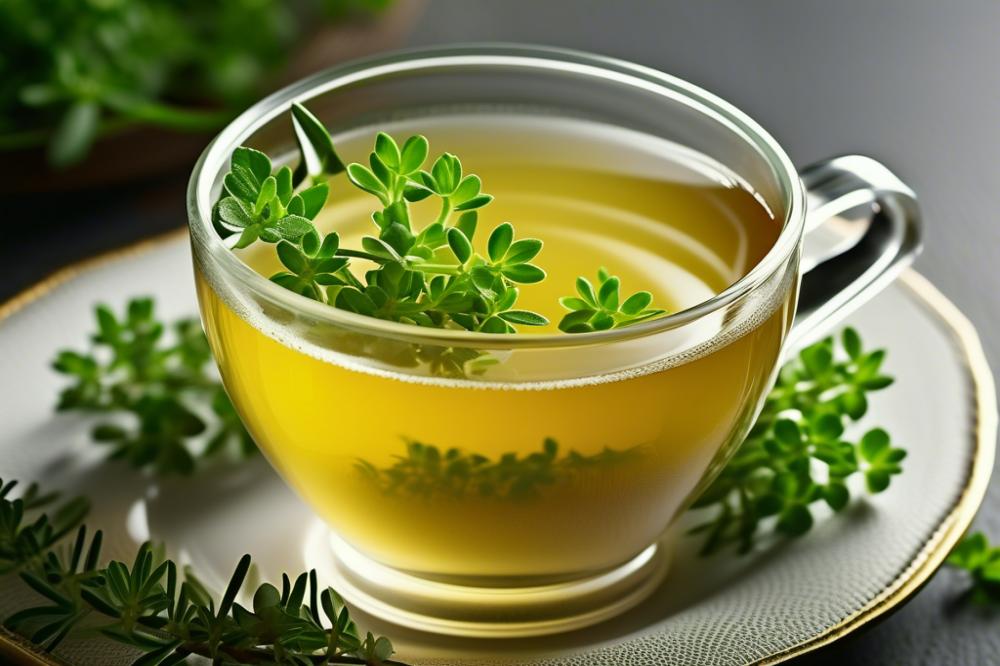
Beyond culinary applications, this herb also boasts health benefits. Many turn to herbal tea for its soothing qualities. Lemon thyme tea can aid digestion and offers a calming effect, making it an excellent choice for evening relaxation. Plus, brewing tea from freshly harvested leaves enhances the overall experience, giving an unrivaled taste that is often lost in store-bought options.
Home gardening remains a popular trend as individuals look to embrace healthier lifestyles. growing herbs has therapeutic benefits too — tending to plants can be rewarding and stress-relieving. Lemon thyme not only adds beauty to gardens but provides flavorful highlights to meals and soothing cups of tea. The herb’s rising popularity reflects a growing appreciation for the simple joys of nature and the fresh flavors it delivers.
Growing Lemon Thyme

Choosing the Right Variety
Selecting the perfect type of lemon thyme for your garden begins with knowing your needs. Different varieties may have varying flavors and aromas. For cooking herbs, consider your culinary uses. Those seeking a stronger lemon scent may prefer ‘Lemon Thyme’. This variety often stands out in thyme recipes and complements a range of dishes.
Soil, Sunlight, and Watering Needs
The right soil is essential for healthy growth. A well-draining mix with good organic content works best. Aim for a pH level between 6.0 and 7.0. These plants thrive in full sunlight, so choose a location that receives at least six hours of direct sun each day. Watering should be moderate; allow the top inch of soil to dry out between watering sessions. Too much water can lead to root rot, while too little may hinder growth.
Pest Management and Challenges
Managing pests is a key part of growing herbs successfully. Aphids and spider mites can become issues if not monitored. Using a mild insecticidal soap can help control these pests without harming your plants. Additionally, keep an eye out for diseases like powdery mildew. Proper spacing and air circulation around each plant can prevent such common challenges in home gardening.
Harvesting Techniques
Knowing when and how to harvest is crucial for preserving flavor. Snip stems early in the day when the dew has dried. Focus on the tender tips, as these contain the most oils. Regular harvesting encourages the plant to grow fuller. If you plan on making herbal tea, gather some leaves and flowers periodically to keep the plant healthy. The fresh herbs will provide the best flavor for everything from lemon thyme tea to savory dishes.
Culinary Uses of Lemon Thyme

Flavor profiles matter in cooking, and lemon thyme offers a distinct taste. Its refreshing citrus aroma combines well with the earthy notes of traditional thyme. This herb becomes a versatile ingredient in various dishes, ranging from meats to vegetables. Many cooks find its light lemony taste invigorating, making it a preferred choice for seasoning. Using it is simple, yet the impact can be significant.
One popular application is in marinades. Mixing lemon thyme with olive oil, garlic, and citrus juice creates a delightful base for chicken or fish. Simply marinating the protein for a few hours can infuse it with depth. When roasting vegetables, adding fresh herbs enhances the final dish. Try tossing asparagus or potatoes with olive oil and lemon thyme before roasting. The result is a fragrant accompaniment to any meal.
Beyond meats and veggies, this herb shines in soups and stews too. Adding it to a pot of vegetable soup can elevate the overall flavor. This approach works perfectly for hearty winter meals that rely on rich, comforting tastes. Additionally, lemon thyme can bring excitement to sauces, especially those served over pasta.
Herbs can significantly boost flavors in diverse recipes. Consider incorporating it into a homemade dressing for salads. A combination of balsamic vinegar, olive oil, and a sprinkle of this herb creates a tangy topping. Drinks also benefit from its taste. Lemon thyme tea combines the herbal profile with the therapeutic qualities of herbal teas. Brewing fresh leaves in hot water makes a soothing beverage with health benefits.
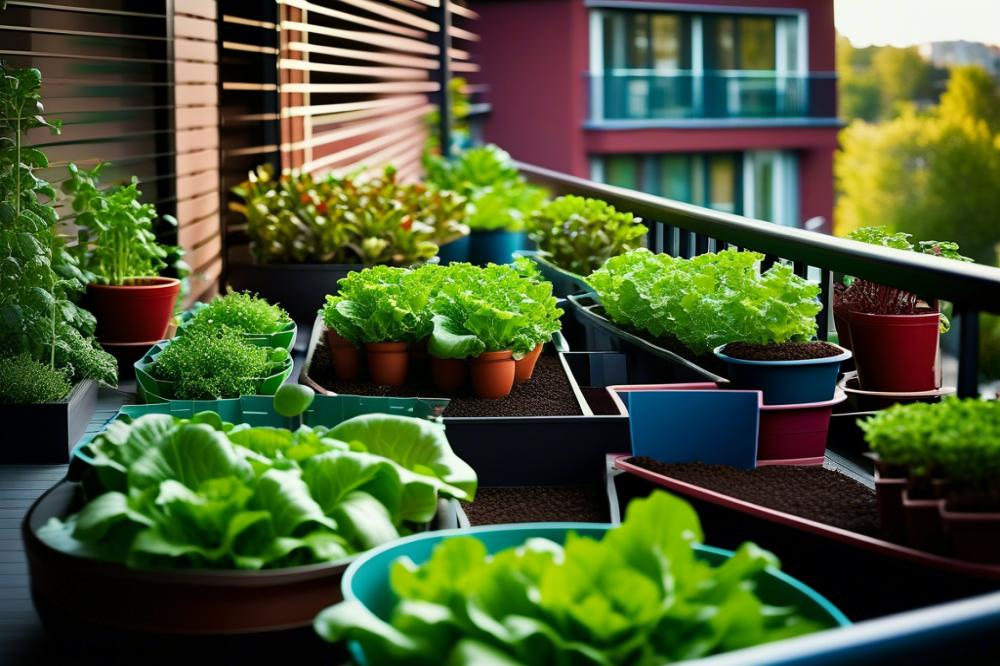
Home gardening allows anyone to harvest fresh herbs whenever they’re needed. Growing herbs like lemon thyme attracts other beneficial insects to your garden. It can thrive in pots or garden beds, requiring little maintenance. This easy cultivation is rewarding, and the herbs can be used immediately after picking.
In summary, utilizing this herb offers numerous culinary uses. From enhancing meats to jazzing up salads, it fits into many thyme recipes. Experimenting with lemon thyme opens up exciting flavor possibilities for home cooks. Enjoyment in the kitchen starts with exploring new ingredients like this one.
Making Lemon Thyme Tea

Benefits of Lemon Thyme as a Medicinal Herb in Herbal Tea
Lemon thyme is more than just a flavoring for dishes. This unique herb is packed with potential health benefits. Many people enjoy it as a soothing herbal tea. It contains antioxidants, which can help boost the immune system. Drinking warm lemon thyme tea may also aid digestion. Some studies suggest it has anti-inflammatory properties. This makes it a wonderful choice for those seeking natural remedies. With its refreshing aroma, tea brewed from this herb can be a delightful addition to a wellness routine.
Step-by-Step Instructions for Brewing Fresh Lemon Thyme Tea
Brewing lemon thyme tea is simple and rewarding. Start by gathering fresh herbs from your home garden. One to two sprigs is generally enough for a cup. Rinse the leaves under cool water to remove any dirt. Place the herbs into a teapot or a suitable container. Next, boil water in a kettle. Pour the hot water over the fresh herbs. Allow it to steep for about five to ten minutes. The longer you steep, the stronger the flavor will become. After steeping, strain out the leaves. Sweeten with honey, or add a splash of lemon juice if desired. Enjoy your warm cup of herbal tea!
Creative Variations of Lemon Thyme Tea with Other Herbs and Flavors
Many enjoy experimenting with flavors in their tea. Mixing lemon thyme with other cooking herbs can create delightful combinations. Consider adding a sprig of mint for a refreshing twist. Lavender can introduce a calming scent and flavor. For a zesty kick, blend in some ginger slices. Those seeking warmth might enjoy mixing it with chamomile. This adds a soft, floral flavor to the tea. A hint of rosemary can also elevate the herbal profile. Mixing different herbs in your recipes can lead to unique taste experiences. Experimenting with different combinations can make your tea rituals even more enjoyable.
Storage and Preservation of Lemon Thyme

Techniques for Drying Lemon Thyme for Long-Term Use
Drying is a simple and effective way to preserve lemon thyme for extended periods. To begin, gather fresh stems and rinse them under cool water to remove any dirt. After drying, tie the stems together in small bundles. Hang these bundles upside down in a warm, dark, and well-ventilated space. This method allows the herbs to retain their flavor while removing moisture. When the leaves crumble easily between your fingers, they are ready. Store dried herbs in airtight containers, away from light. This technique maintains the flavor for several months.
Best Practices for Freezing Fresh Herbs
Freezing fresh herbs offers another great preservation method. First, wash the leaves and gently pat them dry. Then, chop the herbs finely. Ice cube trays work wonderfully for this purpose. Fill the compartments with the chopped herbs, then cover with water or olive oil. Once frozen, transfer the herb cubes to a plastic bag. This allows for easy use later while preserving the fresh taste for cooking or making herbal tea.
Using Lemon Thyme in Infused Oils and Other Preservation Methods
Infusing oils is a creative way to capture the essence of this cooking herb. Combine fresh leaves with a neutral oil in a clean glass jar. Place the jar in a warm location for about two weeks. During this time, the oil will absorb the flavor. After the infusion period, strain the oil using a fine mesh sieve or cheesecloth. Store the infused oil in a cool, dark place. This oil can elevate many dishes or serve as a unique dressing.
Another option is to create herbal salts. This method enhances both cooking and flavoring dishes. Combine chopped leaves with coarse sea salt. Spread this mixture on a baking sheet and let it dry at room temperature before storing it in an airtight container. These preservation methods showcase the versatility of medicinal herbs and their uses in everyday cooking. Whether adding to thyme recipes or steeping for lemon thyme tea, preserved herbs can be enjoyed year-round, even when your garden is dormant.
A Taste of Gardening with Lemon Thyme
Growing and using lemon thyme offers many benefits. This herb not only enhances flavor but also adds a delightful aroma to dishes. Its fresh, citrusy notes can elevate simple recipes, transforming everyday meals into culinary experiences. When brewed as herbal tea, it provides soothing qualities that can help calm the mind and support digestion.
Engaging in home gardening is rewarding. Nurturing plants fosters a connection to food while promoting sustainability. By planting cooking herbs, anyone can bring fresh flavors to their kitchen and enjoy the satisfaction of using ingredients grown right at home.
Trying new recipes with this herb can inspire creativity. From seasoning roasted vegetables to enhancing marinades, the possibilities are endless. Likewise, a cup of lemon thyme tea can create a moment of peace amidst a busy day.
Exploring the world of home gardening opens new doors. It invites individuals to discover the joys of cultivating their own food. Each plant nurtured in a garden contributes to a healthier lifestyle. So why not dive into this rewarding hobby?
Lemon thyme is just one of many herbs to consider. Whether you have a large garden or a small windowsill, you can start this adventure in growing your own cooking herbs. Enjoy the process and reap the benefits!