Introduction
Catnip, scientifically known as Nepeta cataria, has captured the hearts of many indoor cats. This herb, part of the mint family, elicits playful and joyful behavior in felines, making it a favorite among pet owners. Its popularity can be attributed to the euphoric reactions it provokes in cats. When they encounter this delightful plant, many cats experience rolling, purring, and even playful antics. Providing your indoor cat with this stimulating herb can enhance their life and encourage play.
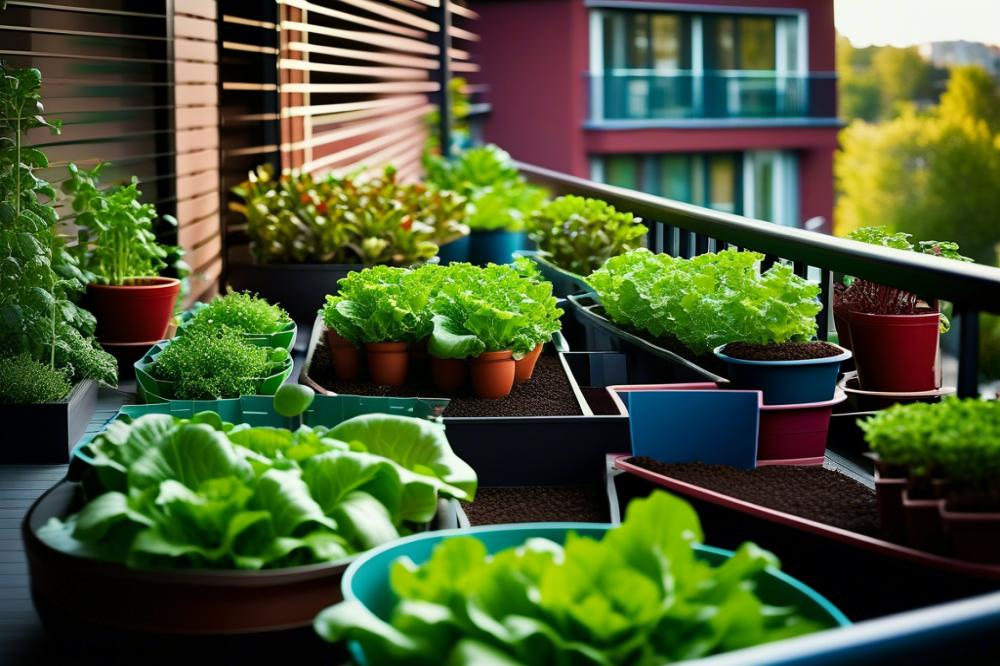
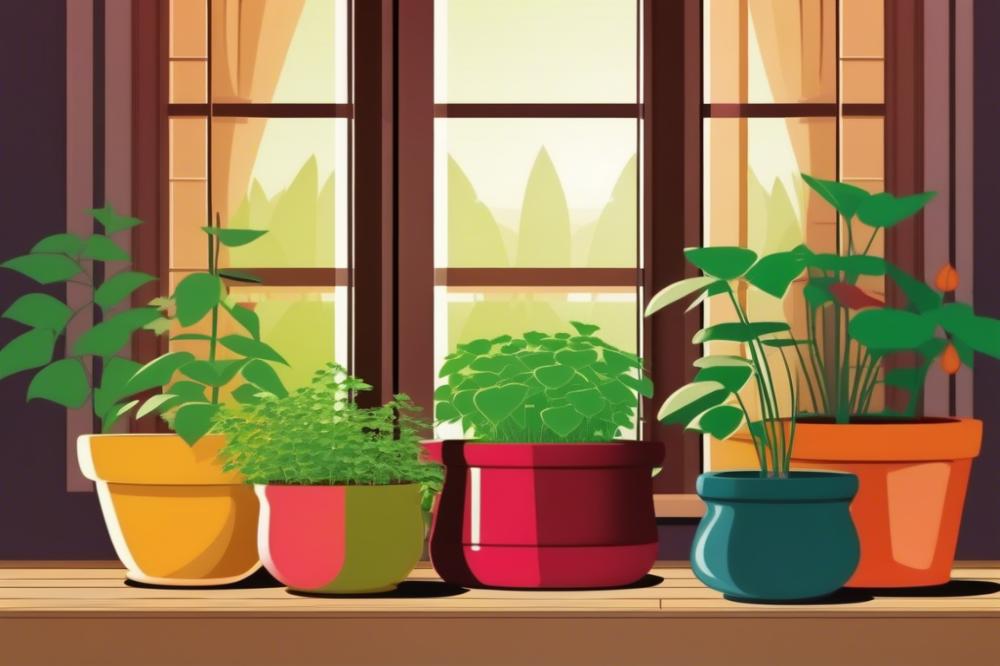
indoor gardening has been gaining traction in recent years. Many pet owners are turning to this practice to create a green oasis within their homes. Cultivating plants like catnip not only adds beauty but also enriches the home environment. With limited space and light, container gardening offers a practical solution for growing herbs for cats. This method allows individuals to manage their plants easily while ensuring sustainable growth.
Nurturing catnip in containers can provide significant catnip benefits. A key aspect of potting catnip is its ability to thrive in various small spaces. For cats, having fresh, homegrown catnip can lead to improved mental stimulation and physical activity. It’s simply a win-win for both the pet and the owner. Furthermore, DIY catnip is a fun project that can deepen the bond between you and your furry friend while providing pet-friendly plants that can bring joy and music to your home.
growing catnip
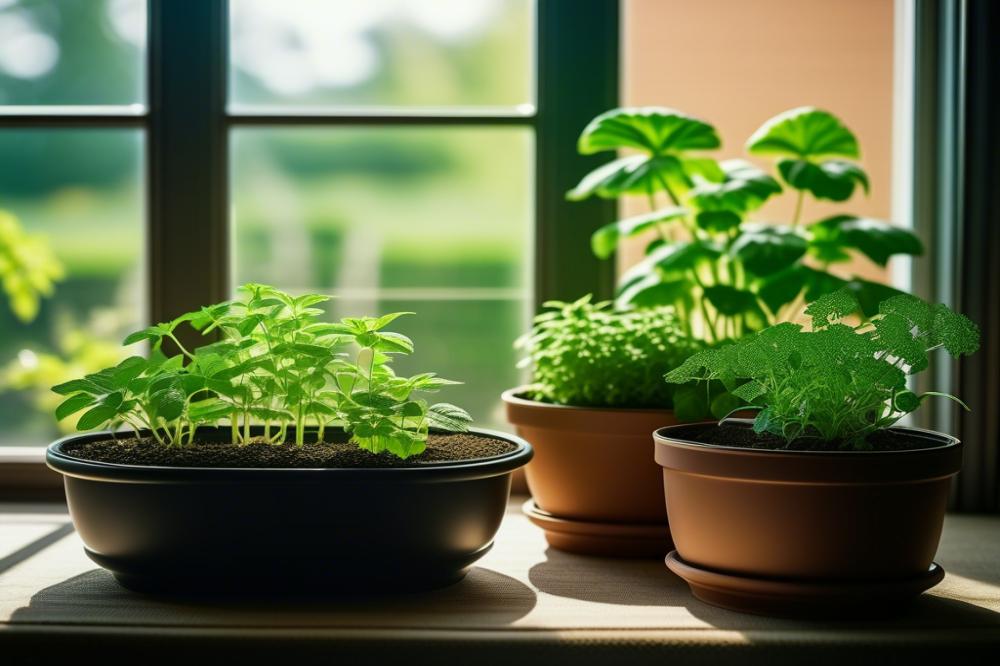
Catnip, also known as Nepeta cataria, is a delightful herb loved by many indoor cats. This member of the mint family is known for its aromatic oils. When cats come into contact with its leaves, they may exhibit playful behaviors. A rich, green color and soft texture define catnip’s appearance, making it an appealing choice for indoor gardening.
To thrive, catnip prefers warm conditions and plenty of sunlight. Ideally, it likes bright spots with at least six hours of light each day. Soil that drains well is crucial as well. Too much moisture can harm the plant, so choosing pots with drainage holes is smart. Additionally, a moderate climate will help nurture catnip, keeping it healthy and vibrant.
Choosing the Right Catnip Varieties for Pots
When potting catnip, selecting the right variety matters. Some popular choices include ‘Cataria’ and ‘Walker’s Low.’ These types are specifically suitable for container gardening. Each variety can produce lush foliage and strong aromas, perfect for enticing your furry friend. Consider the space you have available, as some varieties may grow larger than others.
Importance of High-Quality Seeds and Seedlings
Starting with high-quality seeds is key for successful catnip care. Healthy seeds sprout better and grow stronger plants. Always check for genetic quality when purchasing. If you opt for seedlings, look for vigorous plants with rich green leaves. You might also want to explore DIY catnip kits, which often feature superior seeds geared toward optimal growth. Ensuring high standards from the start will lead to a bountiful harvest of this herb.
Catnip benefits are numerous. Many cat owners discover that cultivating this herb can lead to more active indoor cats. Additionally, providing pet-friendly plants enhances the indoor environment. Growing herbs for cats becomes a rewarding hobby, adding joy to both feline and human lives.
Potting Catnip
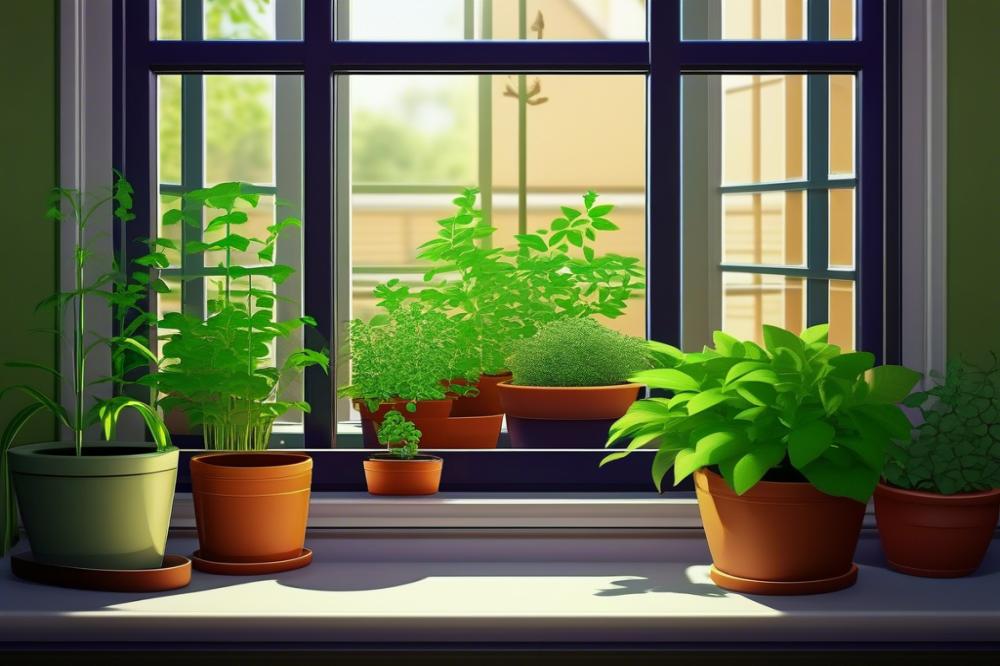
Selecting appropriate containers for catnip cultivation
Choosing the right container is essential for successful potting catnip. Opt for pots that are at least 6-8 inches deep. This depth allows roots to spread comfortably. Clay pots are excellent because they provide good airflow. Plastic containers can also work, but they might retain too much moisture. Consider ones with drainage holes at the bottom. These holes help prevent water from pooling and causing root rot. Additionally, a wider pot gives the plant more room to grow, which is beneficial as catnip can become bushy.
Best soil mix for growing catnip in containers
The soil mix you use will significantly impact plant health. A good blend consists of potting soil combined with perlite and compost. The perlite enhances drainage, while compost adds nutrients. Catnip thrives in soil that drains well. You can also consider using a soil mix specifically designed for herbs for cats. This type often contains the right balance of nutrients for optimum growth. Make sure the soil is light and fluffy, which promotes easy root development.
Drainage and placement tips for optimal growth
Proper drainage is vital for catnip care. As mentioned, choose containers with holes. Additionally, placing a layer of small stones at the bottom can improve drainage even further. Position the pots in a bright area, ideally where they can receive about six hours of sunlight daily. Indoor gardening requires attention to light conditions. If natural sunlight is limited, consider using grow lights. They can assist in providing the needed light for healthy plants. Regularly check the water level, ensuring the top inch of soil dries out between watering sessions. Maintain a balance with moisture; too much can harm your plant. Keeping these tips in mind will help in nurturing catnip successfully.
Catnip Care
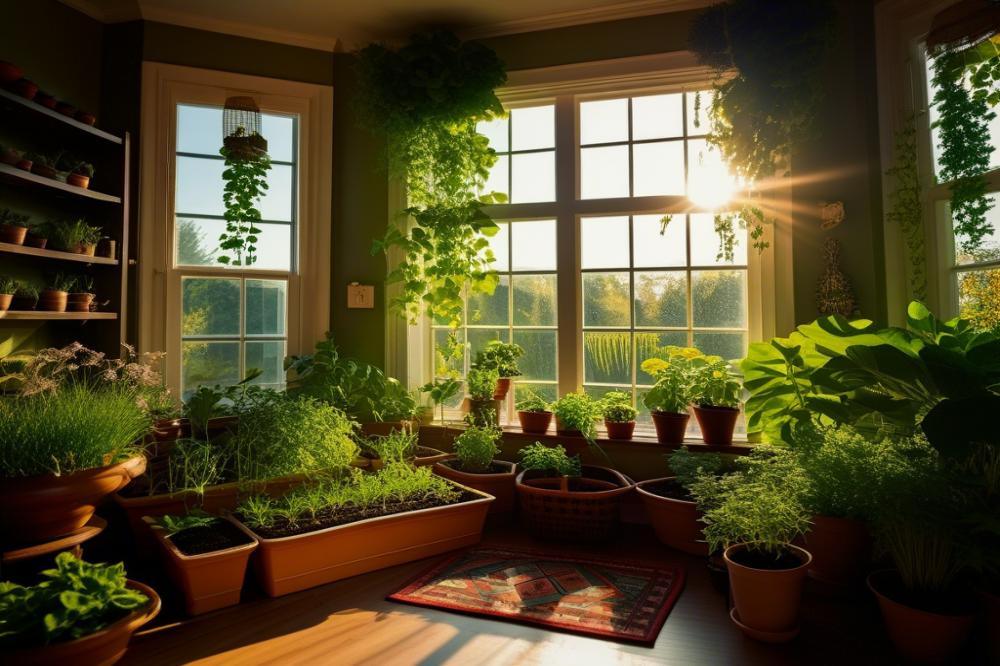
Watering Requirements and Frequency
Watering your catnip is essential for its growth. The soil should remain moist but not soggy. Once the top inch of the soil dries out, it’s time to water again. Check this daily, especially in warmer months. Overwatering can lead to root rot, which is something you want to avoid. If the leaves start to droop, it’s a sign your plant needs a drink. Consider using pots that have drainage holes to help maintain proper moisture levels. Watering should be done in the morning to give the plant a good start for the day ahead.
Sunlight Needs for Indoor Catnip Plants
Bright light is crucial for healthy growth. Place your containers near a sunny window where they can soak up natural sunlight. Catnip thrives best with about six hours of direct sunlight each day. If you notice leggy growth or pale leaves, it could indicate insufficient light. In winter, you might need to move the pots closer to the light source. Regularly rotating your plants can help them grow evenly. If natural light is limited, consider using grow lights to supplement their needs.
Fertilization and Nutrient Management for Healthy Growth
Fertilizing catnip is important for its development. A balanced, water-soluble fertilizer works well. Apply it every four to six weeks during the growing season. Over-fertilizing can cause leaf burn, so follow instructions on the package. Organic options are also available and can be beneficial for indoor gardening. Consider compost tea or worm castings for a natural boost. Regularly checking the soil’s nutrient levels can provide insight into what may be lacking. Observing your plant will help identify any signs of nutrient deficiency. Healthy catnip leads to happy indoor cats, so pay attention to its needs.
Harvesting and Using Catnip
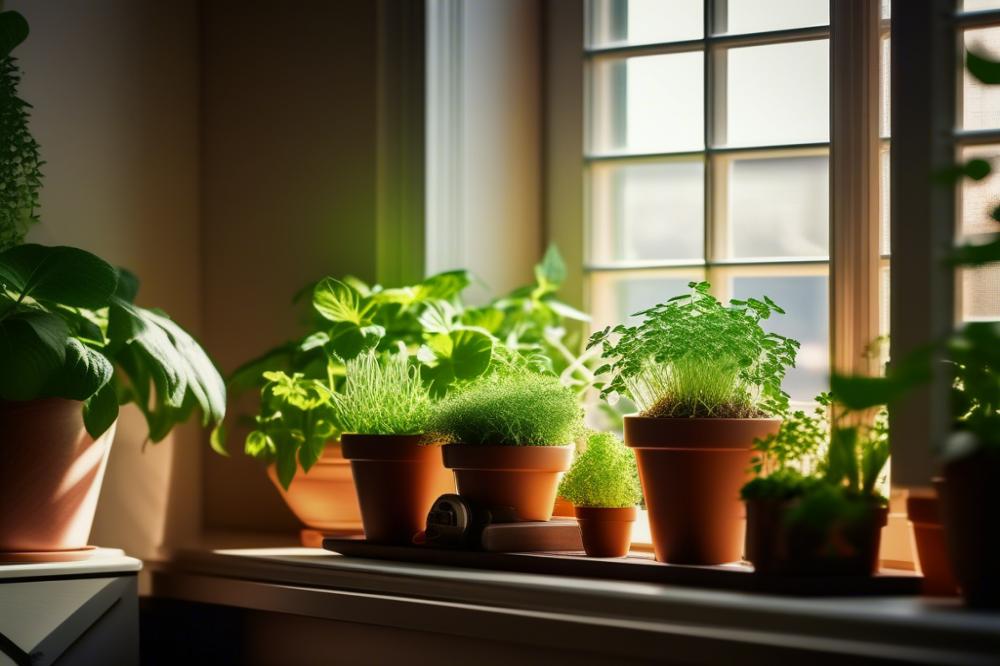
When it comes to harvesting catnip, timing is essential. Aim to pick the leaves when the plant is lush and full, usually just before the flowers bloom. This stage is when the leaves have the highest concentration of essential oils. Use sharp scissors or pruning shears to snip off the stems. Be careful not to damage the plant too much, as you want it to continue growing for future harvests.
Drying Techniques for Storing Catnip
Once you have gathered a good amount of catnip, drying it properly is important. You can hang the stems upside down in a dark, dry place with good air circulation. Make sure the area stays cool to prevent mold. Alternatively, placing the leaves on a baking sheet and using a low-temperature oven can speed up the process. Once dried, crumble the leaves into a jar. Using airtight containers can help keep the freshness intact, making it easier to store your herbs for cats.
Creative Ways to Use Harvested Catnip for Indoor Cats
There are many fun ways to use your fresh or dried catnip for indoor cats. Consider DIY catnip toys. Fill a small fabric pouch with the crumbled leaves and sew it shut. Your feline friend will adore playing with this simple toy. Sprinkling some catnip on scratching posts or in their favorite spots can also encourage playful behavior. Additionally, adding catnip to your indoor cat’s bedding may make it even more inviting. Remember, catnip benefits go beyond just playtime; it can also create a soothing atmosphere.
Catnip Benefits for Indoor Cats
Indoor cats can greatly benefit from the unique properties of catnip. This exciting herb can spark joy and energy in our feline friends. Many cats react to catnip with playful antics, including rolling, jumping, and frolicking. These behaviors come from the herb’s active compound, nepetalactone, which can stimulate their senses and bring out their natural hunting instincts.
Understanding the Effects of Catnip on Feline Behavior
When exposed to catnip, indoor cats often display heightened levels of excitement. Some may purr, nip, or wrestle with their toys. This playful behavior typically lasts about 10 to 15 minutes. Afterward, most cats tend to lose interest for a while. It’s important to note that sensitivity to catnip is hereditary. Not every cat will react, but for those who do, the effects are joyous and entertaining.
Health Benefits of Catnip for Indoor Cats
Aside from stimulation, catnip also offers potential health benefits. It can promote relaxation in anxious cats and help reduce stress. For indoor cats, who may face limited stimulation, nurturing catnip can create a calming effect. Moreover, this herb acts as a digestive aid, which can be beneficial for cats prone to stomach issues. Ensuring your pet experiences these perks is as simple as potting catnip in your home.
Integrating Catnip into Playtime and Enrichment Activities
Using catnip during playtime can enhance your cat’s overall well-being. Consider sprinkling some dried catnip on their favorite toys. Alternatively, you can create a DIY catnip toy with a fabric pouch filled with the dried leaves. Engaging with your cat during these activities strengthens your bond, too. Container gardening allows you to have a fresh supply of herbs for cats right in your home. Remember to keep it fresh and aromatic to maximize its appeal. Regular interaction with catnip during play can lead to improved mental stimulation, leaving indoor cats happier and more fulfilled.
Embracing the Joy of Catnip
Growing catnip in containers comes packed with joy and benefits for both cats and their owners. This delightful herb not only brings a vibrant splash of green to your indoor space, but it also serves as a source of pleasure for your feline friends. Watching your indoor cats frolic and play with fresh catnip is a sight filled with happiness. The interactions can lead to more exercise and stimulate their playful instincts.
Indoor gardening can be an engaging way to bond with your pets. Cultivating your own catnip is simple and rewarding. You will find great satisfaction in providing your cats with a natural source of fun and comfort. Imagine the excitement on their faces as they explore the fragrant leaves.
Take the time to nurture your plants. Regular watering and attention to sunlight can make a difference in growth. With a little effort, your catnip can flourish, creating a mini paradise for your beloved pets. In addition to joy, growing this herb can promote a relaxing environment. The aroma alone brings a sense of calm that both you and your cats can appreciate.
It is worth encouraging all indoor cat owners to try their hand at this delightful pursuit. The connection formed between the cat and the herb is truly special. Sharing fresh catnip fosters a sense of community within your home. Creating an inviting space through your own gardening efforts can lead to countless moments of joy.
In closing, cultivating this unique herb enhances the overall life experience for indoor cats. By taking small steps to grow your own catnip, you enhance your pet’s well-being and happiness. Embrace the opportunity to enjoy indoor gardening while delighting your furry companions. Happy planting!