
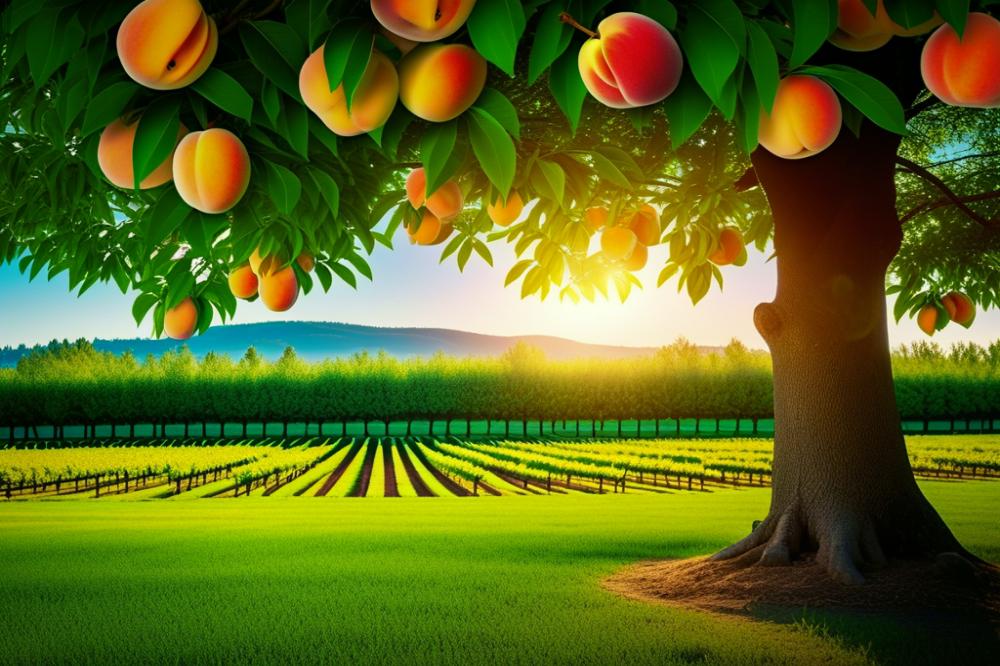
How to Grow Peach Trees: Mastering sunlight, drainage, and Frost Protection
Growing your own Peach Trees can be an exciting and rewarding venture. Fresh peaches offer a delightful taste that you cannot find in grocery stores. When you cultivate these trees, you also gain a sense of accomplishment. The joy of nurturing a tree from planting to harvest is truly unmatched. Additionally, homegrown peaches can be used in countless recipes, making them even more valuable.
However, it’s essential to understand that successful cultivation requires careful attention to certain factors. sunlight plays a crucial role in fruit production. Without adequate light, the trees may not bear fruit or may produce smaller, less flavorful peaches. Alongside sunlight, proper drainage is vital. Excess water can harm the roots, leading to disease or death.
Frost protection is another critical aspect of Tree Care. Peaches are particularly sensitive to late frosts that can occur in the spring. These unexpected temperature drops can damage blossoms, reducing your overall yield. Therefore, using methods like planting in protected areas or using frost cloths can be effective strategies.
Other care elements, like pruning, will enhance your tree’s health and productivity. Seasonally trimming branches encourages better air circulation and light penetration. Soil quality must not be overlooked either. Nutrient-rich soil supports strong roots and robust growth. Watering and fertilization practices should also be tailored to the tree’s needs as they grow.
Finally, keep an eye on pest control. Inspecting your peach trees regularly helps catch any infestations early. By combining all these factors, a successful harvest awaits, filled with sweet, juicy peaches. Understanding these essential elements sets the foundation for a thriving peach tree in your garden.
Understanding Sunlight Requirements
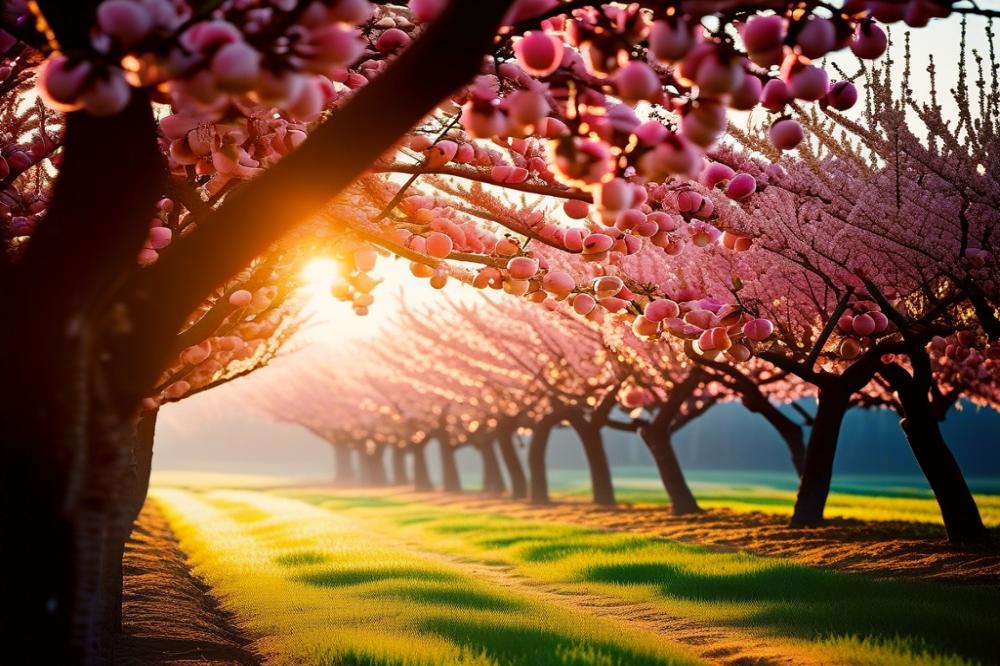
Peach trees thrive when they receive plenty of sunlight. Ideally, these trees need at least six to eight hours of direct sun each day. This light is crucial for fruit development and overall vitality. Without adequate sunlight, the growth may become stunted.
Ideal Sunlight Conditions for Peach Trees
Choosing the right location is key. A spot with unobstructed sunlight will provide an environment for healthy growth. Trees planted in the shade may struggle to produce fruit. Good light exposure encourages flowering and fruit set. This means more peaches during harvest time.
Location Selection for Maximum Sun Exposure
When planting, consider the surrounding landscape. Avoid areas near tall buildings or large trees, as they can block sunlight. Open fields or southern-facing slopes are great choices. Hillsides can also provide excellent drainage, another important factor for peach trees. Always look for places where your plants won’t be shaded during the day.
Impact of Sunlight on Fruit Quality and Tree Growth
The amount of sunlight influences not just growth, but also fruit quality. More light leads to sweeter, more flavorful peaches. On the other hand, insufficient sunlight can result in bland fruit. Healthy trees produce better yields, and that begins with finding the right spot. So, when planting, keep in mind the importance of sun exposure. It’s also essential to integrate other care practices like pruning, soil quality management, watering, and fertilization. All these elements work together to create a thriving environment for your fruit trees.
Soil Quality and Drainage
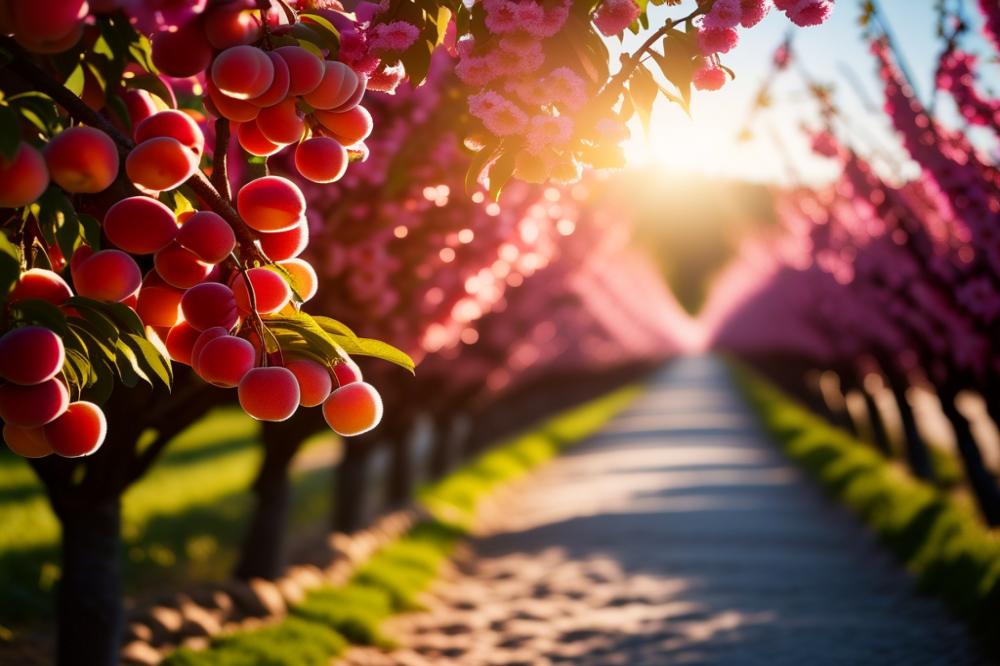
The right soil quality is crucial for growing healthy peach trees. Nutrient-rich soil supports strong root development. If your soil is too compact or lacks essential minerals, growth will suffer. Peach trees thrive best in well-drained, loamy soil. Such soil allows for adequate moisture retention while preventing water from pooling around the roots.
Characteristics of ideal soil include a pH level between 6.0 and 7.0. This range promotes optimal nutrient uptake. Sandy loam, which combines sand, silt, and clay, is often an excellent choice. Good soil should be rich in organic matter, enhancing fertility and soil structure. Additionally, soil that drains well can help avoid root diseases and issues related to excessive moisture.
Techniques for ensuring proper drainage are vital for the health of your peach trees. First, consider digging a drainage ditch or creating raised beds. These alterations help redirect water away from the root zone. Amending the soil with compost or aged manure can also improve drainage while adding nutrients. Regularly checking for standing water around your trees is essential, especially after heavy rain.
Watering practices should be adjusted based on soil conditions. Too much watering can lead to root rot, while too little can stunt growth. It’s best to water deeply but infrequently. Fertilization also plays a role in maintaining soil quality. A balanced approach will support growth and fruit development. Regular pruning encourages airflow and reduces disease risk. Pest control is equally important and should be monitored throughout the growing season.
Moreover, understanding your local climate helps determine when to plant peach trees. Late spring frosts can damage blossoms, so frost protection measures like covering young trees may be necessary. Consider these factors carefully. With attention to soil quality and proper drainage, achieving a successful harvest becomes much easier.
Frost Protection Strategies
Understanding the Risks of Frost for Peach Trees
Frost poses a significant threat to peach trees, particularly in early spring. Sudden drops in temperature can damage flowers and young fruit. Newly opened buds are especially vulnerable. Once temperatures dip below freezing, a tree may suffer irreversible harm. This risk often catches novice gardeners off guard. They may not realize that a late frost can ruin an entire harvest. Knowing when to expect frost is crucial. Check local weather patterns in your area for better understanding.
Methods to Protect Trees from Frost Damage
Several strategies can help safeguard trees. One effective method involves covering the trees with blankets or burlap. This barrier provides insulation against colder air. Setting up wind machines can also be beneficial. These machines circulate warmer air and keep frost at bay. Another option is to use heaters positioned around the trees. They can help raise the temperature slightly.
Watering before a frost event is another technique. Moist soil retains heat better than dry soil. Implementing a drip irrigation system results in consistent moisture and temperature control. Moreover, planting trees in low-lying areas can take advantage of warmer air pockets.
Timing of Frost Protection Measures
Timing is everything in frost protection. Take action before frost threatens. Monitor local forecasts closely. When temperatures are expected to drop, be ready to cover or heat the trees. In some regions, frosts can occur unpredictably during early April or late March. Understanding local climate can guide your actions. Pruning at the right time can also assist trees in recovering from frost damage.
Keeping track of your area’s last frost date is essential. Landowners should mark this date on their calendars for planning. Implementing protection measures early helps avoid devastating losses. Each garden will have its unique challenges related to frost. The right combination of methods can create a strong defense for the peach trees.
Planting Peach Trees
Best Seasons for Planting Peach Trees
Spring and fall are the prime seasons for planting peach trees. During these periods, the weather is mild and conducive. Spring allows the tree to establish roots before the heat hits. Fall planting offers a chance to take advantage of warm soil. Trees will settle in before the winter frost. Timing is crucial for successful growth. This makes the selection of the right season essential.
Step-by-Step Guide on Planting Techniques
Choosing the right location is the first step. Select an area that gets ample sunlight. Peach trees thrive when exposed to direct sunlight for at least six hours a day. Test the soil quality before planting. It should be well-drained and rich in nutrients.
Dig a hole that is twice as wide as the root ball, but no deeper than the root system. Gently place the tree into the hole. Backfill with soil, ensuring no air pockets remain. Water thoroughly after planting to promote good drainage. Fertilizing can begin after a few weeks to boost growth. Regular watering is vital, especially during dry spells.
Pruning should occur in the late winter or early spring. This action allows for better air circulation and sunlight penetration. Healthy trees are less susceptible to pests.
Spacing and Configuration for Optimal Growth
Proper spacing between trees is key. Aim for about fifteen to twenty feet apart. This distance helps each tree get enough sunlight and resources. Dense planting can lead to competition and poor growth. A straight row can make maintenance easier.
If you’re creating an orchard, consider a staggered pattern. It enhances airflow and reduces disease risks. Additionally, place taller trees away from smaller ones. This ensures shorter trees can access sunlight without obstruction. Proper planting techniques set the stage for a fruitful harvest.
Watering and Fertilization Techniques
Watering Needs Throughout the Growth Cycle
Peach trees require different amounts of water at various stages. Young plants need consistent moisture to establish roots. Once trees mature, their thirst decreases but continues during dry spells. Regular checks on the soil can help determine if watering is necessary. Look for signs of drought stress, such as wilting leaves or cracked bark.
Heavy rainfall can lead to problems. Good drainage is essential to prevent root rot. Adjust your watering schedule according to weather conditions. In particularly hot periods, deeper, less frequent watering can promote deeper root growth. Using a soaker hose can be effective, as it delivers moisture directly to the soil.
Best Practices for Fertilization
Fertilizing is vital for healthy peach tree growth. Initially, a balanced fertilizer helps establish young trees. As they develop, switching to a nitrogen-rich fertilizer supports leaf and fruit production. Applying fertilizers in early spring can boost growth as the tree wakes from dormancy. Be mindful of soil quality; a soil test can guide proper nutrient levels.
Regular fertilization is important, but timing is key. Spread the fertilizer evenly beneath the tree’s canopy for best results. Over time, organic options, such as compost, can enhance nutrient availability. Pests can weaken trees, so combining fertilization with pest control measures is smart.
Signs of Overwatering or Under-Fertilization
Recognizing trouble is crucial for the health of your trees. Overwatering can lead to yellowing leaves or root suffocation. If the soil feels soggy, cut back on watering immediately. Conversely, under-fertilized trees may show stunted growth or sparse fruit production. Pale leaves often indicate a lack of necessary nutrients.
Regularly monitoring these signs can catch issues early. Maintaining the right balance of watering and fertilizers supports robust growth and a fruitful harvest. Through attentive care, your trees can thrive and produce delicious peaches for many seasons.
Pruning for Health and Productivity
Pruning plays a critical role in caring for peach trees. It helps maintain their shape and encourages healthy growth. Through the removal of dead or overcrowded branches, you can ensure that sunlight reaches all parts of the tree. Increased airflow is another benefit, which reduces the risk of diseases.
Importance of Pruning in Peach Tree Care
Regular pruning can enhance both the quality and quantity of the fruit yield. When you prune, you remove branches that might compete for nutrients and water. This action promotes better soil quality by allowing more resources to go to fewer branches. Consequently, you will likely enjoy a richer harvest each season.
Pruning Techniques for Promoting Growth and Fruit Yield
There are several techniques to consider when pruning. Thinning the interior branches opens the tree for better sunlight and air circulation. You might also want to create a central leader to help the tree grow upward instead of outward. In addition, cutting back shoots that are growing too long encourages stronger lateral growth, which can lead to more flowering.
Timing and Tools for Effective Pruning
Timing is essential for effective pruning. Aim for late winter or early spring, just before the buds swell. Using the right tools is equally important. Sharp pruning shears will make clean cuts and reduce damage. For larger branches, a saw may be necessary. Always disinfect your tools to prevent the spread of pests or diseases, which can threaten the health of the tree.
Watering and fertilization also play roles in recovery after pruning. Providing adequate water helps the tree heal and prepares it for new growth. Fertilization in early spring can boost nutrient levels, promoting vigorous growth. Keeping an eye on pest control after pruning can help you address any new challenges that may arise.
Pest Control and Disease Management
Growing fruits can be rewarding, but it’s important to recognize the potential threats from pests and diseases. Common issues that plague peach trees include aphids, spider mites, and various types of diseases such as peach leaf curl. They can harm your fruit, reduce your harvest, and weaken the tree.
Preventative measures play a crucial role in keeping your trees healthy. Start with selecting strong, disease-resistant varieties when planting. A healthy plant is more capable of resisting pests. Regular pruning helps improve air circulation, which can reduce disease prevalence. Maintaining good soil quality and drainage supports robust root systems, while proper watering keeps trees hydrated without waterlogging.
Frost protection techniques are equally important. Using row covers or planting in a protected area can save your trees from unexpected cold snaps. Be prepared to act in case of a sudden frost by covering your trees at night when needed.
Preventative Measures and Treatments
Using mulch can help suppress weeds that compete for nutrients. Proper fertilization is essential in promoting healthy growth, which indirectly shields against pests. Consider applying organic insecticides as a treatment option. Neem oil and insecticidal soaps are effective against many common pests. Regular inspections of your trees will help you spot signs of trouble early.
When disease strikes, fewer treatments might not be enough. Peach leaf curl, caused by a fungal pathogen, often requires specific fungicide applications. Be aware that timing is key; treating during the dormant season can result in better control. Implementing a spray schedule can reduce outbreaks. Always follow the manufacturer’s instructions to ensure safe and effective use.
Organic Pest Control Options for the Home Gardener
For gardeners interested in organic methods, there are plenty of options available. Introduce beneficial insects like ladybugs and lacewings, as they prey on harmful pests. Creating a habitat for these insects can be as simple as planting varied flowers and herbs nearby.
Boric acid can deter ants and roaches, while diatomaceous earth provides a safe option for killing soft-bodied insects. Additionally, using homemade sprays made from garlic or chili peppers can help keep pests at bay. Just remember to reapply these treatments following rain or heavy watering.
Education is a powerful tool in managing your garden. Learning about integrated pest management allows you to combine different strategies effectively. This method emphasizes prevention and monitoring over harsh chemicals, resulting in a healthier garden ecosystem.
Harvesting Your Peaches
Recognizing the Right Time to Harvest
Knowing when to pick your peaches is crucial. The ideal moment often arrives when the fruit has developed a rich color and has a slight give when gently squeezed. Taste testing can also be a helpful method. A ripe peach should yield sweetness and flavor. Pay attention to the skin; if it appears slightly wrinkled, the time has come. Observation is key. Check the fruit regularly as harvesting too early can lead to unpleasant tartness, while waiting too long might cause them to become overripe and drop.
Techniques for Harvesting Without Damaging the Tree
Harvesting should be approached with care. Always handle the fruit gently to avoid bruising. A simple twist and lift motion often works well. Use clippers if the peaches are too high to reach, but don’t tug on branches. Branches can break, leading to damage and poor future growth. Keeping pruning tools clean can minimize the risk of spreading diseases. It’s a good idea to wear gloves for protection. Keep your harvesting basket nearby to minimize movement around the tree.
Post-Harvest Handling and Storage Tips
Once your peaches are picked, handling them properly becomes essential. Place them in a shallow container to avoid crushing the bottom fruit. Avoid washing them until just before you eat or cook with them to prolong freshness. Temperature matters; store peaches in a cool place to slow down ripening. If you want extra sweetness, let them sit at room temperature for a day or two. With good drainage in your initial planting spot, your peaches will hold up better. For longer storage, consider freezing or canning—these methods allow you to enjoy them well beyond the harvest season.
Wrapping It All Up
Growing peach trees requires attention to several essential factors. First, sunlight plays a vital role in their growth. When planted in a sunny location, these trees can thrive and produce delicious fruit. Proper drainage is equally important. Soil that doesn’t drain well can lead to root rot, which can damage or even kill the tree.
Understanding the importance of frost protection can also make a significant difference in your success. Unexpected frosts can harm blossoms and reduce your harvest. Simple techniques, like using row covers or planting in a sheltered area, can help shield your trees during critical times.
As you venture into gardening, keep these tips in mind. Each step you take to provide the right conditions will help your tree flourish. Patience is also key. Growth takes time, but watching your tree develop is rewarding.
Imagine stepping into your garden and plucking fresh peaches. The taste of homegrown fruit is unmatched. It’s a fulfilling experience to enjoy something you have nurtured from the ground up. So go ahead, apply these techniques, and look forward to the sweet rewards of your efforts!


