
Introduction
Growing pistachio trees can be a rewarding endeavor. These trees offer delicious nuts that are packed with nutrients and are popular worldwide. In addition to providing tasty snacks, they can contribute to local economies through sales and exports.
Understanding the factors that influence successful pistachio cultivation is essential. sunlight requirements play a crucial role in the health and production of the trees. Without the right amount of daylight, growth may stagnate, resulting in poor yields.
Soil fertility cannot be overlooked. Nutrient-rich soil supports strong growth and healthy fruit production. Testing soil for pH and nutrient levels is a smart step before planting. Additionally, proper irrigation techniques help maintain moisture balance, which is vital for young trees.
Pest control measures protect the trees from harm. Regular inspections help identify issues before they escalate. Knowing common pests and diseases is key to maintaining overall tree health. Techniques like careful pruning and organic fertilization also contribute significantly to a successful harvest.
In summary, understanding sunlight, soil fertility, and pest control strategies lays the groundwork for a fruitful pistachio enterprise. Aspiring growers need to grasp these elements to cultivate thriving trees and achieve abundant harvests.
pistachio trees: Understanding sunlight requirements
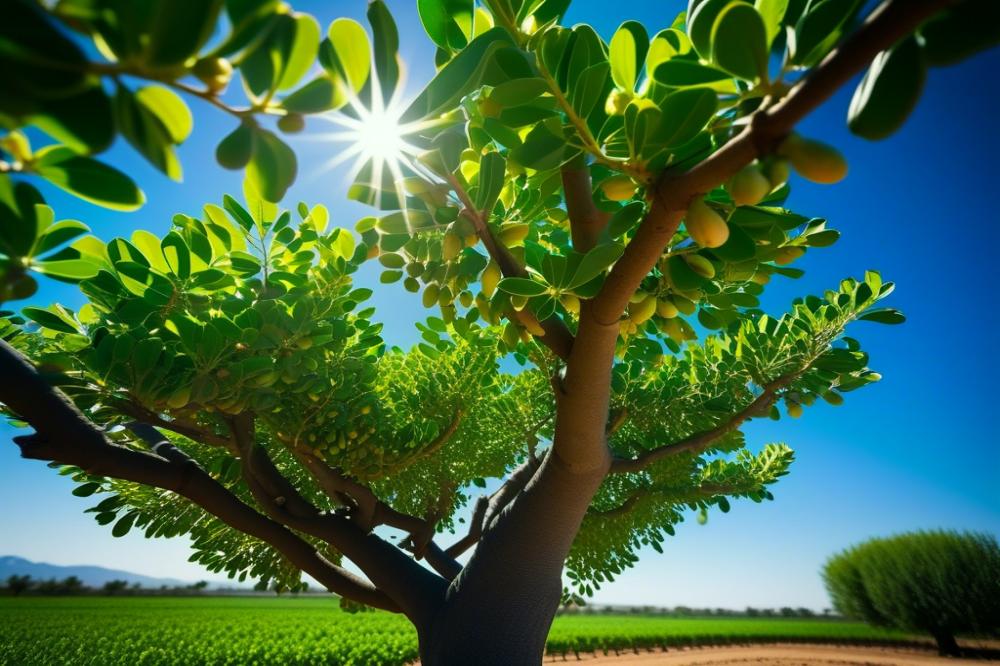
Sunlight is crucial for the development of these trees. They thrive best in full sun, needing at least six to eight hours of direct sunlight each day. This level of exposure allows for optimal growth and helps the tree produce fruit effectively. Without sufficient light, you may notice a drop in both quantity and quality of the nuts.
Full sun not only promotes healthy foliage but also enhances fruit production. More sunshine means the trees can photosynthesize better, leading to stronger and more abundant crops. If you’re aiming for a successful harvest, consider the placement of your trees carefully. A sunny location will pay off in the long run.
Shaded areas can be detrimental. Trees that grow in partially shaded spots often struggle with growth. This shade may come from larger trees or structures nearby. As a result, you might see weaker plants that produce fewer nuts. Additionally, those shaded trees may be more vulnerable to diseases due to the lesser airflow and humidity build-up.
Understanding soil fertility also plays into the sunlight needs. Well-drained soil with good nutrients complements the right amount of sunshine. Regular irrigation is necessary, especially in hot climates, to sustain health. Techniques such as planting deeper roots can help your tree withstand dry spells.
Pruning methods are equally important for maximizing sunlight exposure. Removing excess branches allows light to reach more leaves, enhancing photosynthesis. This results in better fruit quality and yield. Also, keep an eye out for pest control measures, which are vital in maintaining healthy growth.
As you consider climate requirements, realize that these trees prefer warm regions. Areas with cold snaps may adversely affect their development and fruiting. Always plan your planting schedule around seasonal changes to facilitate optimal growth.
Make disease prevention measures a priority. Ensuring air circulation around your trees can minimize issues caused by humidity and dampness. Pay attention to potential infestations that can arise and impact overall health. Harvesting is also easier when trees are in the right condition.
Soil Fertility and Preparation
Choosing the right soil type is crucial for the growth of pistachio trees. They thrive in sandy or loamy soils. Heavy clay can be problematic, as it retains too much moisture and restricts root development. A soil texture with good aeration supports healthy root systems.
Well-draining soil is essential. Excess water can lead to root rot and other issues. If water accumulates around the roots, it can suffocate them, causing severe damage. Mixing organic materials, like compost, helps improve drainage and fertility.
Soil fertility plays a major role in plant health. It provides the nutrients that trees need to flourish. Testing the soil is a wise first step. You should check the pH levels, aiming for a range between 7.0 and 8.0 for optimal growth.
Adding organic matter can significantly boost soil quality. Decomposed plant materials enhance nutrient availability. Additionally, consider using fertilizers specific to tree growth. These can provide necessary nutrients like nitrogen, phosphorus, and potassium.
Irrigation plans should align with soil conditions. Avoid over-saturating the plant’s environment. It’s also important to maintain consistent moisture levels, especially during dry periods. Adjusting watering schedules can help keep trees healthy.
Effective pest control starts with healthy soil. When plants are nourished, they are more resilient against infestations. Implement preventive measures, such as regular soil checks. Monitoring general tree health can pay off when it comes time for harvesting.
Preparing your soil meticulously sets the foundation for thriving growth. Techniques like deep tilling improve aeration and nutrient mixing. Always remember, strong soil health translates into vigorous tree growth.
During planting, your soil choice impacts overall success. Choose a location that matches all climatic requirements. Proper site setup gives seedlings a fighting chance against pests and diseases that could interfere later on.
Pruning practices also benefit from the right soil conditions. Healthier trees can rebound quickly from trimming. Combating potential diseases starts with ensuring that soil remains rich and diverse in nutrients.
Irrigation Techniques for Pistachio Trees
Watering needs will vary depending on the age of the trees. Young pistachio trees require more frequent watering to establish their root systems. Once established, they can tolerate periods of drought. However, the right balance is crucial for healthy growth.
Drainage stands as a key factor when it comes to irrigation. Poor drainage can lead to waterlogged soil which is detrimental to root health. Overwatering poses risks, including root rot and other diseases. To prevent these issues, it’s important to select well-draining soil and to monitor the water levels closely.
Timing plays a significant role in irrigation schedules. Watering should ideally occur early in the morning or late in the evening. These times help reduce evaporation during the hot hours of the day. Adjusting schedules according to seasons is advisable, as climate requirements can affect water needs.
Using drip irrigation can be effective for delivering water directly to the roots. This method minimizes water wastage and promotes better growth. It also helps maintain soil moisture levels consistently. Consider the size of the area you are growing in; larger spaces may require a more extensive setup.
Regular monitoring of soil moisture is necessary. Utilizing a moisture meter can provide insights into when trees genuinely need water. Avoid the temptation to water on a set schedule without checking the conditions. Each tree will react differently to seasonal changes and rain.
Incorporating mulch can also improve water retention in the soil. Organic materials, like wood chips or straw, provide additional benefits. They can enhance soil fertility as they decompose. As you take care of the trees, coordinating irrigation with fertility management can lead to better overall results.
Planting Techniques for Success
Best Time of Year to Plant Pistachio Trees
The ideal time to plant is during spring after the last frost. At this point, the soil begins to warm, creating a stable environment. Early fall is another suitable option. Planting in these seasons helps new roots take hold before the harsh winter or summer heat arrives. Each climate zone varies, so pay attention to local weather patterns.
Step-by-Step Planting Guide
Begin by selecting a healthy young tree. Check the roots for any signs of rot. Dig a hole that is twice the width of the root ball. The depth should match the height of the root ball. Place the tree gently into the hole, ensuring it stands straight. Backfill with soil, but avoid packing it too tightly. Water thoroughly to promote settling and remove air pockets. Fertilization can occur a few weeks after planting to boost growth.
Choosing the Right Location and Spacing
Selecting the proper location is crucial. Find an area with ample sunlight. Pistachios thrive in full sun, requiring at least six hours daily. Look for well-drained soil to promote strong root development. Avoid low areas where water can accumulate, as this may lead to disease. Space trees about 20 feet apart. Proper spacing encourages airflow, which can help with pest control and overall health.
Understanding climate requirements is essential for successful growth. Ideal temperatures range from 100°F during summer days to cooler winter nights. Avoid areas prone to frost, as it can damage young trees. Regular irrigation during dry spells promotes strong roots. Pay attention to local pests and diseases. Early intervention can lead to better harvesting outcomes later on.
Pruning for Health and Productivity
Pruning is a vital practice for those caring for pistachios. Knowing when and how to cut back branches plays a critical role in the tree’s growth. Generally, the best time for pruning is during the late winter or early spring. At this point, trees are still dormant, allowing for recovery before the growing season begins.
Regular pruning encourages better health and higher yields. By removing dead, damaged, or overcrowded branches, you help the tree direct energy toward producing nuts. Additionally, an open canopy improves airflow and sunlight penetration, which are essential for overall vitality. Trees with good airflow are less susceptible to diseases, enhancing disease prevention efforts.
When pruning, several techniques can promote healthy growth. Start by using clean, sharp tools to make precise cuts. This minimizes the risk of introducing pathogens into the tree. Focus on thinning out the branches, ensuring not to remove more than 30% of the total foliage in a single season. Space the remaining branches evenly to maintain stability and promote optimal sunlight exposure.
Incorporating proper irrigation and fertilization helps the tree recover post-pruning. Moisture is crucial, much like soil fertility, which impacts future growth. Ensuring that the roots get adequate nutrients makes a significant difference in how well the tree reacts to cuts.
Taking time to manage the shape of the tree is also helpful. Forming a strong structure aids in supporting the weight of the nuts during harvest. Consider the climate requirements of the region, as this will influence how often you need to prune for best results.
Also, keep an eye out for common pests. Pruning can help you spot these unwanted visitors early and manage pest control effectively. Well-maintained trees are less likely to suffer from infestations. In the long run, a consistent approach to pruning enhances the growth cycle and ensures healthy production.
Fertilization Strategies
Pistachio trees have specific nutritional needs that must be met for healthy growth and production. A balanced supply of nutrients is critical for optimal yield and fruit quality. Key nutrients include nitrogen, phosphorus, and potassium. Additionally, micronutrients like iron and zinc play important roles, particularly in young trees.
When it comes to types of fertilizers, there are two primary categories: organic and synthetic. Organic options often include manure, compost, and bone meal. These options can improve soil health over time. However, synthetic fertilizers provide a quick nutrient boost. Many growers choose a combination to maximize both immediate and long-term benefits.
The timing of fertilization is another key aspect of tree care. Applying fertilizers during the growing season, particularly in spring, supports healthy foliage growth. It’s also beneficial to fertilize shortly after planting, to help establish strong roots. Monitoring trees for nutrient deficiencies can guide adjustments in fertilization schedules.
Application methods vary, too. Granular fertilizers can be spread around the base of the tree and watered in. Alternatively, liquid fertilizers can be diluted and applied through irrigation. Proper irrigation ensures nutrients reach the roots effectively, fostering growth.
Another crucial factor is understanding soil fertility. Conducting soil tests helps determine nutrient levels and pH, providing insights into what your trees need. Addressing soil issues can significantly improve tree health and fruit production.
Pest control and disease prevention are also closely linked to proper fertilization. Healthy trees are more resistant to pests and diseases, making fertilization a preventative measure, in addition to a growth strategy. With climate requirements and irrigation needs considered, combining these factors establishes a solid foundation for successful cultivation.
Climate Requirements for Thriving Trees
Ideal Climate Conditions for Pistachio Trees
Pistachios thrive in regions with a Mediterranean climate. This means hot, dry summers and cool, wet winters are best for growth. Areas that have at least 300 to 500 hours of chilling hours during winter will promote proper flowering. Rain is useful during the early growth phase, but too much moisture can lead to problems.
How Temperature and Humidity Affect Growth
High temperatures in summer are essential for producing quality nuts. Temperatures ideally range from 90°F to 100°F. However, nighttime cooling is also crucial. It helps the tree recuperate and reduces heat stress. Low humidity levels during summer benefit these trees, as they are susceptible to diseases that thrive in wet conditions. A dry environment encourages healthy nut production.
Adapting to Local Climate Variations
Local climates can vary significantly. This variation can impact how trees grow. If you live in a region with higher humidity, it’s wise to implement pest control measures carefully. Adjusting irrigation can mitigate excess moisture. In cooler areas, ensure adequate sunlight exposure. Planting techniques may also vary based on how much heat your location receives. Regular pruning and fertilization are vital, especially when adapting to a unique climate.
Disease prevention becomes crucial in unexpected weather. Keeping a close watch on growth patterns helps you respond effectively. Harvesting can also be influenced by climate variations, often requiring flexibility in timing. Always remember that understanding your local environment is fundamental to growing healthy trees.
Pest Control and Prevention
Pistachio farms can face various challenges from pests. Several insects are known for damaging these trees. Aphids, for example, are small but can seriously harm young shoots and leaves. Another common pest is the red spider mite, which thrives in hot conditions. They suck the juice from leaves, making them weak. Additionally, the navel orangeworm targets the nuts themselves. If left untreated, these pests can reduce yields significantly.
Organic and Chemical Pest Control Methods
Farmers often explore different pest management strategies. Organic options are popular among those prioritizing environmental safety. Neem oil and insecticidal soaps can effectively repel many pests without harming beneficial insects. Introducing natural predators, such as ladybugs, can also help manage aphid populations. Meanwhile, chemical pesticides can provide a quick solution in severe cases. When using chemicals, it’s crucial to follow instructions to minimize risks. Applying them during the right time enhances effectiveness.
Importance of Monitoring and Early Intervention
Regular monitoring plays a vital role in pest control. By checking trees frequently, farmers can spot issues before they escalate. Early intervention can save a lot of effort and resources. Some signs include wilting leaves or unusual webbing on branches. Noting such changes allows for prompt action. Implementing proper irrigation and maintaining soil fertility can also minimize stress on the trees. Healthy trees are less susceptible to infestations. Keeping all these factors in check leads to better pest management.
Disease Prevention and Management
Pistachio trees can fall victim to several diseases that threaten their health and productivity. It is vital for growers to recognize these issues early. One common problem is verticillium wilt, caused by a soil-borne fungus. This disease can lead to wilting and yellowing leaves, stunted growth, and in severe cases, tree death.
Another significant concern is the presence of root rot, also caused by fungi. Symptoms for this disease include dark, water-soaked roots and slow growth. If left untreated, root rot can kill the tree. Additionally, pistachios are susceptible to blight, which manifests as dark spots or dead patches on leaves. This infection can spread rapidly under wet conditions.
Signs of Disease to Watch For
Growers should observe their trees regularly for any abnormal signs. Yellowing leaves can indicate a nutrient deficiency or disease. Wilting, particularly during irrigation, may suggest rot or fungal infection. Dark streaks on bark or cankers can also signal disease. Pay attention to falling leaves, especially during the growing season.
Prevention Strategies and Treatments
Implementing practices for disease prevention is essential for the health of these trees. Proper irrigation techniques can reduce the risk of root rot. Ensure that excess water does not pool around the base of the trees. Soil fertility plays a role, too. Utilize well-draining soil with suitable nutrients to maintain strong, healthy trees.
When planting, select disease-resistant varieties whenever possible. Additionally, engage in proper planting techniques that allow good air circulation around each tree. Regular pruning encourages airflow, which can help prevent fungal outbreaks. Fertilization should be balanced to avoid over-fertilizing, as this can create conditions favorable for disease.
As a proactive measure, maintaining a clean environment around the trees is crucial. Remove debris and fallen leaves that can harbor pests and diseases. Use organic treatments like neem oil to combat identified problems. It’s important to follow any recommendations for chemical interventions cautiously and according to guidelines.
Harvesting Pistachios
Signs that Pistachios are Ready for Harvest
Look for signs of ripeness in your pistachios. The hulls, or outer shells, should start to split. This splitting indicates the nuts inside are mature. In general, harvest time occurs in late summer or early fall. Pay attention to the color of the husk; it usually turns from green to a yellowish hue as the pistachios reach their peak. Also, monitoring the nuts’ weight is helpful. Ripe nuts tend to feel heavier in hand.
Best Techniques for Harvesting
Harvesting requires careful methods to avoid damage. Start by using mechanical shakers. These tools gently vibrate the tree to knock the nuts free. If you don’t have access to machinery, hand harvesting is another option. Remove nuts directly from the branches. After gathering the crop, be quick to work. Leaving nuts on the ground for too long can lead to spoilage. Always collect them daily during peak harvest time.
Post-Harvest Processing and Storage
Proper processing is crucial after collection. Begin with cleaning the nuts thoroughly. Remove any debris, such as leaves and shells. Then, dry the pistachios to avoid mold. Sunlight is an excellent drying method, but a shaded area works well too. Use a fan or dehumidifier if needed. Once dried, store your pistachios in airtight containers. Keep them in a cool, dark place to prolong freshness. Checking the temperature is vital; a stable, low temperature helps maintain quality. Regularly inspect for signs of pests or moisture. Effective pest control measures during this phase are essential to protect your harvest from infestations.
Final Thoughts on Growing Pistachios
In summary, growing your own pistachio trees involves understanding a few key elements. Sunlight requirements play a crucial role in their growth, as these trees thrive in warm, sunny locations. Additionally, maintaining good soil fertility is vital. Healthy soil leads to strong roots and better nut production.
Starting your journey in this rewarding endeavor can be exciting. With careful planning and attention, you can cultivate a productive tree in your garden. Imagine the joy of harvesting your own nuts after years of nurturing. It’s a satisfying experience that reflects the fruits of your labor.
Sustainable gardening practices are essential for the environment. Choosing to grow your own food reduces reliance on store-bought products. This not only benefits you but also contributes positively to the planet. Home gardening fosters a connection with nature that many people find fulfilling. By cultivating your own trees, you are playing a part in a larger movement towards sustainability.
As you think about planting, remember that patience is key. It may take time for your trees to mature and produce nuts. However, with care and dedication, your efforts will be well worth it. Enjoy the journey and the many benefits that come from growing your own food.


