
How to Prevent Common Problems in flowering cactus care
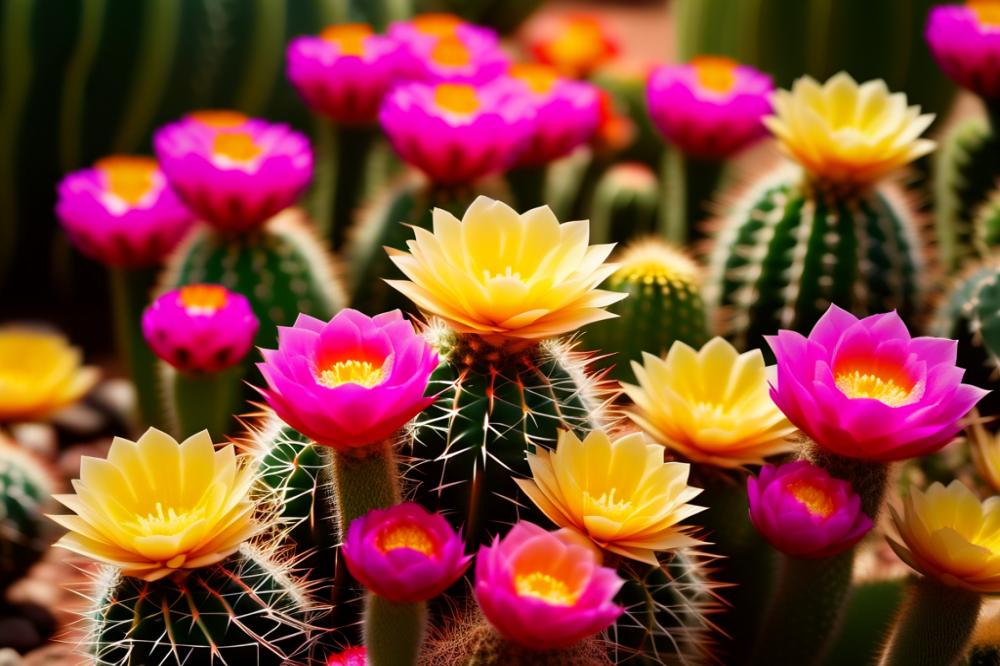
Flowering cacti are a captivating addition to any garden or indoor space. These vibrant plants showcase stunning blooms that can brighten up any room. Each type of flowering cactus has different needs, making their care a bit special. When cared for properly, they bring joy and beauty. However, neglect can lead to various complications.
Understanding the essential aspects of cactus care can prevent many cactus problems. watering is critical, but it must be done correctly. Too much or too little can hinder growth and blooming. Sunlight plays a significant role. Most flowering cacti thrive in bright, indirect light. This condition promotes healthy development and encourages those beautiful flowers to open.
Soil selection is equally important. A well-draining mix can prevent root rot and other issues. Remember to provide the right plant food at the appropriate times. Nutrients are vital for healthy growth and powerful blooms. Temperature and humidity also shape the cactus’s health. Ensuring your plants are in a comfortable environment can greatly impact their well-being.
Pests can pose a serious threat to flowering cacti. Regular checks can help identify any issues before they worsen. Pruning is another task that can significantly enhance growth and flowering potential. By encouraging fresh growth, it keeps your plant vibrant. Knowing when and how to repot can also help keep your cactus healthy.
In summary, the care for flowering cacti includes many factors. With keen attention to details like watering, sunlight, soil, and pests, anyone can enjoy these beautiful plants. Taking proactive measures will help create a flourishing environment. Happy gardening!
Understanding flowering cactus care
Flowering cacti are fascinating plants that can bring vibrant colors and unique shapes into your home. They belong to the Cactaceae family and produce stunning blooms, making them attractive to many plant lovers. These plants typically have thick, fleshy stems that store water, enabling them to survive in arid conditions. Not all cacti bloom, but when cared for properly, flowering cacti can produce spectacular flowers.
Overview of Optimal Growing Conditions
To promote healthy growth, special attention must be given to certain conditions. Warm temperatures are essential for flowering cacti to thrive. Ideally, they should be kept in an environment ranging from 70°F to 85°F (21°C to 29°C) during the day. At night, a slightly cooler temperature can work wonders for their growth. Humidity also plays a crucial role. While cacti are accustomed to dry environments, a bit of humidity can aid in blooming. A humidity level of around 30% to 50% is usually ideal.
Importance of Selecting the Right Potting and Soil Mix
Choosing the correct potting and soil mix is vital for flowering cacti. An appropriate mix allows for proper drainage and air circulation around the roots. Cacti thrive in sandy or gritty soil that doesn’t hold excess moisture. Many gardeners recommend a cactus mix or a blend that includes perlite and coarse sand. Over time, the right combination of soil can help promote healthy rooting and prevent issues with rot. Frequent watering is not needed, so it’s best to let the soil dry out between sessions.
Pruning can enhance your cactus’s appearance while encouraging new growth. Removing dead or damaged sections prevents pests and diseases. When feeding, select a suitable plant food designed for cacti. Proper nutrition contributes significantly to blooming and overall health. Monitor for pests, such as mealybugs or spider mites, which can harm your cacti. Addressing these problems early will make all the difference in how well your flowering cactus thrives.
Lastly, remember that sunlight nourishes your plants, too. Positioning them in bright, indirect light offers the best chance for vibrant blooms. Avoid direct harsh sunlight, as this may scorch the delicate blossoms. With patience and the right care strategy, your flowering cactus can flourish beautifully.
Watering Practices for Flowering Cacti
Caring for flowering cacti requires careful attention, especially when it comes to watering. Overwatering is one of the most common mistakes many plant owners make. Signs like yellowing or mushy stems could mean you are giving too much water. In contrast, underwatering might result in shriveled, dry plants that look lifeless. It’s important to recognize these signs early to help your cactus thrive.
Watering frequency should depend on various factors. Look at the temperature and humidity in your home. During warmer months, more frequent watering is often necessary. In cooler weather, a reduced frequency is essential. It’s crucial to let the soil dry out between sessions to mimic the natural desert environment.
When watering, always choose the right technique. Pour water directly onto the soil, avoiding the stems and flowers. This helps prevent rot and allows the thirsty roots to soak it up. Using a soaker hose or drip system can also be very effective for keeping your plant hydrated without overdoing it.
Best Practices for Drainage
Good drainage is a key factor in flowering cactus care. Always select pots with drainage holes to allow excess water to escape. This can prevent a buildup of moisture that contributes to root rot. Consider using a soil mix specifically designed for cacti. Such mixes often contain materials like sand or gravel that enhance drainage.
Occasionally check the condition of your pots. If the water starts to pool at the bottom, it might be due to compacted soil or blocked holes. Don’t hesitate to repot if you notice any issues. Proper potting can make a huge difference in your cactus’s overall health.
Another important tip relates to plant food. Avoid adding fertilizers during dormancy. Blooming occurs typically in the warmer months, so that’s the best time to apply a balanced feed specifically for cacti. This helps support growth when your plant needs it most.
Lastly, keep an eye out for pests. Regular checks can save you from bigger problems down the line. A healthy environment with the right lighting and conditions will go a long way in fostering beautiful flowers on your cactus.
Light and Sun Exposure
Understanding Light Requirements of Flowering Cacti
Flowering cacti thrive in bright light. They naturally grow in desert environments, where sunlight is abundant. Without enough light, blooming may not happen. A lack of adequate exposure can lead to weak, spindly growth. This is not what you want for your beautiful plants. Ideally, these cacti need around 6 to 8 hours of direct sunlight each day. Not all locations provide this; you might need to rearrange your setup.
How to Find the Right Balance of Sunlight
Finding the right balance of sunlight is key to a happy cactus. Position your plant near a south or west-facing window for the best results. Observe how your cactus responds to the light. Yellowing or browning on the edges could signal too much sun. On the flip side, if the stems elongate or lose their shape, they may need more exposure. Use sheer curtains if the sunlight becomes too harsh in summer. This way, your cacti receive filtered light and avoid burns.
Solutions for Inadequate Sunlight Exposure During Winter
Winter can be particularly tricky for light lovers. Daylight hours may shrink, making it a challenge for flowering cacti. Consider using plant grow lights to provide the necessary illumination. These lights simulate sunlight, offering the energy your plants crave. If you can’t rearrange pots, rotate them periodically to catch different light angles. Maintaining an optimal temperature also helps, keeping them in warm spots away from drafts. Lastly, avoid heavily watering during this time; cacti need less moisture when it’s dark and cold. Pruning can also encourage blooming by removing spent flowers and dead leaves. Check for pests regularly, as weakened plants may attract them more easily when deprived of sunlight. Maintaining proper conditions will make all the difference come spring.
Soil and Potting Considerations
Choosing the right soil is crucial for flourishing flowering cacti. Look for a mix that drains well and allows air to reach the roots. A blend of potting soil combined with sand, perlite, or pumice works beautifully. This combination fosters healthy growth and vibrant blooms.
Proper potting techniques can make a significant difference in the health of your cactus. Begin by selecting a pot with drainage holes. This helps prevent water from accumulating at the bottom. For cacti, avoid pots made of materials that retain moisture. Instead, consider ceramic or terra cotta options.
Monitoring your cactus’s environment is just as important. Temperature and humidity levels should match the cactus’s natural habitat. Too much humidity can cause root rot. On the other hand, low humidity may hinder blooming. Aim for a warm and dry atmosphere to keep your plant thriving.
When to Repot and Signs That Repotting Is Necessary
Timing plays an essential role in repotting your cactus. A general rule is to repot every couple of years. If you notice roots growing from drainage holes, it’s time for a new home. Stunted growth or a pot that feels overly tight can also signal the need to repot.
After repotting, be mindful of watering. Newly repotted cacti should be given a little time before watering again. Watch for pests or any signs of distress after moving it to a new pot. During this period, a slight adjustment to plant food might be necessary to ensure optimal growth.
Pruning may come into play as well. Look for dead or damaged sections to enhance the plant’s appearance. This allows the cactus to focus energy on blooming rather than repairing itself. Careful cuts help rejuvenate the plant and promote new growth.
Sunlight plays a major role in your cactus’s health after potting. Make sure it receives enough bright, indirect light. Too little sun can lead to weak, leggy growth. Conversely, excessive sun can scorch the delicate skin. Balance is vital for the best results.
Managing Temperature and Humidity
Optimal Temperature Ranges for Healthy Growth
Maintaining the right temperature is crucial for your flowering cactus. They thrive in warm environments, typically between 70°F and 80°F during the day. Nights can be a bit cooler, around 50°F to 60°F. Sudden drops in temperature can stress your plant. A stable environment encourages better blooming and overall health. Monitor your cactus closely during seasonal changes. Shield it from drafts and sudden temperature swings. Use a thermometer to verify conditions regularly.
Effects of Humidity on Flowering Cactus Care
Humidity plays a significant role. Cacti prefer low humidity levels, around 20% to 30%. Excess moisture can lead to rot and attract pests. High humidity can also hinder blooming, which is something you want to avoid. Understanding your environment is vital. If you live in a damp area, consider a dehumidifier to counteract this. Dry air promotes healthy growth and vibrant flowers.
Methods to Maintain Appropriate Humidity Levels
Keeping humidity in check requires some techniques. First, avoid overwatering, as this increases moisture levels around the roots. Use well-draining soil to help with this. Second, consider placing your cactus near a window that receives plenty of sunlight. Good light helps dry out excess moisture. Additionally, don’t be afraid to prune your cactus regularly. This improves airflow around the plant. Grouping your cacti together can also maintain a healthy atmosphere without raising overall humidity. Keeping the right balance is key. For very dry climates, misting can introduce brief humidity without overdoing it. Always remember, the goal is a thriving, blooming plant, and attention to detail matters.
Fertilizing with Plant Food
Choosing the Right Plant Food for Flowering Cacti
Selecting the appropriate plant food is key for a thriving cactus. Focus on a fertilizer formulated specifically for cacti. These blends usually have balanced nutrients ideal for blooming. Look for a fertilizer with a higher phosphorus content to promote flowers. This nutrient helps stimulate the production of blooms, making your plant more vibrant. Environmental conditions such as temperature and humidity can impact how your cactus absorbs nutrients. Always read the label for guidance on formulation and ratios.
Schedule and Techniques for Fertilizing to Encourage Blooming
Timing is crucial when fertilizing your flowering cactus. A regular feeding schedule should start in early spring and continue through summer. Apply the plant food every four to six weeks. During this time, avoid feeding in winter, as your cactus is resting. This dormancy period is vital for its overall health. Diluting the fertilizer to half-strength can prevent over-fertilization. Watering should occur after applying fertilizers to help nutrients penetrate the soil.
Common Mistakes to Avoid While Using Fertilizers
Over-fertilization is a common problem that can harm your cactus. Signs of distress include yellowing or browning of leaves. A lack of blooms may also signal too much fertilizer has been applied. Another mistake is using regular houseplant food. Cacti require specific nutrients that differ from typical indoor plants. Ignoring factors such as sunlight and soil type can also lead to poor results. Ensure the soil is well-draining to prevent root rot. Combatting pests may require adjustments in your care routine, especially when fertilizing. Pruning should also take place when necessary to maintain healthy growth. Think carefully before making changes to your cactus care schedule, as any abrupt shifts can stress the plant.
Pruning and Maintenance
When and How to Prune Flowering Cacti
Pruning flowering cacti is essential for their growth and appearance. The best time to prune is during late winter or early spring. This timing allows you to encourage new growth before blooming. Carefully inspect each plant. Remove any damaged or dead segments. Use clean, sharp tools to prevent infection. Focus on sections that have lost their vibrancy. Avoid cutting too much at once, as this can shock the plant.
Benefits of Pruning for Overall Health and Blooming
Healthy plants often display vibrant blooms. Regularly pruning cacti can lead to more flowers. It also improves air circulation and light penetration. A well-maintained cactus is less prone to pests. When you remove dead growth, you limit potential hiding spots for insects. A thriving plant is always a joy to see. Plus, a good prune encourages robust growth in the next season.
Tips on Removing Dead or Unhealthy Growth
Look for signs of unhealthy growth, like discoloration or shriveling. Cut these areas back to promote better health. Disposing of unhealthy parts prevents spread to the rest of the plant. Always wear gloves to protect yourself from spines. After pruning, consider using plant food to boost healing and blooming. Watering should be moderate post-prune to avoid rot. Keep your cactus in bright sunlight to encourage recovery. Ideal temperature and humidity will help it thrive. Lastly, use appropriate soil and potting for optimal roots. The combination of these care strategies will lead to flourishing cacti.
Pest Management
Flowering cacti can be stunning additions to any home or garden, but they aren’t immune to pests. Identifying common nuisances is the first step in protecting your plants. Watch out for mealybugs, spider mites, and scale insects. These creatures often hide among spines or suck sap from your cactus. Left unchecked, they could hinder blooming and overall health.
Preventative measures are crucial for reducing infestations. Start by keeping your cacti clean. Regularly wipe down the leaves and spines to remove dust. Use proper watering techniques, as overwatering can attract pests. Moreover, be mindful of your plant food. Some fertilizers may promote pest growth. Plant selection plays a role, too; consider varieties that are more resistant to pests.
Safe Methods for Controlling and Eliminating Pests
If pests do appear, handling the situation with care is key. Begin with natural methods. Insecticidal soap can be effective and safe for your flowering cactus. You can make a homemade spray using water and soap. Apply it gently to the affected areas. A cotton swab dipped in rubbing alcohol also works wonders for mealybugs.
Pruning your cactus may help as well. Removing heavily infested parts can stop pest spread. Clearing out old debris around your plants minimizes hiding spots. Maintaining the right temperature and humidity levels is essential, too. Pests thrive in warm, humid conditions, so keeping a stable environment can work in your favor.
Consider also the potting method you choose. Using well-draining soil can lower the chance of pest blowups. Over-saturated soil can create a haven for unwanted insects. Finally, monitor your plants regularly. Keep an eye out for changes in appearance. Early detection can save your flowering cactus from serious damage.
Final Thoughts on Flowering Cactus Care
Let’s recap some essential tips for thriving cacti. Good lighting plays a crucial role in their happiness. Providing the right amount of watering is also vital. Avoid over-watering, as it can lead to root rot. Remember, cacti often prefer a dry environment. Incorporating plant food during their growing season will keep them strong and vibrant.
Every cactus has its peculiar needs. Pay attention to how your plant responds to light and moisture. Adjustments may be necessary based on its growth patterns. Observing changes in your cactus can guide you in giving it the best care. Patience is key as you learn what works best.
Enjoy the vibrant beauty of blooming cacti in your garden. Their unique flowers can bring joy and color to any space. With the right approach, you’ll create a thriving environment for these stunning plants. Blooms are not just a reward after hard work; they’re a reminder of nature’s beauty. So, embrace the journey of caring for your flowering cactus, and witness its transformation over time.


