Introduction
Herbs play a vital role in cooking and home gardening. Their freshness can elevate a dish and add unique flavors. Propagating herbs is an excellent way to ensure a steady supply. It not only saves money but also allows for greater control over what you grow.
Basil is one of the most beloved culinary herbs worldwide. This fragrant plant is a staple in many kitchens, particularly in Italian cuisine. With its rich aroma and vibrant green leaves, it’s no surprise that basil is often sought after by both chefs and home cooks alike.
By using plant cuttings, you can quickly produce new basil plants. This method is not only simple but can result in faster growth compared to starting from seeds. Additionally, growing basil from cuttings allows you to maintain the unique characteristics of your favorite varieties. It is a rewarding process, especially for those who enjoy DIY gardening.
This article will guide you through the steps to propagate basil effectively. You will learn essential basil tips, from selecting cuttings to ensuring their healthy development. Whether you’re involved in indoor gardening or planning for a home garden, this guide aims to improve your basil care skills and enhance your gardening experience.
Understanding herb propagation
herb propagation refers to the various methods of multiplying plants. It plays a crucial role in gardening. Many gardeners utilize these techniques to grow new, healthy plants from existing ones. This not only saves money on buying new herbs but also allows for a continuous supply of fresh ingredients.
Different methods exist for herb propagation. Seeds can be sown in soil, leading to new plants emerging over time. Another common approach involves using plant cuttings. This method allows gardeners to take a part of a healthy plant and encourage it to grow roots. Layering is also popular, where branches are covered with soil to form new roots while still attached to the parent plant.
When discussing basil growth, using cuttings to propagate basil offers distinct advantages over starting from seeds. For one, it often leads to faster results. Plant cuttings can develop roots in just a week or two, allowing for quicker growth in pots or gardens. Growing basil this way means you will enjoy fresh leaves in a shorter time.
Basil care becomes easier when you propagate from healthy cuttings. The new plants share the DNA of their parent, which means they retain the same flavor and quality. In DIY gardening, this method can be much more efficient. Indoor gardening enthusiasts often prefer cuttings since they can easily monitor and manage growth conditions.
By following proper basil tips, you can refine your process even further. Start by using strong, healthy stems from the basil plant. Trim below a node, then place the cutting in water or soil to encourage growth. Regular attention will help to maximize the potential of each cutting. Over time, this can lead to a lush garden of basil, perfect for cooking and garnishing dishes.
Getting Started: Essential Tools and Materials
Before diving into the world of herb propagation, gather some essential tools and materials. Having the right items on hand makes the process smoother and more efficient. Here’s what you need for propagating basil cuttings.
List of Tools Needed for Propagating basil cuttings
- A sharp pair of scissors or garden shears
- A glass of water or a small jar
- Rooting hormone (optional, but beneficial)
- Labels or markers for identification
- A spray bottle for misting
Scissors must be clean and sharp to create healthy cuts. Clean tools help avoid introducing diseases that could harm your new plants. Each item plays a specific role in the process of growing basil from cuttings.
Types of Containers Suitable for Rooting Cuttings
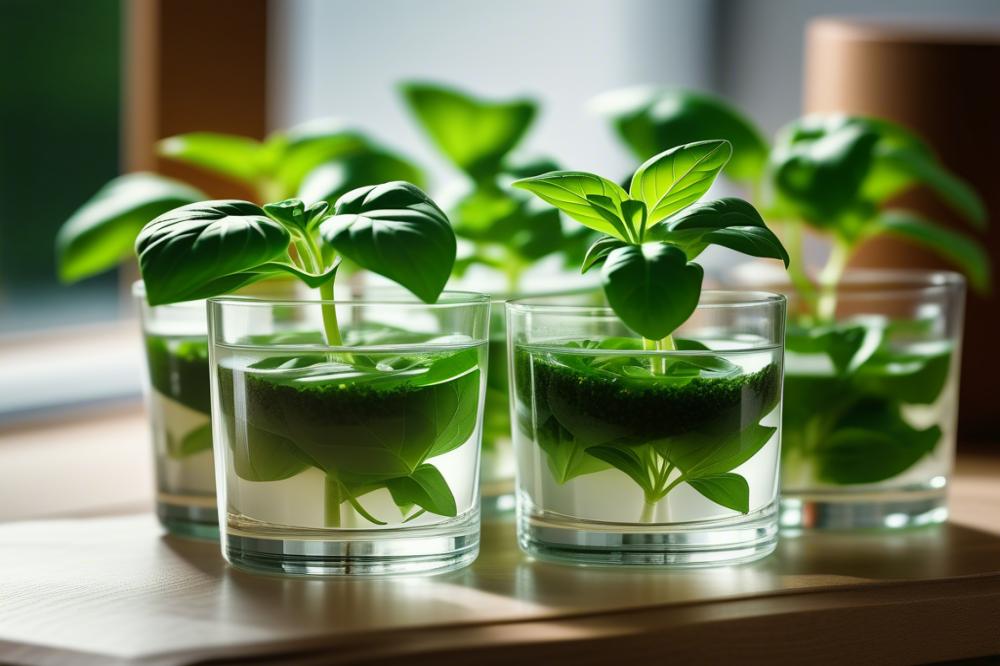
Choosing the right container is crucial for successful basil growth. Mason jars, small glass vases, or even clear plastic cups work well for rooting plant cuttings. Transparent containers allow you to monitor root development closely. If you prefer a soil method, small pots filled with moist potting mix also do the trick.
The Importance of Using Clean and Sharp Tools
Using clean tools is paramount during basil care. Disease can spread quickly through dirty blades or scissors. Always disinfect your tools before use. Sharp blades make cleaner cuts, enabling the plant to heal more efficiently and encouraging faster growth. These practices are simple but make a big difference in indoor gardening.
Remember, successful propagation leads to a thriving basil garden. Following these basil tips helps lay the foundation for robust plant cuttings that can flourish in your home gardening setup.
Choosing the Right Basil Cuttings
How to select healthy basil plants for cuttings
When starting your journey in herb propagation, selecting the right plant is critical. Choose a healthy basil plant that appears vibrant and full of life. Look for a plant that has dark green leaves and sturdy stems. Avoid plants with yellowing leaves or signs of disease. A robust basil plant will yield better cuttings for growing basil. Inspect the base of the plant as well; it should be strong and not spindly. Always remember, a healthy starting point is essential for success in indoor gardening.
Identifying ideal sections of the stem for cuttings
Targeting the right sections of the stem can make a big difference in basil growth. Focus on the top part of the basil plant. Cuttings taken from the top are often more vigorous. Aim for sections that are about four to six inches long. Make sure each cutting has at least two to three sets of leaves. Remove any leaves that might be submerged in water, as they can rot. A clean cut just below a node will promote better root development. This technique is vital for anyone interested in DIY gardening or home gardening.
Tips for timing and conditions for taking cuttings
Timing is important when propagating basil from cuttings. Early morning is the best time to take your cuttings. The temperature is cooler, and the plant is more hydrated. Aim for spring or early summer when basil is actively growing. Select a day when conditions are mild; avoid cutting during extreme heat or cold. After taking your cuttings, place them in a glass of water promptly. Ideal conditions for rooting include indirect sunlight and warm temperatures. These factors greatly enhance basil care and encourage faster growth.
Step-by-Step Guide to Propagate Basil
Starting with suitable cuttings is critical for basil care. Choose healthy stems from an existing basil plant. Look for vibrant leaves and at least six inches in length. Cut below a leaf node to promote new growth. A sharp pair of scissors is helpful here, as clean cuts prevent damage.
Next, prepare a jar or glass filled with water. Submerge the cuttings in the water, making sure the leaf nodes are underwater. Placing the stems in a sunny spot contributes to vigorous growth. Bright, indirect sunlight works well. Direct sunlight may scorch the leaves, causing stress.
Monitoring water levels is essential for rooting success. Change the water every few days to keep it fresh and oxygenated. In this way, you can prevent bacteria from developing. You should start seeing roots in about a week. Patience is vital during this part of the herb propagation process.
When the roots are about two inches long, it’s time for planting. Prepare small pots with a seed-starting mix or potting soil. Adding a bit of perlite can enhance drainage. Carefully transfer the rooted cuttings into the soil, making sure to cover the roots well.
After planting, mist the young basil cuttings lightly. This keeps the humidity high, which helps them adjust to their new environment. Indoor gardening can be rewarding, especially when you see new growth. Placing the pots in a warm, well-lit area is important for continued growth.
Checking on the cuttings frequently will help you track their progress. Look for new leaves and signs of healthy growth. If the leaves start to droop, adjustments may be necessary. These basil tips can help improve your chances of success in growing basil from cuttings.
Basil Care After Propagation
Once you have propagated basil from cuttings, proper care becomes crucial for healthy growth. To achieve robust plants, focus on several key factors. Watering is one of the most essential aspects of basil care. Ensure that the soil remains consistently moist but not waterlogged. Overwatering can lead to root rot, which is detrimental to young plants. Conversely, underwatering will stunt their growth. A good rule of thumb is to check the top inch of the soil. If it feels dry, it’s time to water.
Sunlight plays an equally important role. Basil thrives in bright light, so placing your cuttings in a spot with at least six hours of sunlight daily is paramount. If you’re engaging in indoor gardening, a south-facing windowsill is often ideal. For those growing basil in areas with less natural light, consider the use of grow lights. These can help supplement sunlight, particularly during the shorter days of fall and winter.
Nutrients and Soil Quality
Providing proper nutrients is vital for basil growth. Use a well-draining potting mix designed for herbs. Additionally, nutrients can be replenished through a balanced, water-soluble fertilizer, applied every four to six weeks. This helps in developing strong, flavorful leaves. Over-fertilizing, however, can lead to rapid, weak growth. Always follow the instructions on the fertilizer label for best results.
As your basil cuttings mature, you may need to think about transplanting them. When they reach about six inches tall and have multiple sets of leaves, it is time to move them to larger pots or to your garden beds. Choose pots that are at least 6–8 inches deep with drainage holes. If moving to the garden, select a spot with rich, well-draining soil. Water the cuttings well before transplanting to minimize stress. Gently loosen the roots before transferring them into their new home. This can promote healthier growth as they adjust to the change.
As you embark on your herb propagation journey, remember these basil tips. Keeping your plants healthy is not just rewarding; it can also enhance your home gardening experience. Enjoy the process of growing basil and watch your small cuttings turn into vibrant plants.
Common Challenges and Solutions
When you decide to propagate basil, you may encounter several challenges. Successful herb propagation can sometimes feel tricky, especially for beginners. Issues like wilting, rotting, and diseases can easily occur. Understanding these hurdles is key to thriving basil care. Some cuttings may seem lifeless soon after being placed in water or soil. This experience can be frustrating, but solutions exist.
Wilting
Wilting often happens due to lack of moisture. If plant cuttings appear droopy, they may need water. Misting the leaves gently can help restore them. Providing a humid environment encourages healthy basil growth. Consider using a clear plastic bag to cover the cuttings for a short time. This mini-greenhouse retains moisture. Just remember to allow some airflow to prevent mold.
Rotting
Rotting can stem from overwatering or low light. Roots need to breathe, and excess water can smother them. To avoid this, be mindful of watering frequency. A well-draining pot is crucial for successful propagation. Monitor your cuttings closely. If you notice dark or mushy spots at the base, it’s time to remove the affected part. This action can save the healthy portions. Moving pots to brighter locations may also help strengthen their growth.
Disease Prevention
Diseases, especially fungal infections, can be troublesome in indoor gardening. Keeping a clean environment is vital. Begin with sterilized tools to prevent spreading pathogens. You can also choose a healthy parent plant for your cuttings. That way, you start with the best possible genetics. If you see discoloration on leaves, act quickly. Removing these leaves can stop further deterioration. Organic fungicides might be necessary in some cases. Use these thoughtfully to support your plants without harsh chemicals.
Post-Propagation Basil Care
After you complete the propagation, caring for your new plants becomes essential. Provide a good light source, but avoid direct sunlight immediately. This adjustment helps the cuttings acclimate. As they grow, gradually introduce them to brighter conditions. Regularly check the moisture level of the growing medium. Allow the top inch of soil to dry before watering again. Implementing these practices will promote healthy basil growth.
Keep an eye on the temperature as well. Basil thrives in warm climates. Ideal conditions typically range from 70°F to 80°F. If your home is cooler, consider using a heat mat. This method supports growth and makes DIY gardening easier. Lastly, always be patient. Growing basil from cuttings requires time and dedication. With the right care, you’ll be rewarded with lush, fragrant plants.
Final Thoughts on Basil Propagation
Recapping the Benefits
Propagating basil from cuttings offers many rewards that every gardener should consider. You can create new plants without needing to buy seeds. It’s also a fantastic way to enjoy fresh basil throughout the growing season. This method not only saves money but also enhances your gardening skills. Watching your cuttings grow into thriving plants is a thrilling experience.
Encouragement to Start Gardening
Trying DIY gardening can be incredibly fulfilling. Basil propagation is a great starting point. Growing your own herbs brings joy and satisfaction. It allows you to connect with nature and understand plant growth. Even small spaces can accommodate pots or containers. No one needs a vast garden to start this journey. Each cutting you root creates an opportunity to deepen your green thumb.
Basil Care Tips for Success
To ensure thriving plants, remember some basic tips. Keep the cuttings in a sunny spot but not in direct harsh sunlight. A little water goes a long way; avoid overwatering to prevent rot. Regularly trim the tops of your basil plants to encourage bushier growth. These simple actions lead to healthier plants and a bountiful harvest. Indoor gardeners should also pay attention to humidity and temperature. Lastly, enjoy the process of herb propagation. Celebrate each small success along the way!