Starting Your herb garden in a Raised Bed
Growing an herb garden can be a rewarding endeavor. Fresh herbs elevate the flavors of many dishes. You can enjoy cooking with basil, parsley, cilantro, and mint right from your backyard. Plus, cultivating your own herbs promotes a connection to nature. This connection can contribute to a sense of well-being and accomplishment.
raised bed gardening offers particular advantages for herbal plants. These elevated beds provide better drainage, which is vital for root health. Many herbs flourish in well-drained soil. Planting in a raised bed also makes it easier to control soil quality, leaning towards organic gardening practices. You have the freedom to select the best potting soil and amend it as needed. It can also help with garden maintenance, reducing weeds and pests.
Sun requirements are crucial for a thriving herb garden. Most herbs love sunlight and prefer 6 to 8 hours of direct light each day. A raised bed can be positioned for optimal sunlight exposure. You can create an efficient watering schedule as well, making it easier to keep your herbs healthy. Additionally, raised beds are perfect for companion planting, allowing you to grow certain herbs that boost each other’s growth.
This article will guide you through the steps to start a successful herb garden in a raised bed. You will find essential gardening tips, from choosing the right herbs to planting strategies. Each section will build on the last, leading you toward a flourishing herb garden. Let’s explore how to begin this exciting gardening journey.
Choosing the Right Location for Your Herb Garden
Finding the perfect spot for your raised garden bed is crucial. Some herbs thrive in full sun, while others prefer partial shade. For instance, basil, rosemary, and oregano love sunny locations. Conversely, cilantro and mint can tolerate slightly shadier spots. Knowing the sun requirements of different herbs will help you create a successful garden.
Accessibility plays an important role as well. A well-placed herb garden makes garden maintenance much easier. Choose a spot close to your kitchen or patio for convenient access. This way, you can snip fresh herbs while cooking or enjoy your space without much hassle.
Soil quality and drainage cannot be overlooked. Herbs grow best in well-aerated, rich soil. Using quality potting soil within your raised garden bed will provide essential nutrients. Besides, good drainage prevents water from sitting, which is harmful to many herbs. Monitor rainfall and adjust your watering schedule accordingly to keep your plants happy.
Think about companion planting too. Certain herbs can enhance each other’s growth when planted together. For example, basil pairs well with tomatoes, which can create a vibrant vegetable garden. Take the time to assess your chosen area for soil and sunlight to maximize your harvest.
Selecting the Best Herbs for Your Garden
Popular Herbs for raised bed gardening
In raised garden beds, some herbs thrive better than others. Basil, rosemary, and cilantro are favorites among many gardeners. Their growth habits fit well with limited space. Mint can also be a great addition, but its tendency to spread should be managed. Oregano and thyme are excellent choices since they require minimal maintenance. Each of these herbs offers unique flavors that can enhance your cooking.
Understanding Companion Planting Benefits
Companion planting is an essential technique in gardening. Pairing herbs with vegetables can boost growth and flavor. For example, basil grows well with tomatoes. It not only enhances the taste of tomatoes but may also help deter pests. Chives can improve the health of neighboring plants while adding a pleasant sharpness to dishes. Knowing the right combinations makes your raised garden bed more productive and harmonious.
Considerations for Growing Herbs in a Vegetable Garden
When growing herbs in a vegetable garden, selecting suitable plants is key. Always think about their sun requirements. Most herbs enjoy full sunlight, needing at least six hours daily. A proper watering schedule is also important. Herbs generally prefer well-drained soil, so high-quality potting soil is advisable. Regular garden maintenance will help identify any pest problems early. Be mindful of space, as some herbs will grow significantly larger than others. With careful planning, your raised garden bed will flourish.
Preparing Your Raised Garden Bed
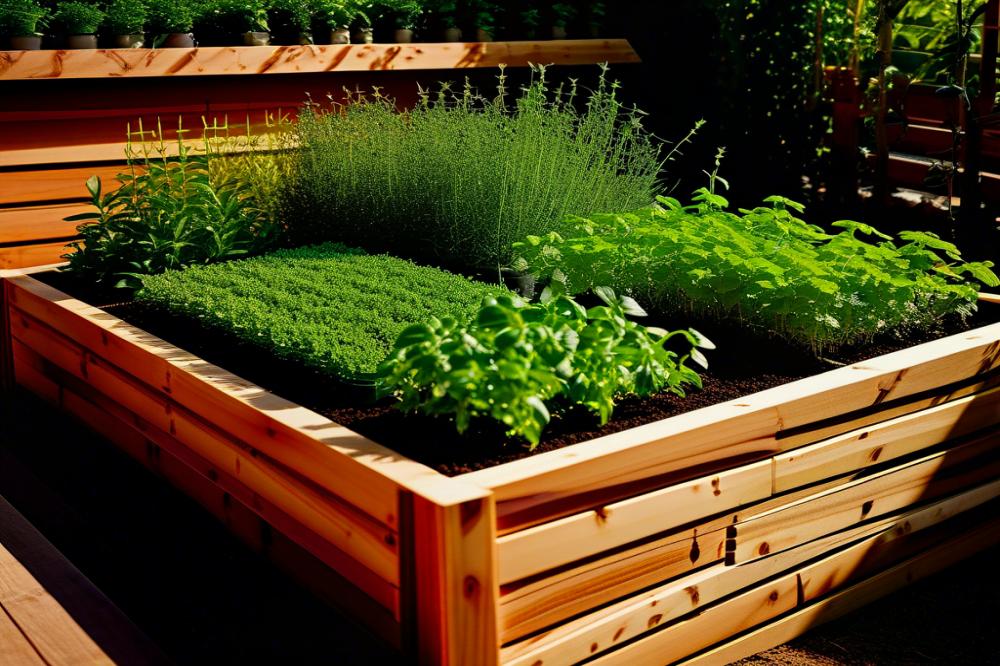
Starting with the right structure is essential for any successful gardening project. Constructing or purchasing a raised garden bed can be an important first step. These beds can be made from wood, bricks, or metal. Many gardeners recommend untreated cedar or redwood for its natural resistance to rot. Other materials like recycled plastics provide longevity without harming the environment.
Dimensions play a crucial role in herb growth. Most gardeners find that a height of 12 to 24 inches works best. This allows for a good root depth while remaining easy to access. A width of 4 feet can help with plant maintenance, ensuring you can reach the center without difficulty. Length can vary based on your available space, but a size around 6 to 8 feet is common for a home vegetable garden.
Filling your raised garden bed with quality potting soil is a vital part of the preparation. Selecting a mix that is well-draining yet retains moisture will support the growth of your herbs. Look for potting soil that contains organic material. This can include compost, which adds nutrients and helps with soil structure. Avoid garden soil from your yard, as it may introduce pests or diseases into your new setup.
As you fill your raised bed, consider layering. A base of coarse materials like small stones can promote drainage. Adding layers of leaves, straw, or cardboard will help with aeration. Top it off with your potting soil to create a nutrient-rich environment for your plants. This setup can also aid in companion planting. Some herbs thrive when planted with certain vegetables, creating a balance in your garden.
Understanding sun requirements is also necessary. Most herbs favor full sun—around 6 to 8 hours a day. Position your raised garden bed accordingly for the best results. Establish a watering schedule to maintain soil moisture without making it soggy. Regular garden maintenance will keep your herbs healthy and productive.
Planting Your Herbs
When to Plant and Seasonal Considerations
Choosing the right time for planting is crucial. Most herbs thrive in warm weather. Spring is typically the best season to start. For those living in cooler climates, wait until after the last frost. Some herbs, like basil and cilantro, flourish with the heat. Others, such as parsley and mint, can tolerate cooler temperatures. Timing also depends on your gardening zone, so consult a planting calendar. Your local climate affects sunlight availability, influencing growth rates immensely.
Ideal Spacing for Different Herbs
Spacing plays a significant role in herb survival. Each plant needs room to grow without competing too much for resources. Basil, for example, should have about 12 inches between each plant. Marjoram and oregano can be planted closer together, roughly 10 inches apart. Large herbs, like rosemary, require more space—up to 24 inches. Smaller herbs can often fit in tighter spots. When arranging plants, consider their ultimate size and growth habits to maximize your raised garden bed’s potential.
Techniques for Planting and Initial Care
Begin with high-quality potting soil. Mix in compost to enrich nutrients and enhance drainage. Dig small holes spaced according to your planned layout. Place seedlings gently into holes, ensuring roots are covered but not packed too tightly. Water each plant thoroughly after planting to help settle the soil. Remember to keep a consistent watering schedule, especially in the first few weeks. Regular checks for signs of distress can prove helpful during this initial growth phase. As your herbs grow, keep an eye on sun requirements. Some prefer full sun, while others can survive in partial shade. Companion planting can also benefit your herb garden by enhancing growth while deterring pests. Implement these gardening tips for successful herb cultivation and enjoy the fresh rewards.
Establishing a Watering Schedule
Consistent watering is vital for healthy herb growth. Without it, plants can suffer significant stress. Herbs thrive when they receive the right amount of moisture, allowing them to develop robust flavors and aromas. A balanced watering schedule helps cultivate lush foliage and prevents failures in your garden.
Overwatering can drown roots and lead to root rot. Symptoms of this include yellow leaves that may feel soft to the touch. On the flip side, underwatering can lead to wilting and dry soil. If leaves feel crispy, it’s a clear sign that herbs need more water. Both conditions can hamper growth and diminish the quality of your herb garden.
For raised garden beds, a few techniques can optimize your watering efforts. Drip irrigation offers a precise method that delivers water slowly to the roots, reducing waste. Alternatively, a soaker hose can also be effective, as it allows moisture to seep slowly through the soil. Regular checks are essential—monitor the moisture level in the potting soil. Adjust as needed based on the weather and the sun requirements of specific herbs. Observe your plants closely and remember that their needs will change with the seasons.
An efficient watering schedule involves assessing how often the plants need moisture. During hot summer days, you may need to water more frequently. However, in cooler months, the frequency should decrease. Aim for a deep watering once or twice a week to promote strong roots. Companion planting can also influence how much water your herbs require, as some plants retain moisture better than others.
Garden Maintenance Best Practices
Regular maintenance is key for a thriving herb garden. Monitoring the plants closely can prevent common problems related to pests and diseases. A good idea is to develop a watering schedule that suits the sun requirements of your herbs. Most herbs thrive in well-drained soil, so keep an eye on moisture levels. Watering should be consistent but not excessive, as soggy soil can cause root rot.
Weeding and Pest Control Methods
Weeding is an essential task in any gardening environment. Weeds compete with herbs for nutrients and water. Make it a habit to check your raised garden bed often. Pull out unwanted plants by hand, especially when they are small. For pest control, consider natural methods first. Introducing beneficial insects, like ladybugs, can help manage aphid populations. You can also spray neem oil on affected areas to deter harmful pests.
Fertilization Options for Organic Gardening
Your bed can benefit from organic fertilizers that enrich the potting soil. Compost is a fantastic option; it adds nutrients while improving soil structure. For a quick nutrient boost, look into fish emulsion or seaweed extract. Both can be diluted in water and applied as a foliar spray or soil drench. Regularly testing your soil pH can guide you in choosing the right amendments. Keep an eye on the growth of your herbs. They will signal if they are nutrient-deficient through slow growth or yellowing leaves.
Companion planting can also be a great strategy. Some herbs deter pests or enhance growth when planted with vegetables. Learning which plants work well together can maximize productivity. Overall, successful garden maintenance includes observing your plants closely and adjusting care techniques as needed.
Harvesting and Using Your Herbs
When and How to Properly Harvest Herbs
Harvesting herbs requires attention to timing. Most herbs are best picked in the morning after the dew has dried. Their oils are fragrant and flavorful during this time. Cutting the stems instead of just pulling leaves helps encourage growth. Always use clean and sharp scissors or pruning shears to avoid damaging the plant.
When a plant reaches about six inches tall, it’s usually ready to start harvesting. Regularly trimming encourages bushier plants. Avoid removing more than one-third of the plant at once, as this can stress it. You will notice that younger leaves are often milder in flavor. Older leaves, while more intense, can sometimes become tough or woody.
Tips for Preserving and Storing Your Herbs
Storing fresh herbs properly can make all the difference in their longevity. You might consider drying them by tying small bundles and hanging them in a cool, dark space. Using a dehydrator is another option for quicker results. Once dried, store your herbs in airtight containers. Glass jars work well, as they keep out moisture.
If you wish to keep things fresh, try placing herbs in a glass of water like cut flowers. Covering them with a plastic bag will help retain moisture. Another method involves freezing herbs in ice cube trays. Blending herbs with a bit of olive oil and then freezing in trays allows for easy cooking additions later. Each storage method varies in effectiveness based on the herb itself.
Culinary Uses and Recipes for Fresh Herbs
Culinary uses for herbs are plentiful, making them versatile ingredients in meal preparation. Basil shines in Italian dishes, particularly in pesto or thrown into pasta. Thyme does wonders in roasts or soups, adding earthy flavors. Chopped parsley makes a fresh garnish for salads and can also be part of flavorful marinades.
Consider making a simple herb-infused oil. Combine olive oil with any chopped herbs you enjoy. Letting the mixture sit for a week allows the flavors to meld beautifully. Similarly, creating a light salad dressing with vinegar and finely chopped herbs brightens up any dish.
Companion planting can also enhance flavors, so consider growing herbs alongside vegetables that benefit from their taste. Marjoram pairs well with tomatoes, while cilantro complements various spicy dishes. Experimenting with herbs offers endless opportunities to elevate your cooking, adding freshness in unique ways.
Final Thoughts
Recapping the key steps to begin your herb garden is essential as we conclude. Start with selecting the right location. A sunny spot makes a difference. Next, choose quality soil and prepare your raised bed properly. Whether you prefer seeds or seedlings, focus on selecting the herbs that resonate with your cooking style and taste preferences. Watering and regular care are vital too. Don’t forget to watch out for pests that may threaten your plants.
Gardening is not just about the end product. It’s about the journey. Embrace the learning process as you grow your herbs. The satisfaction that comes from nurturing plants and watching them thrive is unparalleled. Remember, everyone starts somewhere, and your success will grow as your knowledge expands.
Herb gardening in a raised bed comes with unique rewards. Fresh, fragrant herbs can elevate your meals. The mere act of caring for plants can be calming. You may discover new recipes or develop a greater appreciation for the food you eat. As you dig into this hobby, allow yourself to enjoy the little moments. Each step taken brings you closer to the joys of gardening tips, enhancing your culinary skills along the way. So, why wait? Dive in and start creating your own little green sanctuary!