Introduction
The concept of a herb spiral may seem unconventional at first. However, it offers a creative solution for those interested in growing and cultivating herbs efficiently. This unique garden design utilizes vertical gardening principles to maximize space. By spiraling upward, gardeners can create a diverse growing environment, allowing for a variety of herbs to thrive in a compact area.
Benefits of this structure extend beyond mere aesthetics. It helps conserve water, as the design allows moisture to flow naturally from the top to the bottom. Additionally, the spiral creates microclimates, offering different conditions that can suit various herbs, whether they require more sun or shade. In a society that increasingly values sustainable gardening techniques, this is a significant advantage.
space efficiency holds considerable importance, especially for urban gardeners with limited outdoor areas. The herb spiral integrates seamlessly into a backyard landscape, even if your yard is small. This method transforms an average garden patch into an engaging edible landscape. Moreover, it simplifies the process of herb management, making it easier for enthusiasts to enjoy fresh ingredients for cooking and natural remedies.
permaculture principles serve as the foundation for this gardening strategy. By observing nature’s patterns, gardeners can mimic ecosystems in their own backyard. This approach not only fosters biodiversity but also enhances the sustainability of the garden. DIY gardening projects like this spiral contribute to the growing movement towards more eco-friendly practices in landscape design. So, whether you’re a seasoned gardener or a beginner, incorporating a herb spiral into your outdoor gardening plans can be both rewarding and efficient.
Understanding the Herb Spiral

A herb spiral is a clever design that takes advantage of vertical gardening techniques. This structure allows you to grow a variety of plants in a small footprint, maximizing space efficiency. It consists of a spiral shape that rises upwards, creating multiple growing zones. Every level of the spiral can support different types of herbs, all in one compact area.
The design features of a herb spiral typically include raised beds. These beds provide better drainage and soil health. They also make harvesting easier, as reaching down to pick fresh herbs becomes simple. Throughout the spiral, the elevation change generates different microclimates. These microclimates cater to various plant needs, accommodating both sun-loving and shade-preferring species.
Vertical gardening adds another layer of efficiency. As plants grow upwards rather than sprawling out, you can effectively use limited outdoor gardening space. This method is perfect for small backyards or urban settings. Those new to gardening often find raised beds easier to manage, reducing the strain of kneeling or bending.
When it comes to sustainable gardening practices, a herb spiral shines. It promotes permaculture principles by creating a self-sustaining ecosystem. By selecting companion plants wisely, you can enhance plant growth naturally without the need for chemical fertilizers. In this edible landscape, the diversity of herbs contributes to healthier soil and a thriving environment.
Building a herb spiral can be a fulfilling DIY gardening project. With some basic materials like stones or bricks, anyone can create an attractive and functional addition to their landscape design. The variety of herbs that can be cultivated varies by climate and personal preference. From basil to cilantro, the choices are endless.
This structure not only serves practical purposes but also enhances the beauty of your garden. A well-designed spiral invites curious eyes and can become a conversation starter. The intertwining of plants creates a lush, vibrant display that adds character to any outdoor space.
Planning Your Herb Spiral
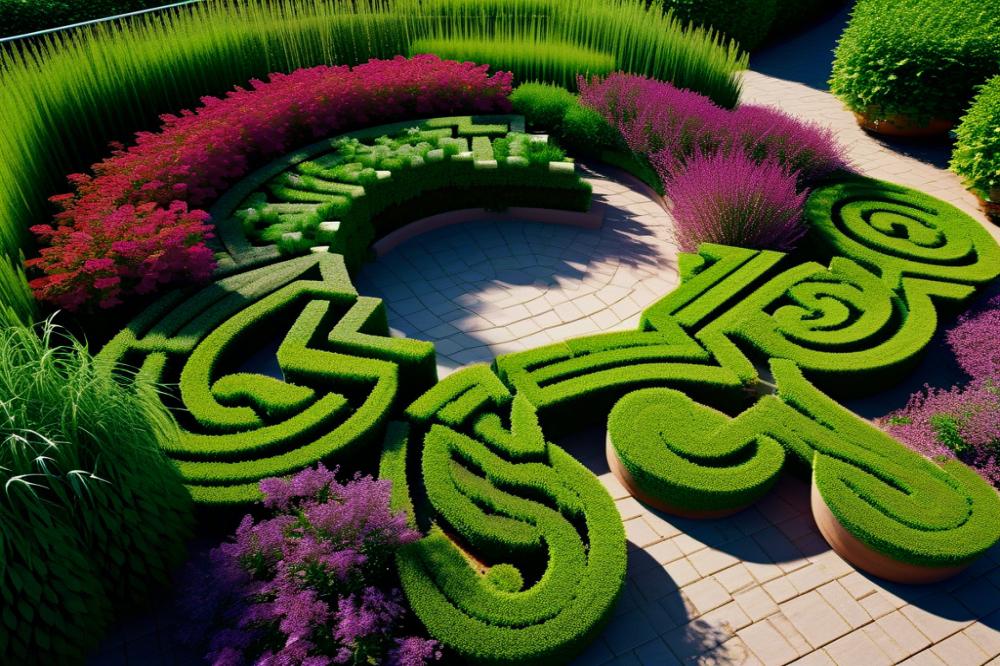
Choosing the right spot for your herb spiral is crucial. Look for an area that receives plenty of sunlight. Most herbs thrive best in six to eight hours of direct sun each day. Observe how the sunlight travels across your garden. This will help you select the ideal location.
Drainage is another key factor. Herbs prefer well-drained soil. Avoid areas where water tends to pool or where the soil remains soggy. Good drainage promotes healthy roots for your plants. Test the drainage in your chosen location by digging a small hole. Fill it with water and check how long it takes to drain.
Accessibility can affect your gardening experience. A site close to your kitchen makes it easy to grab fresh herbs while cooking. Consider paths or stepping stones leading to your spiral. These pathways will keep your feet dry and clean when harvesting.
Size and Shape Considerations
Herb spirals can vary widely in size. A compact version might only be three feet across, while larger spirals can reach sizes of six to seven feet in diameter. Think about your available space and how many herbs you want to grow. Remember, the spiral’s height allows for vertical gardening, maximizing space in smaller yards.
The shape is another important aspect. The classic spiral design is popular, but you can adapt it to fit your landscape design. Some gardeners create oval or rectangular spirals. Others incorporate raised beds adjacent to the spiral. These variations can enhance the overall look of your edible landscape.
Tools for DIY Gardening
Gathering the necessary tools will make the construction process smoother. You will need a shovel to dig the base and form the spiral design. A rake helps level the soil, while a trowel is handy for planting. You might also want a hose or watering can for easy irrigation.
Don’t forget to stock up on your favorite soil amendments. Compost enriches the soil with nutrients and supports sustainable gardening practices. A mulch layer on top will retain moisture and suppress weeds.
Finally, consider adding decorative elements like stones or bricks. They can outline your spiral or define paths in your garden. Each choice you make contributes to the overall aesthetics and function of your space.
Preparing the Site and Building the Spiral

Starting your herb spiral involves careful planning and preparation. First, select a spot that receives ample sunlight throughout the day. Herbs thrive in bright conditions. Look for an area with good drainage; standing water can weaken plant roots. Removing any grass or weeds will eliminate competition for nutrients.
Gather your materials. Stones or bricks make excellent choices for the structure. Choose weather-resistant materials like granite or sandstone for durability. If you prefer a more eco-friendly option, recycled bricks can work well too. Collect a variety of sizes to create the spiral’s height and shape. You can also use wood for a softer look but ensure it is untreated to avoid harmful chemicals leaching into the soil.
Next, begin building the spiral. Start by laying a circle of stones or bricks on the ground. This base should be about four feet in diameter. As you stack, create layers that rise toward the center. Imagine the spiral shape as you work. Each layer should be higher than the last, constructed in a corkscrew fashion. Leave gaps between stones for airflow and drainage. This will help maintain a healthy environment for your herbs.
Once the structure is up, focus on soil layering. Begin with a coarse layer at the bottom, using gravel or small rocks. This will enhance drainage and help prevent root rot. Following that, a mixture of compost and garden soil should be layered on top. Mixing in various soil types promotes diverse nutrient availability. Fill in gaps with well-decomposed compost to nourish your plants.
As you build, consider the height of the spiral. The top will be the driest, ideal for herbs like thyme and rosemary. Towards the base, moisture-loving herbs such as mint and basil can thrive. This thoughtful design maximizes space and supports permaculture principles. Remember, edible landscapes can be both functional and beautiful.
After completing the structure, consider mulching to retain moisture and suppress weeds. Organic mulch can also improve soil quality as it breaks down over time. In outdoor gardening, such details make a big difference in plant health.
Completing your herb spiral is a DIY gardening project that pays off in flavor and zest. This vertical gardening method not only saves ground space but also brings a touch of artistry to your landscape design.
Selecting and Planting Herbs
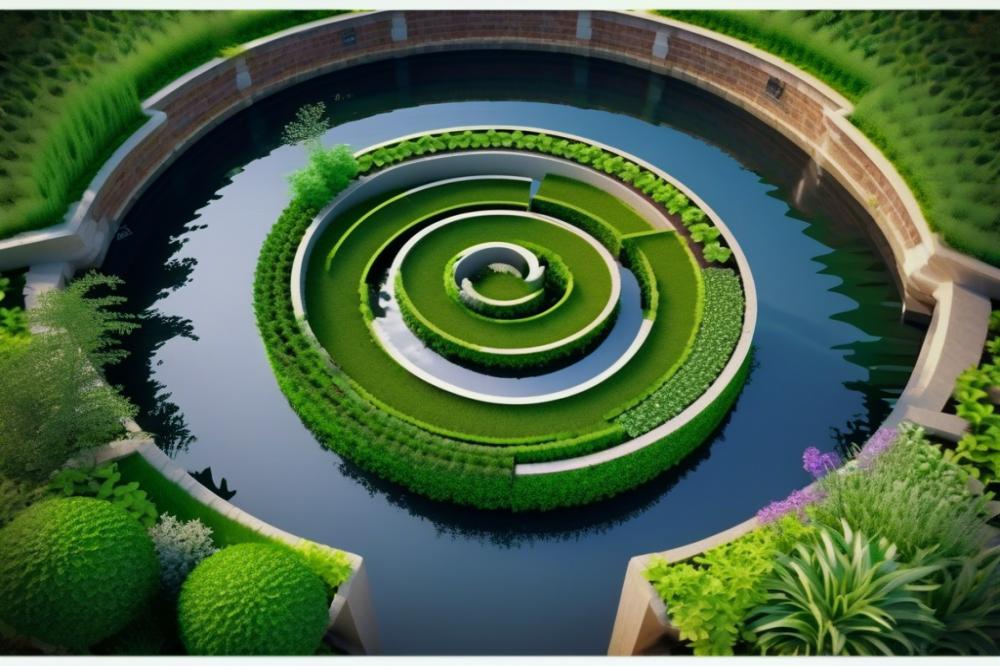
When creating a herb spiral, selecting the right herbs is essential. Certain plants thrive in specific conditions, so understanding each herb’s needs is important. Here’s a list of some suitable herbs for your spiral:
- Basil: Prefers full sun and well-drained soil.
- Thyme: Enjoys dry conditions and excellent drainage.
- Mint: Likes moist soil and partial shade.
- Oregano: Thrives in full sun with average moisture.
- Parsley: Grows best in rich, moist soil with partial sunlight.
- Cilantro: Prefers cooler spots and can tolerate some shade.
- Chives: Enjoys full sun but can adapt to partial shade.
- Sage: Likes hot conditions and well-drained soil.
Companion planting plays a vital role in maximizing your garden’s efficiency. Placing herbs with similar needs together can lead to a thriving garden. For instance, pair basil with tomatoes, as they grow well together. Also, chives can enhance the growth of carrots when planted nearby.
Arranging the herbs based on their sunlight and moisture preferences is crucial for success. On the sunny side of your spiral, plant sun-loving herbs like thyme and sage. Place herbs that prefer moisture, like mint and parsley, on the cooler, shaded side. This strategic layout will help each plant flourish.
Maintaining your herb spiral is not complicated. Regular watering is key, especially for the herbs that require more moisture. A good rule of thumb is to water in the early morning to reduce evaporation. Mulch can help retain moisture and reduce weeds. Remember to prune regularly to encourage healthy growth and prevent overcrowding.
Pests can be a concern in outdoor gardening. Introducing beneficial insects like ladybugs can help keep harmful pests at bay. Sustainable gardening practices, such as using organic fertilizers, will support your plants without harmful chemicals. Your herb spiral can become an edible landscape if cared for properly.
With thoughtful selection and a bit of planning, you can create a vibrant and productive garden space. Getting involved in DIY gardening becomes rewarding when you see your herbs thrive in their bespoke environment. Adopting permaculture principles will further enhance the sustainability of your gardening efforts. Enjoy the process and the bounty of your efforts!
Benefits of Herb Spirals in Edible Landscapes
Creating an herb spiral brings together beauty and practicality in outdoor gardening. This innovative design not only maximizes space but also creates a stunning focal point. By using vertical gardening techniques, gardeners can cultivate various herbs within a compact area. Each level of the spiral can accommodate plants requiring different amounts of sunlight, moisture, and water retention. This method mirrors the principles of permaculture by promoting a natural ecosystem.
Incorporating herb spirals into landscape design also encourages biodiversity. More diverse plant life attracts a variety of beneficial insects, which play a crucial role in controlling pests. Pollinators like bees and butterflies thrive in environments with rich plant diversity. These insects are essential for successful gardening, as they help in the pollination of flowers and promote growth.
Compared to traditional raised beds, this structure allows for a wider range of microclimates. Warmer, drier zones can coexist with cooler, wetter areas, offering diverse growing conditions. Herbs such as rosemary and thyme prefer the heat, while mint enjoys more moisture. This unique arrangement helps gardeners experiment with various plant combinations without needing a large area.
Sustainable gardening practices gain an edge through the incorporation of spirals. They promote an efficient use of resources, such as water and soil, while reducing waste. The spiral’s layout maximizes sun exposure, ensuring each plant thrives. Natural drainage is enhanced, leading to healthier root systems.
Moreover, establishing a spiral can transform a simple garden into an edible landscape. Fresh herbs can be just steps away from your kitchen, enhancing culinary experiences. From cooking to garnishing, these plants elevate flavor profiles and nutrition. Home cooks will appreciate the convenience offered by this design.
DIY gardening enthusiasts find this project fulfilling. Building a spiral can be a fun family activity, bringing everyone together. Gathering materials can often involve repurposing items, adding to the sustainability aspect of the project. This approach fosters creativity and a sense of accomplishment as each layer comes together.
Maintaining Your Herb Spiral
Proper maintenance is key to a thriving herb spiral. Start with watering. Herbs typically prefer moist soil, but it’s important to avoid overwatering. The spiral’s design helps with drainage, allowing for a variety of moisture needs. Regular checks can help you catch any dry spots early. When you notice that the top layers are dry, it’s time to give them a drink.
Pruning should come into play frequently, especially for herbs that grow quickly like basil and mint. By trimming these plants back, you encourage bushier growth and prevent them from becoming leggy. A good rule of thumb is to remove leaves from the top third of the plant. This practice also helps to make the herbs more flavorful. Remember to use clean, sharp scissors or shears to reduce the risk of disease.
Harvesting Strategies
Harvesting can be an enjoyable task. Snipping off fresh herbs for cooking not only adds flavor but also promotes new growth. Always take only what you need. This practice allows for continuous growth and a steady supply of herbs. Some gardeners prefer to pick early in the morning when the aroma is strongest.
Seasonal care is also important. Winter can be a challenging time for outdoor gardening. If you live in a colder climate, consider covering the herb spiral with frost cloth or leaves for insulation. This step can protect delicate plants during freezing temperatures. In spring, be ready to remove any dead plant material. It’s time to prepare for the growing season again.
Pest Management
Pests can be a concern in any garden. Regularly inspect your herb spiral for pests. Common invaders include aphids and spider mites. You can use a spray of water to dislodge them or apply insecticidal soap for a more targeted approach. Planting companion herbs can also help deter unwanted visitors. For instance, marigolds can repel certain pests while attracting beneficial insects.
In the world of permaculture and sustainable gardening, maintaining your herb spiral effectively contributes to a thriving edible landscape. Utilizing vertical gardening methods maximizes space efficiency. Raised beds can also work in conjunction, especially for herbs needing more height. A DIY gardening approach encourages experimentation. Don’t be afraid to try different herbs or rearrange your landscape design as you learn what works best.
Final Thoughts on Your Herb Spiral Project
Creating a spiral garden elevates herb cultivation by maximizing limited space. Utilizing vertical gardening techniques allows you to grow a diverse range of plants in a small area. This method increases accessibility while promoting optimal drainage and unique microclimates. With various plants thriving side by side, your gardening experience becomes rich and dynamic.
Many benefits arise from this gardening style. First, it encourages biodiversity. Each level can host different herbs, adjusting to their specific needs like light and water. Additionally, this leads to a more sustainable practice. By incorporating permaculture principles, you create an ecosystem that supports both plants and beneficial wildlife.
Taking on the challenge of building one can be rewarding. Not only does it enhance your garden’s aesthetics, but it also provides fresh ingredients for your meals. As you tend to your new garden, you’ll likely discover the joys of cultivating herbs. Implementing this project can foster a greater connection to the food you grow.
Start your journey toward an edible landscape today. Join the many who find satisfaction in DIY gardening. Transform your outdoor space into a haven for herbs. Embrace the creativity and yield that come with this innovative approach. The effort you put forth will pay off with flavors and joy in your kitchen.