
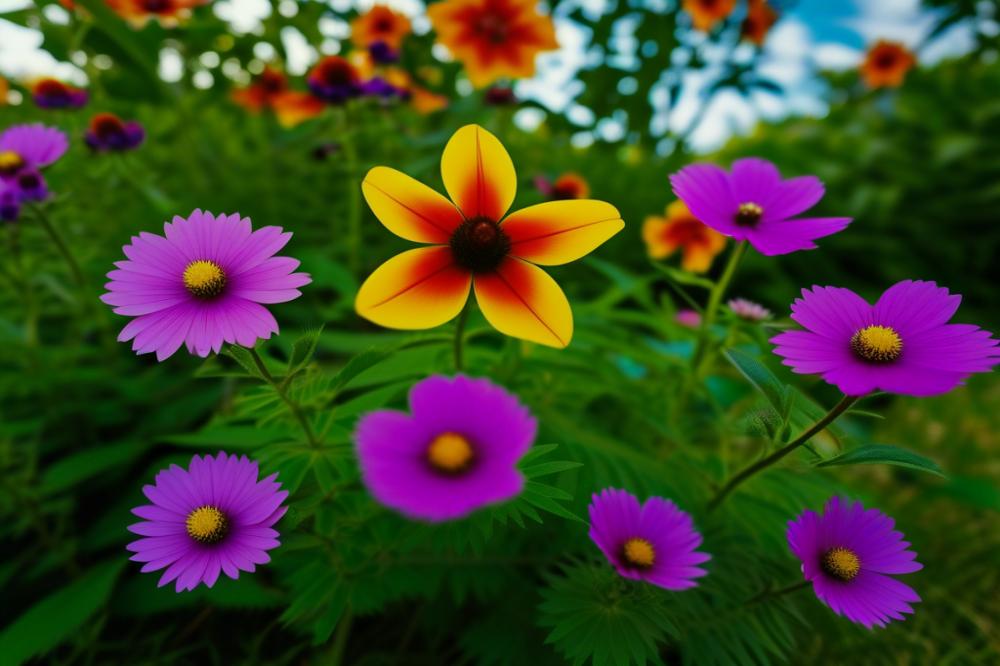
indigenous wisdom: foraging-101-edible-plants-growing-in-us-cities”>native plants and Flowers for foraging and eating Today
indigenous wisdom refers to the traditional knowledge held by native peoples throughout history. It encompasses practices related to farming, medicine, and how to live in harmony with the land. These teachings are deeply rooted in a connection to nature, focusing on sustainable practices that have guided many cultures for generations. Such wisdom plays a crucial role in how we understand and interact with our environment today.
In the United States, native plants hold immense importance. They support local ecosystems and provide essential resources for wildlife. These plants have been cultivated for centuries, not just for beauty but also for their nutritional benefits. Many native species offer edible flowers, fruits, and greens. They serve as a reminder of the diverse biodiversity that exists all around us.
This article will explore the art of foraging and the joy of eating what the land provides. Seasonal foraging offers a way to connect with nature, gathering wild food that nourishes both body and soul. Traditional knowledge surrounding herbal remedies will also be discussed, showcasing how these plants can impact our well-being. Readers can expect to learn about the cultural heritage behind these practices. Eating from the land fosters respect for nature and helps keep these ancient traditions alive. Join us as we delve into the rich tapestry of native plants and the edible treasures they offer.
Understanding Indigenous Wisdom
Indigenous wisdom encompasses the traditional knowledge passed down through generations within Indigenous communities. This body of knowledge includes insights about the natural world, particularly around foraging and eating. It reflects a deep connection to the land and the plants that grow on it. Edible flowers, for example, have been used in various cultures for both nutrition and health benefits. They are not just food; they are a link to identity and history.
Sustainable practices are at the heart of traditional knowledge. Indigenous communities have long understood how to gather wild food without harming ecosystems. Foraging during specific seasons helps maintain a balance in nature, ensuring that plants can regenerate. This is vital for biodiversity, as it supports a variety of species and their habitats. The knowledge about when and where to harvest plants is crucial, allowing for responsible management of resources.
Cultural heritage plays a significant role in the transmission of this wisdom. Communities share stories about plants and their uses, which fosters a sense of belonging. These tales often include herbal remedies crafted from local flora. Many people today are rediscovering the value of these practices. By connecting with traditional methods, individuals not only enhance their diets but also contribute to a greater understanding of their own cultural backgrounds.
Understanding the relationship between plants and people is essential. The insights gained from Indigenous knowledge inform modern sustainability efforts. Many are now looking to this wisdom to guide their foraging practices. As society moves towards a more sustainable future, integrating these perspectives becomes increasingly important. Tapping into this rich heritage can help communities foster both nutrition and ecological awareness.
The Importance of Native Plants and Flowers
Across the USA, a variety of edible plants can be found in every region. These native plants offer more than just nutrients. They are a source of wild food, deeply intertwined with the cultural heritage of many communities.
Many edible flowers that spring up during different seasons are waiting to be discovered. Foraging for these plants is an adventure that connects people to nature. It allows individuals to engage with traditional knowledge passed down through generations. This practice has sustained many Indigenous cultures for centuries.
Benefits of Consuming Native Flora
Nourishing the body with native flora provides numerous health benefits. Consuming locally sourced plants often results in fresher and tastier food. For example, herbal remedies derived from these plants can improve well-being and support the immune system.
Incorporating native plants into meals also promotes sustainable practices. It encourages a connection to the land and its seasonal changes. Many people are becoming more aware of the environmental impact of their food choices. Focusing on native species helps reduce this impact, creating a symbiotic relationship between people and the Earth.
Biodiversity and Its Significance for Ecosystem Health
Biodiversity plays a critical role in maintaining the health of ecosystems. A rich variety of plants supports diverse animal populations and helps stabilize the environment. When native plants thrive, they contribute to healthier soil, cleaner water, and overall balance in nature.
Protecting these species is essential for future generations. Foraging sustainably helps maintain this biodiversity. It encourages respect for the land and fosters an understanding of the delicate relationships within ecosystems. Ensuring that edible plants continue to flourish supports not just our nutritional needs but the planet’s well-being, too.
Foraging: A Seasonal Practice
Foraging is more than just a food hunt; it’s a connection to nature. Different plants and flowers have specific seasons when they are at their best for eating. Spring is a time for tender greens and early blooms like dandelion and nettle. Summer brings an abundance of berries, such as blackberries and blueberries. In the fall, look for nuts and late-season edible flowers. Winter can be more challenging, but certain roots and hardy greens may still be available. Understanding these seasonal patterns is essential for successful foraging.
Ethical Foraging Practices
Every forager should remember to practice sustainability. This means only taking what you need and leaving enough for wildlife and other foragers. Introducing a principle of respect for nature guides the process. When harvesting wild food, avoid damaging the plants. For instance, when picking berries, use scissors rather than pulling the branch. Ethical foraging preserves local ecosystems and maintains biodiversity for future generations. Sharing traditional knowledge about sustainable practices can also enrich community ties.
Importance of Knowing Local Geography and Ecosystems
Understanding local geography is crucial for successful foraging. Each area has a unique mix of plants, influenced by climate and soil type. Familiarity with your surroundings can lead to the discovery of hidden edible treasures. Knowing what grows in your region supports not only your health but also promotes cultural heritage. Learning about local ecosystems helps foragers appreciate the balance of nature. Different habitats, whether wetlands or forests, each contribute to the availability of various plants. Additionally, recognizing these environments can aid in finding herbal remedies used by many indigenous cultures. Awareness of local wildlife and seasonal changes also plays a role in safe foraging practices.
Traditional Knowledge and Culinary Uses
For centuries, people have relied on native plants to nourish their bodies. Different cultures have rich histories of using these plants in their diets. The practice of foraging is not new; it has been a way of life for many Indigenous communities. Understanding this historical context helps illuminate why these plants matter today.
Indigenous communities possess deep-rooted knowledge regarding food preparation. They have passed down skills through generations, teaching methods that highlight the flavors and health benefits of wild food. Often, women played significant roles in this tradition, gathering herbs and edible flowers. Their expertise includes making herbal remedies that are both delicious and medicinal.
Seasonal Foraging
Seasonal foraging is a vital aspect of their sustainable practices. Gathering food at the right time of year ensures the plants can be replenished. Wild food varies with the seasons, offering unique flavors and nutrition. People often collect berries in late summer, while roots and tubers are dug in the fall.
Examples of Traditional Recipes
Using native plants can transform a meal. For example, a dish featuring dandelion greens adds both bitterness and earthiness. These leaves can be sautéed with garlic and olive oil or used in salads. Another popular recipe includes the use of wild rice, which holds special significance in many Indigenous cultures. It is often cooked with nuts and berries for a wholesome dish.
Edible flowers are also common in traditional cuisine. Wild violets and pansies can brighten up salads and desserts. These plants not only add color but also contribute unique flavors. Cooking with these ingredients connects us to our cultural heritage and emphasizes biodiversity in our ecosystems.
Incorporating traditional knowledge into modern cooking encourages appreciation for local resources. Learning about these practices fosters a deeper understanding of the land. As we explore native plants in our meals, we honor the wisdom of those who came before us.
Edible Flowers: Nutrition and Uses
Foraging for edible flowers connects us to nature’s bounty. Many plants offer vibrant blooms that not only enhance flavor but also provide nutritional benefits. In this region, folks might come across dandelions, nasturtiums, and violets. Each of these flowers carries its unique set of properties and tastes that can enrich our diets.
Overview of Local Edible Flowers and Their Benefits
Dandelion flowers, often seen as weeds, can actually boost your health. These golden blooms are high in vitamins A and C. Similarly, nasturtiums bring a peppery taste to dishes and contain beneficial antioxidants. These flowers are not only nutritious but can also help to increase biodiversity in local ecosystems.
Nutritional Value and Culinary Applications
Edible flowers contribute various vitamins and minerals. Violets are delightful additions to salads, infused drinks, or even desserts. These beautiful petals are rich in vitamin C. Dandelions, meanwhile, can be used fresh in salads or cooked like spinach. Experimenting with these flowers can lead to exciting culinary creations. They bring a splash of color to meals and a unique taste that can’t be replicated by traditional ingredients.
Seasonal Availability and Harvesting Tips
Seasonal foraging is key to enjoying edible flowers. Dandelions bloom from early spring to late fall in most areas, making them a reliable choice. Nasturtiums bloom in warmer months, typically from late spring until the first frost. When harvesting, always choose flowers that are free from pesticides and pollution. Consider picking blooms in the morning when they are fresh. This practice not only helps in gathering the best flavor but also supports sustainable practices.
Before you start foraging, take some time to learn about each flower. Traditional knowledge passed down through generations can guide you. It’s essential to recognize that sustainable harvesting contributes to cultural heritage. By respecting nature and practicing ethical foraging, we not only nourish ourselves but also help protect our environment.
Herbal Remedies and Natural Health
Many native plants have long been recognized for their medicinal properties. Consider the powerful benefits of plants like echinacea and elderberry. These herbs have been used for centuries to support the immune system. Knowledge passed down through generations showcases practical uses for these wild foods.
Traditional herbal knowledge holds significant value in today’s health landscape. This wisdom can guide individuals seeking natural alternatives to pharmaceuticals. Many people are now exploring the healing potential of herbs, inspiring a revival of interest in foraging. This resurgence connects individuals with nature while promoting sustainable practices.
Incorporating wild herbs into modern wellness practices offers numerous advantages. Herbal remedies often provide effective solutions for common ailments. Plants such as dandelion and nettle are not only edible flowers but also rich in vitamins and minerals. Seasonal foraging allows people to access fresh, nutrient-dense options right from their local environment.
Biodiversity plays an essential role in maintaining healthy ecosystems. By respecting plants and the cultural heritage linked to them, we promote a better understanding of our environment. Learning from the past, many choose to embrace natural health solutions that align with these principles. Plus, there is a sense of empowerment that comes from gathering food and medicines personally.
Emphasizing the relationship between health and nature helps to restore balance in our lives. Wild food can serve as a bridge connecting individuals with their roots. Searching for herbs and plants fosters a deeper appreciation for the world around us. As communities reclaim these natural practices, the benefits extend beyond just personal health.
Sustainable Practices and Biodiversity Conservation
Foraging has a significant impact on local ecosystems. When people pick wild edibles, they interact directly with the environment. This interaction can benefit both the land and the gatherers if done carefully. Overharvesting can lead to the decline of certain species. Proper management is essential to maintain healthy populations of plants and flowers. Sustainable foraging practices help prevent the depletion of these valuable resources.
Indigenous practices have long promoted sustainability in their communities. These methods often involve a deep understanding of the local environment. Traditional knowledge plays a vital role in how resources are gathered. Elders teach younger generations about seasonal foraging and the best times to harvest. This cultural heritage fosters a connection to the earth. Lessons are passed down through storytelling and hands-on experiences, connecting people to their roots.
Engaging in foraging can also enhance biodiversity. Diverse plant life supports various forms of wildlife. By including a wide range of edible flowers and wild food in their diets, foragers can help maintain a balance in nature. Plant species that are harvested can be replanted, ensuring their growth for future generations. This process encourages the coexistence of many organisms within the ecosystem. The importance of this balance cannot be overstated.
Wild food and herbal remedies offer more than just nutrition. They serve as a foundation for understanding local ecosystems. When communities value their natural resources, they are more likely to protect them. Foraging encourages awareness about the environment’s needs. Thus, individuals become stewards of their surroundings, promoting coexistence rather than exploitation.
Final Thoughts on Foraging for Native Foods
Recognizing the value of local knowledge about plants enriches our lives. When we learn about native flora, we tap into a wellspring of wisdom developed over countless generations. This understanding guides us as we explore what the earth provides. Foraging can be an adventure, leading to new tastes and experiences, while also connecting us to the land.
Respecting and embracing local edible plants is vital. Many of these species have deep cultural significance and play crucial roles in ecosystems. By appreciating their value, we honor the traditions that exist around them. Each meal becomes a bridge between the past and the present. This mindset invites us to engage actively with our environment.
Practicing sustainability is essential in our daily lives. Simple choices, like foraging responsibly and avoiding overharvesting, can make a lasting impact. By focusing on sustainable methods, we protect future generations’ ability to enjoy these resources. Communities thrive when we incorporate principles of conservation into our lifestyles. Together, we can foster a respectful relationship with nature and celebrate the bounty of the land.


