
Introduction
Low Impact Development provides a fresh approach to managing urban environments. This method focuses on mimicking natural processes to control stormwater and protect ecosystems. By using techniques such as permeable surfaces and green infrastructure, communities can create healthier spaces. The aim is simple: to promote sustainability while ensuring urban areas remain livable and vibrant.
Urban Resilience is crucial today. As cities face increasing challenges like climate change and population growth, adapting to these issues becomes essential. LID techniques help mitigate the impacts of floods and safeguard important natural resources. They enhance community engagement and encourage residents to participate in environmental efforts.
Current trends in environmental engineering reflect this shift toward innovative planning and design. There is a clear push for practices that foster ecological restoration and conserve our surroundings. Emphasizing stormwater management and incorporating green spaces into urban planning can transform city landscapes. As more people recognize the value of these strategies, the movement toward sustainable development gains momentum.
Cities that adopt these practices stand to benefit significantly. They become more resilient in the face of storms and other extreme weather events. Moreover, improved water quality and biodiversity can lead to healthier urban ecosystems. In conclusion, the integration of Low Impact Development practices supports a vision for a sustainable and resilient urban future.
Understanding Low Impact Development

Low Impact Development (LID) refers to a land planning approach that focuses on managing stormwater effectively. It prioritizes the natural characteristics of a landscape while allowing for urban growth. By mimicking natural processes, LID seeks to minimize the negative impacts of urbanization. Key principles of this method include preserving existing landscapes, using permeable surfaces, and promoting ecological restoration. These techniques aim to keep water on-site and reduce pollution.
Traditional development practices often involve vast amounts of impervious surfaces. This can lead to serious issues like flooding and water pollution. In contrast, LID integrates green infrastructure that supports both urban planning and environmental conservation. This difference makes a significant impact on how cities deal with rainwater. By employing innovative technologies and practices, LID helps cities adapt to changes in climate while protecting ecosystems.
Benefits of LID extend beyond mere aesthetics. Improved stormwater management is crucial in reducing urban flooding. Communities can experience enhanced resilience against weather-related disasters. Furthermore, building with LID principles promotes sustainability. When projects focus on conserving resources and restoring natural habitats, they can lead to healthier environments. Engaging the public in these efforts fosters a sense of shared responsibility, ensuring everyone is part of the solution.
Another advantage of using permeable surfaces is the reduction of runoff. This innovative approach allows rainwater to soak into the ground, thereby replenishing groundwater supplies. As cities grow, safeguarding water quality becomes essential. This method not only decreases flood risks but also improves local water systems. Urban areas designed with LID contribute to overall climate adaptation and long-term ecological health.
LID as a Tool for Stormwater Management
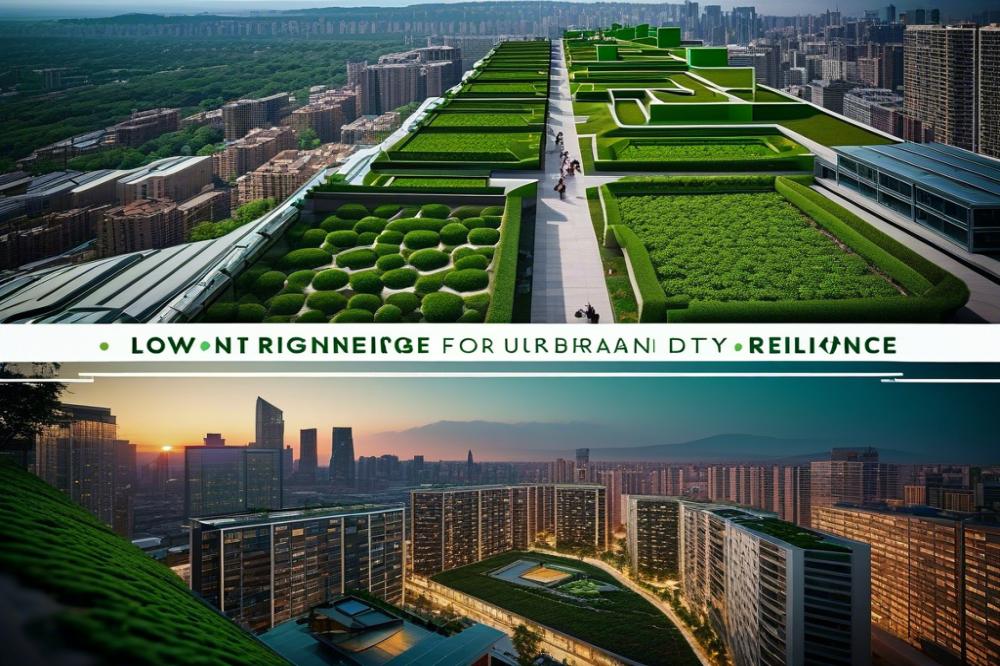
Low Impact Development plays an important role in effective stormwater management. Cities face challenges when heavy rain falls quickly. Traditional systems often lead to flooding problems. This approach uses innovative techniques to tackle such issues. By integrating sustainable methods, communities can manage water in a safer way.
One notable technique includes permeable surfaces. These materials allow rainwater to pass through. Instead of running off into storm drains, water seeps into the ground. This process reduces the volume of runoff, which helps lessen flooding. Another effective method is the use of bioswales. These landscaped elements manage water naturally. They filter pollutants and slow the flow of water, enhancing environmental conservation efforts. Power lies in using these techniques together for optimal results.
Urban flooding can be mitigated by adopting these practices. When implemented properly, LID can significantly lower the risk of severe flooding. More rainwater is absorbed into the soil. This not only prevents water from overwhelming drainage systems but also supports ecological restoration. With fewer floods, communities can thrive and grow sustainably.
Furthermore, adopting green infrastructure boosts climate adaptation. It brings nature back into urban planning. Engaging residents in these projects fosters community participation. People take pride in local green spaces which also boosts public awareness about the importance of stormwater management. Together, these elements create a more resilient urban environment.
In conclusion, using low-impact strategies transforms how we handle stormwater. The benefits of permeable surfaces and bioswales cannot be underestimated. They create opportunities for safer cities and enhanced flood mitigation. Building a sustainable future requires innovative thinking and strong community support.
Integration of Green Infrastructure in LID
Relationship between Green Infrastructure and LID
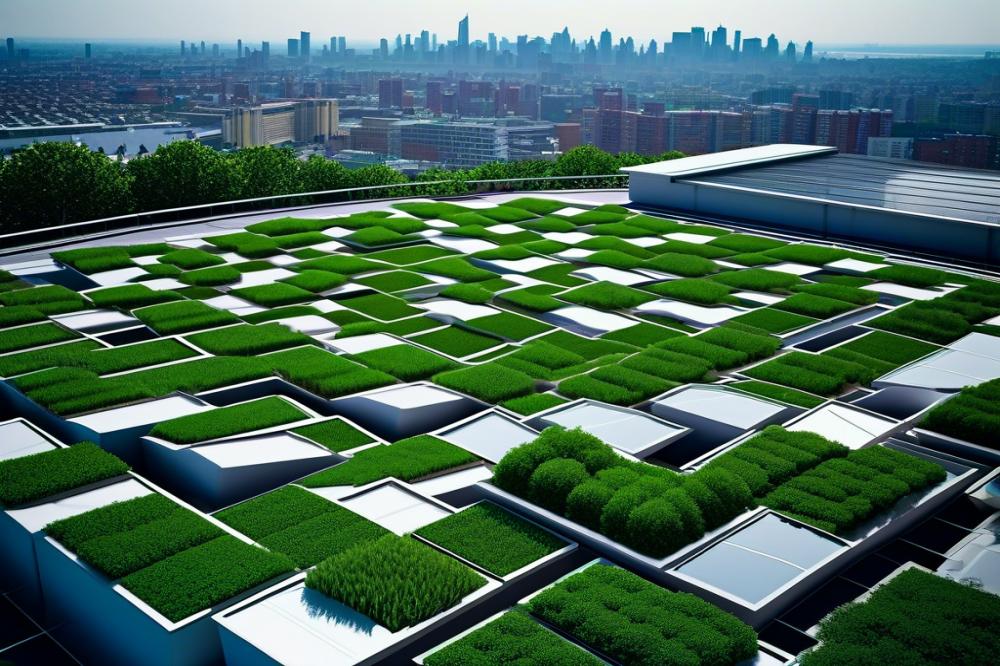
Green infrastructure and LID work together to improve urban environments. They share a common goal: to manage water naturally and reduce environmental impact. When cities implement green infrastructure within LID practices, they benefit from a more effective stormwater management system. Using both allows for a holistic approach to urban planning and climate adaptation. This relationship promotes sustainability and supports ecological restoration.
Examples of Green Infrastructure Practices
Several examples illustrate how green infrastructure can be applied. Rain gardens are one effective option. These gardens collect rainwater and allow it to soak into the ground. Green roofs, with their vegetation, help absorb rain and reduce heat. Permeable surfaces, like porous pavement, let water filter through instead of running off into storm drains. Community engagement is vital in designing these spaces, ensuring they meet the needs of residents. Urban forests can also enhance these initiatives, providing shade and improving air quality.
Benefits for Climate Adaptation and Urban Planning
Integrating green infrastructure into urban planning brings many advantages. It significantly helps with flood mitigation by absorbing excess rainfall. This approach also enhances biodiversity in city areas. More habitats allow wildlife to flourish, even in urban landscapes. Implementing these practices can reduce urban heat and improve residents’ quality of life. Furthermore, they promote environmental conservation through enhanced natural processes. By addressing these key issues, cities become more resilient to climate changes. Ultimately, embracing green infrastructure leads to healthier, more sustainable communities.
Ecological Restoration and Community Engagement
Ecological restoration plays a crucial role in Low Impact Development. This practice helps to revitalize local ecosystems. Restoring native habitats can improve biodiversity. It also enhances stormwater management by allowing rainwater to infiltrate the ground. Healthy landscapes are better equipped for flood mitigation. When cities utilize permeable surfaces, they reduce the risks of pollution. By replacing concrete with green infrastructures, communities can adapt to climate changes more effectively.
Importance of Ecological Restoration in LID Practices
Promoting sustainability is essential in urban planning. Communities benefit when they cultivate a connection to nature. Restorative measures can rectify environmental damages. Planting trees and establishing rain gardens can make neighborhoods visually appealing. Not only do these actions beautify spaces, but they also boost community morale. Healthy ecosystems filter pollutants and improve air quality. Thus, ecological restoration indirectly supports public health.
Community Engagement Strategies for LID Implementation
Effective engagement strategies are vital for successful implementation of LID practices. Community workshops bring people together. Such events can educate citizens about environmental conservation. Collaborative projects allow residents to participate actively. Incorporating local voices in decision-making is crucial. Surveys can gather valuable input about residents’ needs and desires. In these discussions, highlighting the benefits of green infrastructure will resonate. People tend to support initiatives that address their concerns.
Case Studies Highlighting Successful Community Involvement
Numerous case studies illustrate successful community participation. In one city, residents transformed an abandoned lot into a community garden. This initiative not only provided fresh produce but also strengthened neighborhood ties. Another example features a group that advocated for permeable pavement in their area. As a result, flooding issues decreased during heavy rains. These stories demonstrate the power of collaboration. They show that community-driven projects can yield significant improvements. Engaging people early helps to foster a sense of ownership and pride in their environment.
Challenges and Future Trends in LID
Adopting low impact development practices comes with various challenges. First, there is often a lack of awareness about these methods among local authorities and residents. Many people don’t understand how green infrastructure can improve stormwater management. Additionally, funding for projects is usually limited. Cities may prioritize other urgent needs, leaving sustainability efforts underfunded.
Another challenge arises from existing urban planning regulations. Current codes can be restrictive and fail to accommodate new, innovative designs. Adjusting these regulations takes time and cooperation among different stakeholders. Property owners may also be hesitant to change traditional practices, fearing increased costs. They might not realize that permeable surfaces can actually save money in the long run.
Future Trends and Innovations in environmental engineering
Looking ahead, several exciting innovations are emerging in environmental engineering. Smart technologies are making it easier to monitor and manage stormwater. Sensors can provide real-time data, helping cities respond quickly during heavy rainfall. In addition, ecological restoration projects are gaining traction. These initiatives aim to restore natural landscapes while also addressing urban needs.
Community engagement will play a critical role in these future projects. Involving local residents helps to create solutions that fit their unique environments. It fosters participation and ownership, crucial for success. Concepts like green roofs and urban wetlands are becoming more popular, too. They not only provide flood mitigation but also enhance urban spaces.
The Role of Policy and Education in Promoting LID
Policies supporting low impact development are essential for long-term success. Local governments must prioritize sustainability in their planning agendas. They should enact standards that promote green infrastructure, which can lead to enhanced community resilience. Education is equally important. Schools and organizations need to raise awareness about the benefits of these practices.
Training programs for professionals in urban planning can drive change in practices. Workshops can provide valuable knowledge about effective designs and techniques. Public outreach events can help demystify concepts like permeable pavements. Whether through social media or community meetings, sharing success stories can inspire action.
Ultimately, a collaborative effort among policymakers, educators, and citizens is crucial. Working together can lead to a more sustainable future, with cities better equipped for climate adaptation. Everyone has a role to play in this transformation. Together, we can build resilient urban environments that prioritize environmental conservation.
Wrapping Up: The Path Forward for Urban Resilience
Low-impact development plays a crucial role in building urban resilience. Cities face many challenges today, such as climate change and increased population density. Tackling these issues requires innovative thinking and practical solutions. By integrating sustainable methods into urban planning, communities can combat flooding and other environmental problems more effectively. This approach has the potential to improve water quality and enhance green spaces, making cities more livable.
Stormwater management is an important aspect of this strategy. Managing rainwater properly helps prevent pollution and reduces the burden on drainage systems. When cities use natural landscapes, like rain gardens and bioswales, they mimic how nature processes water. This method not only manages stormwater but also creates beautiful public spaces that people enjoy. A community that plans wisely today can protect itself from the uncertainties of tomorrow.
Looking ahead, the future of environmentally responsible practices in urban settings seems promising. More city planners and local governments are recognizing their benefits. As awareness grows, it’s likely that more projects will incorporate these ideas. Imagine a city where green roofs and permeable pavements are standard. Such a shift would enhance overall quality of life and resilience against extreme weather.
Overall, adopting low-impact solutions isn’t just smart; it’s essential. Every step taken toward these goals can make a difference. Sustainable development can create thriving urban environments that adapt to change. The journey may be long, but the positive outcomes are worth it. Let’s embrace these strategies for the well-being of future generations.


