
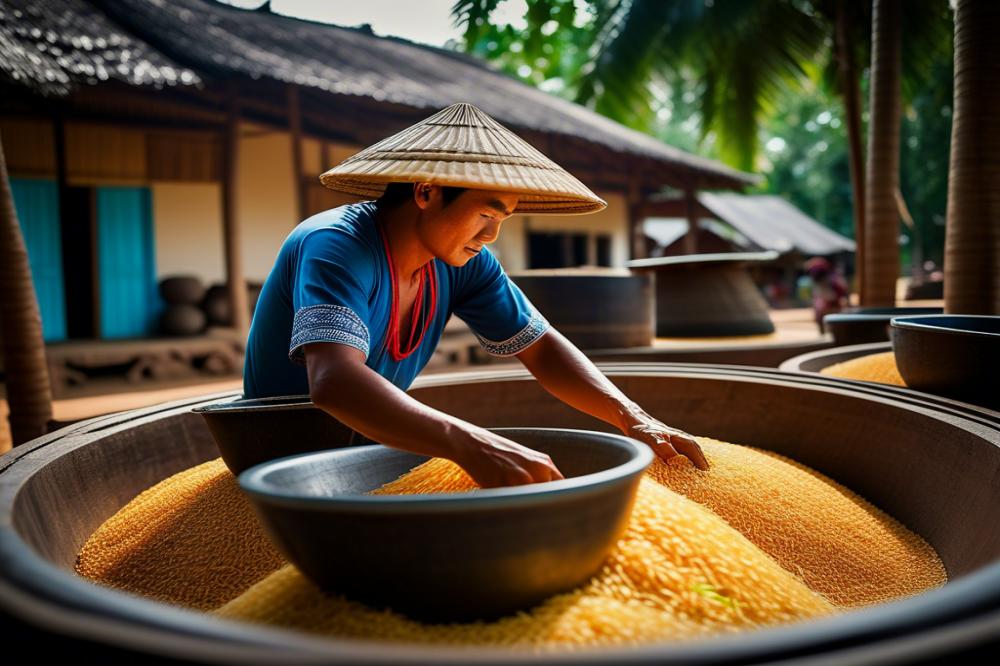
Mastering the Art of rice wine making in Cambodian villages
Rice wine holds a special place in the heart of Cambodian villages. The process involves traditional recipes that have been passed down through generations. Crafting this unique beverage is not just about the fermentation process; it symbolizes the essence of local culture. It reflects community traditions, where family and neighbors gather. Together, they share techniques that define their artisanal methods.
A variety of local ingredients enhances the flavor profiles of these handmade beverages. Each region showcases its special rice wine varieties, making it more than a drink. Instead, it acts as a connection to the past and a symbol of celebration for various festivities. During weddings and religious ceremonies, these drinks often take center stage. They embody cultural significance, bringing people together in joyous moments.
Interest in rice wine making has blossomed across Asia, leading to numerous courses available for enthusiasts. These learning experiences offer insights into traditional crafting techniques. People can explore the detailed fermentation process while experimenting with different recipes. Such courses not only promote the craft but also help preserve the heritage that surrounds rice wine. By engaging with this trade, individuals contribute to the ongoing legacy of Cambodian villages and their rich culture.
Rice Wine Making
Rice wine is a traditional beverage deeply rooted in Cambodian culture. Knowledge of how to create it has been passed down through generations. The significance of this craft extends beyond mere enjoyment; it serves as a social and ceremonial cornerstone within local communities.
traditional recipes Used in Villages
Village recipes often vary, reflecting the diverse practices of each community. These traditional recipes are not just about ingredients but also about storytelling. Ingredients like glutinous rice take center stage, transforming into fragrant, slightly sweet beverages. Each family has its own secret touch, be it spices or particular methods of preparation.
Local Ingredients That Enhance Flavor Profiles
Unique local ingredients play a crucial role in crafting these handmade beverages. Ingredients such as palm sugar, bananas, or even tree bark infuse distinct flavors. Many villagers gather herbs from nearby fields to add complexity and depth, ensuring each sip tells a story. Seasonal variations also contribute to different flavor profiles, creating a beautiful tapestry of tastes throughout the year.
Artisanal Methods Employed in the Crafting Process
Artisanal methods are key in the fermentation process. Villagers often employ age-old techniques, ensuring that every batch reflects meticulous care. The crafting techniques may involve using bamboo containers or earthen pots, which enhance the drink’s character. Hands-on involvement is essential; every stage from washing rice to the final fermentation requires patience and skill. Engaging with these community traditions fosters a sense of belonging, as villagers gather to partake in this time-honored practice.
Fermentation Process
The fermentation process plays a vital role in crafting traditional rice wine, particularly in Cambodian villages. Artisans begin with local ingredients, primarily sticky rice. Steaming this rice until it reaches the right texture is the first crucial step. After cooking, it cools down to a warm temperature before proceeding to the next phase.
In order to initiate fermentation, the cooled rice is mixed with a special starter known as ‘grol’ or ‘aschen’. This handmade mixture contains essential microorganisms. The fermentation process relies heavily on time and temperature. Warmer temperatures can accelerate the activity of yeast and promote a quicker fermentation. However, this speed might alter the final flavor profile.
Important Variables
Different villages utilize varied techniques in crafting their rice wine. Some may allow fermentation to last for only a few days, while others prefer weeks of careful observation. Variations in humidity also influence the process. Higher humidity can create a more subdued atmosphere for fermentation, allowing complex flavors to develop slowly.
Cultural Variations
Cultural significance strongly shapes these artisanal methods. Communities often pass down traditional recipes from generation to generation. In some places, festivals celebrate rice wine varieties, showcasing local craftsmanship. These gatherings not only promote handmade beverages but also strengthen community bonds.
Flavor profiles can differ significantly across regions. Villages use unique ingredients in their brewing efforts, shaping distinct tastes and aromas. Some even add herbal elements or fruits during fermentation, creating unexpected twists on traditional flavors. This practice reflects local tastes and ideas, emphasizing a community’s identity.
Cultural Significance
In Cambodian villages, rice wine holds a profound place in community traditions. Many people take pride in crafting handmade beverages using traditional recipes passed down through generations. The practice embraces local ingredients that reflect the region’s character and history.
Cultural events often feature these artisanal methods. Festivals and weddings showcase the different rice wine varieties and their unique flavors. Family gatherings become lively when rice wine is shared. It enhances the festive atmosphere, bringing people together.
The fermentation process plays a vital role in creating flavors. Each batch can taste different, showcasing the skills of the maker. Community members often come together to participate, learning crafting techniques and helping each other. This sharing promotes camaraderie and strengthens bonds.
Rituals frequently involve the consumption of rice wine. During ceremonies, handmade beverages might be offered to ancestors, showing respect and gratitude. Such practices reveal the cultural significance tied to the drink. It symbolizes hospitality and respect among friends and family.
Social gatherings rely heavily on rice wine. Celebrations are marked by laughter and storytelling, with rice wine being a central element. This enhances interactions, creating a warm and welcoming environment where stories can be shared openly. It bridges generations, allowing elders to pass down wisdom.
Overall, rice wine in Cambodia is more than just a drink. The art of its making encompasses tradition, community spirit, and cultural heritage. It reflects the rich fabric of life in Cambodian villages, engraving memories in the hearts of those who enjoy it.
Varieties of Rice Wine
Overview of Different Rice Wine Varieties Produced in Cambodia
Cambodia is home to a rich array of rice wine varieties. Each region has its own specialties. For instance, there’s a well-known white rice wine made from glutinous rice. Other versions utilize red or black rice. Villagers often craft these handmade beverages using traditional recipes passed down through generations. A focus on local ingredients shapes each version significantly. The methods may vary, but the love for rice wine unites communities.
Distinct Flavor Profiles Associated with Each Variety
Every rice wine variety boasts a unique flavor profile. Some offer a light, sweet taste while others present a stronger, more robust flavor. Nuances often come from the type of rice used. A light wine might have fruity undertones, while a darker one could reflect a deeper earthiness. Fermentation processes add further complexity. Time and temperature control influence the final outcome significantly. This diversity not only pleases the palate but also tells a story of the people who make it.
How Local Ingredients Influence the Uniqueness of Each Wine
Local ingredients play a crucial role in shaping rice wine. Villagers often infuse their brews with herbs and spices sourced from nearby fields or gardens. These additions result in exciting variations, from floral hints to spicy notes. Crafting techniques used in the fermentation process also enhance uniqueness. By employing artisanal methods, producers create distinctive wines that reflect regional characteristics. Cultural significance is woven into each bottle, showcasing the heart and soul of Cambodian community traditions. Each sip reveals a rich history rooted in local customs.
Crafting Techniques
In Cambodian villages, the art of making rice wine relies heavily on artisan techniques passed down through generations. Families share traditional recipes that highlight local ingredients and practices. Each step in this process reflects a deep-rooted connection to their cultural heritage. These dishes bring communities together, fostering bonds over shared experiences.
Handmade processes play a critical role in creating these beverages. Artisanal methods often vary significantly from one village to another. Craftspeople take pride in their individual approaches, resulting in diverse rice wine varieties. Many local producers use specific strains of rice, which can affect flavor profiles. For instance, some might choose sticky rice, while others prefer jasmine rice, each influencing the final product.
The fermentation process is intricate and requires patience. Villagers monitor temperature and time closely, understanding how these elements can transform the taste and aroma. Community traditions dictate not only the ingredients but also the timing of the harvest and production. Each step is deliberate, ensuring the utmost quality in every batch of rice wine.
Small changes in technique can lead to substantial differences in texture and flavor. Villagers often experiment with various methods, resulting in an array of distinct beverages. These variations add to the richness of local culture. They provide an opportunity for artisans to showcase their skills and creativity.
Certain regions may emphasize different aspects of making rice wine. Some areas might focus more on natural fermentation, while others opt for added flavorings. This diversity enriches the Cambodian landscape of handmade beverages. As a result, each producer’s rice wine tells a story, reflecting the heart of their community and its long-standing traditions.
Community Engagement
In Cambodian villages, communities play a vital role in preserving the heritage of rice wine production. Through generations, families pass down traditional recipes that hold deep cultural significance. These artisanal methods are more than just crafting beverages; they represent a way of life that connects people to their history. Local ingredients are often sourced from nearby farms, making each batch of rice wine unique to its village.
Engagement with visitors is a cherished aspect of this tradition. Locals welcome travelers to get hands-on experience in the fermentation process. Participants can discover how to select the right rice and learn about various rice wine varieties. Such interactions offer tourists a peek behind the scenes of community traditions. The experience truly deepens the appreciation for the craft.
For those eager to learn more, specific courses are available in many villages. Workshops cover crafting techniques and often include tastings to explore different flavor profiles. Aspiring brewers can understand the complexities involved in creating handmade beverages from scratch. These classes allow participants to immerse themselves in local practices while gaining valuable skills.
Engaging with communities in this way supports both the preservation of rice wine making and the local economy. Practical experience helps tourists feel connected while sustaining essential cultural practices. By participating in these activities, visitors not only learn but also respect the community’s dedication to their craft.
Final Thoughts on the Craft of Rice Wine
Cambodian villages hold a treasure trove of knowledge when it comes to brewing rice wine. This ancient craft combines age-old customs and local ingredients. Every step, from harvesting to the fermentation process, reveals the dedication of the artisans. Traditional recipes passed down through generations offer a glimpse into the rich cultural heritage of the region. Communities continue to thrive as people gather to create and enjoy this beloved drink.
Preserving these artisanal methods is crucial. Each village has its own way of making rice wine, reflecting its history and identity. When visitors engage with local producers, it not only supports their livelihoods but also fosters a deeper understanding of their traditions. Disappearing practices lead to a loss of cultural richness. Thus, efforts to safeguard these time-honored techniques are vital.
For those curious about the art of brewing, many courses across Asia can help. Learning from skilled artisans offers an immersive experience. Participants can gain hands-on knowledge while appreciating the nuances of the craft. Exploring this fascinating world encourages a greater connection to the culture. It also provides the chance to partake in a community that cherishes its heritage.


