Maximizing Small Spaces: Growing pole beans, squash, and Grapes on Vertical Supports
Small space gardening often poses a challenge. Many people living in urban areas or those with limited backyards struggle to grow plants effectively. Vertical Gardening serves as a solution, allowing gardeners to utilize height rather than just ground area. With the growing popularity of container gardening, more individuals are discovering how to grow food creatively in confined environments.
Cultivating pole beans, squash, and grapes on vertical supports brings several benefits. First, these crops can save precious ground space, freeing it up for other plants. They also enjoy improved air circulation and sunlight exposure when grown upward. This method can lead to healthier plants and higher yields. Furthermore, using trellises or other supports can enhance aesthetic appeal in gardens, adding vertical interest to what might otherwise be a flat landscape.
This article explores tips and techniques for growing these specific crops using supports. You’ll learn about the best types of vertical structures for each plant, how to space them properly, and essential care needs. Techniques suitable for small space gardening will also be highlighted, ensuring success in urban gardening endeavors. Prepare to maximize your growing area with insights on effective plant support methods for pole beans, squash, and grapes.
Understanding Vertical Gardening
Vertical gardening refers to the practice of growing plants upward rather than outward. This method is particularly useful in urban gardening, where space can be at a premium. Small areas can transform into vibrant gardens with proper techniques.
For those involved in container gardening, the benefits are clear. Vertical supports maximize limited space, allowing gardeners to cultivate a variety of crops. With this approach, plants like pole beans, squash, and grapes can thrive, providing both beauty and bounty. Cramming more plants into a smaller area can lead to a lush, productive environment.
Overview of Vertical Supports
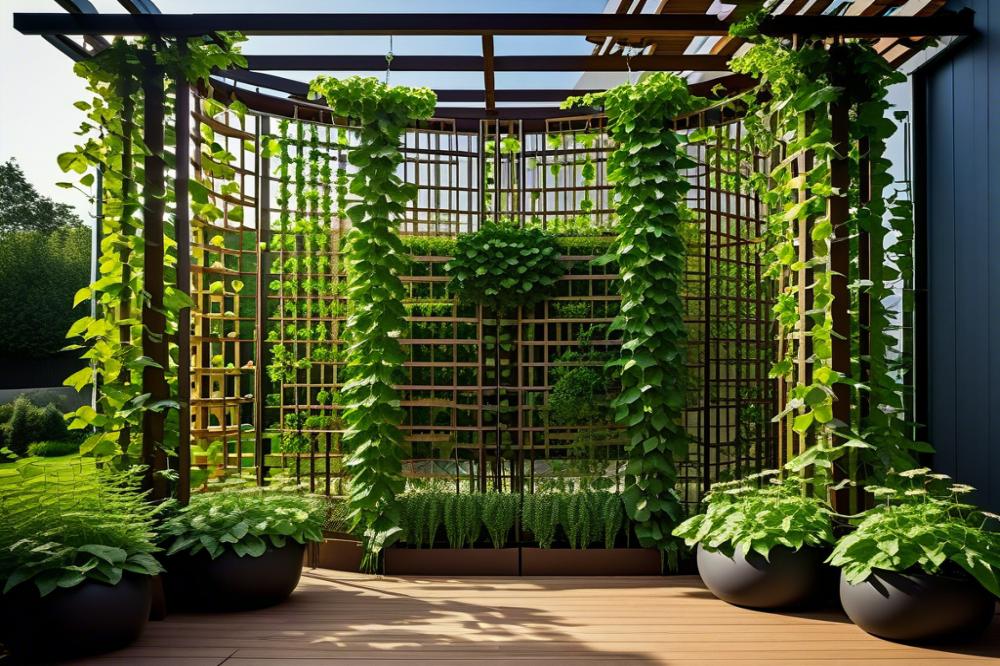
A wide variety of materials and designs exist for vertical supports. Trellises, for instance, are a popular choice. They come in many forms, from simple wooden structures to more elaborate metal designs. Some prefer using fences, which can double as a plant support while enhancing privacy in a yard.
Garden nets and strings also play a crucial role. These methods offer flexibility for climbing plants. Additionally, PVC pipes can be used to create custom supports for individual garden needs. All these options allow for creativity while meeting specific requirements of different plants.
In summary, embracing vertical gardening leads to a rewarding experience. Learning effective gardening tips makes it easier to grow a wider range of crops. This technique not only enhances the environment but also encourages sustainable gardening practices.
Choosing the Right Plants for Vertical Gardening
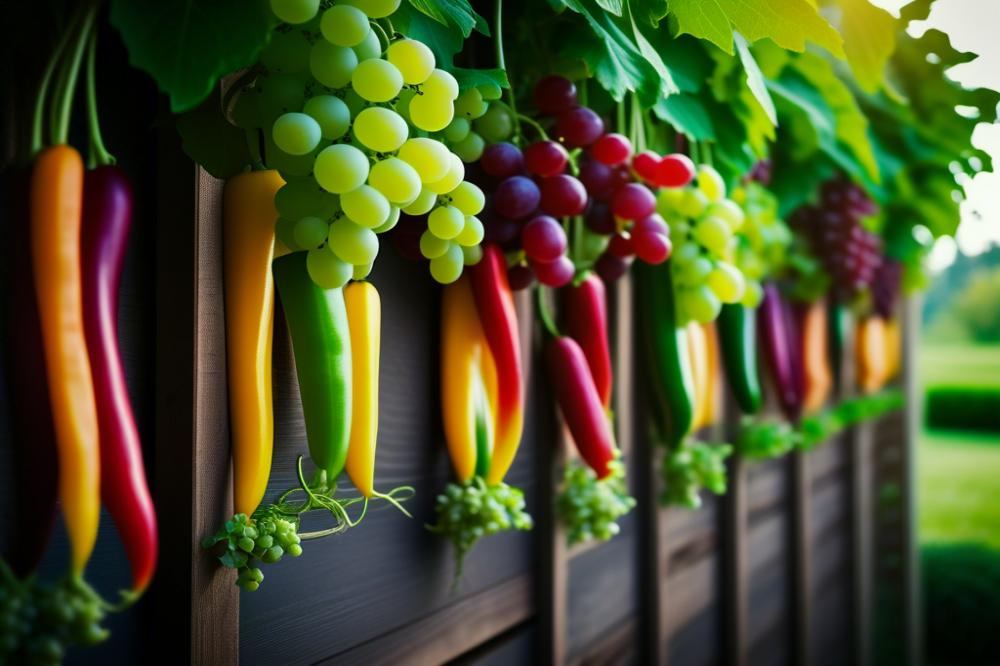
When it comes to maximizing small space gardening, selecting the right plants is vital. Pole beans are an excellent choice due to their climbing nature. Various varieties, such as Blue Lake and Kentucky Wonder, offer delicious options. Their growth habit is vigorous, reaching heights of up to 8 feet when given proper vertical supports like trellises.
Pole Beans: Varieties and Growth Habits
These legumes thrive in sunny conditions and are easy to maintain. Pole beans also produce a high yield, making them great for urban gardening. They can be sown directly into containers or garden beds, however, proper spacing is essential to promote airflow. Keep in mind that regular harvesting encourages continued production.
Squash: Selecting the Best Types for Vertical Growth
When considering squash, look for varieties specifically bred for climbing. Certain types, like the Butternut and Yellow Crookneck, can benefit from vertical supports. These plants not only save space but also help with airflow, reducing the risk of disease. Ensure you choose shorter vines for small spaces, as they easily adjust to trellis systems.
Grapes: Suitable Varieties for Small Spaces
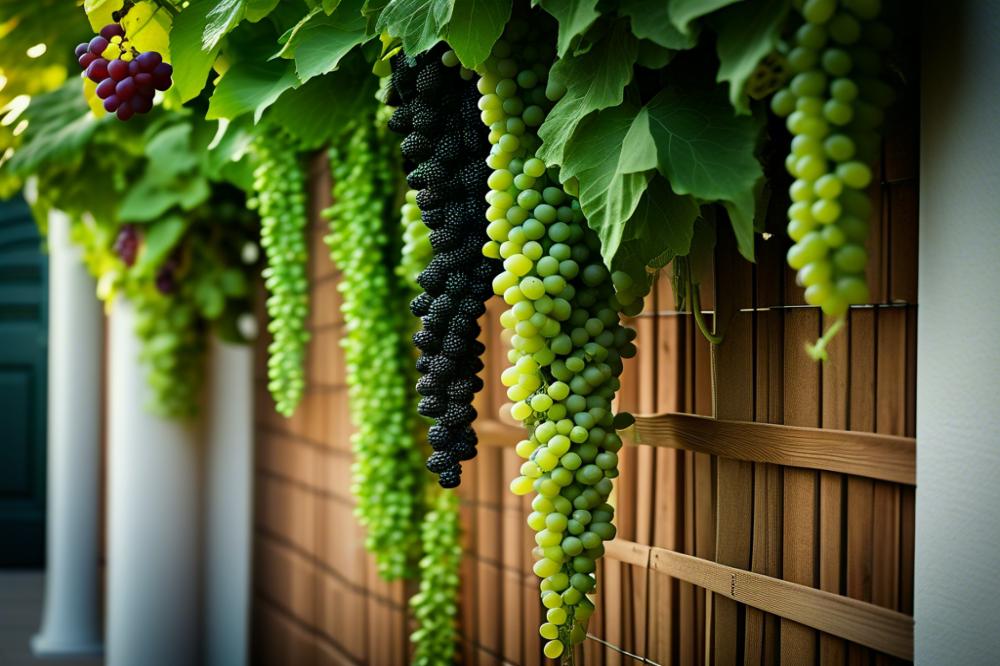
Grapes add beauty and productivity to any small garden. Some varieties, such as Concord and Marquette, do well in compact areas. These plants need sturdy support, as they can grow vigorous vines. Container gardening is often a great option for growing grapes in limited spaces. Just remember; grapes love sunlight, so position them wisely.
Considerations for Plant Compatibility and Support Needs
Understanding plant compatibility is crucial. Combine pole beans with squash, as they can share vertical supports without competing for space. However, grapes should be placed separately, as their extensive root systems may outgrow nearby plants. As you build your vertical setups, consider the structural needs of each plant. Adequate support prevents damage from heavy fruit and provides stability as they grow.
In small space gardening, the right choices lead to successful harvests. Follow these gardening tips, and you can create a thriving vertical garden, even in urban settings. Select your plants wisely and enjoy the benefits of vertical growth!
Implementing Vertical Supports
Types of Vertical Supports: Trellises, Arbors, and Stakes
Various types of vertical supports can aid in small space gardening. Trellises add height and capture sunlight effectively. They come in various materials like wood and metal. Arbors are a bit larger and can serve as an entryway to your garden. Stake systems provide lightweight support for quicker growing plants like pole beans and squash. Each option allows the vines to grow upwards, making the most of limited ground space.
How to Build or Purchase Effective Supports
Building your own supports can be straightforward and cost-effective. Use treated wood for a lasting trellis. If you’re not handy, many garden centers sell sturdy supports ready for use. Look for arbors that match your garden’s aesthetic and provide ample space for climbing plants. For container gardening enthusiasts, many portable options exist. Be certain to pick supports that fit the growth habits of plants like grapes and squash.
Placement Strategies for Optimum Sun and Air Circulation
Considering placement is crucial for healthy plants. Place supports where plants will receive full sunlight for at least six hours each day. Air circulation also plays an important role in plant health. Arrange your vertical supports with a few feet apart to prevent overcrowding. This allows airflow between plants, keeping them dry and less prone to diseases. In urban gardening, utilize walls or fences as additional support structures. Enjoy the benefits of small space gardening by thoughtfully integrating vertical elements into your layout. Effective planning can boost yields and enhance your gardening experience.
Planting and Care Techniques
Soil Requirements and Container Choices
Growing healthy plants starts with the right soil. For pole beans, squash, and grapes, a well-draining potting mix works best. Look for containers that have drainage holes. This prevents water from standing and causing root rot. Choose pots made from materials like plastic, clay, or wood. Each has its benefits. Clay can help regulate temperature, while plastic is lightweight and often cheaper.
Small space gardening offers flexibility. Consider using containers of different sizes. A larger pot is ideal for squash, as it needs more room. Pole beans can thrive in smaller containers, given the right support. Urban gardening can be enhanced with creative container choices.
Planting Techniques
When planting pole beans, use a trellis or any vertical support. These plants need something to climb. Sow seeds about an inch deep and space them a few inches apart. Squash requires more attention. Plant seeds directly into a larger container, ensuring ample space for sprawling. Grapes are a bit different. They need to be pruned carefully and should have a sturdy structure to grow on.
Timing is also key. Wait until the soil is warm before planting. Beans love warmth and should thrive in summer months. For squash, consider starting seeds indoors to get a head start. Grapes may take longer to establish, but they reward patience.
Watering, Fertilizing, and Maintenance Tips
Consistent watering is crucial for success. Always check the top inch of soil; if it’s dry, it’s time to water. During hot months, plants may need daily attention. Fertilizing should happen every few weeks. Use a balanced fertilizer that promotes healthy growth for fruits and vegetables.
Don’t forget about light. Ensure your plants receive enough sunlight, ideally six to eight hours a day. For containers, this may mean changing their location to catch those sunny rays.
Maintenance is vital for health. Regularly check your plants for any signs of distress. Prune excess growth on squash and grapes to promote airflow. Helping plants breathe can prevent many diseases.
Pest Management Strategies
Pests can be a major concern in any garden setup. Common pests for pole beans include aphids and spider mites. Consider using simple traps or natural remedies. Neem oil, for example, can deter unwanted insects. For squash, squash bugs are a known troublemaker. Hand-picking them can be effective if you catch them early.
Grapes often attract birds. Using netting can protect your hard-earned fruits. Early detection is key. Inspect plants weekly to catch issues before they escalate. In urban gardening, companion planting can be beneficial. Certain plants repel pests naturally, helping to manage any issues in your garden.
Vertical supports offer more than just space-saving benefits. They can also allow airflow, reducing the chance of mold and pests. Embrace the benefits of your urban garden. With proper planting techniques and attentive care, pole beans, squash, and grapes can flourish even in the tightest spaces.
Maximizing Yield in Limited Spaces
Small space gardening can be rewarding when done correctly. Using vertical supports transforms how we grow pole beans, squash, and grapes. Supporting these plants upward not only saves ground space but also increases sunlight exposure. When plants get more light, they tend to produce more fruit. Adding trellises or garden arches helps create this upward growth.
One effective technique to boost productivity is regular pruning. Trim back excess foliage to allow better air circulation. This practice prevents moisture buildup, reducing the risk of disease. In addition, fertilizing plants based on their needs encourages healthy growth. A balanced fertilizer works well for a variety of plants. Always read the instructions before application to avoid over-fertilizing.
Companion Planting Tips
Companion planting enhances both growth and flavor. Pairing pole beans with squash is a time-honored technique. Beans fix nitrogen in the soil, which benefits the neighboring squash. Both crops flourish together, maximizing use of space and resources. Adding marigolds can deter pests that affect these plants.
When growing grapes, consider their companions, like garlic or chives. These plants can improve grape flavor and protect them from harmful insects. Selecting the right companion plants creates a balanced ecosystem in your garden. Remember, not all plants thrive next to each other. Check guidelines to find suitable partners for each crop.
Using Vertical Space Effectively
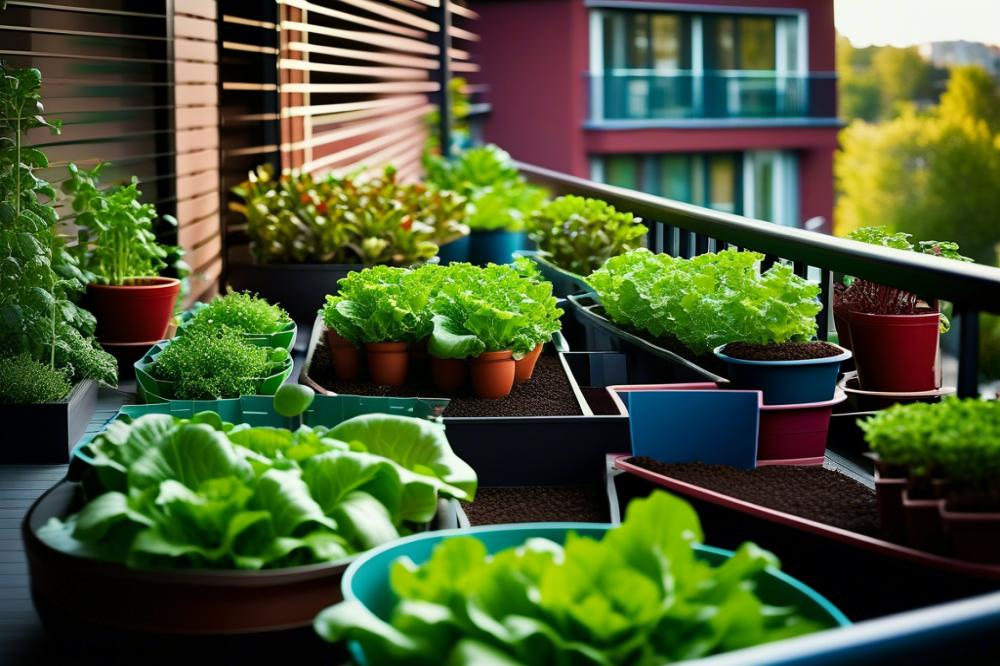
In urban gardening situations, every inch counts. Installing vertical supports allows plants to climb rather than spread out. Consider using wall-mounted planters or container gardening strategies. Utilizing pots on balconies or small patios creates thriving green spaces. Vertical gardening not only maximizes area but also adds beauty to otherwise bare walls.
Be mindful about spacing when planting. Leave enough room for plants to grow but not so much that you waste space. The ideal distance varies based on the type of plant. Pole beans require a sturdy support system, while squash sprawls more. Balancing these needs is key to a fruitful harvest.
Ultimately, understanding each plant’s requirement leads to better results. Maximize your harvest by choosing quality seeds. Healthy, vigorous plants produce better yields. With attention to detail and smart planning, even the smallest spaces can offer plenty in return.
Embracing the Vertical Garden
Recapping the benefits of growing plants like pole beans, squash, and grapes on vertical supports reveals a lot about the possibilities in small spaces. These crops take advantage of upward growth, leaving ground space free for other plants. Maximizing vertical gardening not only increases yield but also improves air circulation and light exposure. Healthier plants often result from these factors.
Small space gardening invites creativity. Feel free to try different arrangements and structures. Trellises, fences, or even old ladders can serve as excellent supports. Engage with nature by observing how your plants respond to their environment. Results can vary based on your choices, so don’t shy away from experimenting.
The joy of gardening vertically comes with numerous rewards. Watching pole beans climb and flourish can be immensely satisfying. Likewise, the vibrant colors of blossoming squash and grapes create a visually appealing environment. This activity fosters a sense of accomplishment and connection to nature. Each harvest becomes a celebration of your efforts.
Remember, gardening is about finding what works for you. Every small space has its unique potential. By embracing these techniques, you may discover a passion that enriches your life. Whether for food or beauty, vertical gardening opens doors to endless possibilities. So, grab some seeds, set up your supports, and start your gardening journey today!