
Exploring the Heart of Manta’s Fishing Industry
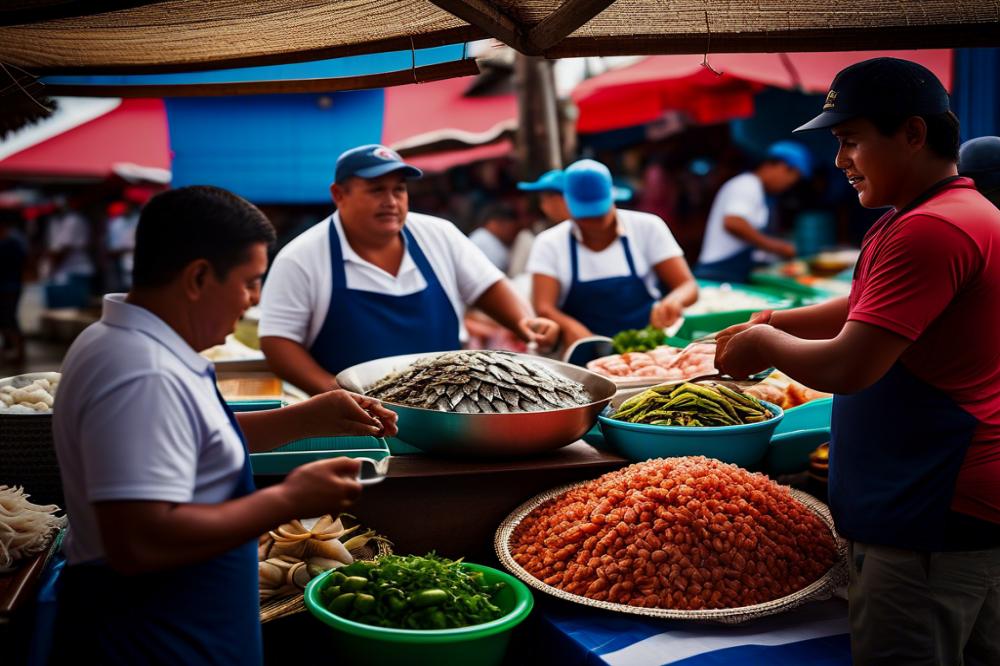
Manta, Ecuador, is known across the world as the tuna capital. This bustling coastal city boasts the Mercado de Mariscos, a vibrant seafood market that showcases the best local catches. Shoppers and tourists flock here to experience the rich flavors of the ocean. Fresh fish, especially tuna, is at the forefront of the culinary scene.
The fishing industry plays an important role in Manta’s economy. Skilled fishermen head out daily to bring back diverse marine life. Locally caught tuna, shrimp, and other seafood support the community. People often rely on these resources not just for income, but also for food. Local cuisine thrives on these fresh ingredients, making Manta a hub of culinary tourism. Visitors can enjoy traditional dishes that highlight the bounty of the sea.
Sustainable fishing practices help protect marine life for future generations. This commitment to the environment is vital in maintaining a flourishing seafood market. Tourists and residents alike celebrate Ecuadorian culture through seafood dishes that reflect the heritage of the region. With each visit to the market, one can sense the deep-rooted connection between the community and the ocean. The Mercado de Mariscos stands as a testament to this relationship. It is more than just a place to buy fish; it is a celebration of life along the coast of Manta, Ecuador.
The Heart of Ecuadorian Seafood

In the vibrant city of Manta, the Mercado de Mariscos stands as a bustling hub for seafood lovers. This market is located near the coastline, providing easy access for both locals and tourists. It serves as a showcase of Ecuador’s rich marine life, particularly known for its incredible range of fresh fish, with tuna taking center stage.
Visitors can find many stalls, each brimming with the day’s catch. Fishermen bring in their haul, displaying their products in an array of colors and sizes. Seafood lovers will delight in the sight and smell of fresh tuna, shrimp, octopus, and countless other marine treasures. The market is famous for its high-quality offerings, ensuring that chefs and home cooks alike can find what they need for their recipes.
The atmosphere is lively, filled with chatter and the sounds of bustling activity. Vendors call out to customers, inviting them to try their products. Shoppers haggle for the best prices, creating a dynamic environment that reflects both the fishing industry and Ecuadorian culture. It’s an everyday scene that brings people together over a shared passion for local cuisine.
Daily activities include not only shopping but also sampling delicious seafood dishes. Locals often prepare their catch right on-site, showcasing the freshest flavors found in Ecuador’s culinary tourism. Many stalls offer cooked meals, allowing visitors to taste the delights of Manta without needing to go far.
Ecuador’s commitment to sustainable fishing practices is evident in the market’s operations. Fishermen follow guidelines to protect the marine ecosystem while delivering the freshest seafood. This practice not only helps preserve marine life but also supports the fishing community. Manta’s seafood market is a model of responsible sourcing, making it a fantastic place for conscientious consumers.
Tuna: The Star of Manta
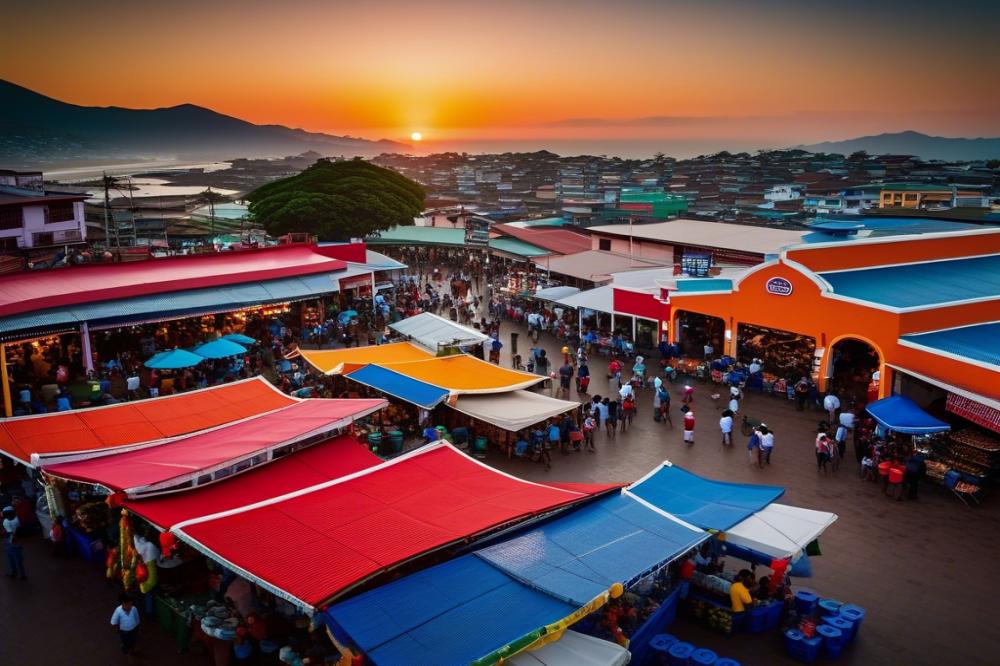
Tuna plays a crucial role in Manta’s fishing industry. As the self-proclaimed tuna capital of Ecuador, this vibrant port city boasts a long history with this beloved fish. A variety of tuna species can be found in the rich waters off the coast. Yellowfin and skipjack are among the most common types. These species bring not only economic benefits but also a lively culinary scene.
Fishing practices in Manta often focus on sustainable fishing to protect marine life. Local fishermen use artisanal methods that honor the sea while keeping traditions alive. This approach helps maintain the balance of the ecosystem. Fishers head out early in the morning, bringing back fresh fish that locals cherish. The market showcases their daily catch, including the prized tuna.
Local cuisine celebrates tuna in multiple ways. Popular dishes are often simple yet bursting with flavor. Ceviche de atún stands out as a favorite, mixing fresh tuna with lime juice, onions, and cilantro. This delicious dish reflects the essence of Ecuadorian culture. Grilled tuna steaks are also common, seasoned with local spices and served with rice and plantains.
Culinary tourism has also flourished in Manta thanks to its seafood market. Visitors flock to discover the delights of the ocean’s bounty. Many try their hand at making traditional dishes using fresh tuna. Cooking classes and tasting tours immerse them in the local food scene. The connection between the community and the sea shines brightly in every bite.
Tuna remains a symbol of Manta’s identity. It represents the city’s strong ties to the fishing industry. Markets bustle with activity, as locals and tourists alike buy and sell this delicious fish. Through the years, tuna has become more than just a meal; it’s a celebration of culture and community.
Sustainable Fishing Practices
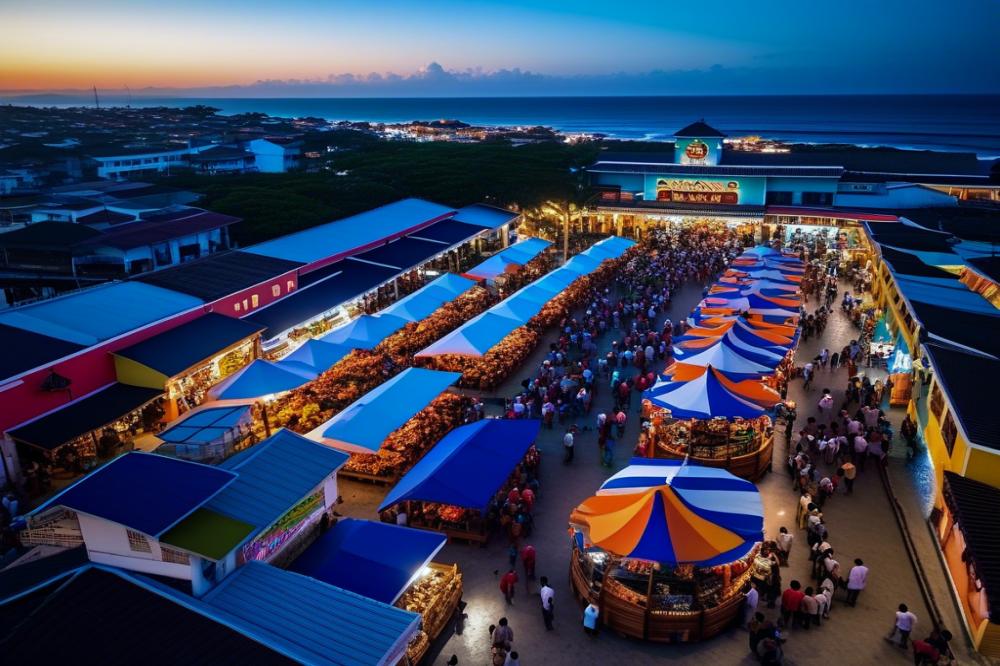
The fishing industry in Manta, Ecuador, is more than just a source of income; it plays a vital role in local culture. Fishermen in this area are deeply aware of their environmental responsibilities. They have implemented sustainable fishing practices to protect marine life while still meeting economic demands. Efforts include using eco-friendly nets and methods that minimize bycatch. With these practices, local fishermen guarantee a balance between harvesting seafood and conserving the ocean’s resources.
Marine stewardship is a priority for many in the community. Fishermen have formed cooperative groups focused on training and education about sustainable practices. This network helps to share knowledge that benefits everyone involved in the fishing trade. With better techniques, fish populations can remain healthy, securing the livelihoods of those who depend on this industry. Local cuisine flourishes as freshly caught tuna finds its way to the market, sustaining not just fishermen but local chefs and restaurant owners too.
Culinary tourism is also impacted by responsible seafood sourcing. Tourists enjoy authentic dishes, showcasing the area’s rich fishing heritage. They seek out not just flavor but a story behind their meals. The knowledge that fish is caught sustainably enhances their dining experience. Word spreads quickly about how the community cares for its marine resources. Visitors leave with memories of Ecuadorian culture intertwined with fresh fish delights.
In summary, sustainable fishing practices are essential in Manta’s quest to maintain its status as the tuna capital. Fishermen manage to harmonize economic needs with ecological responsibilities. The benefits of these practices extend far beyond the market stalls. A healthier ocean leads to better seafood, which enriches local cuisine and draws in culinary tourists looking for a true taste of the region.
Culinary Experiences at the Market
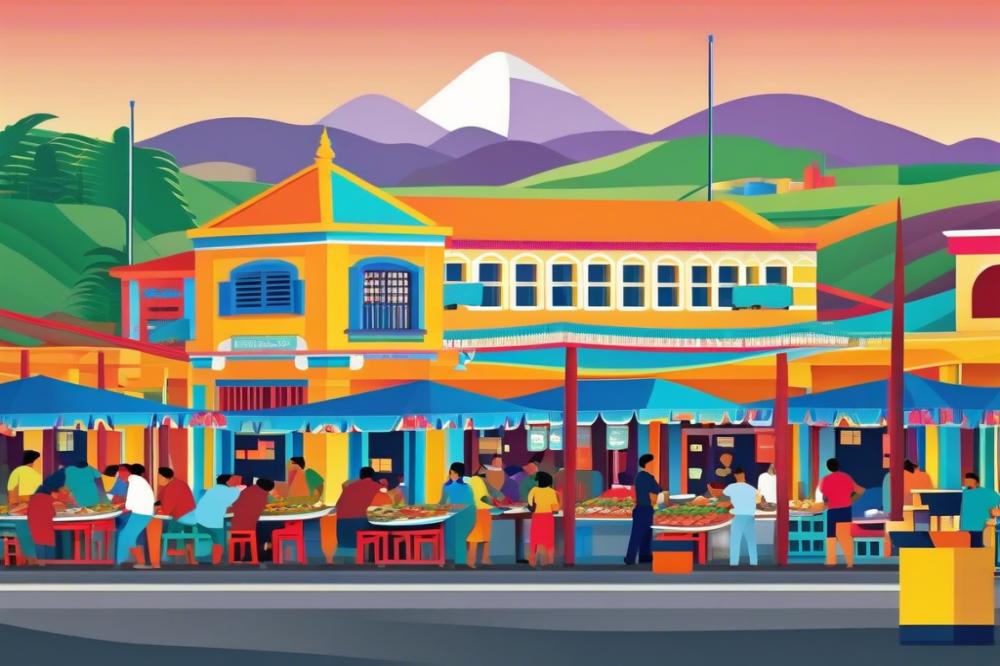
Visiting the Mercado de Mariscos in Manta is like stepping into a food lover’s paradise. This seafood market is celebrated as the tuna capital of Ecuador. Here, the vibrant atmosphere draws in locals and tourists alike. The aroma of fresh fish fills the air, hinting at the delicious culinary adventures waiting inside.
Stalls overflow with a variety of marine life. Vendors proudly display their catches of the day, showcasing the freshness that Ecuadorian cuisine is known for. Tuna takes center stage, but many other delectable options await. Try the ceviche, made from raw fish marinated in citrus juices. It’s a refreshing dish that perfectly captures the region’s flavors.
Don’t miss the opportunity to sample the traditional dish of encebollado. This hearty fish soup is infused with onions and spices, providing a warm embrace on any day. Another must-try is the grilled fish, seasoned simply to allow the natural flavors to shine. Each bite reflects the fishing industry’s commitment to sustainable fishing practices.
For seafood lovers, the market is a treasure trove. Shrimps, octopus, and a variety of shellfish are available, making every visit a new experience. Many vendors are eager to share their knowledge about the dishes, making it easy to engage with Ecuadorian culture. Ask questions, and learn about the different types of fish and cooking methods.
As you explore, take a moment to enjoy a refreshing drink. A glass of fresh coconut water or fruit juice can perfectly complement the rich flavors of the food. Remember to savor every bite. Culinary tourism is thriving here, and visitors can partake in this vibrant experience.
Be sure to arrive hungry. Choosing what to try can be overwhelming. With so many options, each dish offers a glimpse into the local cuisine that defines the coastal region. Explore the market, chat with the vendors, and enjoy the freshest seafood you can find.
Cultural Significance of the Mercado
Ecuador is famous for its rich marine life. Every day, people come to the seafood market to buy fresh fish. Tuna is one of the most popular catches. It plays a vital role in the local cuisine. From ceviche to grilled dishes, tuna delights many taste buds.
Traditions run deep in the fishing industry. Families have passed down their knowledge for generations. Fishermen still use age-old techniques alongside modern methods. This blend reflects the community’s respect for the ocean. Sustainable fishing practices are becoming more common. Locals understand the importance of caring for marine life. They want to protect their resources for future generations.
The seafood market serves as a social hub. Neighbors greet each other while shopping. Conversations about the day’s catch spark excitement. Tourists visit just to experience the lively atmosphere. Culinary tourism is on the rise, and many want a taste of real Ecuadorian culture.
Delectable dishes made from fresh ingredients attract visitors. Each vendor showcases their unique products. Many stand proudly displaying vibrant displays of fish and shellfish. These interactions enrich the local community. The Mercado serves not just as a place to shop, but as a space for sharing stories and traditions.
Ecuadorians celebrate the abundance of their seas. The role of seafood in their society is immense. Communities bond over meals prepared from the ocean’s bounty. Events focusing on local flavors foster pride in their heritage. This market is a key part of what makes the tuna capital so special.
Final Thoughts on the Mercado de Mariscos de Manta
The Mercado de Mariscos de Manta truly stands as a cornerstone of culinary tourism in Ecuador. This vibrant seafood market offers an authentic glimpse into the identity of local fishing culture. One can immerse themselves in the rich flavors and traditions that shape the region’s cuisine, particularly with the beloved tuna found in many dishes. Visitors enjoy not just fresh catches, but also the chance to witness the hustle and bustle of daily life around the market.
Beyond just a place to buy fish, this hub connects people. Families gather to share meals inspired by the day’s fresh haul. Tourists find themselves captivated by the colorful stalls brimming with marine delights. Each moment spent here reveals something new about Ecuador’s history and culinary heritage. The market showcases the depth of the fishing industry, inviting anyone who walks through its doors to appreciate the work that goes into these delicacies.
Connecting with local culture happens effortlessly in Manta. Engaging with vendors and tasting fresh seafood creates memorable experiences. Travelers leave with a deeper appreciation of the country’s resources. A trip to this market isn’t just about food; it’s an opportunity to feel the heart of Manta. Encountering the flavors, sounds, and aromas is an unforgettable adventure. So why wait? Plan a visit and discover for yourself what makes this seafood market a treasure. Your taste buds will thank you!


