
Introduction
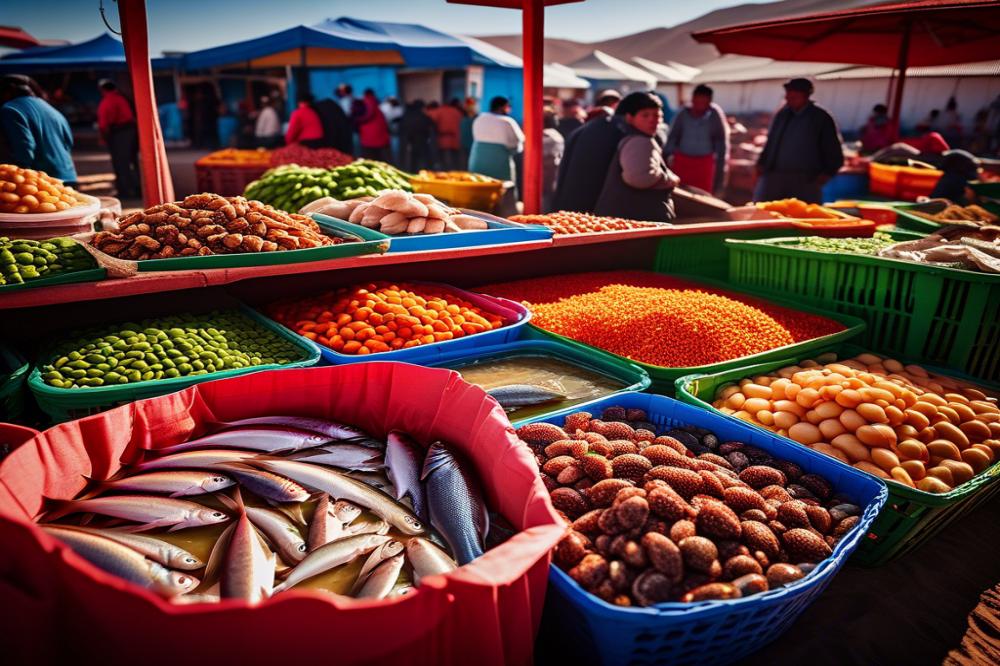
Culinary travel captivates many, offering a chance to explore diverse flavors and cultures. Food markets play a vital role in this journey. They aren’t just places to buy ingredients; they are the heart of local cuisine. Bustling with energy, these markets reflect the traditions and daily lives of the people. Seafood markets, in particular, highlight the connection between communities and their aquatic resources.
Nestled in the arid landscape of northern Chile, the Mercado de Pescados is an exceptional destination. This market showcases the region’s fishing culture amidst a desert economy. Visitors can discover fresh local fish, including varieties found only in the Andean waters. Each stall presents a vibrant array of seafood, all sourced from sustainable fishing practices.
Experiencing the Calama fish market becomes more than just a shopping trip. It’s about immersing yourself in a unique market experience. Here, the pulse of the desert meets the bounty of the sea. Travelers not only savor delicious dishes but also engage with the stories behind the food. For those seeking flavor and culture, this market is a must-see in Chile.
The Calama fish market
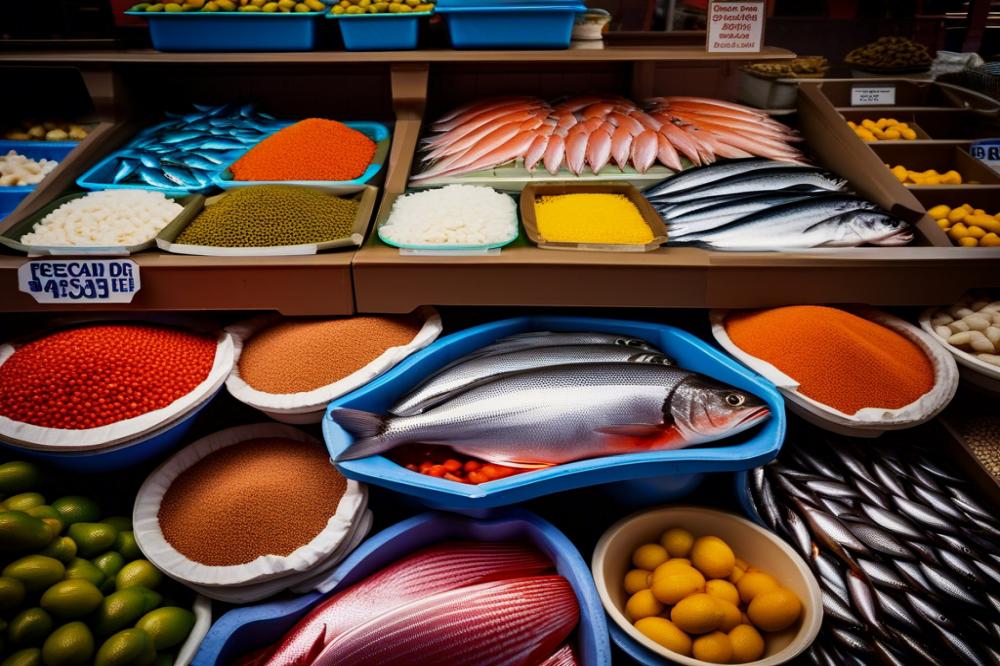
The Mercado de Pescados in Calama, Chile, serves as a vital hub for the local community. This vibrant marketplace plays a crucial role in connecting residents with fresh seafood. Visitors can find an array of catches, reflecting the region’s rich fishing culture. From the bustling atmosphere to the delightful scents, the market offers an unforgettable experience. The lively banter between vendors and shoppers adds to the charm.
Various types of seafood are available, including clams, mussels, and shrimp. Local fish varieties such as the famed Andean trout draw attention. These fish thrive in the fresh waters nearby, showcasing the area’s unique ecological balance. Fermented foods and traditional dishes often highlight the catch of the day. People enjoy the fresh flavors that characterize this desert economy.
Walking through the Mercado de Pescados, you’ll feel the energy of Calama. The colorful stalls display glimmering fish and shellfish, attracting curious visitors. Vendors take pride in sustainable fishing practices, ensuring the future of local fish populations. Shoppers can engage with the sellers, learning about the origins of their seafood. This interaction enhances the overall market experience.
Local recipes often emphasize the unique flavors of seafood found in this desert setting. Many families incorporate these dishes into their daily meals. Newcomers can explore different preparations and taste fresh products. Sensory delights abound, with sounds, sights, and aromas mingling. It’s an inviting atmosphere that creates lasting memories for all.
Fishing Culture in the Desert
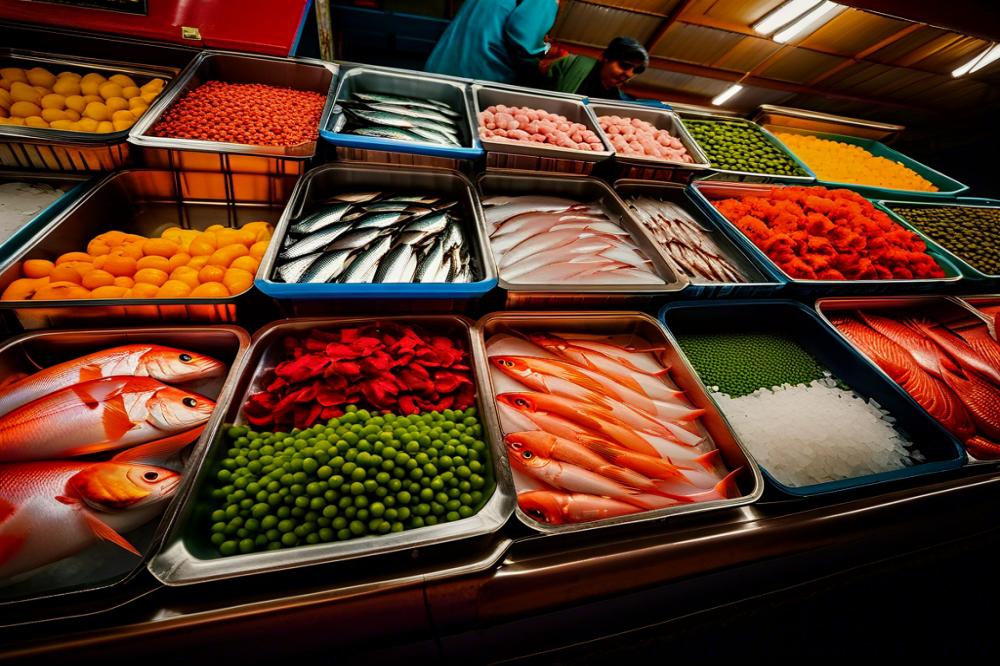
The fishing culture in Calama is fascinating. Located in one of the driest places on Earth, this region adapts fishing practices to fit its desert economy. Local fishermen have developed techniques that blend tradition with modern innovation. They often focus on Andean fish species, which thrive in the nearby rivers.
Many locals rely on sustainable fishing methods. These practices not only protect the fish populations but also support the entire ecosystem. For instance, fishermen use nets made from natural materials, which minimize harm to surrounding wildlife. Sustainability is a principle deeply rooted in the fishing culture here.
At the Mercado de Pescados, visitors can engage with this rich tradition. The market experience itself is lively and vibrant. One can find a variety of seafood options that reflect the local fishing practices. Different stalls offer fresh catches, prepared and ready to enjoy. The diversity in seafood showcases the skills of the fishermen and their adaptability.
Modern techniques have also made an impact. Some fishermen now use gadgets to locate fish schools more efficiently. This technology allows them to catch more fish without depleting resources. However, many still honor traditional practices, which have been passed down through generations. They use methods like fishing by hand or setting traps, which connect them to their heritage.
In Calama, fishing is more than just a job; it’s a way of life. Families often gather to participate in this communal activity. The knowledge of fishing shapes the identity of these communities, anchoring them in their desert environment. As they continue to adapt, the spirit of the local fish remains a vital part of their culture.
Sustainable Fishing Practices
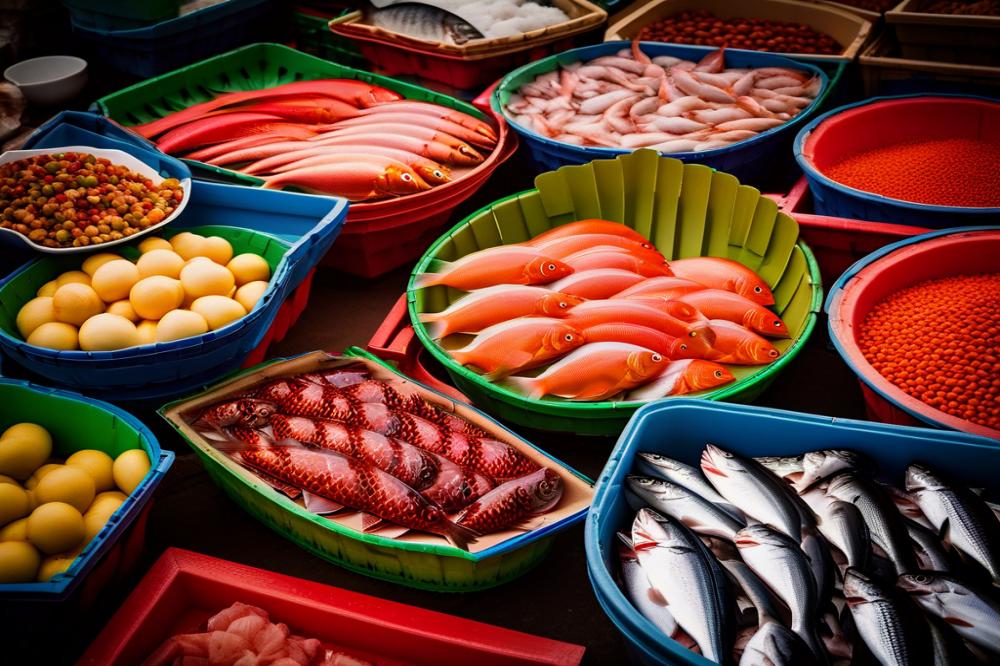
At the Mercado de Pescados in Calama, Chile, sustainable fishing is a top priority. This commitment to eco-friendly practices helps protect local marine life. The fishing culture here is deeply connected to the broader desert economy. Fishermen understand the importance of maintaining healthy fish populations. Without these efforts, future generations may lose access to valuable seafood.
Local initiatives focus on catching Andean fish in a responsible manner. Community members are educated about the impact of overfishing. Workshops and seminars promote techniques that limit environmental damage. These practices not only safeguard resources but also improve the market experience for buyers. Consumers can trust that the seafood they purchase contributes to sustainability.
Collaboration between fishermen and environmental groups is vital. Working together ensures that marine ecosystems are preserved. People in the community see the benefits too. Healthy fish stocks lead to better catches, boosting the local economy. When fishermen thrive, the entire market flourishes.
Sharing knowledge and resources strengthens this commitment. Fishermen often exchange tips on practices that work best. In return, they receive support to access sustainable tools and equipment. By keeping lines of communication open, the Mercado de Pescados can maintain a thriving fish market. These joint efforts showcase a commitment that extends beyond just profit.
Ultimately, sustainable fishing efforts in Calama enhance both the environment and people’s lives. Protecting marine resources creates a balance that benefits everyone. When consumers choose locally sourced seafood, they support a model that values responsibility and care. This thoughtful approach ensures that the legacy of fishing in the desert continues for years to come.
Culinary Delights and Local Cuisine
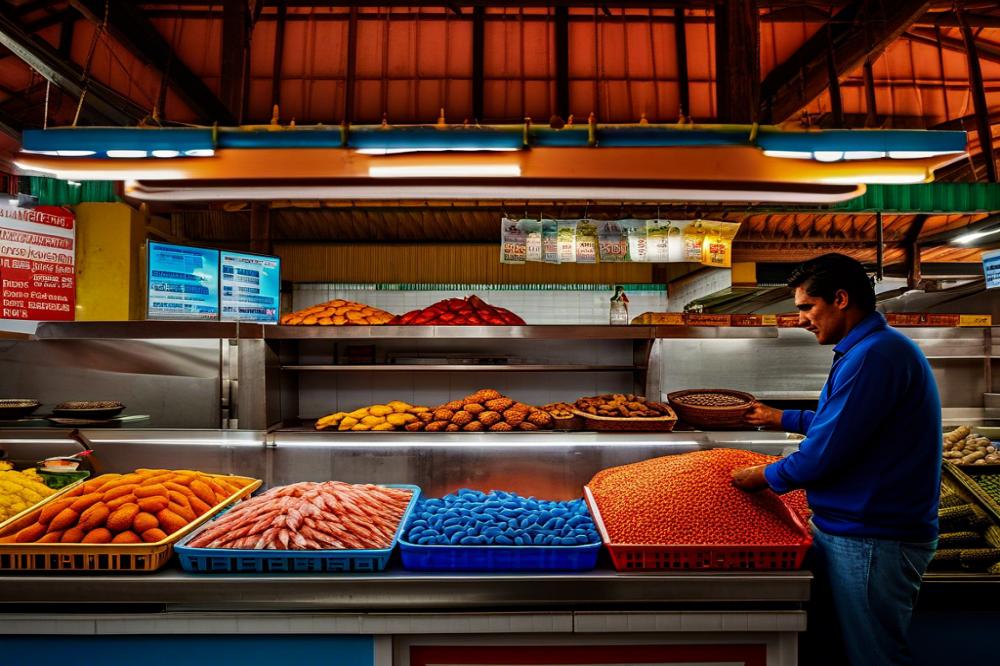
The Mercado de Pescados in Calama, Chile, is a treasure trove for seafood lovers. This vibrant market offers a range of fresh local fish, brought in daily by fishermen dedicated to sustainable fishing practices. Walking through the market, one can hear the sounds of vendors calling out, inviting you to taste the freshest delicacies of the desert economy.
Many popular seafood dishes are inspired by the rich traditions of Andean cooking. Ceviche is a fan favorite, where fresh fish is marinated in citrus juices and spiced with local herbs. Each bite bursts with flavors, reflecting the depth of the region’s culinary heritage. Another dish to try is the grilled trout, seasoned perfectly and served with a touch of Andean grains.
Restaurants around Calama take pride in their unique fusion of flavors. Chefs skillfully blend traditional cooking techniques with modern influences. Diners can expect a variety of offerings, from spicy fish stews to fresh fish tacos. The atmosphere in these eateries is often lively, filled with locals and visitors enjoying the culinary wonders.
The fishing culture in Calama is more than just a way to fill bellies. It’s a part of the community, connecting people to their land and traditions. Locals are passionate about their seafood and work hard to share it with others. This sense of pride is evident in every dish served.
Dining at local establishments offers a distinct market experience. Many chefs source their ingredients directly from vendors at the Mercado de Pescados. This direct connection ensures freshness and supports local fishermen. Tasting the dishes is a journey through the flavors of Calama’s unique ecosystem.
Every visit to these restaurants can reveal new tastes. Diners can savor seasonal catches that reflect the local fish available. Such dedication to fresh ingredients guarantees that meals are not only delicious but also sustainable. Culinary adventures await in Calama, where the seafood is both a delight for the palate and a celebration of cultural heritage.
Market Experience
Visiting the Mercado de Pescados in Calama, Chile, is a must for every traveler. This vibrant fish market offers an authentic glimpse into the local seafood culture. You’ll be welcomed by the bustling sound of vendors calling out to customers. In this place, the fishing culture thrives despite being in the heart of the desert.
Start your journey at dawn. You’ll witness fishermen bringing in their fresh catches from the early hours. Their smiles reveal the pride they take in their work. Look for booths with the day’s freshest selections, particularly Andean fish varieties. A mix of colors and scents greets you as you walk through the aisles.
Take a moment to talk to the fishmongers. They are friendly and eager to share stories about their trade. Ask them about their sustainable fishing practices. Local fish thrives here, and you’ll learn how the fishing community supports the desert economy. Connecting with locals builds a deeper understanding of this region.
While browsing, don’t miss the opportunity to taste some samples. Many vendors offer small bites showcasing their seafood. You might try a ceviche made from local fish, seasoned to perfection. This dish is a highlight and a favorite among many visitors.
Picking up a few items to take home is highly recommended. Fresh seafood, spices, or local specialties make great souvenirs. You won’t find these goods easily elsewhere. Support local vendors by purchasing their incredible products. They are thrilled when tourists appreciate their craft.
This fish market is more than just a shopping spot. It reflects the daily lives of the people in Calama. The market experience embodies the spirit of the community. Watching the interactions between vendors and customers gives insight into local traditions. Appreciate the vitality that this market brings to the area.
Remember to observe and respect the customs. Say “hola” when greeting the vendors. A little effort goes a long way in building rapport. It shows that you value their hard work and dedication.
In summary, plan your visit strategically to make the most of your experience at the Mercado de Pescados. Early mornings bring the best opportunity to see the action unfold. The fusion of culture, flavor, and excitement makes this market a standout destination in the desert.
Final Thoughts on Calama’s Hidden Seafood Treasure
The Mercado de Pescados stands out as a true jewel in the midst of the arid landscape of Calama. It serves not only as a marketplace but also as a vibrant hub of local culture. Visitors can experience the lively exchanges between fishermen and shoppers, giving a glimpse into everyday life in this desert town.
This destination offers fresh seafood straight from the Pacific Ocean, making it a culinary delight. Travelers will discover an array of fish and shellfish that many might not encounter elsewhere. Bright colors and enticing aromas create an unforgettable atmosphere where locals and adventurers mingle.
Sampling regional dishes at the market can be a culinary journey for any food lover. Each bite tells a story of tradition and flavors that are closely tied to the land and sea. Enjoying these fresh offerings provides a taste of life here, enriching any travel experience.
Exploring the Mercado de Pescados gives travelers a chance to connect with the people of Calama. Understanding their passion for fresh ingredients and local cuisine can deepen appreciation for this remarkable place. It becomes clear that this market is more than just a spot to buy fish; it reflects the heart of the community.
If you’re seeking an adventure away from the crowds, consider this hidden gem. Experiences await that are sure to make your journey memorable. Don’t miss the opportunity to visit the seafood market in the desert and discover the flavors and stories it holds.


