

Overview of Culinary Travel Adventures
Exploring new places often includes the thrill of discovering unique flavors and culinary traditions. Culinary travel has become a sought-after adventure for many. Travelers crave experiences that immerse them in local cultures through food. Markets in different regions showcase these rich culinary stories, offering a glimpse into the heart of a community. Visitors get to taste authentic dishes and learn about ingredients that might be new to them.
Welcome to the fish market in Sucre, Bolivia
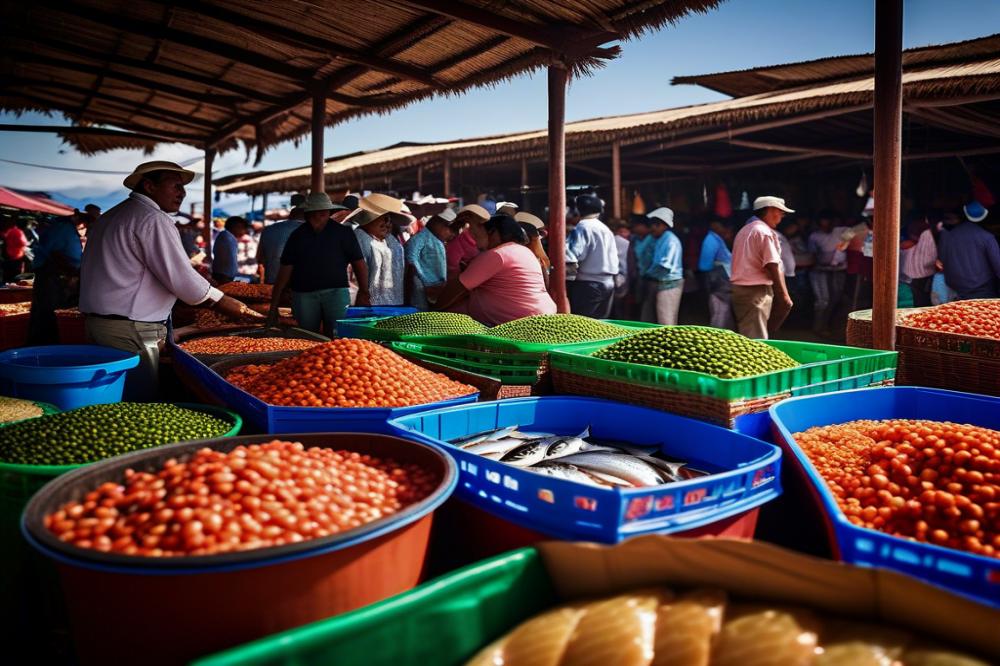
In Sucre, Bolivia, a vibrant fish market serves as a remote hub for seafood lovers. This market brings together the best of local fisheries in one bustling location. Shoppers can find an array of fresh fish and shellfish, sourced from nearby waters. The lively atmosphere buzzes with vendors and customers, exchanging not just goods but also stories. Here, the community thrives on sustainable fishing practices that support both environmental and economic health.
The Significance of fish markets in Local Culture and Cuisine
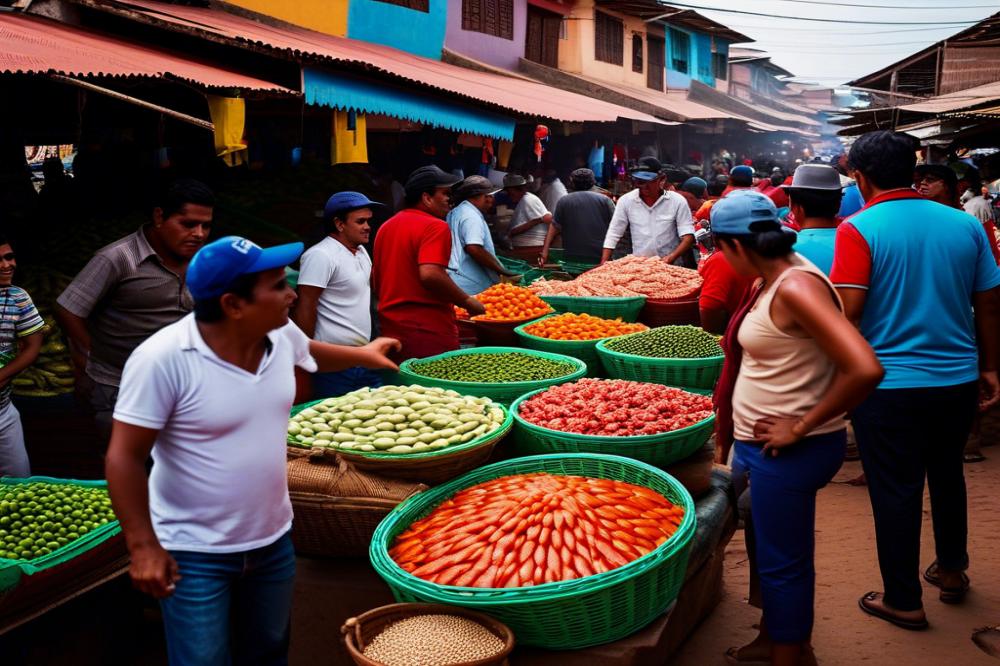
fish markets are essential to the local culture, providing more than just sustenance. They represent a vital connection to aquatic resources and the traditions tied to fishing. For many, visiting the Mercado de Pescados is a daily ritual. Purchasing fresh seafood helps to maintain family traditions across generations. In this setting, relationships are built around trade and shared enjoyment of delicious meals. Understanding this context reveals the cultural significance of such markets in Sucre. Whether it’s a quick meal or a special feast, the flavors found here are integral to the community’s identity.
Mercado de Pescados: A Remote Fish Hub
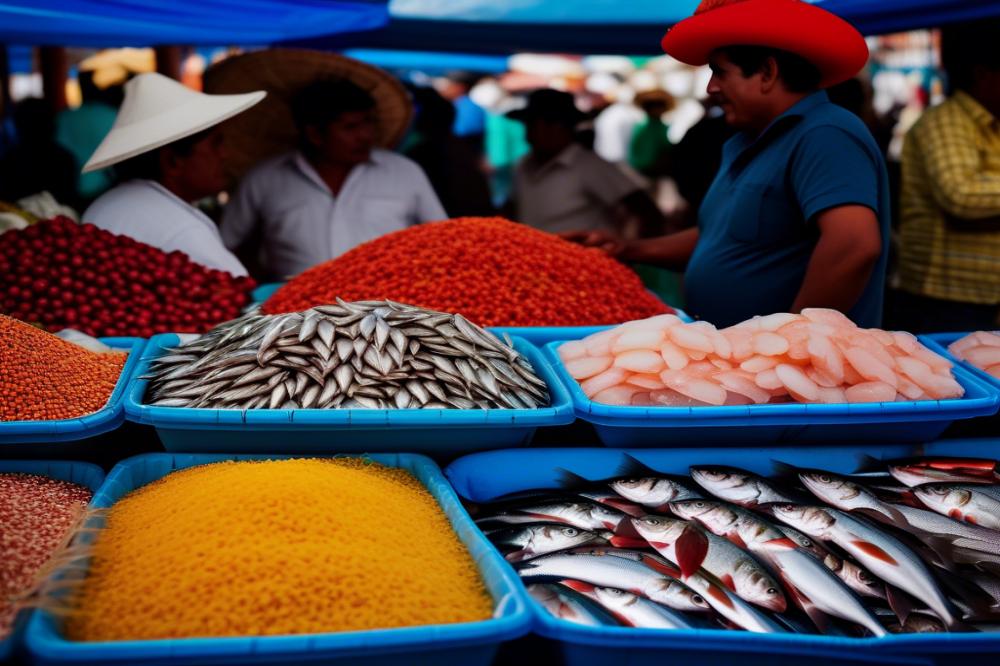
Located in the heart of Sucre, the Mercado de Pescados serves as a bustling fish market. This remote hub is essential for both local fisheries and the overall seafood trade. Visitors often marvel at the variety of fresh fish available. You’ll find everything from trout to catfish, showcasing the region’s aquatic resources.
Accessibility to this market has improved over the years. Although it may not be right in the city center, getting there is relatively easy. Public transportation options frequently run from various parts of Sucre. Local residents often walk, appreciating the scenic views on their way to shop for fish.
This fish market plays a crucial role in the community. Local fishermen bring their daily catches, ensuring fresh seafood is available. Sustainable fishing practices are emphasized, promoting health in marine ecosystems. Not only does this support the economy, but it also preserves cultural significance, as fish dishes are a staple in local cuisine. The Mercado de Pescados fosters a strong bond between locals and their food sources.
The trade happening here reflects the vibrant culture of Sucre. Every transaction holds meaning, connecting families and friends with fresh offerings. Many visitors come not just for the fish but to soak in the atmosphere. This market is more than a place to buy food; it’s a community hub where stories are exchanged and relationships are built.
Impact on the Local Community
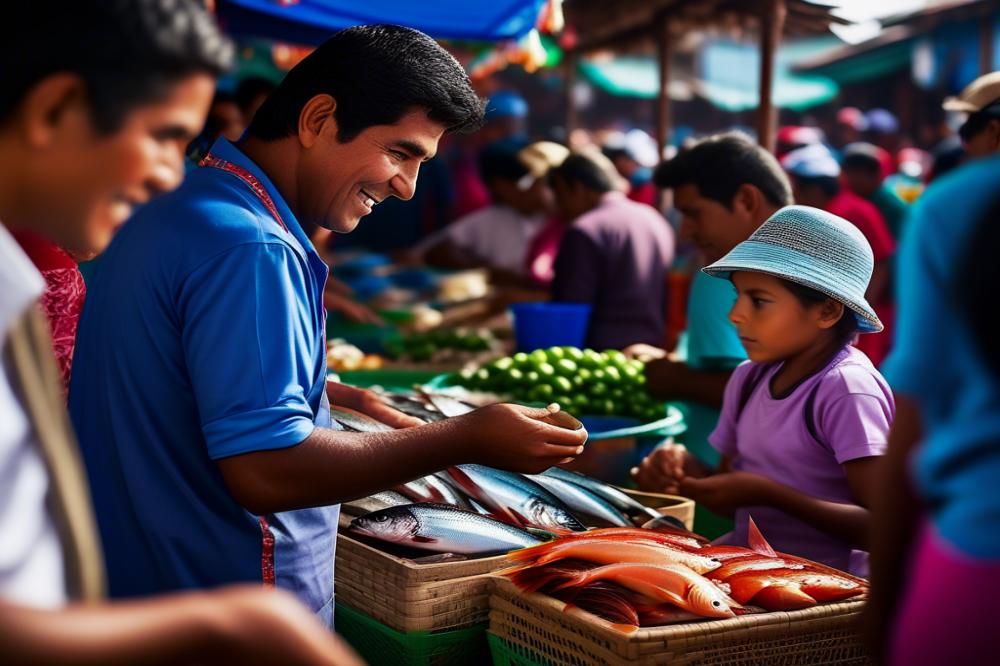
The fish market holds great economic significance for the residents of Sucre. Many families rely on this remote hub to buy fresh seafood daily. Fishers bring their catches directly from local fisheries, making it easier for the community to access vital aquatic resources. This trade creates a lively atmosphere, as vendors and customers interact in a bustling environment.
Community livelihoods benefit immensely from the opportunities the market provides. Job creation is another crucial aspect. Many locals find work as fishmongers, transporters, or in related businesses that support the market’s operations. Such employment is a lifeline for families and contributes to the area’s overall economic stability.
Local fishers maintain a strong relationship with the market. They depend on it to sell their fresh catches while ensuring their families have income. Sustainable fishing practices are vital for protecting aquatic resources. This bond between the fishers and the community reflects a cultural significance that goes beyond just trade. Trust and cooperation thrive as they work together to support their livelihoods.
Sustainable Fishing Practices
In the picturesque region of Sucre, sustainable fishing methods play a vital role. Local fisheries utilize techniques that protect aquatic resources while still providing seafood to the community. These practices include using nets with larger mesh sizes, which allows smaller fish to swim away and grow. This not only helps the fish populations but also supports the unique ecosystem.
Recognizing the importance of these resources, many believe preserving them for future generations is crucial. A thriving fish market cannot exist without healthy aquatic environments. By adopting sustainable fishing practices, the people of Sucre are making a commitment to the health of their waters. The future of seafood in this remote hub depends on the choices made today.
Community initiatives are at the forefront of promoting these sustainable practices. Local organizations work closely with fishermen to educate them about responsible methods. Workshops often focus on fishing techniques that are both effective and environmentally friendly. This effort not only enhances the trade of seafood but also fosters cultural significance within the region.
Many families depend on fishing as their primary source of income. The community understands that preserving their aquatic resources is not just a choice; it’s an obligation. Together, they strive to maintain a balance that sustains both livelihoods and ecosystems. Their dedication to sustainable fishing ensures that the rich waters of Sucre remain vibrant for years to come.
Cultural Significance of Seafood in Sucre
Fishing has deep roots in the history of Sucre. Over generations, local fisheries have provided not just food, but also a way of life for many families. This connection to water dates back long before modern times. The community relies heavily on the aquatic resources found in nearby rivers and lakes.
Traditional recipes passed down through families showcase the local seafood. Dishes like “trucha a la parrilla” and “sopa de pescado” bring flavors that speak to the heart of Sucre’s culinary heritage. Cooking fish is more than just meal preparation; it is a celebration of cultural identity. Each recipe tells a story of tradition, love, and togetherness.
Celebrations fill the calendar with events that honor seafood. Festivals dedicated to fishing attract locals and visitors alike. During these gatherings, the atmosphere buzzes with excitement and joy. People share dishes, music, and laughter. This reinforces the community spirit that is woven into the very fabric of Sucre.
The fish market serves as a focal point for this vibrant culture. Here, sustainable fishing practices are embraced. Conversations about local trade often fill the air. Vendors proudly display fresh catches, showcasing their dedication to quality and tradition. This market symbolizes more than just commerce; it represents the cultural significance of seafood in daily life.
Ultimately, seafood in Sucre is much more than just a food source. It binds the community through shared history and culinary practices. From the rivers to the dinner table, the journey of fish embodies resilience and pride. As Sucre continues to celebrate its rich heritage, the flavor of its seafood remains at the forefront.
Travel Tips for Visiting Mercado de Pescados
Best Times to Visit the Fish Market
Early mornings present an excellent opportunity to experience the bustling activity of Sucre’s fish market. As local fisheries deliver their fresh catches at dawn, you can enjoy the vibrant atmosphere. The market is typically less crowded during weekdays, making it easier to navigate through the stalls. Visiting on weekends, however, offers a chance to see more variety. You might also witness community members engaging in traditional trade practices, reflecting the cultural significance of the site.
Local Delicacies to Try and Purchase
Seafood lovers will find plenty to satisfy their cravings. Look out for ceviche, a refreshing dish made with fresh fish marinated in citrus juices. This dish highlights the aquatic resources available in the area. You can also buy dried fish, which is popular for its unique flavor. Don’t miss out on trying local sauces and seasonings that pair well with seafood. These products are perfect for taking home or enjoying after your visit.
Recommendations for Engaging with the Community
Connecting with the locals can enrich your experience. Approach vendors and ask about their fishing methods. Many practice sustainable fishing, which is crucial for preserving the environment. People often appreciate visitors who show interest in their trade and daily lives. Consider joining a small group to learn about the cultural traditions behind the market. Participating in cooking demonstrations can further enhance your understanding of local cuisine. Open conversations will enhance your visit, making it more memorable.
Final Reflections on Sucre’s Seafood Experience
Visiting the fish market in Sucre offers a vibrant glimpse into local life and culinary traditions. This spot is more than just a place to buy fish; it represents a connection to the region’s history and the community’s vitality. Locals rely on this remote hub for fresh ingredients, which play a central role in their everyday meals.
Culinary travel takes on a new meaning when you explore locations like this. It’s a chance to experience the culture firsthand. Travelers gain insight into the flavors of Bolivia, influenced by abundant local catches. Embracing these experiences cultivates a deeper appreciation for regional dishes, elevating every meal to something extraordinary.
Encouragement arises for all adventurers to seek out this vibrant gathering place. Discovering the Mercado de Pescados enhances any trip to Sucre. The lively atmosphere, bustling vendors, and fresh seafood create unforgettable memories. A visit to this market should be high on your list when exploring Bolivia’s rich culinary landscape.


