Introduction
vertical gardens present a compelling solution for home food gardening. They allow urban dwellers limited space to cultivate fresh herbs, vegetables, and even small trees. This innovative approach enhances aesthetics while providing essential nourishment. Moreover, they contribute to sustainable gardening practices by reducing the need for land and minimizing water usage.
Maintaining these gardens can be challenging. Here, automation techniques come into play, making it easier for anyone to grow plants without constant supervision. smart irrigation systems can deliver precise amounts of water, preventing over or under-watering. hydroponics, which allows plants to grow in a nutrient-rich water solution, simplifies the gardening process further, optimizing growth even in compact areas.
Innovative tools enhance indoor gardening. For instance, automated lighting helps simulate natural sunlight, ensuring plants receive adequate exposure. This technology adapts to seasonal changes and can even be programmed through gardening apps, providing a new level of convenience. Additionally, plant sensors monitor vital aspects like humidity and soil moisture, relaying critical information directly to your phone.
Vertical gardening kits combined with self-watering planters make the gardening experience even more accessible. They come equipped with everything needed to start growing. Users can set these up with minimal effort. IoT gardening systems take it a step further, connecting devices to the internet for even greater control. These advancements transform the way people garden, significantly reducing the labor involved.
In conclusion, the rise of modern techniques has sparked enthusiasm around vertical gardens. These methods not only promote sustainability but also encourage a deeper connection with nature. Automation plays a crucial role in making gardening easier for everyone, regardless of skill level.
Understanding Vertical Gardens
Definition and concept of vertical gardens
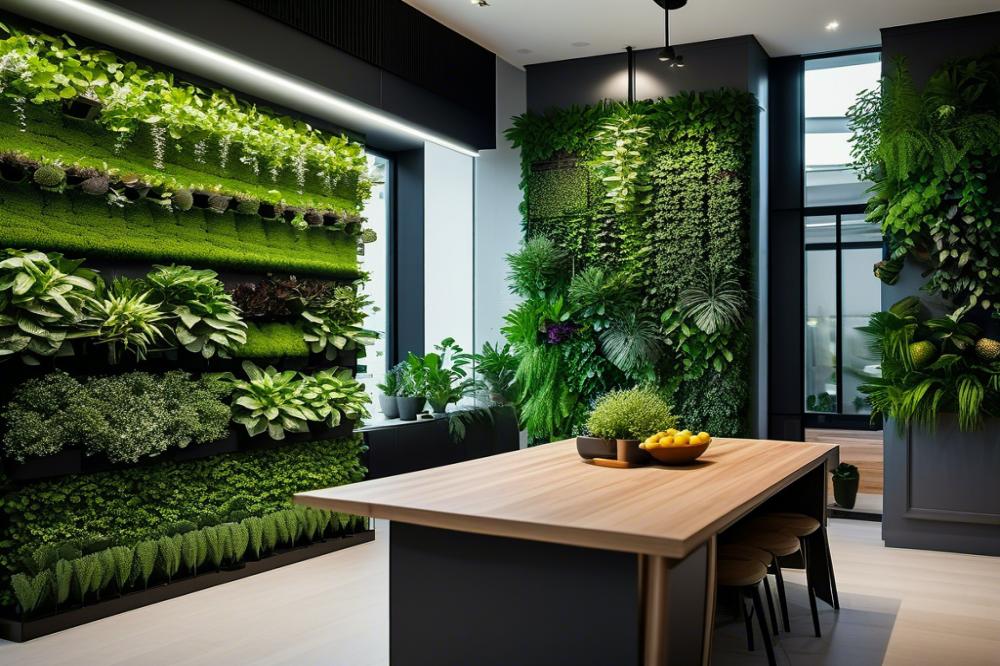
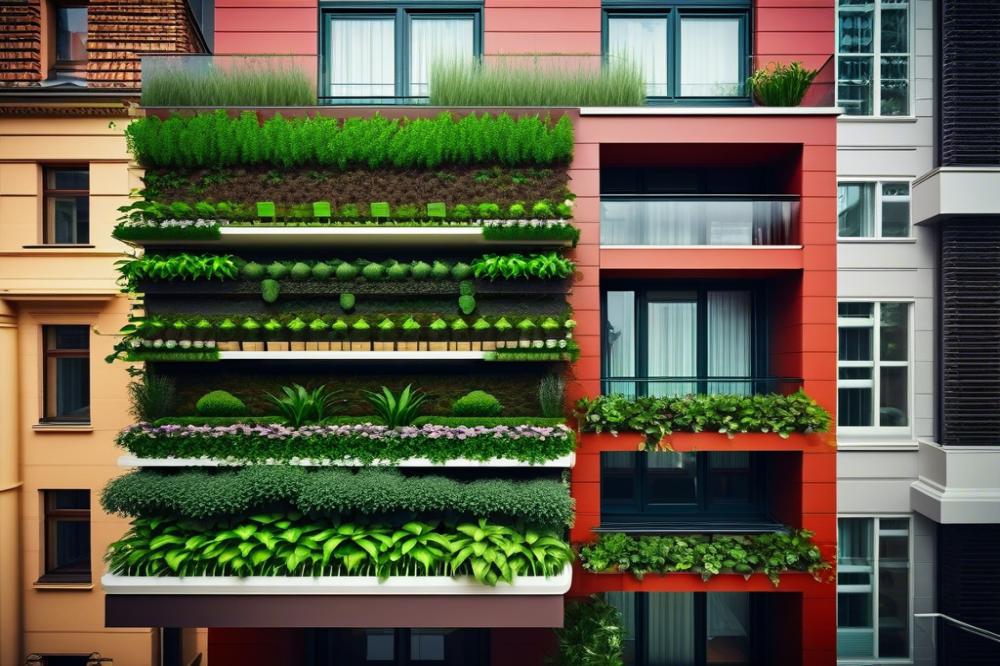
Vertical gardening is a method of growing plants on vertical surfaces. This technique can be used both indoors and outdoors. Walls are transformed into lush greenery by using various systems. While traditional gardens require soil, vertical setups often use hydroponics or soil alternatives. By incorporating different planting methods, gardeners have the opportunity to develop beautiful green spaces in limited areas.
Benefits of vertical gardening for urban homes
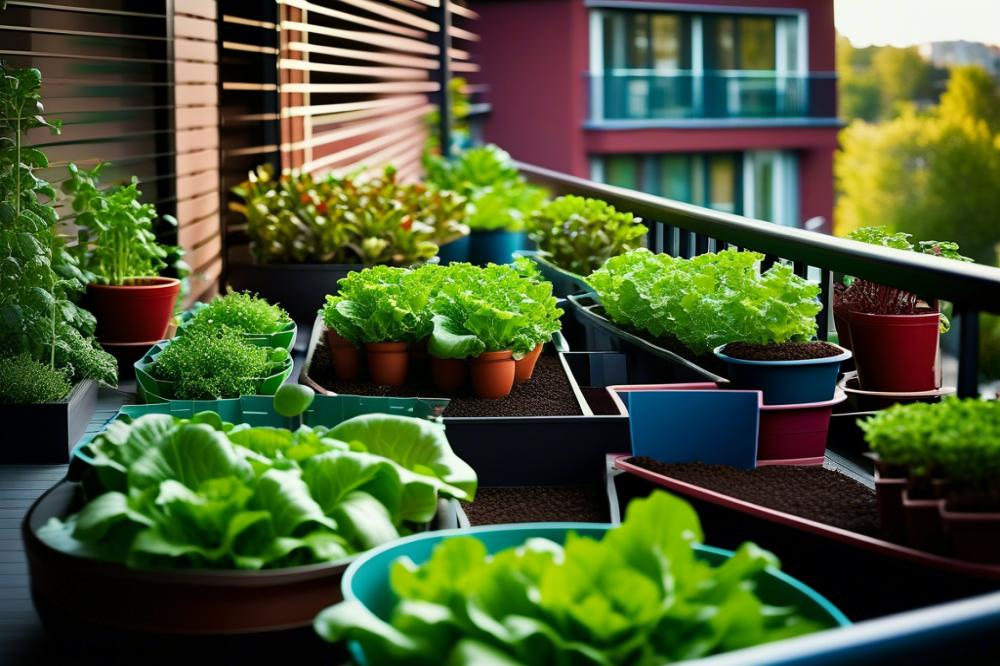
Urban homes often face space limitations. Vertical gardens offer an effective solution by utilizing vertical space. These gardens can improve air quality and provide insulation, crucial in densely populated areas. They also beautify empty walls or balconies, enhancing the appeal of a home. With automated lighting and smart irrigation, maintaining a garden becomes much easier. Even busy individuals can enjoy the delightful experience of indoor gardening without stress.
Optimal plant selections for vertical gardens
Choosing the right plants is essential for success. Herbs, ferns, and compact flowering plants are excellent picks for vertical setups. These plants thrive in smaller spaces and can fit easily into various gardening kits. Succulents also perform well, requiring minimal water. Using self-watering planters helps maintain moisture levels, making life easier. Incorporating plant sensors allows for better monitoring of their needs. Gardening apps can assist in tracking growth and schedule care tasks. With thoughtful selection, every gardener can create a vibrant green display at home.
Smart Irrigation Systems
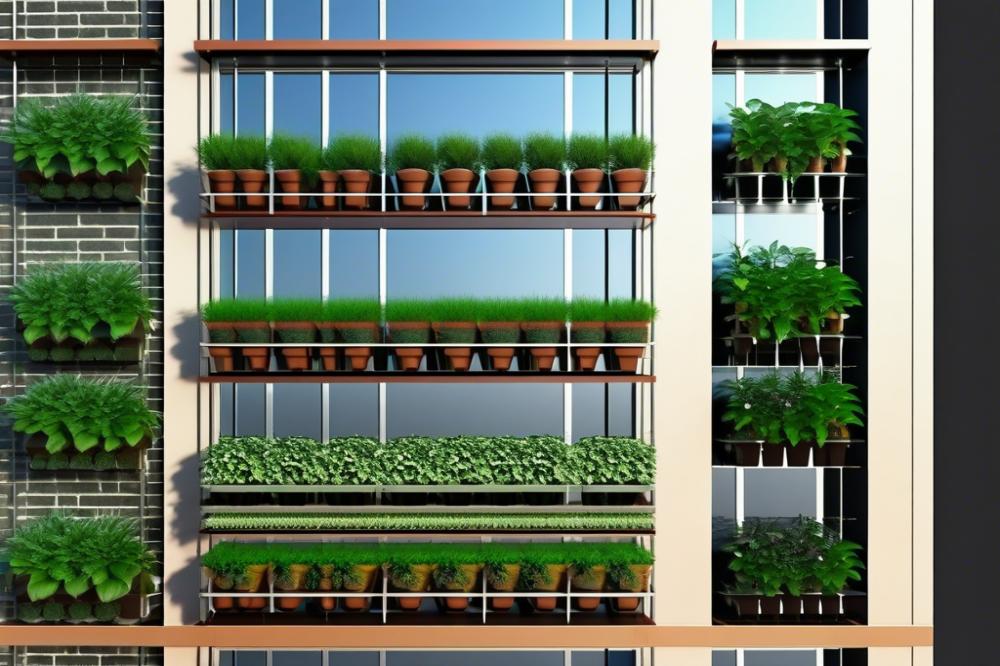
Smart irrigation refers to advanced watering methods that use technology to meet the needs of plants efficiently. These systems provide more than just convenience; they help conserve water and promote healthier growth. With a focus on sustainability, homeowners can reduce their environmental impact while enjoying vibrant greenery.
Overview of Popular Smart Irrigation Technologies
Numerous smart irrigation systems are available today. These include self-watering planters, which are fantastic for indoor gardening. Hydroponics setups are popular as well because they don’t need soil. Gardening apps can connect to various irrigation systems, giving users control right from their smartphones. Automated lighting systems often come bundled with these technologies, enhancing the overall environment for plant growth.
Integration of IoT Gardening Systems for Efficient Watering
Integrating IoT gardening systems allows for an even more efficient approach to watering. Using the Internet of Things, these systems collect data, adjust water levels, and adapt to changing weather conditions. A network of devices can communicate with each other, resulting in a perfectly tailored watering schedule. This capability leads to a reduction in wasted water and ensures that every plant receives the necessary hydration.
Use of Plant Sensors to Monitor Soil Moisture
Plant sensors play a crucial role in maintaining optimal conditions for growth. These sensors monitor soil moisture levels, sending alerts when watering is needed. They provide data that help gardeners understand their plants’ specific needs better. Such information can be critical in vertical gardens, where plants may have varying requirements. Monitoring becomes seamless, and adjustments can be made just in time.
With these technologies combined, anyone can create a more engaging and productive gardening experience. The blend of smart irrigation and plant sensors not only simplifies the process but also enhances the beauty of your garden.
Hydroponics and Self-Watering Planters
Introduction to Hydroponic Systems for Vertical Gardens
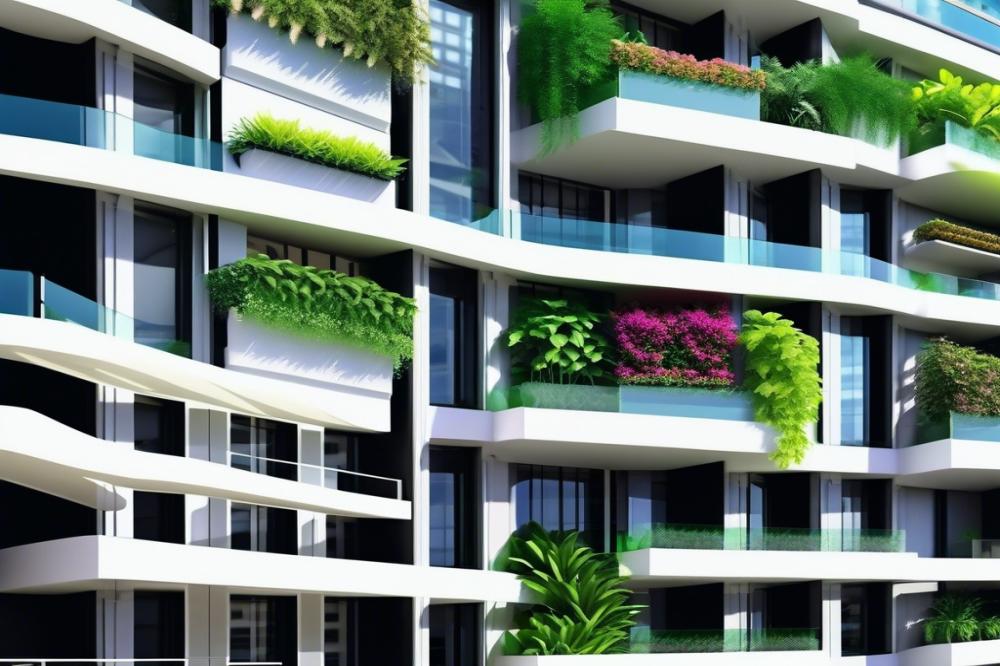
Hydroponics has gained popularity among home gardeners. This method allows plants to grow without soil. Instead, plants absorb nutrients from a water-based solution. By using vertical gardening kits, individuals can maximize space indoors. The arrangement often involves stacking plants vertically, which is highly efficient. Hydroponic systems can be tailored to fit small spaces, making them perfect for urban living.
Benefits of Hydroponics in Home Food Gardening
Growing food through hydroponics offers numerous advantages. This technique often leads to faster plant growth. Nutrient delivery is typically more efficient compared to traditional gardening. Many gardeners find that their produce has richer flavors. Additionally, hydroponic systems require less water. This is particularly important in sustainable gardening practices. They can be part of an IoT gardening system, which monitors conditions for optimal growth. With smart irrigation, plants receive precisely what they need.
Description of Self-Watering Planters and How They Work
Self-watering planters represent another innovative approach to indoor gardening. These containers use a reservoir at the bottom. Water is absorbed by the soil through a wick or capillary action. This process helps maintain consistent moisture levels. Users can relax knowing their plants are taken care of even when they are busy. These planters reduce the frequency of watering. They are particularly helpful for people who travel or have hectic schedules. Gardening apps can even send reminders for maintenance.
Comparison Between Hydroponics and Soil-Based Gardening
When comparing hydroponics and soil-based gardening, many factors come into play. Both techniques have their strengths and challenges. Soil gardening relies on natural processes, which can be rewarding. However, it requires more space and can be subject to pests. Hydroponics allows for cleaner, pesticide-free growth. It also provides greater control over nutrient content. While soil can be forgiving, hydroponics demands more attention to detail. Overall, both methods can thrive in urban settings. Each has unique characteristics worth exploring.
Automated Lighting Solutions
Lighting plays a crucial role in indoor gardening. Plants need the right spectrum of light to thrive. Without adequate lighting, growth can be stunted. This is particularly important for home gardeners looking to create vibrant, healthy plants.
Importance of Lighting in Indoor Gardening
Plants use light for photosynthesis, which is how they turn sunlight into energy. Indoor environments often lack sufficient natural light. This is where automated lighting becomes essential. The right solution can revolutionize how you care for your plants.
Types of Automated Lighting Systems
LED grow lights are among the most popular options. They consume less energy while providing the light spectrum that plants need. Timers can also be used to control when lights turn on and off. This simplicity allows for precise light management.
Using smart irrigation, hydroponics, and vertical gardening kits can also enhance plant care. Combining these technologies leads to better results. Plus, self-watering planters can complement your lighting system well. Together, these components maximize the health of your indoor plants.
How to Set Up an Automated Lighting Schedule for Optimal Growth
Establishing a lighting schedule begins with understanding the needs of your plants. Most indoor plants benefit from 12 to 16 hours of light daily. Setting timers accordingly can simplify your routine. Make adjustments based on the type of plants in your garden.
Certain species might require more light, while others can thrive with less. Remember to monitor the intensity of light as well. Overexposure can be harmful, just as too little light can stunt growth.
Integration of Gardening Apps to Control Lighting
Many gardening apps now integrate with IoT gardening systems. They allow you to manage lighting directly from your smartphone or tablet. This makes it easier to adjust light schedules as needed.
Apps can also provide reminders for maintenance tasks. Using plant sensors within your system can deliver data on how your plants respond to lighting changes. Data-driven decisions can lead to a healthier indoor garden and promote sustainable gardening practices.
Vertical Gardening Kits and Gardening Apps
Overview of Various Vertical Gardening Kits Available
Gardening kits for vertical spaces come in many forms. These solutions often include self-watering planters that simplify watering chores. Many users appreciate hydroponics systems designed specifically for limited space. Some kits feature built-in smart irrigation, which takes care of hydration automatically. Indoor gardening kits may also come equipped with automated lighting to give plants the right amount of light. Options are available for different plants, making it easier for beginners to start growing.
How to Choose the Right Vertical Gardening Kit for Your Home
Selecting a gardening kit can feel overwhelming. First, consider the available space in your home. Wall-mounted kits are great for small areas, while freestanding options may suit larger rooms. Look for features that match your gardening goals. If growing herbs or vegetables excites you, focus on kits that support those plants. Don’t forget to check user reviews. They can provide insight into how well a kit performs.
Introduction to Gardening Apps for Managing Plants and Automation
Gardening apps are becoming increasingly popular among plant enthusiasts. These digital tools help organize care schedules and automate tasks. Using the right app can make managing your vertical garden simpler. Many applications allow you to customize care based on the plants you choose. Furthermore, integrating IoT gardening systems can sync with some apps, providing real-time data.
Features of Popular Gardening Apps That Aid Vertical Garden Care
Several key features stand out in popular gardening apps. Plant sensors, for instance, monitor moisture levels and send alerts when watering is needed. Automated reminders help users keep track of when to fertilize or trim plants. Others offer photo sharing, enabling users to connect with fellow gardeners and share progress. Some applications even provide tips based on weather conditions, making sustainable gardening easier. When combined, gardening apps and kits can create a cohesive system for growing healthy plants.
Sustainable Gardening Practices
Sustainability is essential in modern gardening. It focuses on using methods that are environmentally friendly. In vertical gardening, this means making choices that support both plant health and the planet. Individuals can reduce their carbon footprint while growing their own food indoors.
Techniques to Enhance Sustainability
One effective technique is composting. By recycling kitchen scraps, gardeners create rich soil that helps plants thrive. Natural fertilizers are another great option. They replenish nutrients without harming the environment. Using items like worm castings or organic compost boosts plant growth. Many automated vertical gardening kits come with ready-to-use organic options.
Smart irrigation systems play a crucial role as well. They deliver just the right amount of water to plants, preventing waste. Utilizing IoT gardening systems enhances monitoring. These setups include plant sensors to track moisture levels and environmental needs. Hydroponics can further minimize water usage. With these methods, gardeners achieve more while preserving resources.
Benefits of Sustainable Practices in Automated Vertical Gardens
Adopting sustainable practices leads to healthier plants. Less chemical usage means fewer toxins in the home. Indoor gardening becomes safer for families and pets. Automated lighting can also help regulate plant growth, reducing the need for harmful chemicals.
In addition, using gardening apps allows people to track their progress. They can monitor the effectiveness of composting and nutrient use. Automated systems, like self-watering planters, also lessen the workload. These innovations make gardening accessible for everyone.
Ultimately, sustainable gardening practices create a meaningful connection with nature. They foster personal responsibility towards environmental care. The joy of growing food at home becomes even more rewarding when the process supports the earth.
Wrapping Up the Journey of Automation in Gardening
Modern techniques for automating gardens have changed the way people grow plants at home. With advancements in technology, gardening no longer requires constant manual effort. Smart irrigation systems help maintain optimal moisture levels automatically. These tools take the guesswork out of watering. They save both time and effort, making gardening accessible to everyone.
Additionally, hydroponics offers a new perspective on cultivating plants. This system allows you to grow flowers and vegetables without soil, using nutrient-rich water instead. It’s an ideal solution for those with limited space or poor soil conditions. With automation, your plants receive precise nutrients on a schedule that suits them best.
Now is a great time for home gardeners to embrace these technologies. The benefits are clear. They simplify gardening tasks and result in healthier plants. Maybe you’ve hesitated to start your own vertical garden. Modern tools make it easy for anyone to create their green oasis indoors or outdoors, regardless of previous experience.
In conclusion, as we look toward the future, the possibilities for vertical gardening and automation are exciting. More innovations are on the horizon. Imagine having a fully automated system that nurtures plants while you focus on other things. The synergy of nature and technology presents a bright future for all gardening enthusiasts.