
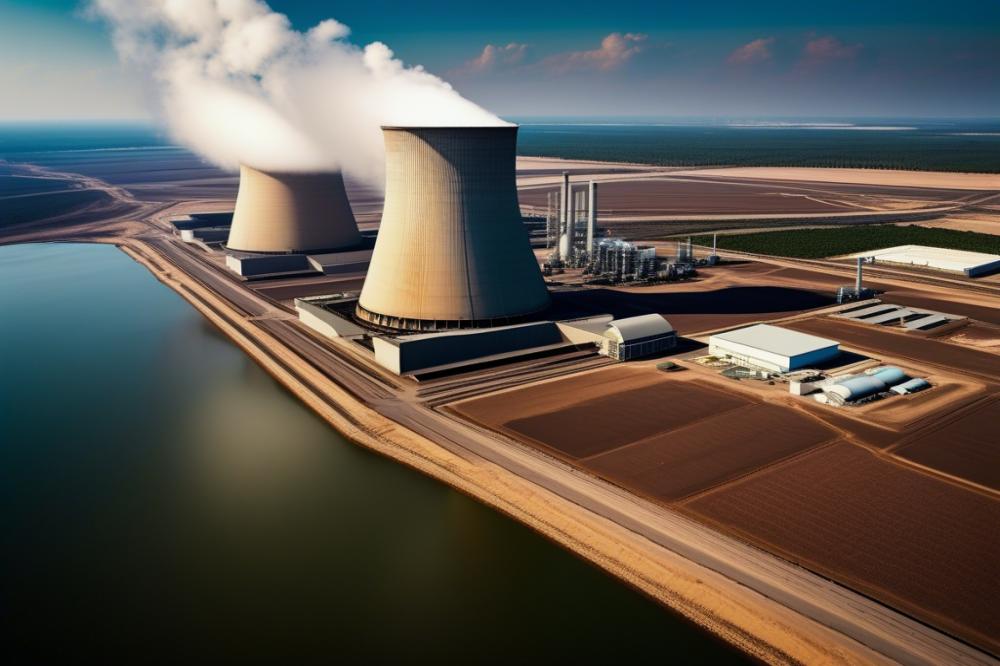
nuclear energy and Water Scarcity: Challenges and Solutions
nuclear energy has emerged as a vital component in the global energy landscape. It plays a significant role in the production of thermal power, generating electricity with the ability to reduce reliance on fossil fuels. This form of energy is often hailed for its potential to provide a sustainable energy solution, especially amidst rising environmental concerns and the urgent need to address climate change.
On the other hand, Water Scarcity represents a pressing issue that affects millions worldwide. As populations grow and climate patterns shift, access to clean and sufficient water becomes increasingly challenging. This problem is not merely an environmental concern; it directly impacts agriculture, industry, and personal health. The intricate relationship between the global energy sector and water use must be examined closely to navigate the challenges that lie ahead.
The operation of cooling systems in nuclear facilities is heavily reliant on freshwater resources. These cooling systems are crucial for regulating the temperature of reactors and ensuring efficient energy production. However, the strain on local water supplies due to drought and over-extraction poses significant risks. In an era of heightened awareness regarding resource management, the connection between energy generation and water availability cannot be overlooked.
Exploring solutions to mitigate the environmental impact of both nuclear energy and water scarcity is essential. Innovations in cooling technology, such as dry cooling systems, offer promising alternatives. Additionally, the possibility of integrating desalination processes could provide viable pathways for water conservation in arid regions. Effective policy solutions and strategic water usage will ultimately determine the future of energy industries, especially as they adapt to ongoing climate challenges.
Nuclear Energy and Its Role in thermal power
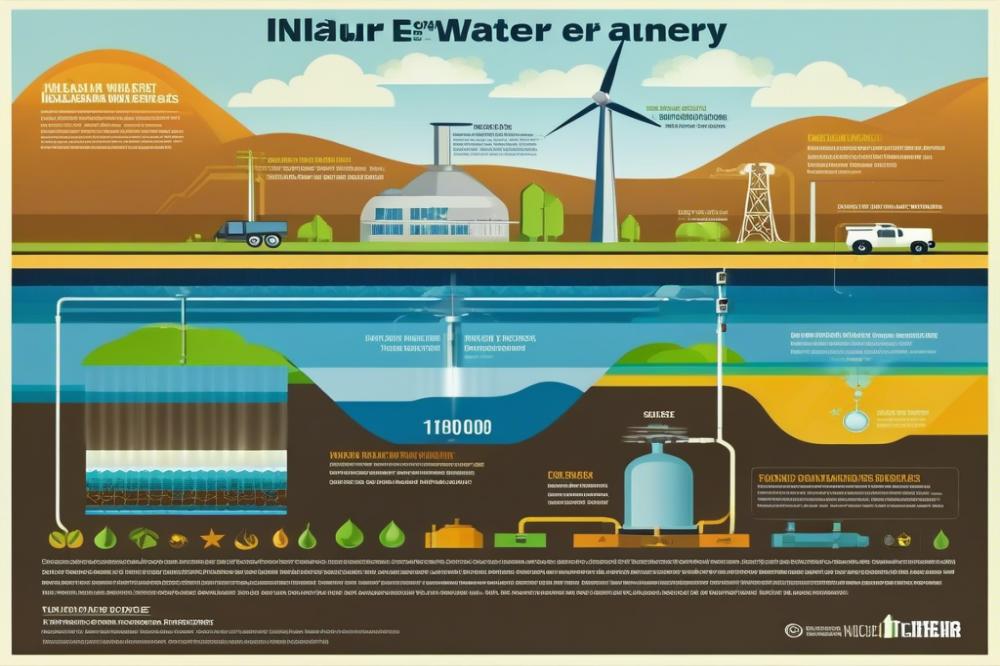
Generating thermal power involves converting heat energy into usable electricity. In a nuclear reactor, this process begins with fission, where uranium atoms are split to release a significant amount of heat. This heat raises the temperature of water, which turns into steam. The steam then drives turbines, ultimately producing electricity. Such mechanisms allow for a stable and substantial energy production capacity.
Cooling systems play an indispensable role in maintaining safe reactor operations. After being heated, water must be cooled efficiently to continue the cycle. Most nuclear plants utilize large quantities of water for this purpose. The reliance on water is particularly critical, given that overheating can pose severe risks to both human and environmental safety. These cooling systems often draw from nearby lakes, rivers, or ocean sources.
When comparing water usage across various energy sources, nuclear energy demonstrates some unique characteristics. While fossil fuel plants also require cooling water, their thermal efficiency isn’t as high. In fact, they often consume more water per unit of electricity generated. Renewable resources like solar or wind use minimal or no water during energy production, highlighting their advantages in terms of water conservation. As climate change intensifies, the need for efficient resource management becomes crucial. Desalination technologies may help relieve some pressure on freshwater resources when cooling systems operate in arid regions.
Ultimately, understanding the environmental impact of water usage in nuclear energy is vital. Policymakers must explore solutions that address these challenges effectively. Finding equilibrium between sustainable energy production and limited water resources is essential. This balance is not only fundamental for the longevity of nuclear power but also for broader ecological health.
Understanding Water Scarcity and Its Impacts
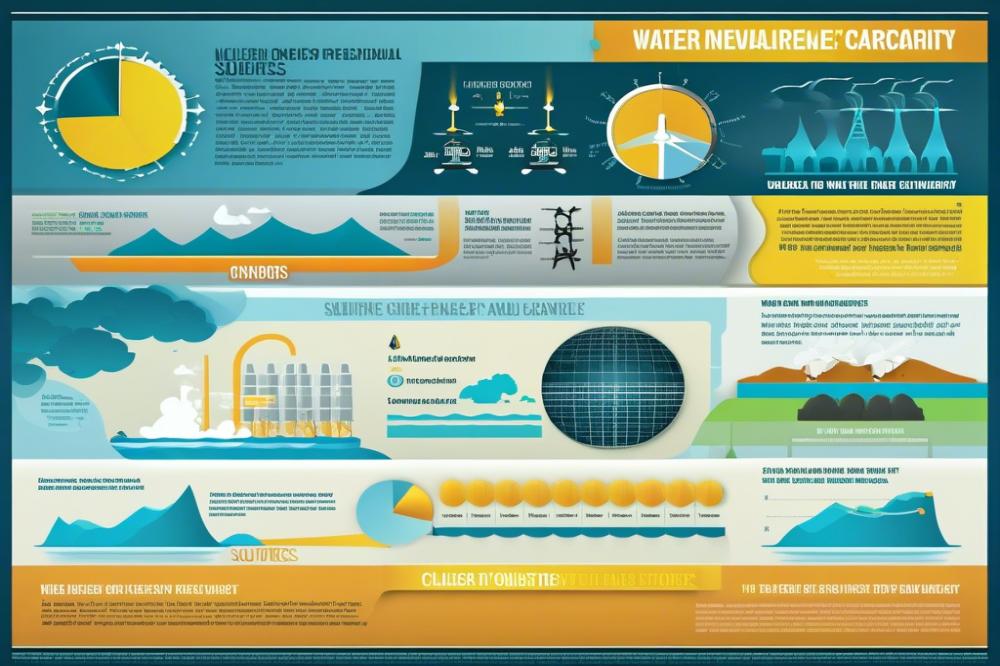
Water scarcity refers to the lack of sufficient water resources to meet the demands of water usage within a region. Numerous factors contribute to this issue. Population growth, urbanization, and industrialization significantly elevate water demand. Additionally, inefficient agricultural practices deplete water resources. Regions with chronic dry conditions face inherent vulnerability as well.
Climate change exacerbates the challenge of water supply. Patterns of precipitation fluctuate, leading to more frequent droughts and unexpected floods. Rising temperatures also increase evaporation rates from water bodies, further reducing available supply. In many areas, the changing climate alters the timing and volume of water flow in rivers, impacting those who depend on these resources.
Energy production heavily relies on water, especially in thermal power generation processes. Cooling systems often withdraw vast amounts of water, stressing already limited supplies. Water scarcity can lead to significant disruptions in energy output, causing economic instability. As industries experience water shortages, job losses and increased prices for goods may follow.
Resource management plays a crucial role in addressing this issue. Water conservation techniques can mitigate deficits, promoting more effective usage. Desalination technologies offer viable alternatives, particularly in coastal areas facing salinity challenges. Policymakers must devise clear strategies that balance energy needs with the imperative for sustainable practices.
The environmental impact of water scarcity reaches beyond human activities. Ecosystems suffer as habitats degrade due to insufficient water availability. Aquatic life, heavily reliant on consistent water levels, faces declines in population. Cooperation among various sectors is critical to developing holistic approaches that prioritize both energy production and environmental health.
Fostering awareness about the interdependence of water and energy is essential. Solutions to water scarcity must include collaboration among governments, industries, and communities. By prioritizing sustainable energy practices alongside effective water management, a path towards resilience can be forged.
Challenges of Water Usage in Nuclear Energy
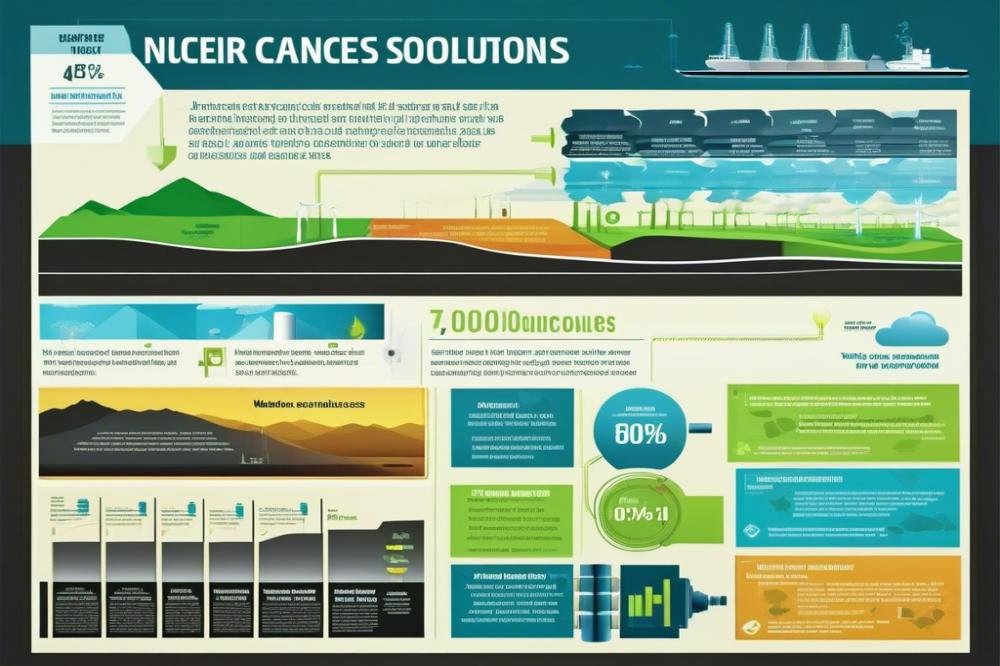
Cooling systems in nuclear power plants have high water demands. These facilities often draw large quantities from nearby rivers, lakes, or aquifers for their thermal power operations. Such extensive usage can have serious implications for local ecosystems. Stress on aquatic habitats becomes apparent when water is diverted in significant amounts.
Thermal pollution represents another critical concern. When the heated water is discharged back into its source, it can elevate local temperatures. This rise can disrupt the delicate balance of aquatic life, potentially leading to the death of sensitive species. Thermal pollution also contributes to altered breeding patterns and shifts in community structures of these ecosystems.
Regulatory frameworks often struggle to keep pace with the demands of water resources for energy production. The complexities of resource management can lead to challenges in policy solutions. Local communities may voice concerns about the environmental impact of increased water usage. Balancing the needs of energy generation with water conservation strategies remains a pressing issue.
Innovative approaches, such as desalination, may serve as potential solutions to alleviate some of these pressures. However, implementing these technologies involves additional costs and energy requirements. Environmental sustainability must be a key consideration in these discussions, especially in regions already facing climate change challenges.
Innovative Solutions for Mitigating Water Scarcity
Development of Advanced Cooling Technologies
New cooling systems are essential for addressing water scarcity in energy production. Many nuclear facilities traditionally rely on large volumes of freshwater for cooling purposes. However, advancements in cooling technologies can significantly reduce this dependency. One promising approach involves dry cooling, which minimizes water usage through heat exchangers that reject heat into the atmosphere. Alternative methods, such as hybrid cooling systems, blend wet and dry cooling to optimize performance while conserving water. These innovations not only mitigate the strain on water resources but also lessen the thermal impact on local ecosystems.
Enhanced Water Conservation Practices in Nuclear Power Plants
Implementing better water conservation measures is crucial for sustainable energy generation. Nuclear power plants often incorporate strategies to recycle and reuse water within their processes. For instance, closed-loop cooling systems can substantially decrease water intake by circulating the same water multiple times. Regular audits can identify areas for improvement in existing water management practices. Training staff on efficient resource management techniques will empower them to make informed decisions that prioritize water conservation. As climate change intensifies, adopting such practices becomes increasingly critical for minimizing the environmental impact of energy facilities.
Role of Desalination Technology in the Nuclear Energy Context
Desalination technologies offer a unique opportunity for addressing water scarcity in regions dependent on thermal power. By converting seawater into freshwater, these systems present a viable solution for powering nuclear plants located near coastlines. Integrating desalination into energy facilities can alleviate pressure on freshwater sources while supporting local water needs. Furthermore, utilizing waste heat from nuclear reactors to enhance the efficiency of desalination processes is an innovative approach. This synergy not only provides a dual benefit but also responds to the growing demands of urban populations facing water shortages. As such, policy solutions must consider the role of desalination as part of a broader strategy to ensure sustainable energy and water management.
Resource Management and Policy Solutions
Integrated resource management is crucial in addressing the dual challenges of nuclear energy production and water scarcity. This approach considers multiple factors, including environmental impact, water availability, and energy demand. By recognizing the interconnectedness of these resources, policymakers can develop strategies that optimize the use of water in energy production without compromising sustainability.
In developing effective policy solutions, it is vital to encourage sustainable energy practices. This includes implementing regulations that promote efficient cooling systems with minimal water consumption. Incentives for utilizing alternative cooling methods, such as air-coolers, can alleviate pressure on local water sources. Additionally, integrating policies that support water conservation in both energy production and community initiatives plays a significant role in managing resources wisely.
Collaboration among governments, industries, and communities is essential for overcoming the challenges posed by climate change and water scarcity. Stakeholders must engage in open dialogues to foster trust and adapt policies that reflect local conditions. Partnerships can facilitate the adoption of technologies like desalination, which can provide additional water sources for energy facilities while serving the needs of nearby populations.
Policy recommendations should also focus on research and development in new cooling techniques and water-efficient thermal power generation. Funding for innovative projects can lead to significant advancements in minimizing water use in nuclear facilities. Policymakers are encouraged to assess existing regulations on water withdrawal and discharge, ensuring they support sustainable practices while maximizing energy production.
Finally, education is pivotal. Raising awareness about the importance of sustainable resource management will empower communities to participate actively in conservation efforts. Workshops and outreach programs can illustrate how collective actions contribute to improving resource resilience in the face of water scarcity.
Environmental Impact of Nuclear Energy in Water-Scarce Regions
Assessing the environmental footprint of energy production in arid locales reveals several challenges. Emissions from thermal power generation and the use of various cooling systems can strain local ecosystems. Water scarcity exacerbates these challenges, making careful management crucial. Consequently, policymakers must explore strategies that align energy needs with water conservation goals.
Strategies for Minimizing Impact on Local Ecosystems
Implementing advanced cooling technologies represents one effective approach. Closed-loop cooling systems reduce water usage significantly. Additionally, the use of recycled water for cooling purposes can drive efficiency while conserving vital local resources. Innovations such as dry cooling systems could further mitigate water consumption.
Resource management strategies tailored to these regions promote sustainability. This may include integrating desalination processes into facility designs. By converting seawater into usable water, these facilities can alleviate some pressure on freshwater sources. Such measures not only support energy generation but also contribute to broader community needs.
Case Studies of Nuclear Facilities in Arid Regions
Examining specific case studies provides insight into effective practices. The Palo Verde Nuclear Generating Station in Arizona utilizes treated wastewater for its cooling needs. This innovative approach mitigates environmental impacts while supplying energy to millions. Another example can be seen at the Barakah Nuclear Energy Plant in the United Arab Emirates. Efforts to minimize resource strain highlight how thoughtful engineering can lead to positive outcomes.
Both facilities demonstrate the importance of aligning nuclear energy capabilities with local conditions. They serve as models for integrating sustainable energy production with limited water resources. As climate change continues to challenge existing systems, adapting methodologies becomes even more critical.
Wrapping Up the Connection Between Energy Production and Water Needs
Recapping the intricate relationship between energy generation and water scarcity reveals significant challenges. Water is essential for cooling systems in electricity generation facilities, including those utilizing nuclear technology. The demand for freshwater in these systems places an additional strain on already limited water resources, especially in arid regions. Policymakers must grasp this link to develop effective strategies that mitigate conflicts between these two critical needs.
Addressing water issues within energy policy is crucial. Effective management of water resources can support both energy production and the preservation of ecosystems. Policymakers should focus on innovative solutions, such as recycling water used in cooling processes. Increasing water-use efficiency in thermal power plants can lead to substantial improvements. Furthermore, transitioning to different cooling technologies can alleviate water stress.
Looking ahead, the future outlook for nuclear facilities as a sustainable energy source remains hopeful, despite the challenges posed by water scarcity. Advances in technology may lead to more efficient water usage and further reductions in water consumption. The integration of renewable energy and enhancements in energy storage can also play a vital role. As countries strive to meet energy demands while addressing environmental concerns, a balanced approach will be essential. To fully realize the potential of nuclear power in a world increasingly challenged by water shortages, stakeholders must prioritize research and development in both energy and water-management fields. Effectively navigating these interconnected challenges will pave the way for a more resilient and sustainable future.


