

Understanding drainage-fertilization-and-frost-management”>Pecan Trees in Your Garden
Growing drainage-fertilization-and-frost-management”>Pecan Trees can be a rewarding endeavor for any Garden enthusiast. Their luscious nuts not only add a delightful flavor to various dishes but also offer numerous health benefits. Packed with essential nutrients, these nuts are rich in healthy fats, protein, and fiber. Apart from their nutritional value, nut production from these trees can become a profitable venture if cared for properly.
However, success in cultivating pecan trees depends on a few critical factors. Understanding drainage is vital to prevent water accumulation around the roots. Too much moisture can encourage root rot, making proper soil requirements essential for healthy growth. Additionally, frost resistance is a key consideration. Young trees are particularly susceptible to cold damage, so knowing when to plant can make all the difference.
Pest management also plays a crucial role in maintaining the health of your pecan trees. Common tree diseases can threaten your crop, so being proactive is beneficial. Implementing effective gardening tips, such as regular inspections and the use of natural predators, can help keep your trees flourishing. To succeed, familiarize yourself with planting techniques that support robust growth and develop a keen understanding of the climate considerations unique to your region.
In summary, cultivating pecan trees in your garden can yield delicious nuts, but it requires knowledge and attention. Careful consideration of drainage, frost resistance, and pest management will set the stage for a fruitful harvest. Begin your journey by ensuring these aspects are well understood, and watch how your garden transforms.
Understanding Pecan Trees
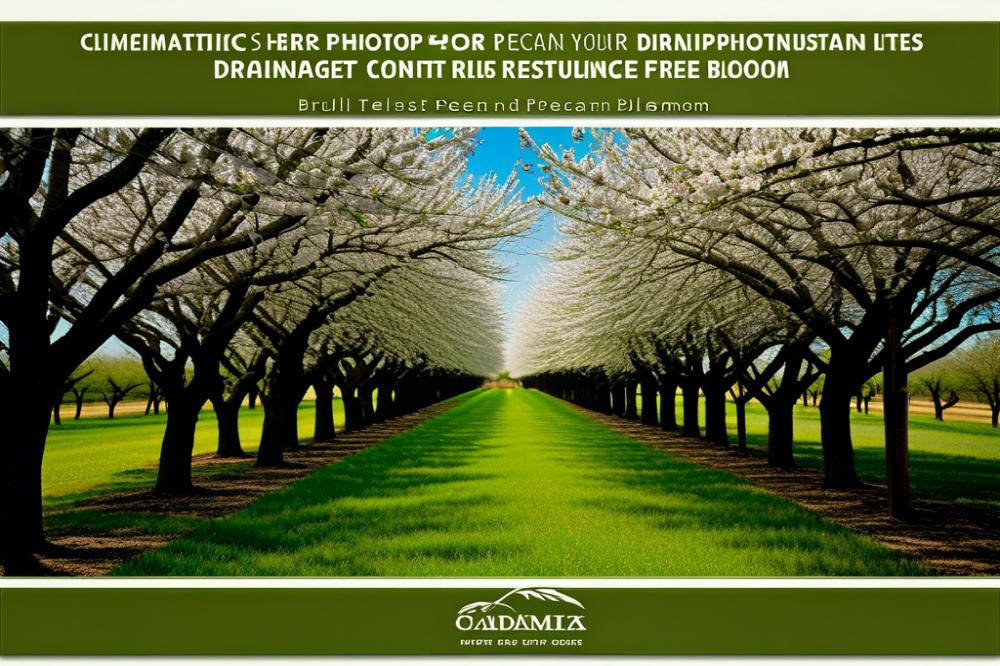
Pecan trees belong to the hickory family and are indigenous to the southern United States and parts of Mexico. They thrive in warm climates, enjoying sunny conditions and well-drained soil. With a height of 60 to 100 feet, they can become quite large when fully grown. These trees can live for more than a century, making them a long-term investment for any garden.
Home gardeners can choose from a variety of cultivars. Some popular options include ‘Stuart,’ known for its excellent nut production, and ‘Desirable,’ which is both vigorous and hardy. Each of these varieties comes with distinct characteristics, so understanding their differences is crucial. Observing the climate considerations for specific types can aid in selecting the most appropriate fit for your region.
Soil requirements play a key role in the successful growth of pecan trees. They prefer deep, loamy soils with good drainage capabilities. Poor drainage can lead to root rot and other diseases. Therefore, planting techniques should focus on elevating the tree roots above waterlogged areas. Trees planted too close to bodies of water or in poorly drained areas are at risk.
Consider frost resistance when choosing a variety. Some types are better able to withstand cooler temperatures, an important factor for those in regions with late frost. Selecting frost-resistant options can protect budding flowers and ensure healthier yields.
For homeowners, effective pest management is essential to maintaining the health of pecan trees. Regularly checking for pests, such as aphids or pecan weevils, can prevent infestations from becoming severe. Integrated pest management techniques, including natural predators and organic insecticides, provide options without harming the ecosystem.
Tree care involves regular monitoring and pruning. Proper maintenance can enhance air circulation and sunlight penetration, essential for healthy growth. Gardeners should also be mindful of potential tree diseases that can affect overall vitality.
Nut production is a desirable trait of these trees, making them appealing to many gardeners. However, patience is necessary, as it can take several years for trees to bear nuts. Understanding the timeline and care needed can help set realistic expectations.
For those ready to plant, gardening tips include spacing trees adequately to allow for their expansive canopy. Mulching can also support moisture retention while suppressing weeds. Attention to detail during the initial stages will greatly improve the outcome.
Soil Requirements and Drainage

Pecan trees thrive in specific soil types that contribute to their growth and nut production. Ideally, sandy loam or clay loam soils offer the best texture. A pH range between 6.0 and 7.0 is suitable for these trees. Testing soil pH is a straightforward task. Home testing kits or sending samples to a lab can provide insights into your soil’s condition.
Proper drainage is crucial for tree care. Standing water can lead to root rot, a significant threat to pecan health. Well-drained soil prevents excess moisture, promoting robust growth and longevity. Poor drainage can hinder nutrient uptake, adversely affecting the tree.
Consider incorporating organic matter into your soil. Compost improves texture and increases drainage. If your soil is heavy clay, adding sand can help. Remember to mix these amendments thoroughly for the best results.
Before planting, understand the climate considerations in your area. Not every region is ideal for pecan growth. Some areas experience winter conditions that can harm young trees. Choosing a location that avoids frost exposure is essential for future yields.
When preparing the planting site, dig holes that are wider than the root ball. This allows soil to settle around the tree roots for better support and water absorption. Proper irrigation is also necessary, especially during dry spells. This promotes healthy growth during the formative years.
Always watch for signs of tree diseases that may arise from poor soil conditions. Healthy soil means healthier trees, which can resist pests and disease better. Regular monitoring and maintenance can save your investment and ensure a fruitful garden.
Ultimately, strong foundations in soil management lead to successful yields. By focusing on soil requirements, setting up good drainage, and applying gardening tips, you can cultivate a thriving environment for your pecan trees.
Climate Considerations and Frost Resistance
Pecan trees thrive best in warm climates. These trees prefer USDA hardiness zones 6 through 9. They require plenty of sunshine and well-drained soil. Therefore, proper site selection is critical. If planting occurs in a colder region, trees may struggle to survive harsh winters.
Frost can severely affect young trees. Late frosts pose a risk to budding leaves and flowers. When temperatures drop unexpectedly, the impact can diminish nut production. Nut development relies on a stable growing environment. Protecting trees from late frosts is vital for success in gardens.
Planting techniques play a pivotal role in frost protection. Choose elevated sites with good air drainage. Cold air tends to settle in low areas, which increases frost risk. By avoiding these spots, gardeners can reduce potential damage. Timing is also crucial. Delaying the planting date until after the last frost can help seedlings establish better.
Tree care is essential throughout the growing season. Pruning helps improve airflow, reducing the chance of frost damage. Moreover, covering young trees with frost cloth can provide additional protection on chilly nights. Being proactive with these strategies can bolster frost resistance.
Understanding soil requirements contributes to overall tree health. Healthy trees are better equipped to cope with temperature fluctuations. Good drainage prevents waterlogging, which can cause root diseases. A robust root system enhances a tree’s survival chances during frost events. Implementing effective pest management practices also supports tree vigor.
Recognize that tree diseases can weaken overall health. Monitoring for signs of illness ensures quick intervention. Regular checking allows for timely action against pests that threaten growth. Gardeners should stay informed about common threats in their area.
Utilizing various gardening tips can optimize the growing environment. Adequate spacing between trees promotes airflow. This technique minimizes frost damage and encourages healthy nuts. Ensuring the right conditions leads to fruitful yields in your garden.
Planting Techniques
Starting with planting techniques can make a big difference in the growth of your trees. Choosing the right time is essential. Spring is generally the best season for planting, once the frost threat has passed. Fall is also an option, but be mindful of winter conditions.
Spacing becomes crucial when you decide where to place your trees. Ideally, each tree should stand 30 to 40 feet apart. This distance allows for adequate sunlight and airflow. Proper circulation helps improve disease resistance in your garden.
The next step focuses on soil requirements. Selecting well-drained soil supports healthy growth. Pecan trees prefer sandy loam or clay loam soils. Perform a soil test if unsure of your soil quality. Making amendments can help achieve the perfect pH level, ideally between 6.0 and 7.0.
Depth is another important factor to consider. Digging a hole is necessary; it should be twice as wide and just as deep as the root ball. When placing the tree in the hole, ensure the top of the root ball sits level with the ground. This position promotes better growth.
Watering patterns are critical during the establishment phase. Newly planted trees require regular moisture, especially during dry spells. You should water them at least once a week if there’s no rain. Aim for deep watering; this helps roots establish well in the surrounding soil.
Attention to tree care after planting can lead to fruitful yields. Mulching around the base can help retain moisture and suppress weeds. Not all pests are harmful, but regular monitoring is wise. Early detection of tree diseases or pests allows for timely pest management.
Frost resistance varies by variety, so check which trees suit your climate. Local climate considerations, especially freezing temperatures, play a major role in growth. Overall, following these guidelines can result in successful nut production in your garden.
Tree Care and Maintenance
Pecan trees require ongoing attention to thrive in your garden. Fertilization is essential for promoting healthy growth and nut production. A balanced fertilizer should be applied during the growing season. Soil tests can guide you on the specific nutrients needed based on the soil requirements in your area.
Pruning is another vital task. Regular trimming helps maintain shape and encourages air circulation. This practice also limits the risk of diseases. Focus on removing dead or diseased branches. Pay attention to the tree’s shape as it grows. A well-maintained tree can improve frost resistance and support overall health.
Watering practices play a significant role in tree care. Young pecan trees need consistent moisture to establish strong root systems. Without proper drainage, excess water can lead to root rot and other issues. It’s crucial to monitor moisture levels regularly, especially during dry spells. Established trees are more resilient but still benefit from occasional deep watering.
Monitoring tree health is necessary throughout the seasons. Changes in foliage, fruit production, and growth patterns can signal issues. Keep an eye out for signs of pests or tree diseases. Pests can quickly damage foliage or nuts, affecting overall yield. Implementing pest management strategies early can help prevent larger infestations down the line.
Gardening tips are helpful for managing the unique challenges of pecan trees. Climate considerations play a part in growth patterns and care routines. Understanding your area’s climate can assist in choosing the right planting techniques. Additionally, different growth stages may require adjustments in care. Young trees often need more attention than mature ones.
Temporary setbacks may occur, but don’t be discouraged. Each tree develops at its own pace. With careful monitoring and appropriate adjustments, your garden can thrive. Always stay informed about the specific needs of your trees as they progress through their life cycles.
Pest Management
Pecan trees face several challenges from pests. Common threats include aphids, pecan weevils, and tent caterpillars. Aphids are small and can cause yellowing leaves with their feeding. The pecan weevil is a major pest; its larvae burrow into nuts, destroying them. Tent caterpillars make noticeable webs in the branches, impacting tree health.
Effective pest management combines different strategies. Begin with cultural practices. Maintaining healthy soil and proper drainage helps trees resist infestation. Keeping the area around the tree clean and free of debris can also deter pests. Regular pruning improves air circulation and reduces disease risks.
For biological control, consider attracting beneficial insects. Ladybugs and lacewings feed on aphids, offering natural pest reduction. Introducing parasitic wasps can help manage weevil populations without chemical interventions. Crop rotation and planting pest-resistant varieties are also wise methods.
Chemical options include insecticides, which can be effective but must be used with caution. Follow all label directions carefully to avoid harming beneficial organisms. When considering chemicals, timing matters. Applying them during the early stages of pest activity can prevent larger infestations later.
Prevention and early detection are paramount. Regularly inspect your trees for signs of trouble. Look closely for insects and any unusual symptoms on leaves or nuts. Employing robust tree care practices will enhance frost resistance, making your trees less vulnerable. Always consider climate implications and how they affect pest behavior.
In summary, managing pests is a multifaceted approach. Focusing on integrated strategies allows for healthier pecan production. By balancing cultural, biological, and chemical options, gardeners can protect their yield effectively.
Tree Diseases
Pecan trees can face a variety of diseases that threaten their health and nut production. Recognizing these diseases early is key to maintaining a successful garden. One common issue is the pecan scab, a fungal disease that appears as dark, greasy spots on leaves and nuts. This disease can hinder growth and reduce the overall yield.
Another prevalent disease is anthracnose. Symptoms include leaf spots, twig dieback, and reduced vigor. It tends to thrive in warm, humid conditions. To combat this, maintaining good air circulation is crucial. Consider proper pruning techniques to enhance sunlight exposure.
Root rot is also a significant problem. Poor drainage often leads to this issue, as excess moisture encourages fungal growth in the soil. Be sure your garden has excellent drainage. This care practice can make a huge difference.
Frost resistance is essential when choosing when to plant. Planting in late spring may help prevent damage from late frost. Additionally, ensure your trees are healthy before winter. Healthy trees recover better from any frost damage.
Regular monitoring is necessary for effective pest management. Common pests include aphids, hickory shuckworms, and webworms. Spraying with horticultural oils or insecticidal soaps can help. Using beneficial insects, like ladybugs, may control some of these pests naturally.
Focus on soil requirements too. Well-drained, fertile soil promotes healthy trees and reduces disease risk. Fertilizing appropriately helps trees grow strong and resist infections. Always conduct a soil test before planting to understand nutrient levels.
Implementing cultural practices is a strong defense against tree diseases. Practices such as crop rotation and maintaining clean garden beds can minimize fungi and bacteria. By regularly cleaning fallen leaves and debris, you prevent the buildup of pathogens.
Lastly, gardeners should be aware of climate considerations. Different regions experience unique weather patterns affecting disease prevalence. Ensure you choose varieties suited to your local climate. This simple choice can help bolster disease resistance.
Nut Production and Harvesting
Growing pecan trees involves fascinating processes especially in nut production. Successful pollination is essential for a fruitful harvest. Typically, these trees are cross-pollinated, meaning pollen from one tree fertilizes the flowers of another. This encourages genetic diversity and helps the trees produce higher-quality nuts.
Flowering usually takes place in early spring when the conditions are right. Flower clusters emerge, ready for pollination. After that, the nuts begin developing through late spring into summer. The entire cycle, from flowering to nut maturity, generally spans 5 to 6 months. Depending on the variety, the nuts may be ready for harvest between late September and early November.
Understanding soil requirements plays a critical role in nut development. Healthy, well-draining soil is vital. It allows the roots to absorb nutrients and moisture without becoming waterlogged. Gardeners should routinely test their soil to maintain its quality. Regular tree care practices boost soil health and aid in pest management, which is crucial as they can affect nut yield.
Timing a harvest is key for optimal flavor. Nuts should be collected once they fall to the ground. Leaving them too long can lead to spoilage or pest infestation. When harvesting, gloves are helpful to avoid stains from the nuts’ hulls. Use a rake or a nut picker for easier collection, making the work less physical.
Many gardeners recommend shaking the branches gently to encourage nut drop just before harvest. This technique can be particularly useful if most nuts are ready but haven’t yet fallen.
Caring for pecan trees requires attention. Observing the trees closely will help in spotting any tree diseases. Early detection allows for timely intervention, which protects both the tree and its future nut production. Each season brings its challenges, from frost resistance in the colder months to keeping pests at bay during their active periods.
Gardening tips for new growers emphasize the importance of monitoring the climate. Different regions may require unique approaches to planting techniques and care. Pecan trees thrive in warm climates, but understanding the local weather patterns can make a significant difference in how trees withstand cooler months.
Choose varieties that suit your local climate for the best results. Select the right location in your garden, keeping factors like drainage in mind. Proper positioning not only fosters healthy growth but also maximizes nut production.
Harvesting pecans is a rewarding experience. With careful planning and attention, gardeners can enjoy a bountiful crop year after year.
Gardening Tips for Pecan Trees
Growing pecan trees requires attention to several key factors. Proper drainage is essential for these trees to thrive. Soggy roots can lead to diseases and poor growth. Choose well-draining soil that allows excess water to escape easily. In addition to drainage, soil requirements include a pH between 6.0 and 7.0, which promotes healthy development.
Frost resistance is another important aspect. Most pecan varieties are sensitive to late spring frosts. Consider planting them in areas shielded from cold winds or late frosts. This precaution can help enhance your tree’s chances of producing abundant nuts each year.
Effective pest management must be part of your cultivation strategy. Common pests like the pecan weevil can cause significant damage. Regularly inspect your trees for signs of infestation. Using organic pesticides can help control these pests without harming beneficial insects. Also, encourage natural predators like birds and ladybugs to keep pest populations in check.
Among gardening tips, companion planting can benefit pecan trees. Planting legumes nearby will enrich the soil with nitrogen, enhancing growth. Consider mixing in flowers that attract pollinators. This practice not only supports healthier trees, but also encourages nut production.
Tree care should focus on proper pruning to maintain shape and health. Remove dead or diseased limbs early in the season. This action promotes better air circulation and improves sunlight exposure. Watering during dry spells is crucial as well, particularly in hot months. Consistent moisture will support nut development and overall plant vitality.
Climate considerations play a vital role in successful gardening. Optimal growing conditions involve warm summers and well-defined winters. Familiarize yourself with local weather patterns to anticipate challenges. Some regions may require different strategies based on temperature fluctuations.
When discussing planting techniques, start with well-germinated seeds or healthy saplings. Place them in a sunny spot with adequate space for growth. Mulching around young trees can help retain moisture and suppress weeds. Finally, monitoring for tree diseases is critical for long-term health. Keep an eye out for leaf spots or wilting, which may signal trouble.
Final Thoughts on Growing Pecan Trees
Pecan trees offer a delightful addition to any garden. Proper drainage is vital for their success. Good drainage helps prevent root rot and supports healthy growth. Those aiming for a thriving tree should consider where to plant.
Frost can damage young trees, so understanding frost resistance strategies is also crucial. Planting in a protected location can shield them during chilly months. Choosing hardier varieties may also improve your chances of a bountiful harvest.
Effective pest management is essential as well. Keeping an eye out for common pests allows for timely action. Regular checks can help maintain tree health and reduce damage from infestations.
Adding these trees to your garden promises not only beauty but also abundant nuts. The satisfaction of nurturing them and enjoying their yield is well worth the effort. Consider planting pecan trees for a rewarding gardening experience.


