

Introduction
Growing your own fruit and nut trees offers numerous benefits. Fresh produce from your backyard tastes better than what you find in stores. It also promotes a healthier lifestyle. Among various options available, plum trees stand out as a great choice for home gardens. Their juicy fruits can be enjoyed fresh, dried, or used in countless recipes.
Plum trees come in many varieties, providing choices suitable for different climates and soil types. Their vibrant blossoms in spring also add beauty to any landscape. While establishing these trees, there are several essential considerations. Understanding tree planting depth is crucial for their growth and sustainability. Additionally, being aware of fruit tree diseases can help prevent issues before they arise.
Effective pest control is another vital aspect of plum tree care. Ideally, focusing on organic pest management helps maintain a healthy garden ecosystem. Techniques such as monitoring pest identification, applying fertilizers, and adopting proper watering techniques can significantly enhance tree health. Moreover, good pruning practices can improve air circulation and overall productivity.
In this article, you’ll learn valuable insights into growing plum trees. Topics will cover planting techniques, Disease Resistance, and pest control strategies to create a thriving environment for your trees. With the right knowledge and practices, you can enjoy delicious plums right from your own yard.
Planting Plum Trees
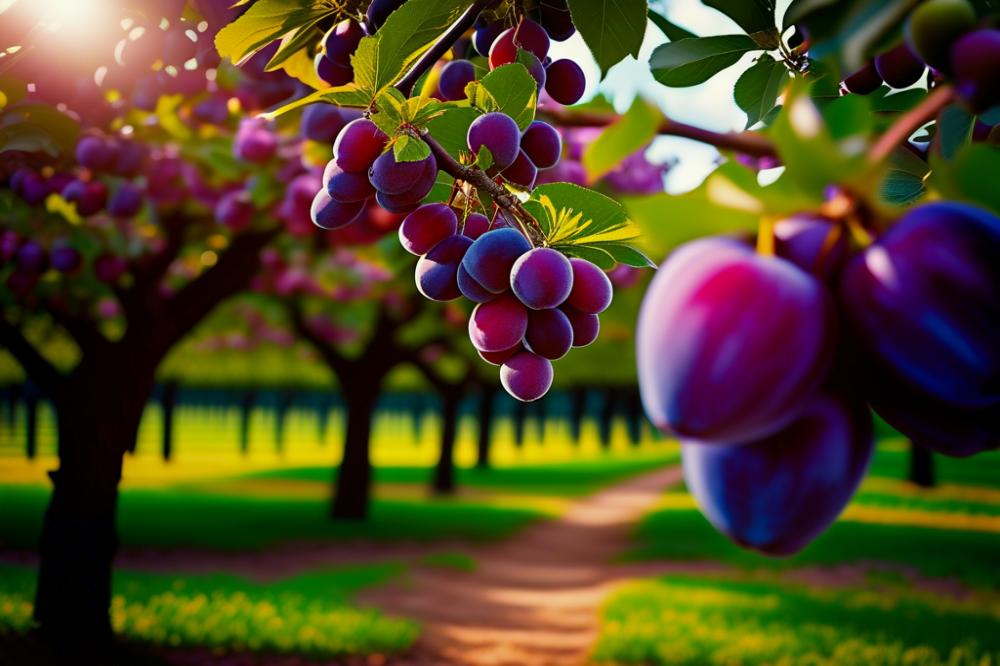
Ideal tree planting depth for Plum Trees
When Planting Plum Trees, depth matters. The root crown, where roots meet the trunk, should sit at the soil surface. Burying this area can lead to rot and other fruit tree diseases. Dig a hole that is twice as wide as the root ball, but not too deep. A shallow planting promotes healthy growth and development.
Soil Requirements for Optimal Growth
Healthy soil is crucial for plum tree care. Well-draining soil is a priority. Avoid areas with heavy clay or poor drainage. A pH level between 6.0 and 7.0 works best. Mixing organic matter, like compost, into the soil can enhance quality. This mixture improves drainage and fertility, making it more suitable.
Watering Techniques for Newly Planted Trees
Watering is vital immediately after planting. The soil should remain moist but not soaked. A simple method is to add water slowly at the base of the tree. This helps roots establish without drowning them. During the first month, checks should happen weekly. Gradually reduce frequency as the tree gets established.
Importance of Choosing the Right Location and Sunlight
Selecting the proper location is key for success. Plum trees thrive in full sun, needing at least six hours each day. Shady spots can stunt growth and fruit quality. Look for areas that offer good air circulation too. This helps prevent diseases and encourages strong development. Also, consider the proximity to other trees and structures, which can affect sunlight exposure.
Plum Tree Care

Fertilizer Application Strategies for Plum Trees
Applying fertilizer is a crucial part of plum tree care. The right formula can enhance tree growth and fruit production. Begin with a soil test to understand nutrient needs. Balanced fertilizers with equal parts nitrogen, phosphorus, and potassium often work well. Aim to fertilize in early spring as trees wake from dormancy. This supports healthy leaf and root growth. Organic options, like compost or well-rotted manure, may also provide benefits. They improve soil structure and encourage beneficial organisms. Avoid over-fertilizing, as this can lead to excessive foliage with little fruit. Always follow product instructions for best results.
Pruning Practices for Healthy Growth and Fruit Production
Pruning is essential for maintaining a strong plum tree. This practice encourages better air circulation and sunlight penetration. Start by removing any dead or diseased branches, which helps prevent fruit tree diseases. This action reduces the risk of infestations and promotes overall health. Aim to prune during the late winter or early spring before new growth appears. Focus on shaping the tree so that it develops an open center. This will help with balance and fruit visibility. Regularly inspect branches for signs of stress or pests. Keeping branches healthy can significantly boost fruit yield.
Seasonal Care Tips for Maintaining Tree Health
Pay attention to watering techniques, especially during dry spells. Young plum trees require consistent moisture to establish roots. Deep watering encourages roots to grow downwards, creating a sturdy foundation. Mulching around the base can help retain moisture and prevent weed competition. As seasons change, monitor your trees for signs of stress or illness. Pest identification early on can save time and resources. Use organic pest management practices for control, minimizing chemicals whenever possible. Regularly inspect fruit for blemishes or unusual shapes, which could signal problems. Careful seasonal management keeps your plum trees thriving.
Fruit Tree Diseases
Common diseases can severely impact plum trees. These include brown rot, bacterial canker, and peach leaf curl. Brown rot causes fruit to rot on the tree or after harvest. You might notice fuzzy, brown spots on ripe plums. Bacterial canker leads to dead branches and cankers on the bark, often appearing as dark lesions. Peach leaf curl affects leaves, which may become distorted and fall off early.
Recognizing signs and symptoms is crucial for effective management. If you see wilting leaves or branches that suddenly die, investigate further for potential disease. Dark spots, moldy fruit, or unusual leaf shapes should also raise concerns. A careful inspection can help you determine if a tree is struggling with disease issues or simply needs more attention.
Management Strategies for Disease Resistance in Plum Trees
Proper plum tree care is essential for preventing diseases. Start with adequate tree planting depth, ensuring roots have plenty of space. Soil requirements play a significant role in tree health. Well-draining, nutrient-rich soil supports strong roots and helps trees resist diseases.
Regular watering techniques should not create waterlogged conditions around the roots. Monitor moisture levels, especially during dry spells. Pruning is another vital step. Remove any dead or diseased branches to enhance air circulation. This simple action can significantly reduce disease spread.
Your fertilization approach matters too. Applying the right amount of nutrients strengthens trees overall, bolstering their defenses against infections. Organic pest management can also contribute to a healthier growing environment. By using beneficial insects and natural treatments, you minimize the impact of pests that might cause further stress on the trees.
Pest identification is key as many insects spread diseases. Observe trees regularly for signs of infestation. Recognizing pests early can lead to timely interventions, protecting the tree from severe damage. A proactive approach in managing both pests and diseases helps cultivate resilient plum trees.
Pest Control Tips
Plum trees are susceptible to various pests that can affect their health and fruit production. Among the most common culprits are aphids, spider mites, and fruit flies. Aphids can cluster on leaves and stems, while spider mites create tiny webs. Fruit flies lay eggs in the fruit, causing premature rotting. Recognizing these pests early is key to effective management.
Identifying pests requires close observation. A good approach starts with inspecting your tree regularly, especially the undersides of leaves. Look for discolored foliage, webbing, or signs of tunneling in the fruit. Note the size and appearance of any insects you see. Using a magnifying glass can help with identification. Resources like extension services can also guide you in spotting common pests associated with plum tree care.
Organic Pest Management Strategies
For those seeking environmentally friendly pest control, organic options can be highly effective. Natural predators, such as ladybugs for aphids, can create a balanced ecosystem. Introducing these helpful insects can keep harmful populations in check. Additionally, neem oil is a popular organic treatment. It disrupts the life cycle of pests while being safe for beneficial insects.
Another method involves employing barriers to protect your plum trees. Floating row covers can keep fruit flies and other pests away from the blossoms. Furthermore, maintaining healthy soil requirements can strengthen your trees against infestations. Regular watering techniques and proper fertilizer application boost overall vigor. Also important is practicing good pruning to encourage airflow around the tree, which lessens mold and pest issues.
Consider cleaning up fallen fruit and debris to reduce pest habitats. Regular garden maintenance plays a big role in pest identification and control. By combining these organic practices with vigilance, you can promote fruit tree health while minimizing chemical interventions.
Final Thoughts on Growing Plum Trees
To cultivate healthy plum trees, follow essential tips closely. Start by focusing on your tree planting depth; this is crucial for root development. Choosing well-drained soil with proper sunlight will also create a thriving environment. Consider the local climate and select a suitable plum variety that can flourish in your area.
Pest control is another critical aspect to keep your trees healthy. Regular inspections can help identify problems early. Use organic methods where possible, as these are safer for the environment and produce better-tasting fruit. Remember to maintain adequate spacing between trees, allowing for good airflow and sunlight penetration.
Don’t hesitate to take the plunge into growing your own plum trees. They can provide a rewarding experience, yielding a bountiful harvest. The joy of picking fresh, juicy plums from your garden can’t be overstated. You’ll appreciate the satisfaction of nurturing your own fruit trees for years to come.
In summary, successful plum cultivation requires attention to detail and dedication. With the right care, you can enjoy the fruits of your labor. So, gather your tools and plant your plum trees. It’s time to embark on this fruitful journey!


