preserving onions for Every Season
Onions are a staple in kitchens around the world. Their flavor enhances countless dishes, making them invaluable to your cooking arsenal. However, homegrown onions can sometimes overwhelm a gardener with their abundance. That’s where the importance of preserving onions comes into play. By using various methods, you can enjoy the fruits of your labor long after the growing season ends.
Preserving food offers numerous benefits. For one, it allows you to enjoy fresh, organic produce while saving money. Moreover, it reduces food waste, which is a vital consideration in today’s society. Home preservation methods, like drying and pickling, add unique flavors to recipes. You can always create something delicious with your bounty.
Diving deeper, there are several effective techniques for vegetable preservation. drying onions can lead to crunchy snacks or flavorful additions to soups and stews. pickling onions gives a tangy twist, ideal for salads and sandwiches. Each of these methods enhances the versatility of your homegrown harvest. When you think about onion storage, consider how these techniques can extend the lifespan of your crops without sacrificing taste.
Understanding various onion drying techniques and pickling methods allows you to make the most of your garden’s yield. Choosing the right approach depends on your preferences and how you plan to use your preserved produce. With a little effort, you can craft an impressive selection of onion recipes that honor your hard work. Embrace the art of food preservation and discover the joy of enjoying your garden produce all year round.
Preserving Onions: Techniques and Benefits
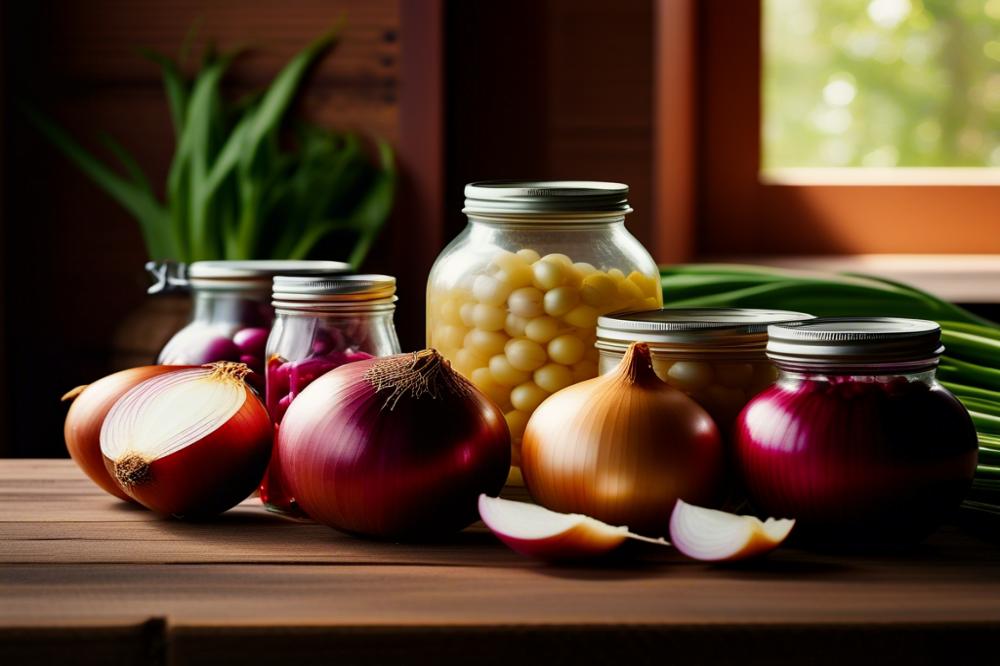
Onions are not just a kitchen staple; they can be preserved in several ways. drying onions, pickling onions, and employing various storing techniques allow you to enjoy this essential vegetable throughout the year. Each method has its advantages and suits different tastes or needs. By mastering these preservation techniques, home cooks can extend the life of their homegrown harvest considerably.
Nutritional benefits make homegrown onions a worthwhile addition to any garden. They are low in calories but packed with vitamins like C and B6, plus minerals such as potassium. Antioxidants found in onions contribute to overall health as well. The flavor these vegetables add to food makes them a favorite among many. Incorporating onions into meals can enhance both flavor profiles and nutritional value.
Role of Onion Preservation in Vegetable Preservation
Every gardener knows that preserving garden produce is essential for minimizing waste. Onions play a critical role in the broader context of vegetable preservation. Various methods like onion drying techniques and pickling methods help to retain flavors and nutrients. When you opt for long-term storage, you can keep enjoying the fruits of your labor well beyond the harvest season.
Exploring onion recipes becomes more exciting with preserved varieties. For instance, dried onions can be ground into powders for seasoning, while pickled onions add a tangy zest to dishes. Each process—whether drying or pickling—offers its unique textures and tastes that can revitalize everyday meals. Implementing these methods amplifies the impact of your homegrown ingredients in the kitchen.
Drying Onions
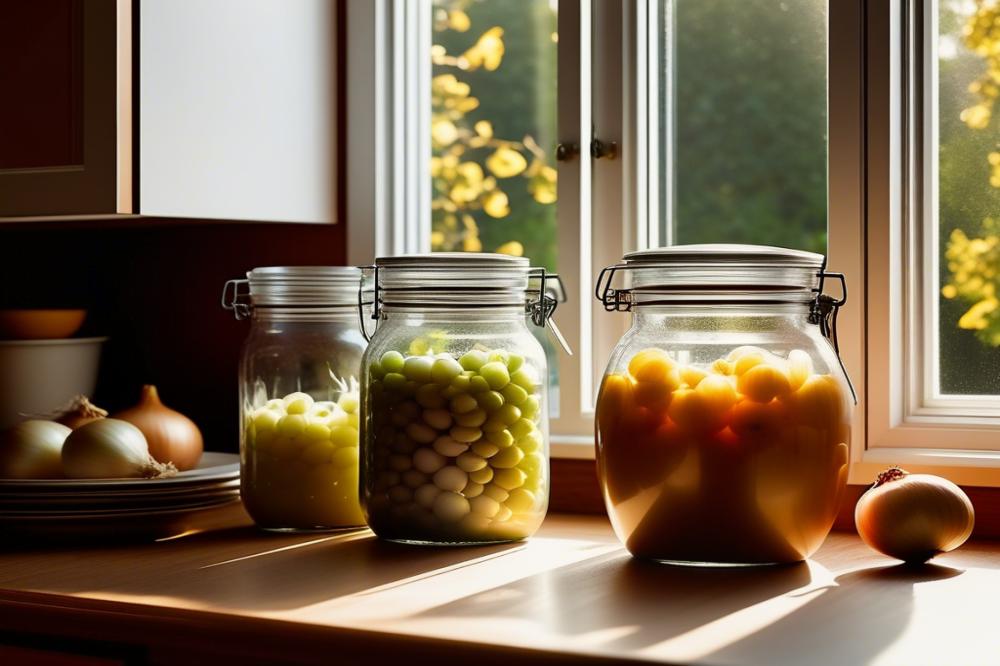
When it comes to preserving your homegrown harvest, drying onions is a fantastic technique. This method enhances flavors and makes for easy storage. A few best practices can improve your results. Start with fresh, mature onions. Next, choose varieties with high moisture content. They tend to dry better than others.
Best Practices for Onion Drying Techniques
One of the most important steps involves proper airflow. Drying onions in a well-ventilated area helps prevent mold and spoilage. Avoid direct sunlight, as this can cause uneven drying. Patience is key; the process may take anywhere from several days to weeks.
Tools and Equipment for Drying
To make the process easier, gather a few essential tools. A dehydrator is among the best options, providing controlled temperatures. Additionally, a sharp knife will help slice the onions evenly. You might also want to use a cutting board, string, or mesh bags for hanging whole onions. Vacuum sealer bags can protect your dried product long-term.
Steps for Drying Onions at Home
Start by peeling and slicing the onions into uniform pieces. Thin slices will dry faster than thicker ones. If using a dehydrator, arrange the pieces on the trays, ensuring they do not overlap. Set the temperature according to the manufacturer’s instructions. Mind the time; typically, it ranges from 10 to 20 hours.
For air-drying, tie the onion tops together with string. Hang them in a warm, dry, and well-ventilated spot, such as a garage or shed. In just a few weeks, the onions should be fully dried and ready for storage.
Storing Dried Onions for Long-Term Use
After drying, storing onions properly maximizes their shelf life. Place the dried pieces in airtight containers. Glass jars work well, as they are durable. Alternatively, vacuum-sealed bags provide excellent protection against moisture and air. Label each container with the date for reference.
Onion Recipes Using Dried Onions
Dried onions add a burst of flavor to a variety of dishes. Try incorporating them into soups, stews, or casseroles. They also work well in salad dressings or marinades, providing a rich, savory kick. Adding them to bread dough can enhance the flavor profile, too. Explore new onion recipes, and enjoy the unique taste of your garden produce throughout the year.
Pickling Onions
Overview of Pickling Methods
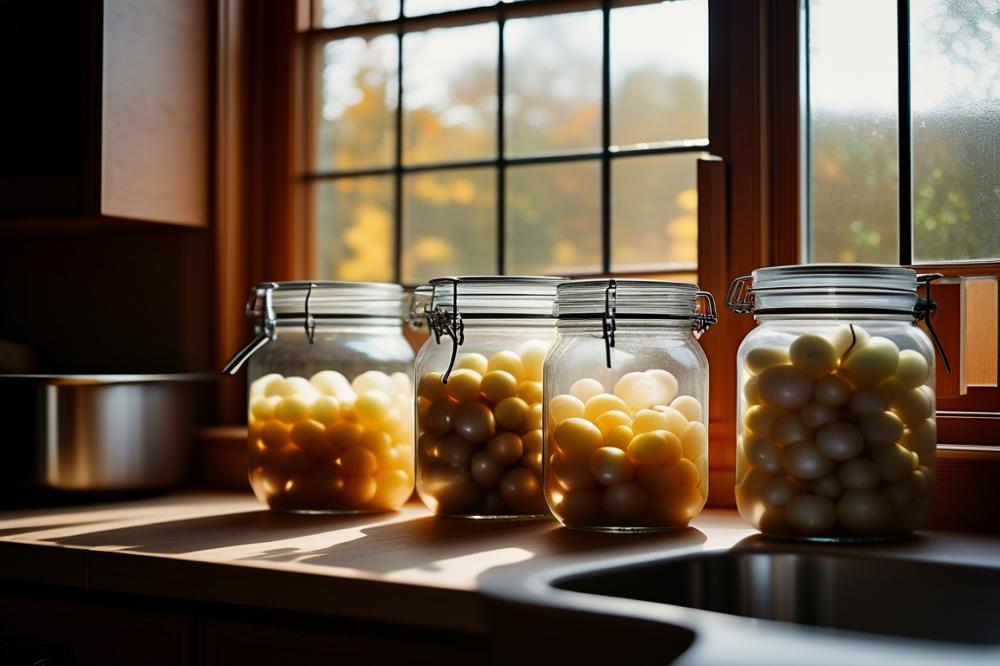
Pickling onions is an excellent way to preserve their flavor while adding a delightful tanginess. Various pickling methods exist, including quick pickling and fermentation. Quick pickling uses vinegar, while fermentation relies on natural bacteria to create a brine. Both methods give onions a long shelf life and enhance their taste.
Essential Ingredients and Equipment for Pickling
When preparing to pickle, gather your ingredients and equipment. Essential items include fresh onions, vinegar (like apple cider or white), salt, and sugar. Additionally, consider spices like peppercorns, mustard seeds, and garlic for extra flavor. Equipment needed involves clean jars, a saucepan, and measuring cups. Ensure everything is sanitized to keep your pickled onions safe for long-term storage.
Step-by-Step Guide to Pickling Onions
Start by peeling the onions and slicing them thinly. Afterward, prepare a brine by combining vinegar, water, sugar, and salt in a saucepan. Heat this mixture until the solids dissolve, then let it cool slightly. Pack the sliced onions into jars, pouring the brine over them. Seal the jars tightly. Check the recipe for storage instructions. Usually, they are best after sitting for a day in the refrigerator.
Variations in Pickling Recipes
Numerous variations exist for pickling recipes. Experiment with different vinegars and spices to find your favorite taste. Some people might prefer adding red chili flakes for heat or fresh herbs for a milder flavor. Have fun with the process. Making unique combinations can yield exciting results. You can even try adding other garden produce, like cucumbers or carrots, into the jars.
Uses of Pickled Onions in Meals
Pickled onions are versatile ingredients in many recipes. They brighten up sandwiches, tacos, and salads. Food enthusiasts often use them as garnishes or sides. Their crunch and acidity bring balance to dishes, making them a favorite in various cuisines. Experiment by adding them to your homemade burgers or grain bowls for an extra kick of flavor.
Long-term Storage of Onions
Onions can be stored long-term in the right conditions. They prefer cool, dry, and dark environments. Temperatures around 32°F to 40°F work best. Adequate ventilation is also crucial to prevent spoilage. Do not store onions near potatoes, as dampness from potatoes can cause onions to rot.
Types of Storage Options
Many storage options exist for homegrown harvest. Some people use mesh bags or baskets for airflow. Others prefer cardboard boxes without lids. Root cellars are ideal if available, providing stable temperatures and humidity. Storing onions in a pantry is another common choice, but make sure it’s cool enough.
Best Practices for Maintaining Freshness
Regularly check your stored onions for signs of spoilage. Discard any that show soft spots or sprouting. Provide space for air to circulate around them. Maintaining appropriate humidity levels helps as well. Too much moisture can spoil your onions faster.
How to Prepare Onions for Long-term Storage
Preparing onions properly is essential for effective vegetable preservation. Start by harvesting when the tops fall over and dry out. Trim excess roots and remove the outer skin. Drying onions before storing enhances their shelf life. Remember to cure onions by placing them in a warm, shaded area for several weeks.
Incorporating Homegrown Onions into Garden Produce
Onions can be a delicious addition to any onion recipes. They blend well with many vegetables, enhancing flavors in garden produce. Pickling onions provides another option for enjoying your harvest. Experiment with various pickling methods for unique tastes. Just think, you can savor your homegrown food year-round!
Creative Use of Preserved Onions
Preserved onions have a place in everyday cooking. They can easily enhance a variety of dishes. Home cooks enjoy using them to elevate flavors in simple meals. Versatile ingredients like dried and pickled onions can transform meals dramatically.
Incorporating Preserved Onions into Everyday Cooking
Dried onions work well in soups and stews. One method is to rehydrate them in warm water before adding. This process releases their flavor, making the dish richer. Sautéing pickled onions in a hot pan brings out their tangy notes. They can serve as a delicious topping for tacos and sandwiches. Combining preserved onions with fresh vegetables creates a tasty salad. The crunch of fresh produce and the soft texture of preserved onions offers a nice contrast.
Unique Onion Recipes That Highlight Dried and Pickled Products
Try making an onion dip with sour cream and dried onions. Mixing these ingredients results in a creamy and flavorful party snack. Another delicious recipe is pickled onion salsa. It pairs well with grilled chicken or fish. Simply chop tomatoes, fresh cilantro, and add pickled onions. For a hearty meal, add dried onions to homemade bread. They bring flavor and character to each slice. Stirring dried onions into rice or grain dishes enhances their appeal.
Benefits of Adding Preserved Onions to Various Cuisines
Using preserved onions adds depth to any cuisine. Mediterranean dishes especially benefit from pickled products. The sharpness of pickled onions complements rich flavors in dishes like falafel. In Asian cooking, dried onions add umami to stir-fries. Incorporating them into vegetable preservation methods helps retain their distinct taste during long-term storage. Culinary traditions from around the world appreciate the addition of preserved garden produce. Therefore, they are essential in enhancing everyday meals.
Final Thoughts on Preserving Your Onion Harvest
Preserving onions holds great importance, especially for those who grow their own. Doing so allows you to enjoy the flavor and nutrition of your harvest long after the growing season ends. By utilizing techniques like drying onions, you create convenient options for cooking. Pickling onions offers a delightful twist for salads and sandwiches. Both methods not only enhance your meals but also reduce waste.
Exploring various preservation methods can be fun and rewarding. Every technique presents a unique way to add variety to your meals. Whether you prefer the simplicity of drying or the zest of pickling, the possibilities are endless. Each method can be tailored to fit your taste and storage needs, making the experience even more enjoyable.
Utilizing your homegrown harvest year-round is quite satisfying. Keep in mind that the work put into preservation pays off during the colder months. When you open a jar of pickled onions or use dried onions in your cooking, a little taste of summer is always within reach. Embrace the challenge of preserving and savor the rewards that come with it.