Introduction
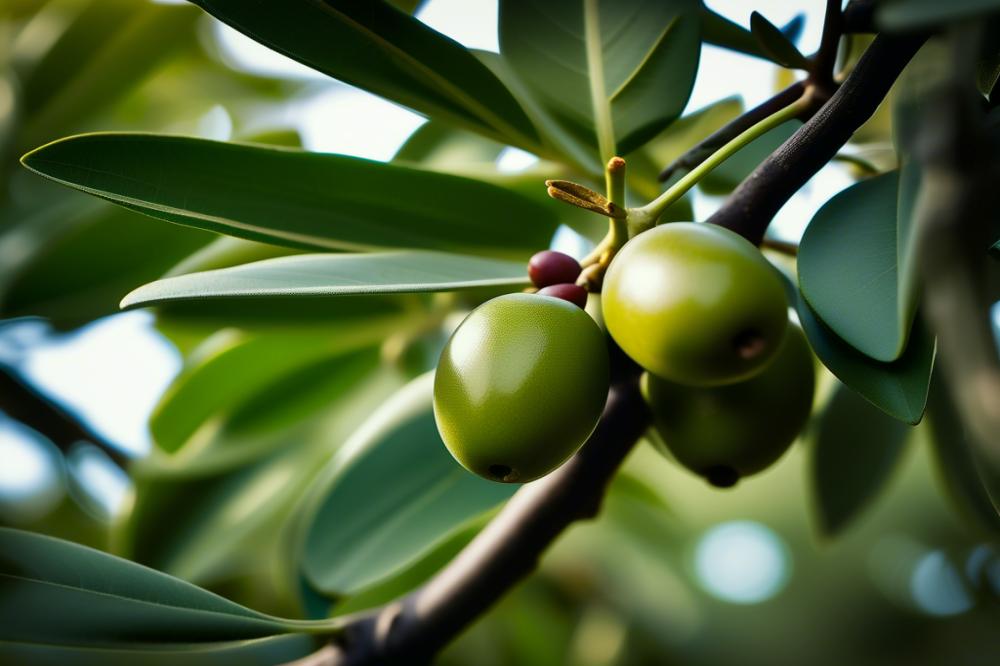
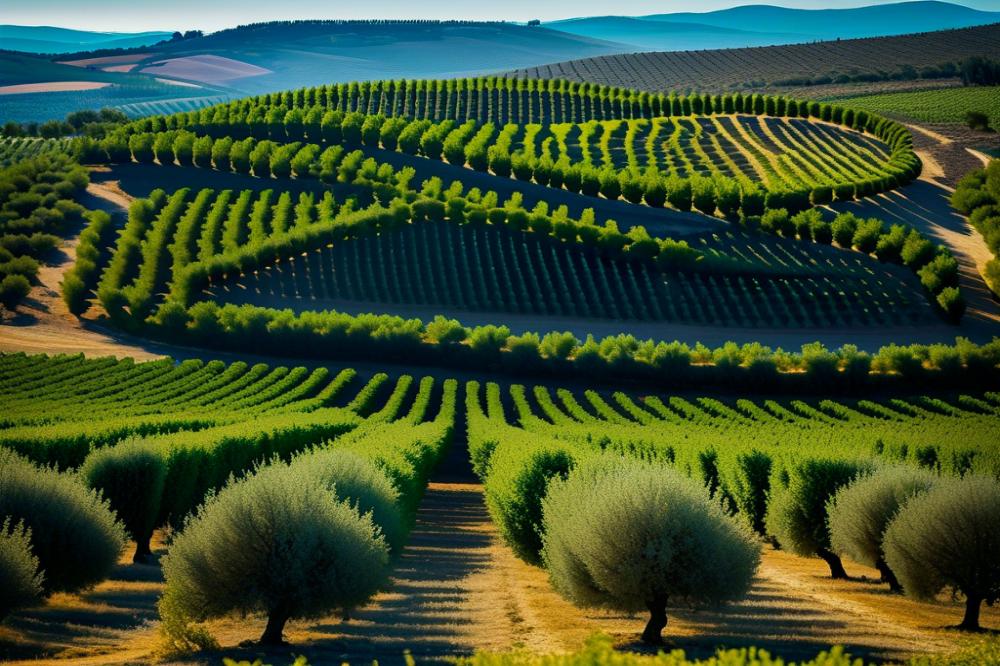
Olive farming has been a cherished practice for centuries. It plays a significant role in many economies, especially in Mediterranean countries. Farmers cultivate olive trees not only for their oil but also for their fruits. However, the health of these trees is under constant threat from various pests and diseases. Protecting these trees is crucial for maintaining high yields and quality produce.
When discussing threats to olive trees, it is important to understand the term ‘olive tree pests.’ These insects can cause significant damage if not managed properly. Awareness of pest management strategies is essential for any grower. Farmers must be vigilant in monitoring their crops. Simple steps in disease prevention can greatly reduce the risk of infestations.
Pests and diseases can severely impact olive tree health. Insects like the olive fruit fly and diseases such as fungal infections can reduce both yield and quality. They can harm the trees’ overall growth and longevity. Implementing good agricultural practices is vital. Regularly applying organic treatments and practicing balanced soil health are beneficial tactics.
Pruning techniques also play a vital role in pest control. By maintaining the shape and health of olive trees, growers can reduce the chances of pest infestations. Furthermore, integrated pest management strategies can help maintain a balanced ecosystem. This approach combines different tactics, including the use of insecticides when necessary.
Ultimately, protecting olive trees from pests and diseases is essential for successful cultivation. By applying knowledge and resources effectively, farmers can safeguard their crops. Commitment to ongoing olive tree care is the key to thriving orchards and fruitful harvests.
Understanding olive tree pests
Identification of Common Olive Tree Pests
Identifying pests that threaten olive trees is crucial for effective management. Common pests include the olive fruit fly, scale insects, and leafhoppers. Each of these pests can cause significant harm. The olive fruit fly lays eggs in the fruit, causing rot. Scale insects suck sap from leaves and branches, weakening the trees. Leafhoppers can lead to yellowing leaves and reduced growth. Learning to spot these pests early helps in prevention.
Life Cycles and Behaviors of Key Pests
Understanding the life cycles of these pests can guide effective treatments. The olive fruit fly has several generations each year. This rapid reproduction means infestations can grow quickly. Scale insects often remain stationary, but their young can spread. They thrive in warm weather, making summer months critical for monitoring. Leafhoppers are mobile. Their movements can lead to widespread damage across multiple trees in a short time. Awareness of these behaviors allows for timely interventions.
Effects of Pests on Olive Tree Health and Productivity
Pests can dramatically affect the health of olive trees. Infestations lead to reduced fruit quality and yield. As pests feed on the tree, they weaken it, making it more vulnerable to diseases. Fungal infections often follow pest damage, complicating recovery efforts. Implementing sound agricultural practices is essential for maintaining soil health. Proper olive tree care, including regular monitoring, can mitigate pest impacts. Organic treatments and insecticides might be necessary for severe infestations. Employing pruning techniques can also help by improving air circulation, making trees less appealing to pests. Integrated pest management strategies offer a holistic approach, combining different methods to protect these valuable trees. disease prevention is key. Awareness and action can create robust, healthy olive groves.
Disease Prevention Strategies

Common Diseases Affecting Olive Trees
Olive trees can suffer from various diseases that threaten their health and productivity. One notable issue is olive leaf spot, caused by a fungal pathogen. This infection leads to dark spots on leaves, impacting photosynthesis. Another common disease is verticillium wilt. It affects the vascular system of the tree and can lead to wilting and leaf drop. Bacterial infections, like olive knot, create gnarled growths that can hinder tree development. Recognizing these diseases is essential for effective olive tree care.
Signs and Symptoms of Fungal Infections
Identifying fungal infections early can save olive trees from severe damage. Look for spots or lesions on leaves, which indicate potential issues. Infected fruit may also show discoloration or rot. Dark streaks in the wood could suggest deeper problems, especially with vascular infections. Symptoms can vary, so regular monitoring is key. Pay close attention during blooming and fruiting stages; these are critical windows for potential health threats.
Importance of Early Detection and Monitoring
Implementing a routine check-up schedule enhances disease prevention efforts. Catching problems at their onset makes treatment more manageable. Early detection leads to more effective pest management and less reliance on chemical insecticides. Use simple tools like magnifying glasses to examine leaves and fruit. Consider pruning techniques that improve air circulation, which reduces humidity and fungal growth. Maintaining soil health through organic treatments contributes to the overall vigor of olive trees. Adopting integrated pest management strategies can help protect against various threats while promoting sustainable agricultural practices.
Best Pest and Disease Management Practices
Integrated pest management principles: combining methods for effective control
Effective control of olive tree pests relies on integrated pest management (IPM). This approach combines various strategies for the best outcomes. Farmers can use cultural, mechanical, and biological methods together. For example, introducing beneficial insects can help reduce harmful pests. Regular monitoring is crucial. Identifying problems early allows for targeted actions. In some cases, organic treatments are a great fit and can be less harmful to the environment. Additionally, insecticides should be used judiciously and only when necessary. This careful balance aims to minimize damage while safeguarding the ecosystem.
Importance of soil health in preventing pests and diseases
Healthy soil plays a vital role in disease prevention. When soil is rich in nutrients, plants can grow stronger and resist infections better. Maintaining soil health requires good agricultural practices, such as adding organic matter. Cover crops can also enhance soil structure and reduce erosion. Furthermore, a diverse soil ecosystem supports beneficial microbes. These microorganisms can combat harmful pathogens and improve vine vitality. Water management is another key factor. Proper drainage helps prevent conditions that lead to fungal infections.
Pruning techniques to enhance tree health and reduce pest risk
Pruning is an essential part of olive tree care. It encourages air circulation and sunlight penetration. Properly pruned trees are less prone to diseases that spread in humid, dark conditions. Cutting away dead or weak branches also prevents unwanted pests from taking hold. Timing is crucial; pruning should be done when trees are dormant. This practice also shapes the tree, promoting healthy growth overall. In addition to aesthetic benefits, these techniques create a robust framework for the tree. Regular maintenance will deter issues and support long-term tree health.
Organic Treatments for Olive Trees
Overview of Organic Pest Control Options
Organic pest management focuses on maintaining healthy ecosystems. Many growers are adopting methods that promote natural predators. This includes using beneficial insects such as ladybugs or lacewings. These natural allies help control harmful species without chemicals. Setting up a diverse environment encourages these predators to thrive. Moreover, planting companion crops can distract pests from olive trees, reducing their impact. Regular monitoring is essential. Observing changes can help in understanding when intervention might be required.
Natural Insecticides and Their Effectiveness
Several natural insecticides can provide effective solutions. Neem oil is one popular option that disrupts the life cycle of insects. It can be sprayed directly on affected trees to deter feeding. Insects that come into contact with this oil will often experience reduced reproductive rates. Another option is insecticidal soap, which suffocates soft-bodied pests like aphids. This method is safe and breaks down quickly in the environment. Nonetheless, the timing of application is crucial for success. Early morning or late afternoon typically ensures protection while minimizing harm to beneficial insects.
Benefits of Organic Farming Practices in Olive Cultivation
Implementing organic practices improves soil health significantly. Healthier soil leads to robust trees, capable of resisting disease better. Additionally, long-term benefits include sustainable agricultural practices that promote biodiversity. Crop rotation and cover cropping can aid in soil quality. These methods help prevent disease outbreaks and improve overall tree vigor. Pruning techniques also play a vital role in olive tree care. Proper pruning helps improve air circulation, reducing the risk of fungal infections. Adopting these practices reflects a commitment to a healthier environment and a more sustainable future.
Cultural and Agricultural Practices
Effective olive tree care can make a significant difference when it comes to minimizing pest and disease issues. First, practicing good pruning techniques is essential. Regularly removing dead or diseased branches allows for better air circulation and sunlight penetration.
Crop rotation serves as another critical strategy for farmers. Changing the types of crops grown in the area can disrupt the life cycles of potential pests. Implementing this method not only reduces infestations but also promotes soil health. Less reliance on chemical insecticides is also a direct benefit.
Biodiversity in the agricultural setting enhances resilience against organisms that might harm the trees. For instance, planting various species alongside olive trees creates a more balanced ecosystem. This diversity can attract beneficial insects that help control harmful populations naturally.
While it’s important to care for the trees, enhancing local ecosystems can prove advantageous as well. Farmers can introduce native plants to their gardens or orchards. These plants provide habitats for pollinators and predatory insects that naturally assist with pest management. Embracing organic treatments helps achieve a healthy balance, avoiding reliance on harmful chemicals.
Maintaining healthy soils also plays a big role in disease prevention. A rich, diverse soil environment fosters strong tree root systems, making them less susceptible to diseases like fungal infections. Cover cropping can further support soil vitality and promote microbial diversity.
Integrated pest management is an effective approach to combine different practices. By monitoring pest populations and understanding their life cycles, farmers can decide when to use insecticides responsibly. Sustainable practices lead to overall healthier crops, providing long-term benefits.
Ultimately, these agricultural practices encourage the resilience needed to sustain olive trees. Each action taken to encourage a healthy agricultural ecosystem contributes to the overall well-being of these treasured plants. Adjusting methods over time can lead to improved outcomes for both farmers and their crops.
Commercial Solutions and Chemical Treatments
Overview of Conventional Insecticides and Their Impact
Chemical insecticides are often used to combat pests that threaten olive trees. Farmers turn to these products when faced with significant infestations. While effective, conventional pesticides can also harm beneficial insects. Good olive tree care requires balancing pest management with environmental health. Enhanced risks to pollinators and natural predators are ongoing concerns. Understanding the effects of these chemicals is crucial. Some insecticides can also lead to soil health issues. Fungal infections may become more prevalent if the soil loses its natural balance.
When to Use Chemical Treatments Responsibly
Timing is everything in pest control. Apply chemical treatments when pests are most active or when damage is evident. It’s vital to monitor your trees closely. Early detection can limit the need for drastic measures. However, chemical solutions should not be the first line of defense. Integrating various agricultural practices can provide better long-term results. Organic treatments and pruning techniques are often effective alternatives. Regularly assessing the health of your olive trees can minimize the reliance on harsh chemicals.
Regulations and Safety Considerations for Olive Farmers
Farmers must be aware of regulations concerning chemical use. Local guidelines often dictate what products are permissible. Safety is a top priority for every olive grower. Proper training in handling insecticides is essential. Personal protective equipment (PPE) should always be worn during application. Educating workers on the safe use of chemicals can prevent accidents. Environmental impacts must be considered as well. Choosing to follow best practices in pest management is part of sustainable agriculture. Encourage a culture of responsibility and awareness in your farming community.
Final Thoughts on Protecting Olive Trees
In summary, safeguarding olive trees from pests and diseases involves a blend of thoughtful practices. Regular monitoring stands out as a crucial first step for any grower. Observing trees frequently can help catch early signs of trouble. Engaging in proper pruning and maintaining tree health are equally important. Healthy trees are less likely to suffer from infestations.
Proactive measures serve as the backbone of successful olive farming. It’s easier to prevent issues than to treat them once they occur. Implementing integrated pest management techniques allows for a balanced approach. Consider using natural predators and maintaining biodiversity in and around your grove. Such practices contribute to long-term sustainability.
Focusing on disease prevention is vital for any olive farmer. The right measures can reduce the need for chemical interventions. Additionally, staying informed through ongoing education cannot be overlooked. Workshops, local agricultural extensions, and online resources provide valuable insights. With knowledge, farmers can face challenges with confidence.
Overall, by embracing sustainable practices and prioritizing education, growers can foster thriving olive groves. Every step taken today lays the groundwork for a resilient tomorrow. Together, let’s strive for healthy trees and a flourishing future.